The medieval knight is one of history’s most romanticised figures. Popular culture gives us gleaming armour, noble speeches and heroic last stands. The reality was far more interesting. Knights were professional warriors, landholders, political players and, occasionally, absolute nightmares to have as neighbours.
The greatest knights were not simply the best with a sword. Medieval combat rewarded leadership, endurance, tactical awareness, loyalty and the ability to survive a battlefield where a stray arrow or muddy ditch could end even the most legendary career.
As a historian, I find the most fascinating knights are often the complicated ones. Some were honourable, some ruthless, and many managed to be both before breakfast.
What Made A Great Medieval Knight?
A knight’s reputation was built on several qualities:
- Battlefield ability: Personal combat skill and performance during campaigns.
- Military leadership: Commanding troops rather than simply winning duels.
- Political influence: Many knights shaped kingdoms through diplomacy and alliances.
- Chivalric reputation: How their contemporaries viewed their honour and conduct.
- Legacy: Their lasting impact on medieval history.
The medieval knightly ideal evolved across centuries. An 11th century Norman cavalryman, a 13th century crusader and a 15th century armoured knight fought very differently, even if later storytellers tend to place them all in the same shiny suit of plate armour.
William Marshal (c.1146–1219)
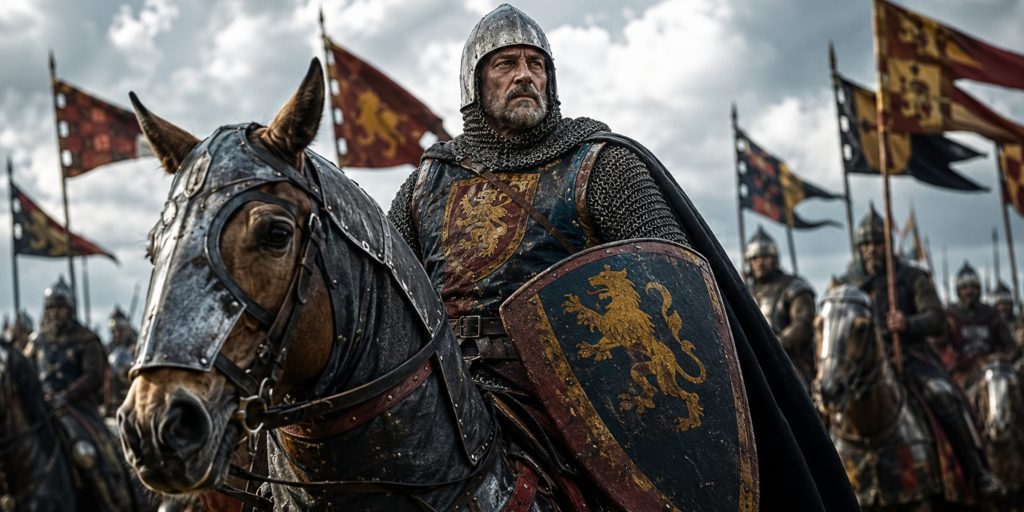
The Greatest Knight Of The Middle Ages?
If medieval Europe had a tournament leaderboard, William Marshal would probably have been accused of cheating.
Born as a younger son with limited prospects, Marshal rose through skill, loyalty and a remarkable talent for being useful to powerful people. He served five English kings and became one of the most respected figures of his era.
His career included:
- Capturing hundreds of opponents during tournaments
- Serving Henry II, Richard I and King John
- Protecting the young Henry III after John’s death
- Leading royalist forces at the Battle of Lincoln in 1217 despite being around 70 years old
Marshal represented the ideal knight: courageous, politically intelligent and unusually consistent in his loyalties.
His swordsmanship gained fame through tournaments, but his greatest weapon was probably judgement. Plenty of knights could swing steel. Far fewer knew when not to.
El Cid (Rodrigo Díaz de Vivar) (c.1043–1099)
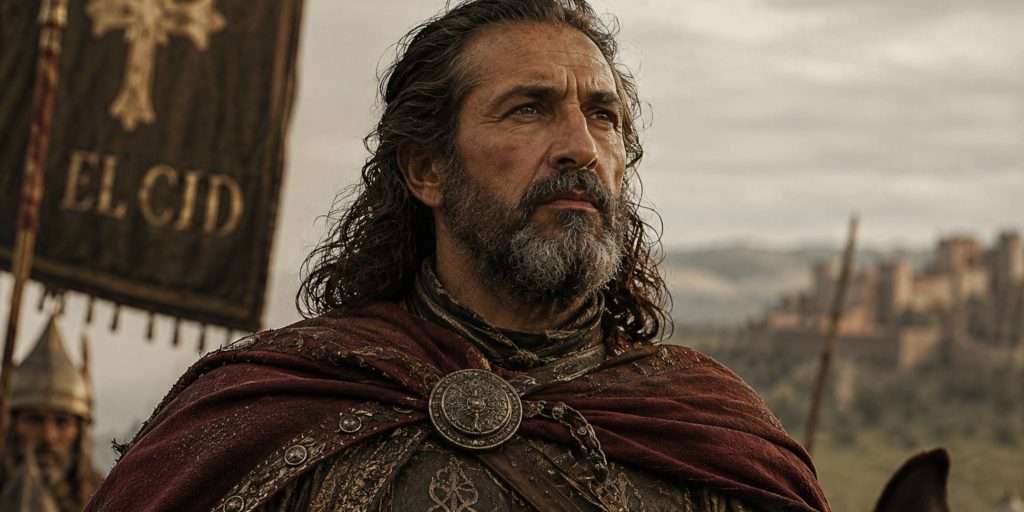
The Warrior Between Two Worlds
Rodrigo Díaz de Vivar, better known as El Cid, became one of medieval Spain’s most legendary military figures.
His career unfolded during the complex conflicts of the Iberian Peninsula, where Christian and Muslim kingdoms fought, negotiated and frequently hired each other. Medieval politics rarely fitted into simple categories, however much later legends tried to tidy things up.
El Cid was renowned for:
- Exceptional cavalry leadership
- Capturing Valencia in 1094
- Serving both Christian and Muslim rulers
- Inspiring later Spanish literature and national legends
His famous sword, Tizona, became almost as legendary as the man himself.
The historical El Cid was less like a flawless storybook hero and more like a brilliant medieval commander navigating a very complicated world.
Bertrand du Guesclin (c.1320–1380)
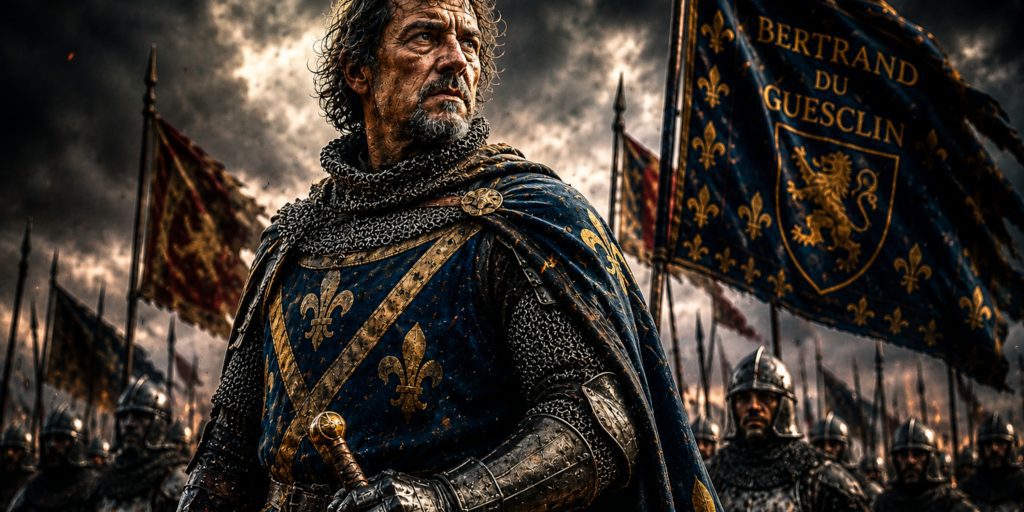
The Unlikely Hero Of France
Bertrand du Guesclin proves that medieval greatness was not always about looking heroic.
Contemporary accounts describe him as physically unimpressive, which feels slightly unfair considering medieval chroniclers were rarely gentle critics. Fortunately for France, battles were not beauty contests.
During the Hundred Years’ War, he became one of France’s most effective commanders.
His achievements included:
- Becoming Constable of France
- Helping reverse English gains after the Treaty of Brétigny
- Avoiding unnecessary pitched battles
- Using raids, sieges and strategy to weaken opponents
Du Guesclin understood something many knights ignored: charging dramatically was impressive, but winning was usually better.
Richard Marshal (1191–1234)
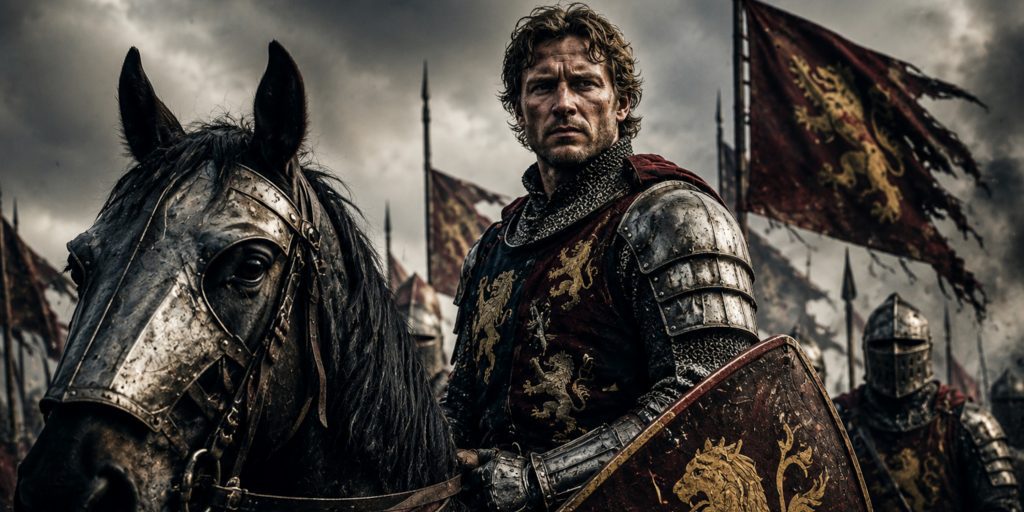
The Knight Who Challenged A King
The son of William Marshal inherited both his father’s title and his willingness to stand against royal authority.
Richard Marshal, 3rd Earl of Pembroke, opposed Henry III’s favourites and became involved in rebellion against the king’s government.
He was known for:
- Personal bravery
- Political independence
- Skilled military leadership
- Defending aristocratic rights
His career was shorter and more tragic than his father’s, but he demonstrated the uncomfortable truth of medieval knighthood: loyalty and honour were often open to interpretation.
Geoffroi de Charny (c.1300–1356)
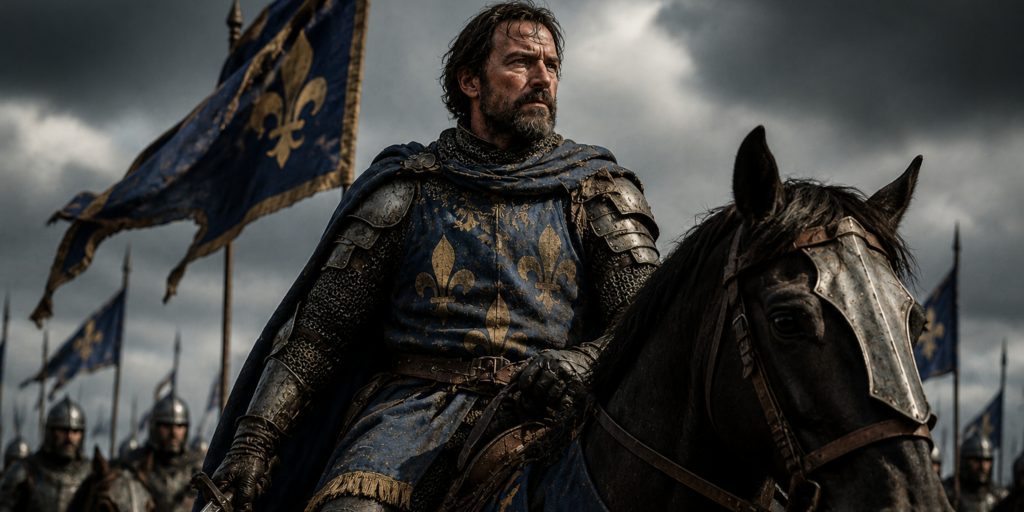
The Philosopher Knight
Most knights fought. Fewer stopped to write seriously about what being a knight actually meant.
Geoffroi de Charny was one of the great thinkers of medieval chivalry. A French knight during the Hundred Years’ War, he wrote influential works exploring honour, courage and knightly behaviour.
His career included:
- Fighting in major campaigns against England
- Becoming a founding member of the Order of the Star
- Carrying the French royal standard, the Oriflamme
- Dying at the Battle of Poitiers in 1356
Charny’s writings reveal a medieval warrior culture obsessed not only with victory, but with reputation.
Of course, medieval knights discussing humility while competing for eternal glory remains one of history’s more entertaining contradictions.
Edward, The Black Prince (1330–1376)
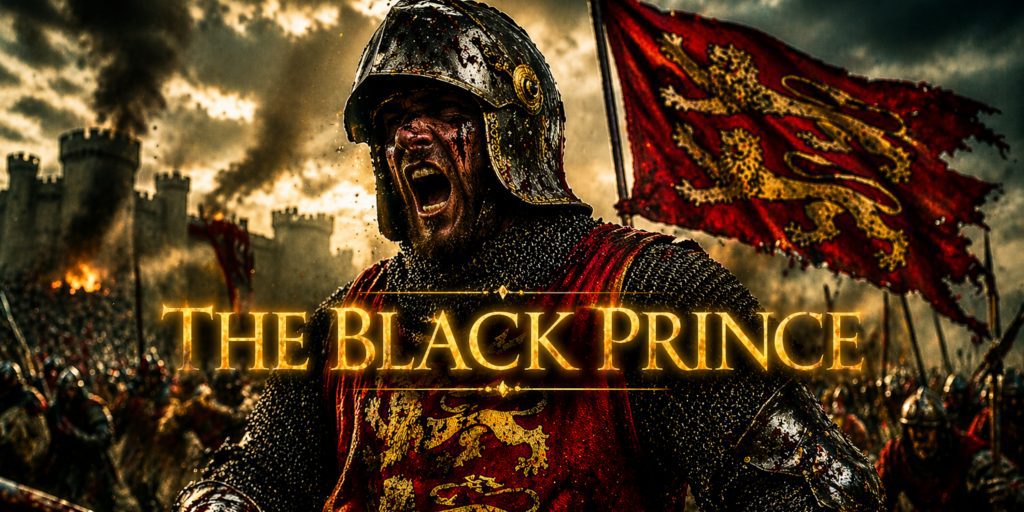
England’s Famous Warrior Prince
Edward of Woodstock, known later as the Black Prince, became one of the most celebrated commanders of the Hundred Years’ War.
He earned fame through victories including:
- Battle of Crécy (1346)
- Battle of Poitiers (1356)
- Campaigns in France and Iberia
He embodied the knightly ideal of his age: brave, aggressive and successful in war.
Modern historians also examine the darker parts of his reputation, particularly the violence associated with his campaigns. Medieval chivalry often existed alongside brutal warfare, something conveniently overlooked in later romantic retellings.
Jean II Le Maingre “Boucicaut” (1366–1421)
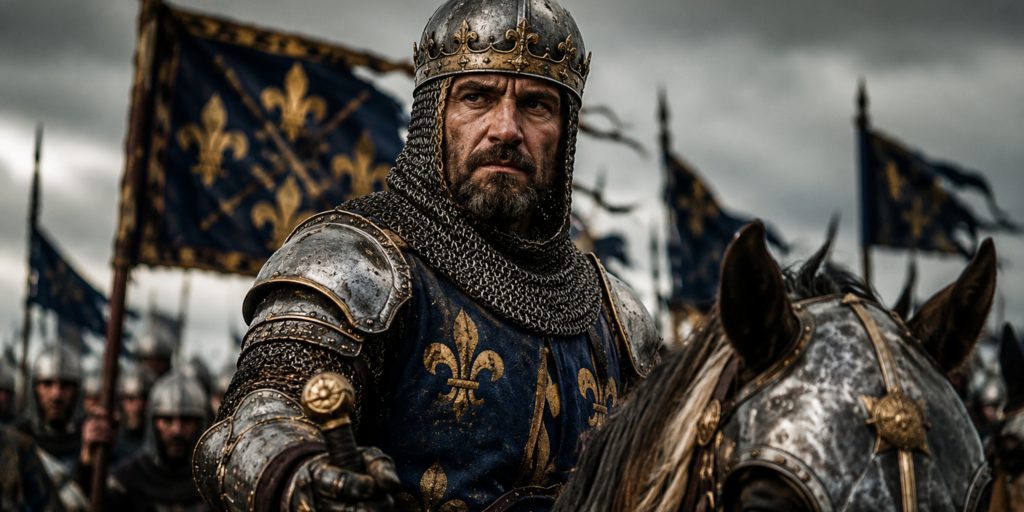
The Last Flower Of Chivalry
Boucicaut became famous as one of France’s greatest late medieval knights.
He was admired for:
- Tournament success
- Physical ability
- Military discipline
- Promotion of knightly ideals
He fought at the Battle of Nicopolis in 1396 and the Battle of Agincourt in 1415, where he was captured by the English.
Boucicaut represents the late medieval knight at a turning point. Personal bravery remained admired, but warfare was changing. Professional infantry, missile weapons and battlefield organisation increasingly challenged traditional knightly dominance.
John Hawkwood (c.1323–1394)
The Mercenary Knight
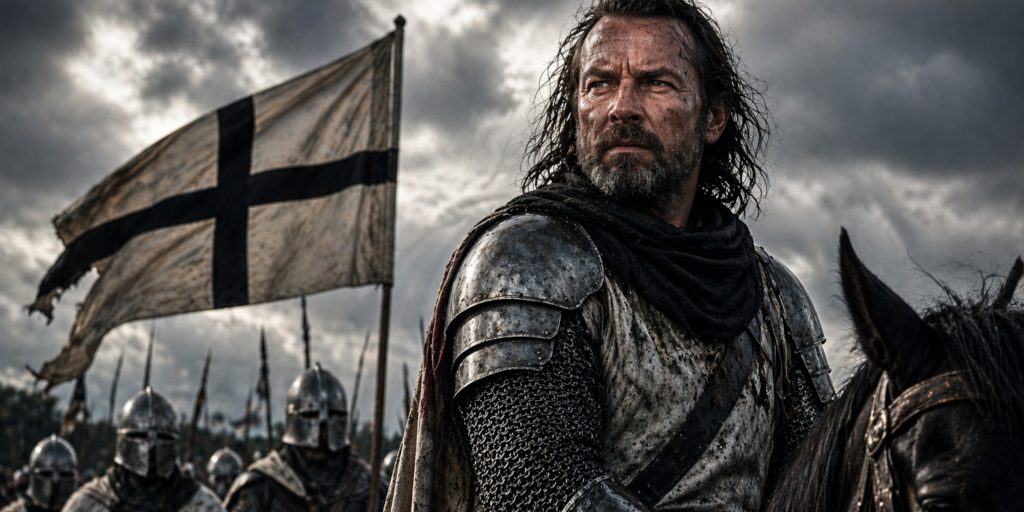
John Hawkwood shows another side of medieval knighthood: the professional soldier.
After serving during the Hundred Years’ War, Hawkwood became one of the most successful condottieri commanders in Italy.
He was known for:
- Leading the White Company
- Mastering mobile warfare
- Serving various Italian powers
- Building a reputation as a disciplined commander
Was he a romantic knight defending noble causes? Not exactly.
Was he extremely effective? Absolutely.
Medieval Europe had plenty of ideals, but it also had bills to pay.
Godfrey Of Bouillon (c.1060–1100)
The Crusader Knight
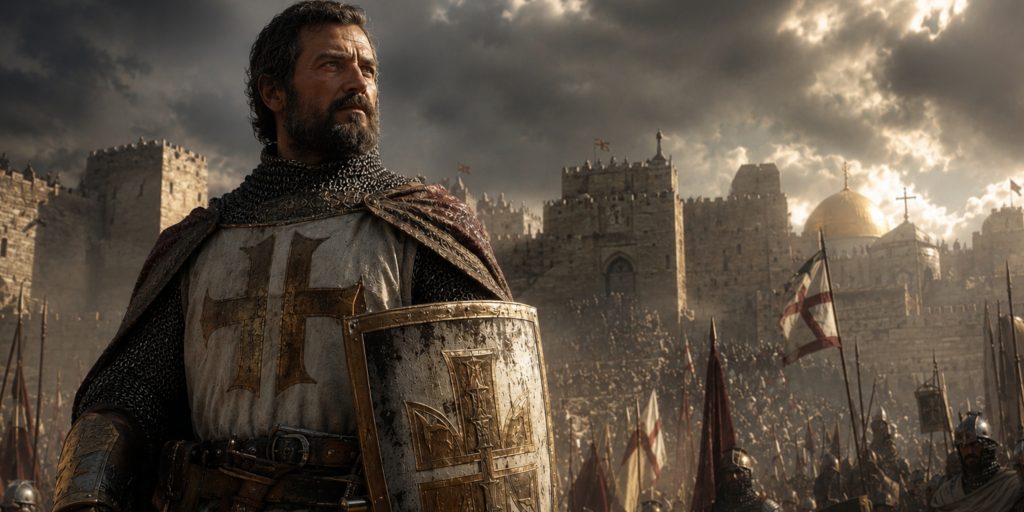
Godfrey of Bouillon became one of the most famous knights of the First Crusade.
His reputation came from:
- Leading crusader forces
- Playing a major role in the capture of Jerusalem in 1099
- Becoming ruler of the new crusader state
Later medieval writers transformed him into one of the Nine Worthies, a group representing ideal examples of chivalric virtue.
Separating the historical commander from centuries of legend is difficult, but his influence on the medieval idea of knighthood was enormous.
Robert Guiscard (c.1015–1085)
The Norman Adventurer
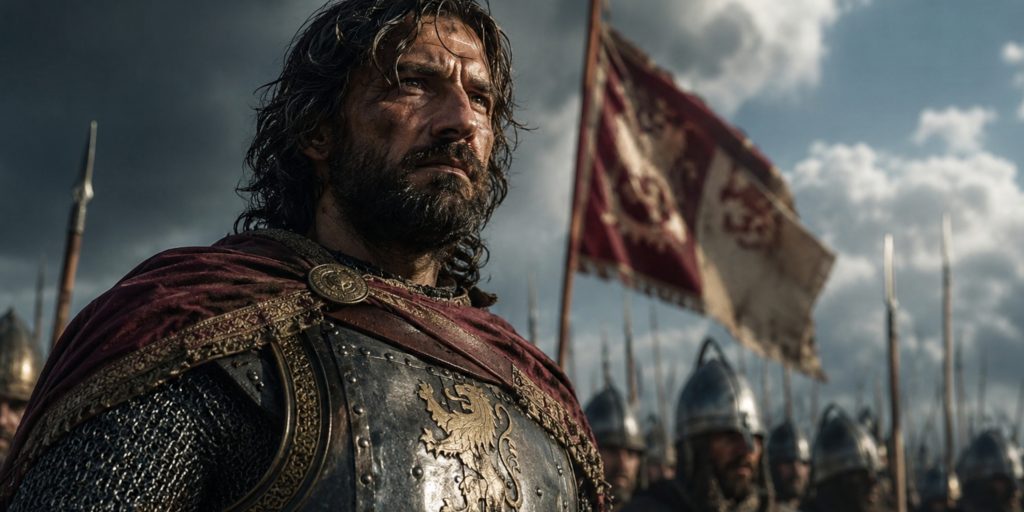
Robert Guiscard was not the polished courtly knight of later romances. He belonged to an earlier, rougher Norman tradition where ambition and military skill mattered more than elegant manners.
He rose from a minor Norman background to become Duke of Apulia and Calabria.
His achievements included:
- Conquering much of southern Italy
- Campaigning against Byzantine forces
- Establishing Norman dominance in the Mediterranean
Guiscard reminds us that medieval knighthood was built by ambitious warriors before poets made everything look cleaner.
How Medieval Knights Actually Fought
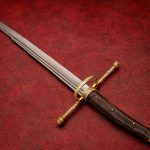
The image of knights constantly duelling with swords is misleading. The sword was important, but it was only part of a knight’s equipment.
Common knightly weapons included:
- Arming swords
- Longswords in the later medieval period
- Lances for cavalry charges
- Maces and war hammers against armour
- Daggers such as the rondel dagger
- Polearms for foot combat
Armour also changed dramatically:
- Mail dominated the early medieval period
- Transitional armour appeared during the 13th and 14th centuries
- Full plate armour developed in the late Middle Ages
A knight was essentially a medieval weapons system, although admittedly one with opinions, family disputes and expensive horses.
The Reality Behind The Legend
The greatest medieval knights were not perfect heroes. They were products of a violent and competitive society where reputation mattered almost as much as survival.
William Marshal represents loyalty and service. El Cid represents adaptability. Du Guesclin represents intelligence over glamour. The Black Prince represents both military brilliance and the uncomfortable brutality of medieval warfare.
The real knight was far more interesting than the fairy tale version: skilled, ambitious, flawed and human.
History rarely gives us shining armour without a few dents.