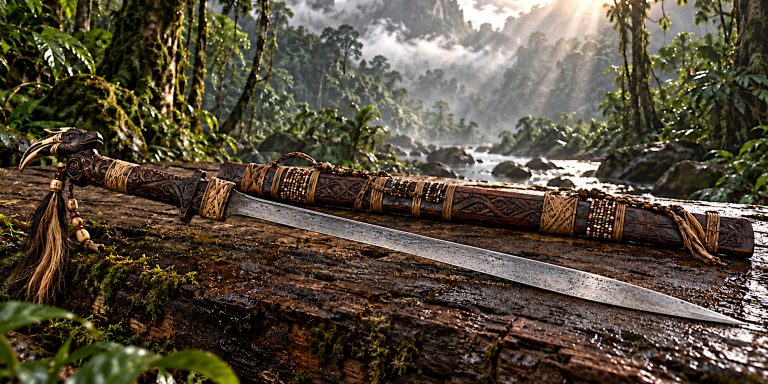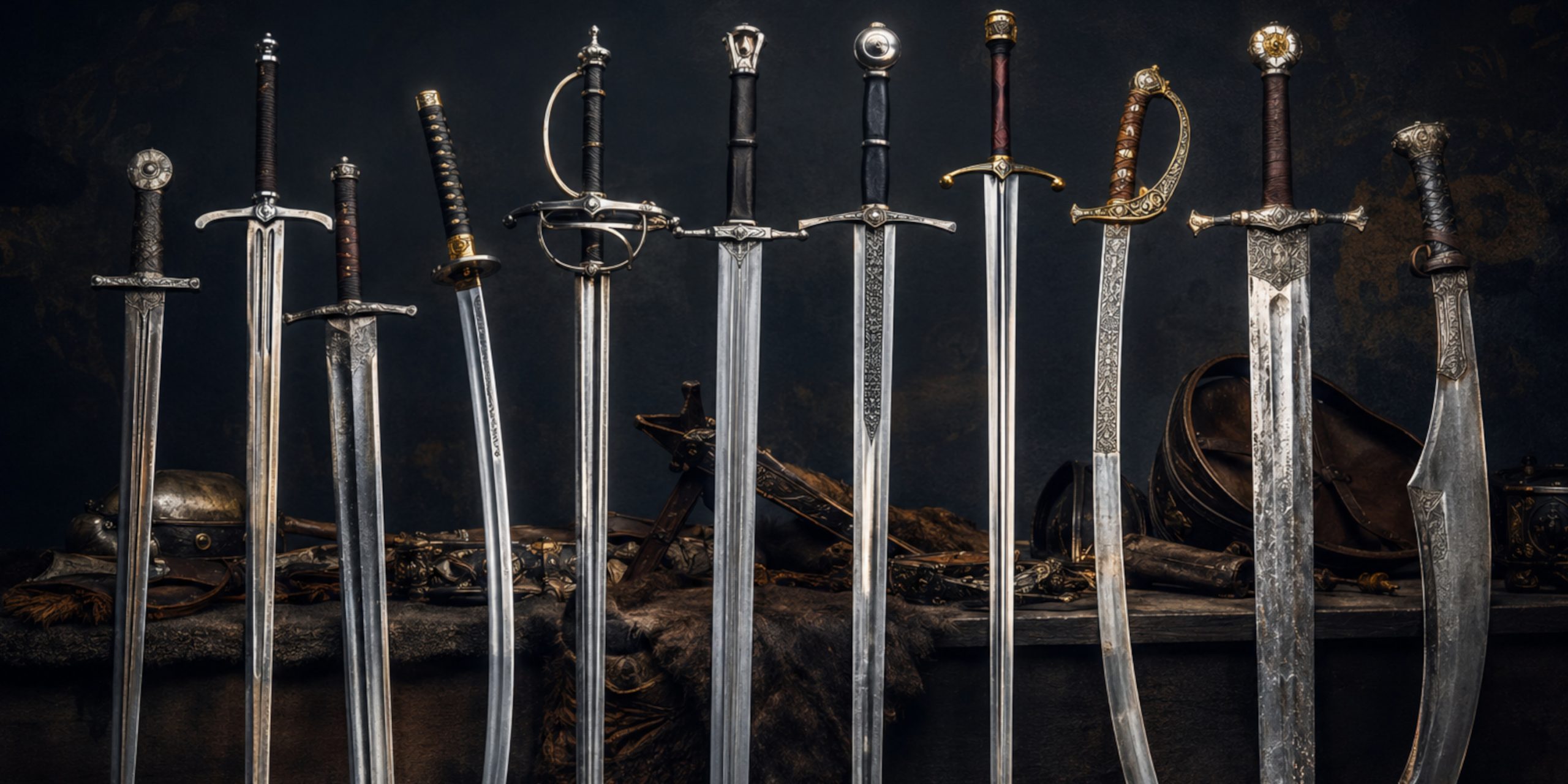
Swords are among humanity’s oldest obsessions. They are tools of war, symbols of authority, ceremonial objects, works of art, and occasionally proof that someone in history looked at a perfectly reasonable weapon and thought, “What if this became far more dangerous for everyone involved?”
Across thousands of years, cultures shaped swords according to their own needs. Some blades evolved for disciplined infantry formations. Others were built for cavalry charges, ritual sacrifice, duelling, or personal prestige. A few seem to have emerged from the sort of fever dream that produces both genius and workplace accidents.
What makes swords endlessly fascinating is that they reveal so much about civilisation itself. Metalworking skill, trade networks, military doctrine, religion, fashion, and social class all leave fingerprints on the blade.
Below is a deeper exploration of sword shapes, materials, purposes, ritual meaning, and the wonderfully strange experiments history occasionally produced.
Straight Double-Edged Swords
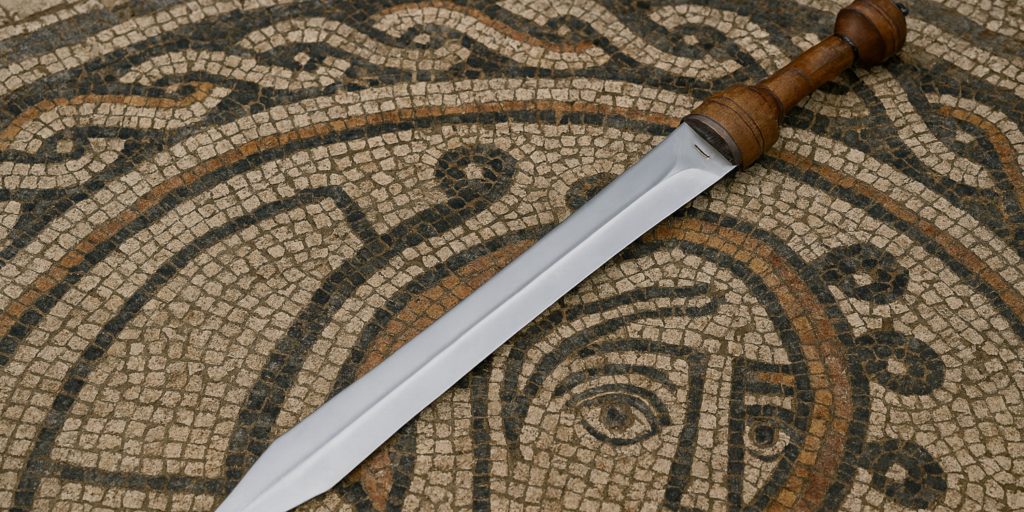
Straight double-edged swords dominated Europe and parts of the ancient Mediterranean because they balanced cutting and thrusting capability.
These weapons were versatile battlefield companions capable of adapting to changing combat conditions.
Famous Examples
Why They Worked
Straight blades align naturally with thrusts, making them effective against armour gaps and formation fighting.
The Roman gladius excelled in close infantry combat, while later medieval longswords evolved into highly adaptable weapons capable of sophisticated fencing techniques.
Despite what films suggest, medieval combat manuals show remarkable technical complexity. Knights were not merely swinging steel in blind fury like angry lumberjacks at a tax dispute.
Curved Swords and Cavalry Warfare
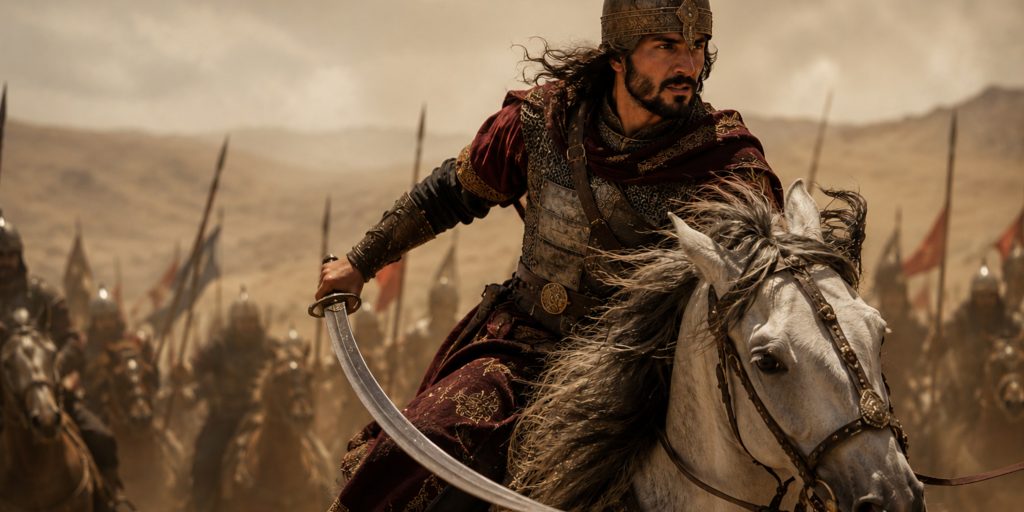
Curved swords flourished in cultures where mounted warfare played a dominant role.
The curve improves slicing efficiency during a moving attack, especially from horseback.
Famous Examples
Purpose
These blades excelled at draw-cutting. Rather than hacking directly downward, the curved edge sliced across the target.
Ottoman and Persian cavalry became particularly associated with these weapons, and many surviving examples are astonishingly ornate.
There is a point where some ceremonial sabres stop looking like weapons and begin resembling jewellery with aggressive intentions.
Japanese Sword Design
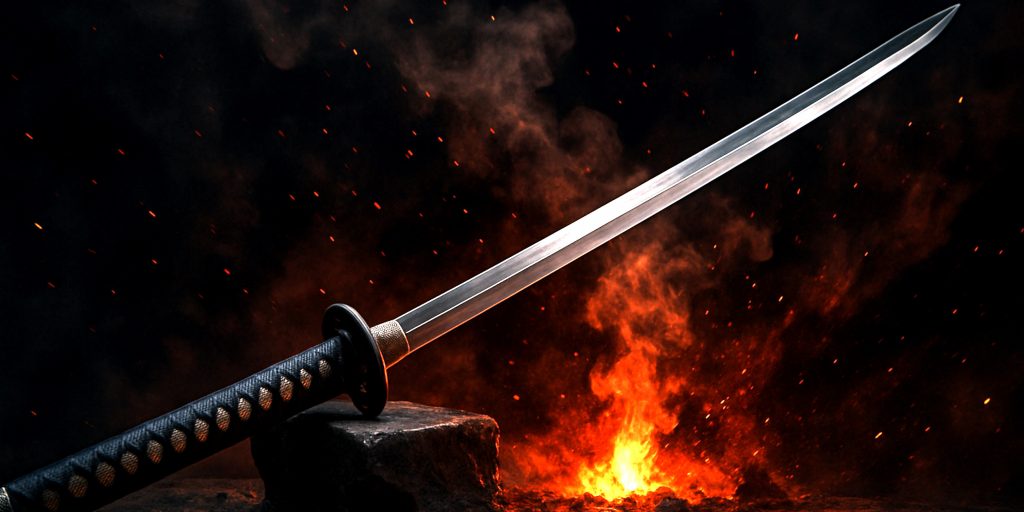
Japanese swords developed under unique metallurgical conditions and became deeply tied to samurai identity.
Key Features
- Curved single-edged blade
- Two-handed grip
- Differential hardening
- Razor-sharp cutting edge
The Art of the Katana
The visible hamon line along the blade comes from differential hardening, where the edge becomes harder than the spine during quenching.
This created a balance between sharpness and flexibility.
Japanese swordsmiths were highly respected craftsmen, sometimes treated almost as spiritual figures. Watching traditional forging today still feels half industrial process, half sacred ritual.
And frankly, after seeing someone spend weeks folding glowing steel with absolute concentration, one understands the reverence.
Heavy Cutting Swords
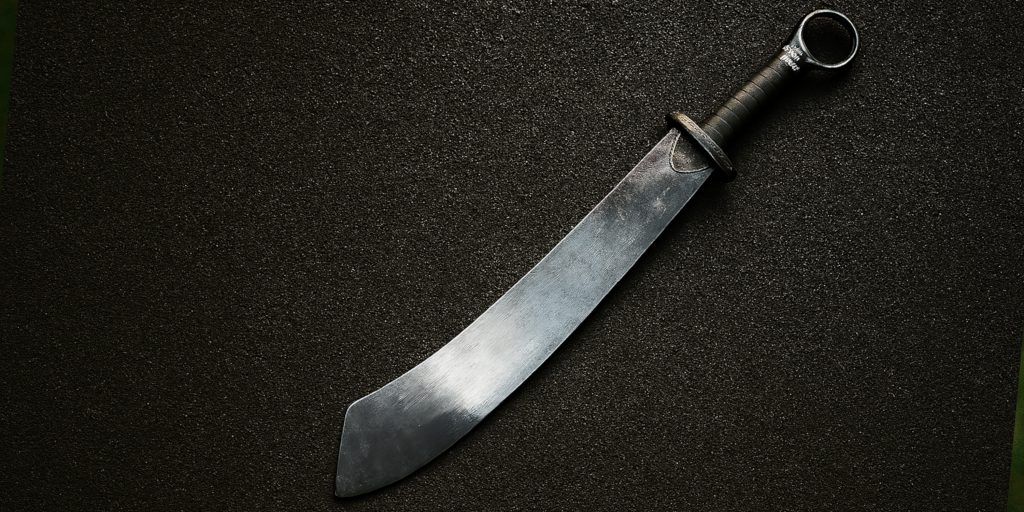
Some swords prioritised raw cutting power above elegance.
These weapons often featured broad blades, forward weight distribution, and intimidating proportions.
Examples
The falchion especially deserves more appreciation. It lacked the aristocratic glamour of knightly swords but was brutally practical.
In many ways, it is the medieval equivalent of turning up to a fencing lesson carrying a shovel and somehow still winning.
Ritual and Ceremonial Swords
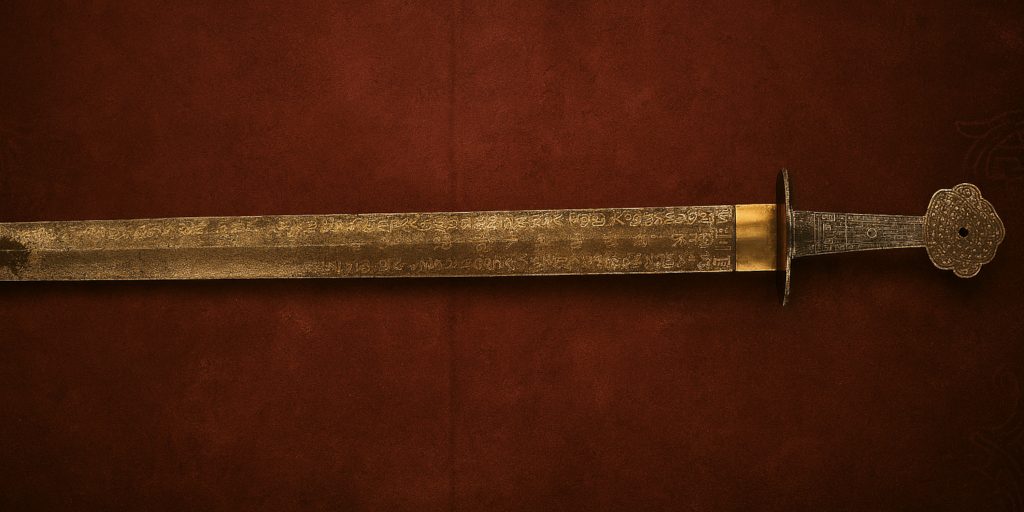
Not all swords were designed for combat.
Many served ceremonial, religious, or symbolic roles across the world.
Ritual Uses
- Coronation ceremonies
- Religious blessings
- Burial offerings
- Symbols of kingship
- Oath-taking rituals
- Temple offerings
In medieval Europe, swords symbolised justice and divine authority. In Japan, certain blades became sacred heirlooms. Across parts of Africa and Southeast Asia, ceremonial swords often carried spiritual associations tied to ancestry and protection.
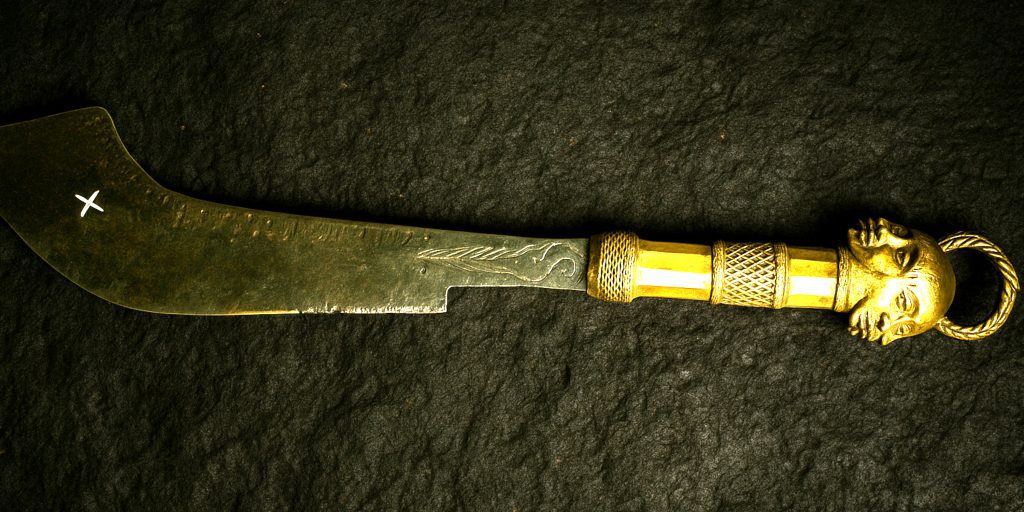
Some ritual swords were deliberately impractical. Massive decorative blades appeared in royal processions not because anyone intended to fight with them, but because rulers have historically enjoyed reminding people they possessed wealth and power.
Subtlety has rarely been a royal priority.
Swords as Art
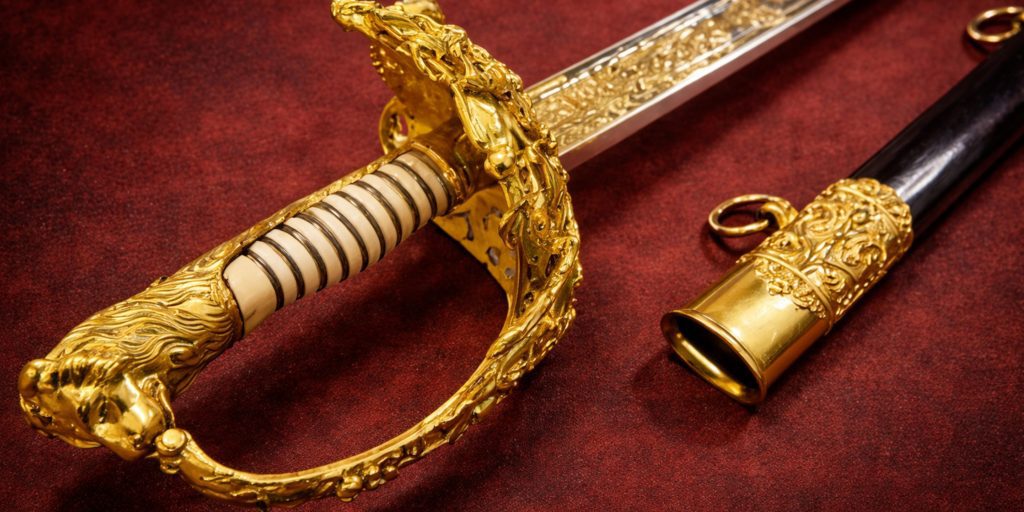
Many swords transcended utility and became masterpieces of craftsmanship.
Artistic Features
- Gold inlays
- Silver wire wrapping
- Jewel-encrusted hilts
- Engraved religious inscriptions
- Pattern-welded designs
- Damascus steel textures
Islamic blades often featured elegant calligraphy. Renaissance rapiers displayed incredibly intricate swept hilts. Viking swords incorporated decorative pattern welding that shimmered in light.
Even practical military swords frequently carried symbolic motifs.
Humans have always had a habit of decorating dangerous objects beautifully. Perhaps it makes mortality feel slightly more sophisticated.
Forged vs Cast Swords
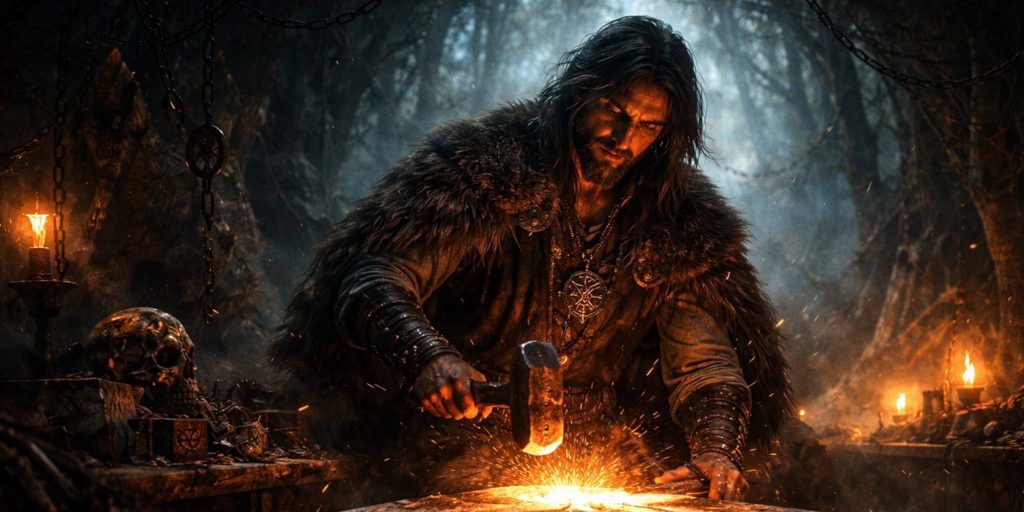
The method used to create a sword dramatically affected its quality and performance.
Forged Swords
Forging involves heating and hammering metal into shape.
This process:
- Strengthens the blade structure
- Refines grain alignment
- Removes impurities
- Improves durability
Most high-quality historical swords were forged.
A skilled smith could carefully balance hardness and flexibility through heat treatment and repeated shaping.
Cast Swords
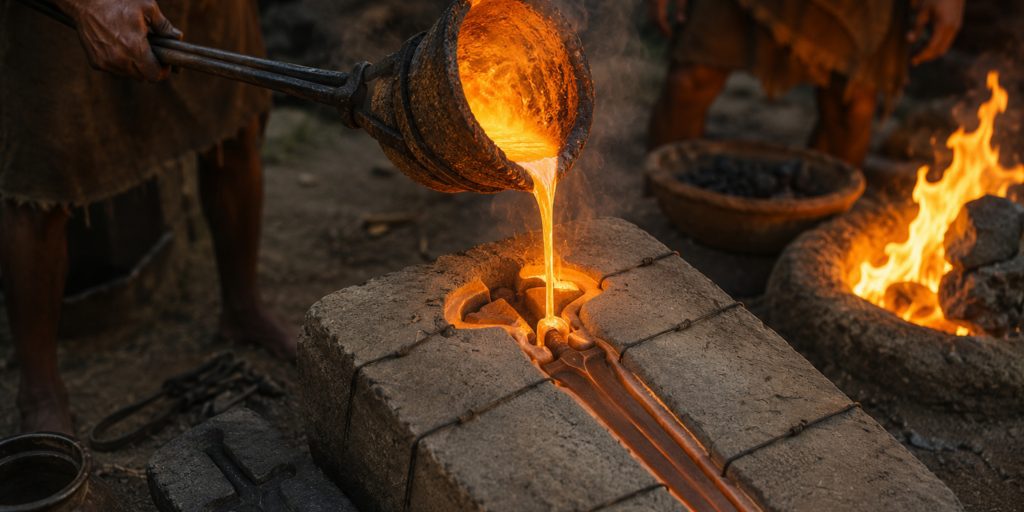
Casting involves pouring molten metal into moulds.
This method was more common with bronze swords in ancient periods because bronze cast relatively well.
However, cast iron swords were generally brittle and unsuitable for reliable combat.
Bronze Age Casting
Many Bronze Age swords were beautifully cast in stone moulds. Some surviving examples remain astonishingly elegant despite being over three thousand years old.
Bronze Age smiths deserve more admiration than they usually receive. Producing functional swords without modern industrial equipment was a remarkable achievement.
The Weirdest Swords Ever Created
History occasionally wandered into wonderfully strange territory.
Some sword designs appear to have emerged from a combination of creativity, desperation, and alarming optimism.
The Urumi Whip Sword
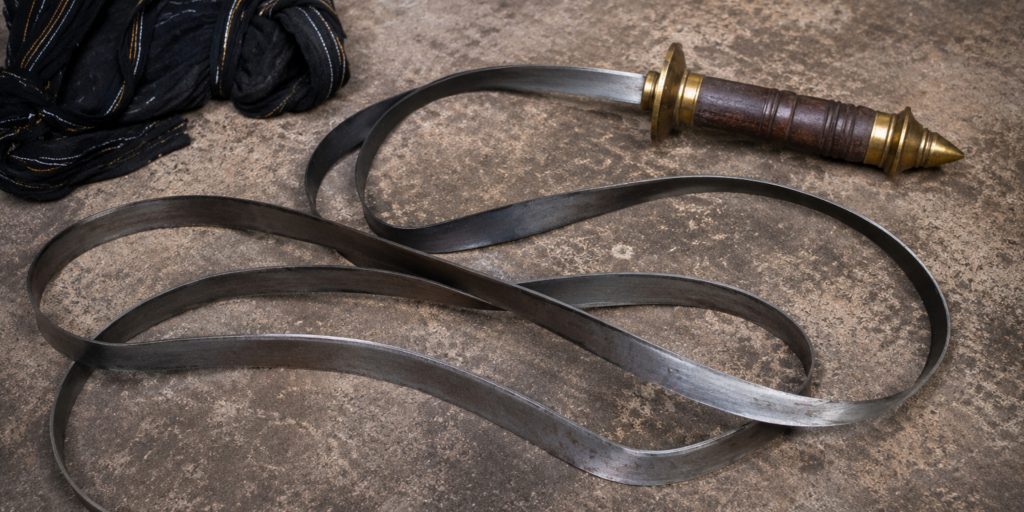
The Indian urumi is one of the most unusual weapons ever created.
It consists of:
- Flexible steel blades
- Whip-like movement
- Waist-worn storage
- Extreme training requirements
The urumi could strike unpredictably from multiple angles, but it was notoriously dangerous to inexperienced users.
Which is a polite historical way of saying it could kill the wielder almost as efficiently as the enemy.
Watching demonstrations today is deeply impressive and mildly stressful.
The Gauntlet Sword
Gauntlet swords combined armoured gloves with projecting blades attached directly to the hand.
Some designs resembled weapons from fantasy fiction centuries before fantasy fiction existed.
They sacrificed reach and versatility for aggressive close-quarters capability and intimidation.
Sword Breakers
Certain Renaissance blades featured notched sides intended to trap and control an opponent’s sword.
Whether they worked consistently remains debated, though they certainly looked dramatic.
And throughout history, if a weapon looked dramatic enough, someone would absolutely carry it regardless of practicality.
Materials That Changed Sword History
Sword quality depended heavily on metallurgy.
Important Historical Materials
| Material | Region | Characteristics |
|---|---|---|
| Bronze | Ancient world | Castable, softer than steel |
| Iron | Worldwide | Durable but prone to impurities |
| Pattern-welded steel | Europe | Flexible and decorative |
| Wootz steel | India/Persia | Exceptional edge quality |
| Tamahagane | Japan | Refined traditional steel |
| High-carbon steel | Late medieval Europe | Reliable battlefield performance |
Superior metallurgy often became legendary. Damascus steel in particular gained near-mythical status among medieval travellers.
Admittedly, when your sword develops flowing wave patterns naturally, people are going to start telling stories about it.
Why Sword Shapes Changed Across the World
Sword evolution reflected practical realities:
- Armour technology
- Cavalry warfare
- Climate and terrain
- Available materials
- Social status
- Religion and ceremony
- Civilian self-defence
Every blade represented compromise.
A rapier excelled in duelling but poorly on chaotic battlefields. A heavy cavalry sabre thrived from horseback but lacked thrusting precision against armour.
No sword was universally perfect.
That, oddly enough, is what makes them so compelling.
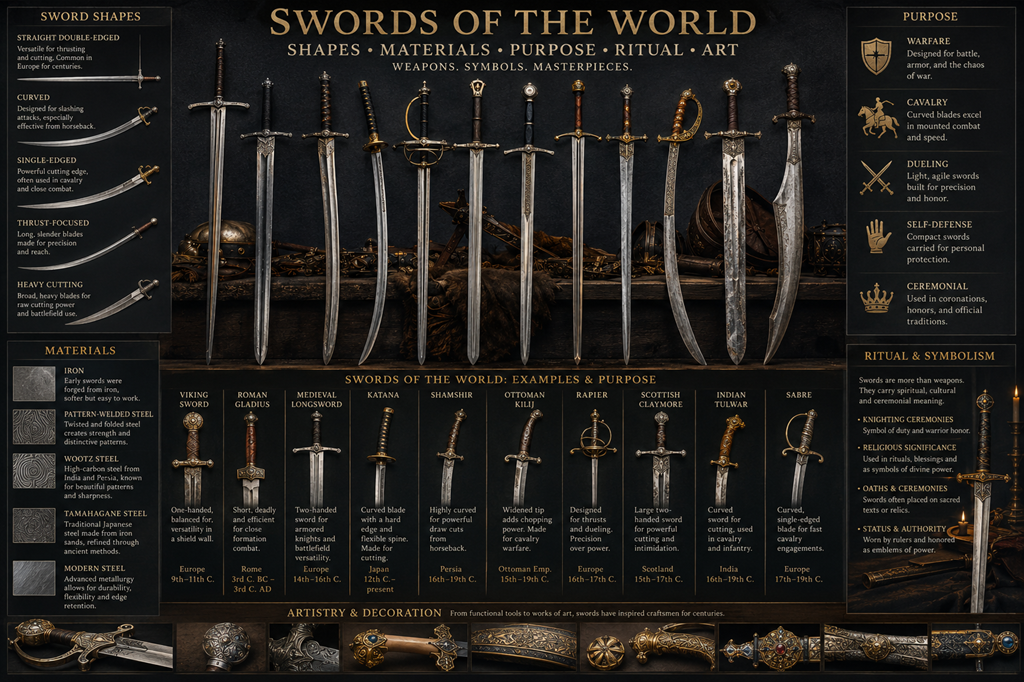
Sword Types list from around the world
| Sword Name | Type | Primary Use |
|---|---|---|
| Longsword | Straight double-edged | Medieval warfare and armoured combat |
| Arming Sword | One-handed straight sword | Knightly sidearm |
| Viking Sword | Early medieval straight sword | Shield-wall combat |
| Gladius | Short thrusting sword | Roman infantry warfare |
| Spatha | Long Roman sword | Cavalry and later infantry use |
| Katana | Curved single-edged sword | Samurai combat |
| Tachi | Curved cavalry sword | Mounted samurai warfare |
| Wakizashi | Short companion sword | Backup weapon and self-defence |
| Nodachi | Large two-handed sword | Open battlefield combat |
| Jian | Straight double-edged Chinese sword | Martial arts and duelling |
| Dao | Curved Chinese sabre | Military combat |
| Zhanmadao | Large anti-cavalry sword | Infantry defence against horses |
| Kilij | Ottoman curved sword | Cavalry slashing attacks |
| Shamshir | Persian curved sword | Fast mounted combat |
| Tulwar | Indian curved sword | Cavalry and infantry warfare |
| Urumi | Flexible whip sword | Advanced martial arts weapon |
| Khanda | Broad straight Indian sword | Ceremonial and battlefield use |
| Kopis | Forward-curved Greek sword | Cavalry cutting attacks |
| Xiphos | Greek straight sword | Hoplite sidearm |
| Falcata | Iberian curved sword | Heavy chopping combat |
| Falchion | Single-edged chopping sword | Infantry warfare |
| Messer | Large knife-sword hybrid | Civilian defence and combat |
| Estoc | Narrow thrusting sword | Piercing plate armour |
| Rapier | Slender thrusting sword | Renaissance duelling |
| Smallsword | Lightweight court sword | Civilian self-defence |
| Sabre | Curved cavalry sword | Mounted warfare |
| Cutlass | Short naval sword | Boarding actions at sea |
| Claymore | Large Scottish greatsword | Highland warfare |
| Basket-Hilt Broadsword | Scottish basket-hilted sword | Infantry and duelling |
| Zweihänder | Massive two-handed sword | Breaking pike formations |
| Flamberge | Wavy-bladed greatsword | Psychological and battlefield use |
| Cinquedea | Broad Renaissance sword | Civilian carry and status |
| Schiavona | Basket-hilt Venetian sword | Military and guard use |
| Katzbalger | Short Landsknecht sword | Close-quarter combat |
| Seax | Large single-edged blade | Utility and combat |
| Yatagan | Ottoman recurved sword | Infantry sidearm |
| Flyssa | North African sabre | Tribal warfare |
| Nimcha | Moroccan curved sword | Cavalry and ceremonial use |
| Kaskara | Sudanese straight sword | Warfare and prestige |
| Takoba | Tuareg straight sword | Desert combat and status |
| Mambele | African throwing sword | Throwing and close combat |
| Macuahuitl | Wooden sword with obsidian blades | Aztec warfare |
| Tegha | Heavy Sikh curved sword | Religious and military use |
| Pata | Indian gauntlet sword | Armoured close combat |
| Firangi | Indian long straight sword | Cavalry warfare |
| Shotel | Ethiopian curved sword | Reaching around shields |
| Parang Nabur | Southeast Asian curved sword | Slashing combat |
| Kampilan | Filipino long sword | Tribal warfare |
| Talibong | Filipino machete-style sword | Utility and combat |