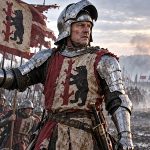
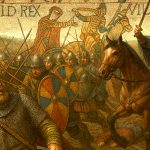
Smoke, Steel and an Extraordinary Amount of Planning
Stand beside a line of musketeers as they unleash a volley and you quickly understand why historical re-enactment captivates so many people. The sharp crack of black powder, the drifting smoke, the steady beat of drums and the sight of soldiers advancing in period dress create an atmosphere that feels astonishingly authentic. It is about as close as most of us would ever wish to come to witnessing history unfold.
That realism, however, often prompts the same question from first-time visitors.
Is this actually safe?
It is a fair question. After all, re-enactments involve steel swords, black powder firearms, artillery, cavalry and large groups of people moving across uneven ground. To the untrained eye it can look wonderfully chaotic.
The reality is rather different.
Historical re-enactment is one of the most carefully managed forms of public historical interpretation. Every public battle represents months of preparation, detailed planning, extensive training and rigorous safety procedures. Modern organisers work incredibly hard to recreate the appearance of historical warfare while removing as much genuine danger as reasonably possible.
As a historian, I find this oddly reassuring. We spend years studying battles that were chaotic, brutal and often tragically wasteful. Modern re-enactors preserve those stories without recreating the suffering that accompanied them. It may not be entirely authentic, but I suspect most medieval soldiers would have appreciated the concept if someone had explained risk assessments to them.
Are Historical Re-enactment Battles Safe?
The simple answer is yes.
No physical activity is completely free from risk, but organised historical re-enactment has developed an impressive safety culture over several decades. Across the United Kingdom, thousands of people take part in public displays every year, with the overwhelming majority of events passing without serious incident.
Minor injuries can and do occur. Bruises, blisters, sprained ankles and muscle strains are far more common than injuries involving weapons. Most participants would tell you that carrying thirty kilograms of armour around a field on a warm July afternoon presents a much greater challenge than crossing swords with another experienced fighter.
Safety is achieved through several layers of protection.
These include:
- Formal risk assessments
- Mandatory training
- Equipment inspections
- Experienced marshals
- First aid provision
- Public liability insurance
- Strict rules governing weapons and combat
Every reputable re-enactment society places participant welfare above historical accuracy.
That principle underpins everything else.
How Events Are Planned Before Anyone Takes the Field
Visitors usually arrive shortly before the battle begins.
Organisers have often been working since dawn.
Before a single musket is loaded or a sword drawn, organisers inspect the site to identify potential hazards and ensure the battlefield is suitable for public use.
Preparations commonly include:
- Walking the battlefield to identify uneven ground
- Marking rabbit holes, loose stones and hidden ditches
- Establishing emergency vehicle access
- Creating spectator exclusion zones
- Positioning first aid teams
- Fire safety planning
- Communication systems between marshals
- Weather monitoring
The event itself also undergoes a formal risk assessment in accordance with UK health and safety legislation.
If conditions become unsafe, whether through severe weather, damaged equipment or an unexpected hazard, organisers have the authority to delay or cancel displays.
That may disappoint visitors.
It is considerably preferable to disappointing an ambulance crew.
The Safety Culture Within Historical Re-enactment
One of the biggest surprises for newcomers is how seriously participants treat safety.
Experienced members spend years learning their craft, mentoring newcomers and maintaining equipment. Dangerous behaviour is not admired. It is discouraged remarkably quickly.
Most societies operate on a culture of shared responsibility.
Every participant is expected to:
- Inspect their own equipment
- Report damaged weapons
- Follow battlefield commands
- Respect minimum safety distances
- Stop immediately if instructed by a marshal
- Raise concerns if another participant appears unsafe
This cooperative approach helps explain why serious accidents remain relatively uncommon despite the dramatic appearance of many events.
Steel Weapons and Controlled Combat
Perhaps no aspect of re-enactment causes more concern than the swords.
Fortunately, appearances can be deceptive.
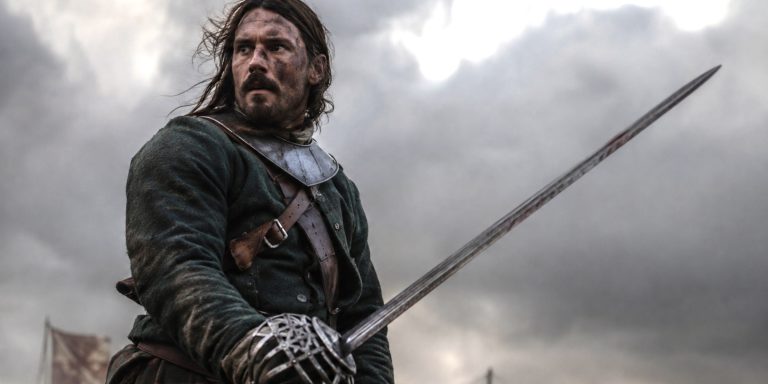
The swords used by reputable societies are genuine steel weapons, but they are purpose-built for controlled historical combat. Unlike sharp replicas intended for display or cutting practice, re-enactment swords feature rounded tips, blunted cutting edges and construction designed to withstand repeated contact.
Before every event, weapons are inspected for:
- Cracks
- Loose guards or pommels
- Sharp burrs
- Structural fatigue
- Excessive flexibility
Any weapon showing signs of damage is removed from use immediately.
Combat itself follows carefully established rules.
Participants learn:
- Safe striking techniques
- Approved target areas
- Distance control
- Timing
- Controlled power
- Emergency stop procedures
Most societies either prohibit thrusting attacks entirely or place severe restrictions upon them because they carry a much greater risk than controlled cuts.
To spectators the exchanges may appear spontaneous.
In reality they rely upon trust, communication and hundreds of hours of practice.
Black Powder Firearms and Musket Safety
The rolling volleys of muskets are among the defining sights and sounds of historical re-enactment.
Despite their age, black powder firearms demand the same respect today that they did centuries ago.
Modern displays use blank charges only.
No projectiles are fired.
Even so, blank-firing weapons still produce intense heat, pressure, flame and noise. Improper handling could result in injury, which is why societies establish strict procedures governing their use.
Typical safety measures include:
- Measured powder charges
- Blank cartridges only
- Routine inspection of barrels and locks
- Clearly defined firing arcs
- Minimum spectator distances
- Misfire procedures
- Supervision by experienced officers
Participants are trained to understand loading drills, safe handling and emergency procedures before taking part in public demonstrations.
One point worth remembering is that even a blank cartridge should never be regarded as harmless. The gases expelled from the muzzle can cause injury at close range, which explains why firing distances are carefully controlled.
Historical accuracy is important.
Pointing a musket directly into someone’s face is not.
Artillery, Cannon Fire and Battlefield Pyrotechnics
Nothing captures the attention of a crowd quite like a cannon.
The ground shakes, smoke billows across the field and conversations stop instantly.
Behind that impressive display lies an extraordinary amount of discipline.
Artillery crews undergo specialist training and follow established loading procedures that minimise risk while preserving historical authenticity.
Common safety measures include:
- Designated loading crews
- Controlled powder charges
- Clearly marked exclusion zones
- Fire extinguishing equipment
- Hearing protection where appropriate
- Safety inspections before each firing sequence
Black powder itself is regulated under UK legislation covering explosives, storage and transport. Reputable organisations comply with these legal requirements and often work closely with local authorities when organising larger public events.
Some events also use theatrical pyrotechnics to simulate explosions on the battlefield. These effects are planned in advance and positioned away from spectators and participants.
The explosion may last only a second.
Planning for it may have taken several months.
Why Black Powder Demands Respect
Black powder is one of the oldest propellants still used today, and it behaves very differently from modern smokeless powders.
It ignites rapidly, produces significant smoke and leaves residue inside the firearm after repeated firing.
For that reason, participants routinely clean and inspect their weapons throughout an event.
Misfires follow predetermined safety procedures rather than hurried improvisation.
Nobody enjoys waiting while a musket is checked after a failed ignition.
Everyone enjoys the alternative considerably less.
Cavalry Displays and Horse Safety
One of the most spectacular moments in any historical re-enactment is the arrival of cavalry. Whether it is a Norman knight lowering his lance, a Civil War cavalryman charging across open ground or a Napoleonic officer leading mounted troops, horses add movement and scale that foot soldiers simply cannot match.
They also introduce another level of responsibility.
Horses are highly sensitive animals. Loud explosions, waving banners, shouting crowds and clouds of black powder smoke are hardly ideal surroundings for an inexperienced mount. As a result, cavalry displays rely upon animals that have been carefully trained to remain calm in busy environments.
Riders are equally scrutinised.
Most established societies expect mounted participants to demonstrate competence both in horsemanship and historical display before appearing in front of the public.
Safety procedures often include:
- Careful assessment of the battlefield surface
- Safe separation between horses and spectators
- Controlled riding speeds
- Clear communication between mounted and foot units
- Pre-arranged routes and manoeuvres
- Veterinary support where appropriate
Hollywood often portrays horses crashing headlong into infantry formations.
Real re-enactments wisely avoid this.
Mounted charges are carefully choreographed to create the illusion of impact without placing riders, horses or infantry at unnecessary risk.
The Battlefield Itself Can Be the Greatest Hazard
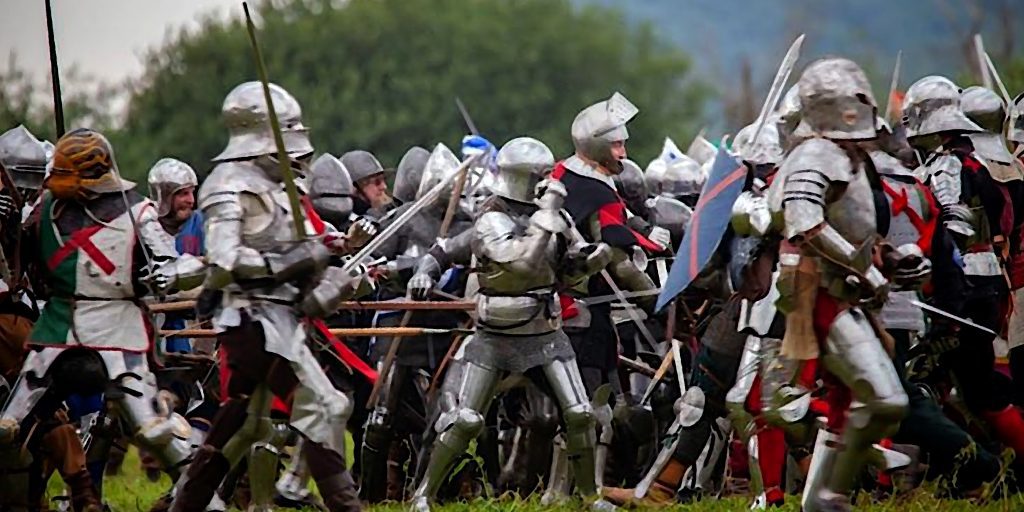
Ironically, many experienced re-enactors worry less about swords than they do about the ground beneath their feet.
Historic battlefields rarely came with neatly maintained paths, and modern fields are no different.
Uneven terrain presents a constant challenge, particularly when participants are carrying heavy equipment or wearing restricted footwear.
Common environmental hazards include:
- Rabbit holes
- Hidden tree roots
- Loose stones
- Wet grass
- Mud
- Steep slopes
- Long vegetation concealing uneven ground
These hazards become more significant when visibility is reduced by smoke from black powder weapons.
Battlefield inspections before public displays are therefore an essential part of event planning.
Potential hazards are identified, discussed during safety briefings and, where possible, marked or avoided altogether.
Weather Can Be a Greater Enemy Than the Opposition
Anyone who has worn chainmail during a British summer will quickly discover that medieval armour was not designed with modern comfort in mind.
Heat presents one of the most common welfare concerns at outdoor events.
Heavy clothing, helmets and armour restrict airflow and increase physical exertion. Even on relatively mild days, participants can become dehydrated surprisingly quickly.
Organisers therefore encourage:
- Regular hydration
- Scheduled rest periods
- Monitoring for signs of heat exhaustion
- Removal from combat if participants appear unwell
Cold weather creates its own challenges.
Rain can make the battlefield slippery, while prolonged exposure increases the risk of hypothermia during winter events.
One of history’s greatest military opponents has always been the weather.
Britain remains determined to preserve that tradition.
Armour Helps, But It Is Not Invincible
Historical armour provides a degree of protection, but it should never be regarded as modern personal protective equipment.
Mail, helmets and plate armour can reduce the effects of accidental contact, yet they cannot eliminate every risk.
Many participants also wear discreet modern safety equipment beneath their historical clothing, particularly during more physically demanding demonstrations.
Examples include:
- Gum shields
- Knee supports
- Modern footwear concealed beneath gaiters
- Protective gloves
- Padded undergarments beneath armour
These additions may not be entirely authentic.
Neither is visiting the Accident and Emergency department dressed as a fifteenth century man-at-arms.
Marshals Are the Quiet Heroes of Every Event
Spectators naturally focus on the combat.
Experienced re-enactors often pay more attention to the marshals.
Marshals oversee every aspect of battlefield safety and possess the authority to stop demonstrations immediately if necessary.
Their responsibilities typically include:
- Monitoring participant behaviour
- Inspecting equipment
- Maintaining safe distances
- Watching for damaged weapons
- Responding to injuries
- Coordinating emergency responses
- Managing communication across the battlefield
Participants are expected to obey marshal instructions without hesitation.
This culture of discipline is one of the defining strengths of organised historical re-enactment.
Medical Cover and Emergency Planning
Every reputable public event prepares for emergencies, even though organisers hope they will never occur.
Depending upon the size of the event, medical provision may include:
- Qualified first aid teams
- Ambulance crews
- Defibrillators
- Burn treatment equipment
- Emergency evacuation routes
- Communication systems linking marshals and medics
Large events often establish clearly identified medical points that remain accessible throughout the day.
Emergency planning also considers issues that spectators rarely notice, including vehicle access, crowd evacuation routes and communication with local emergency services.
Fortunately, serious injuries remain uncommon.
Most medical treatments involve relatively minor conditions such as sprains, bruises, blisters, dehydration or heat exhaustion.
Insurance and Legal Responsibilities
Historical re-enactment is not simply a gathering of enthusiasts in costume.
Public events operate within a legal framework that protects participants, organisers and spectators alike.
Most established societies carry public liability insurance and require members to comply with detailed safety regulations.
Organisers must also consider:
- Health and safety legislation
- Risk assessments
- Fire safety
- Explosives legislation where applicable
- Local authority requirements
- Landowner permissions
These legal obligations help ensure that events remain professionally managed rather than relying solely upon goodwill.
Historical Re-enactment Compared With Other Combat Activities
People often confuse historical re-enactment with other historical combat hobbies.
In reality, each discipline has different objectives and safety requirements.
| Activity | Main Focus | Typical Contact Level |
|---|---|---|
| Historical Re-enactment | Public history and education | Low to moderate |
| HEMA | Historical martial arts | Moderate to high |
| Buhurt | Full contact armoured sport | High |
| LARP | Storytelling and role-playing | Very low |
Historical European Martial Arts, commonly known as HEMA, focuses on interpreting historical fencing manuals through competitive sparring and technical training.
Buhurt is a modern combat sport featuring full contact fighting in steel armour.
Living history and re-enactment place much greater emphasis on historical interpretation, education and public display than on defeating an opponent.
Although all three involve historical equipment, they should not be regarded as interchangeable activities.
Common Misconceptions About Re-enactment Safety
“The weapons are fake.”
No.
Most weapons are genuine steel reproductions built specifically for controlled historical combat.
“The battles are completely improvised.”
Quite the opposite.
Large demonstrations rely upon detailed planning, rehearsals and agreed battle sequences.
“Anyone can join and fight.”
Most societies expect new members to complete training before taking part in public combat displays.
Many newcomers spend their first events observing, learning and helping around the camp before stepping onto the battlefield.
“It is more dangerous than rugby.”
The comparison is not straightforward, but organised historical re-enactment places enormous emphasis on preventing injuries through planning, supervision and controlled combat.
For many participants, twisted ankles caused by uneven ground are considerably more common than injuries involving weapons.
Thinking About Joining?
If historical re-enactment has captured your imagination, the best place to begin is with an established society.
Experienced members are usually delighted to introduce newcomers to the hobby and explain the equipment, expectations and training involved.
Good advice for beginners includes:
- Visit several events before choosing a society.
- Never buy expensive equipment immediately.
- Attend beginner training sessions.
- Learn battlefield etiquette.
- Listen carefully to experienced members.
- Ask questions whenever you are unsure.
Nobody expects perfection on your first day.
Most veterans still remember putting a helmet on backwards or forgetting which pocket contained the musket cartridges.
Some memories remain gloriously difficult to outlive.
Frequently Asked Questions
Can spectators be injured during a historical re-enactment?
The risk is extremely low at professionally organised events.
Public viewing areas are carefully positioned away from combat zones, artillery positions and cavalry manoeuvres. Safety barriers, exclusion zones and marshals help ensure spectators remain at a safe distance throughout the day.
Visitors should always follow instructions from event staff and avoid entering restricted areas, even after the battle has ended.
Are the swords real?
Yes.
Most re-enactment swords are real steel reproductions, but they are manufactured specifically for historical combat rather than cutting. Edges are blunt, points are rounded and weapons undergo regular inspections to identify damage before they are used.
Decorative display swords or sharpened replicas are generally prohibited during combat demonstrations.
Do re-enactors use live ammunition?
No.
Black powder firearms used during public displays fire blank charges only and never projectiles.
Although no bullet leaves the barrel, blank-firing weapons are still potentially dangerous at close range because of the hot gases and burning residue produced when fired. That is why strict safety distances and loading procedures are always followed.
How often do serious injuries happen?
Serious injuries are uncommon at established re-enactment events.
Most reported incidents involve relatively minor problems such as:
- Bruises
- Blisters
- Muscle strains
- Sprained ankles
- Heat exhaustion
- Minor cuts
The structured nature of organised events, combined with equipment inspections and trained marshals, helps keep accident rates low.
Can children take part?
Many societies actively encourage family participation.
Children often become involved through living history displays, traditional crafts, music, camp life and educational activities rather than battlefield combat.
Where younger participants do take part in demonstrations, their involvement is closely supervised and subject to age-specific safety rules.
Do participants receive training?
Absolutely.
Training forms the foundation of every reputable re-enactment society.
New members typically learn:
- Safe weapon handling
- Battlefield etiquette
- Historical drill
- Camp safety
- Emergency procedures
- Event regulations
Experienced members continue to practise throughout the year, refining both historical authenticity and safe working practices.
Are there legal requirements for organisers?
Yes.
Public events in the United Kingdom must comply with a range of legislation covering health and safety, risk assessments, fire precautions and, where appropriate, the storage and use of black powder.
Organisers also work closely with landowners, local authorities and emergency services when planning larger public events.
Why Safety Has Improved Over the Years
Historical re-enactment has changed considerably since organised societies first appeared during the twentieth century.
Early events were often organised by enthusiastic volunteers with relatively simple safety procedures. As the hobby expanded, organisers recognised the need for more consistent standards.
Today, most established societies have comprehensive rules covering:
- Weapons
- Armour
- Black powder
- Artillery
- Cavalry
- Medical provision
- Training
- Insurance
- Risk assessments
- Participant conduct
The result is a hobby that has become steadily more professional without losing its enthusiasm for bringing history to life.
In many respects, the modern re-enactment community has learned the same lesson that successful medieval commanders eventually discovered.
Preparation usually wins the day.
The Educational Value of Re-enactment
Safety may not be the most glamorous topic, but it plays a vital role in preserving one of the greatest strengths of historical re-enactment.
Done well, living history allows visitors to experience aspects of the past that books alone cannot convey.
Watching a pike block advance, hearing the crack of a musket volley or seeing a blacksmith at work offers a sense of scale that is difficult to appreciate through written descriptions alone.
Schools, museums and heritage organisations increasingly work alongside re-enactment societies because these displays encourage curiosity and make history accessible to wider audiences.
The fact that this can be achieved safely is one of the hobby’s greatest achievements.
Takeaway
Historical battle re-enactment occupies a fascinating place between education, performance and experimental archaeology.
It asks participants to recreate some of humanity’s most violent moments while embracing thoroughly modern ideas about safety, cooperation and mutual respect.
As a historian, I find that contrast strangely comforting.
The battles themselves may depict conflict, but the communities behind them are built upon teamwork, craftsmanship and a shared passion for understanding the past.
No responsible organiser wants to recreate the casualties of Agincourt, Towton or Waterloo.
They want to recreate the experience, the atmosphere and the lessons those battles still have to teach.
If that means quietly replacing a historically accurate but dangerous practice with a safer alternative, I doubt many medieval soldiers would object. Given the choice between authenticity and visiting a modern hospital, I suspect even the toughest knight would suddenly discover an enthusiasm for health and safety.
Perhaps that is the greatest success of historical re-enactment.
It reminds us that history deserves to be remembered, studied and experienced.
It does not need to be repeated.
Further Reading and Official Sources
For readers interested in learning more about historical re-enactment safety, event management and UK legislation, the following organisations provide reliable guidance.
UK Health and Safety Executive
General guidance on planning and managing public events safely.
https://www.hse.gov.uk/event-safety
National Association of Re-enactment Societies (NAReS)
The representative body for many UK historical re-enactment societies, offering guidance on safety, black powder, insurance and legislation.
Health and Safety at Work etc. Act 1974
The primary legislation governing health and safety responsibilities in the workplace and at organised events.
https://www.legislation.gov.uk/ukpga/1974/37/contents
Management of Health and Safety at Work Regulations 1999
Guidance relating to risk assessments and health and safety management.
https://www.legislation.gov.uk/uksi/1999/3242/contents
Explosives Regulations 2014
Legislation covering the storage, transport and use of explosives, including black powder where applicable.
https://www.legislation.gov.uk/uksi/2014/1638/contents
Key Takeaways
- Historical re-enactment is carefully planned and professionally managed.
- Real steel weapons are used under strict safety rules and regular inspections.
- Black powder firearms fire blank charges only and follow established loading procedures.
- Marshals, first aid teams and risk assessments play a central role in every public event.
- Most injuries are minor and are more commonly caused by slips, trips or weather than by weapons.
- Established societies place participant welfare above historical authenticity.
- Reputable organisations continually review and improve their safety procedures to maintain an excellent safety record.
Whether you are thinking of joining a society or simply attending your first event as a spectator, understanding the preparation behind the spectacle makes the experience even more impressive. The smoke, noise and drama may evoke the past, but the professionalism behind modern historical re-enactment is firmly rooted in the present.
Image credit: https://bryan-jones.com/2023-battle-of-barnet-re-enactment/