Few places in the ancient Mediterranean attracted conflict quite like Sicily. Fertile, wealthy and perfectly placed between Europe and North Africa, the island became the great prize of the western Mediterranean long before Rome decided to involve itself in everybody else’s business.
The Sicilian Wars were not one neat conflict. They were a sprawling series of wars, invasions, betrayals, sieges and uneasy alliances fought mainly between the Greek cities of Sicily and the expanding power of Carthage. Tyrants rose and fell. Mercenaries switched sides for coin. Entire cities vanished into ash and rubble. Somewhere in the middle of it all, ordinary Sicilians attempted the difficult task of farming grain while armies trampled through their fields every few years.
By the end of the struggle, Sicily had become the battleground that introduced Rome and Carthage to one another. That alone makes these wars one of the most important military contests of the ancient world.
What Were the Sicilian Wars?
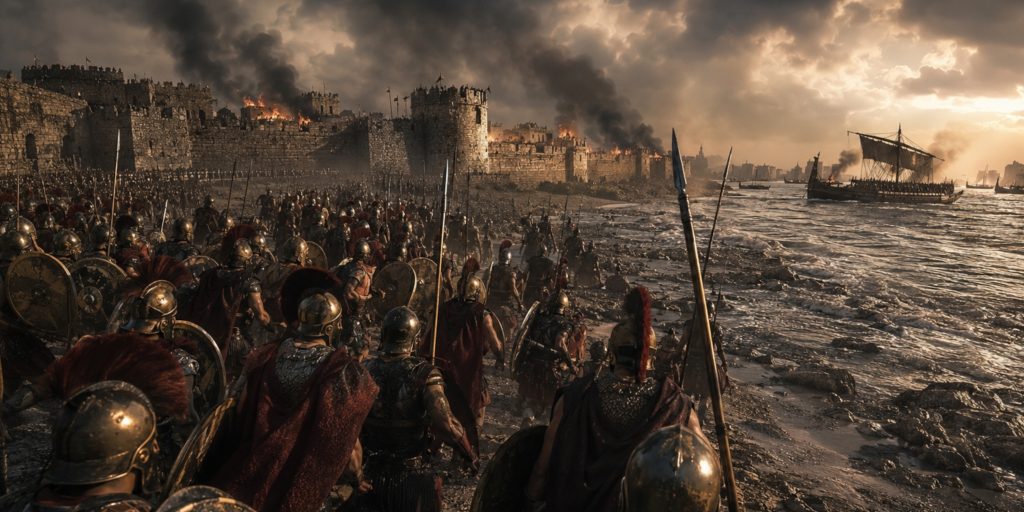
The Sicilian Wars were a long series of military struggles fought between:
- The Greek city-states of Sicily, especially Syracuse
- Carthage and its allies
- Indigenous Sicilian peoples such as the Sicels, Elymians and Sicanians
- Later interventions by mainland Greeks and eventually Rome
The wars stretched across more than three centuries. Historians usually divide them into several major phases rather than treating them as a single continuous war.
At their heart was one simple question: who would dominate Sicily?
The island sat at the crossroads of trade routes linking Iberia, North Africa, Italy and Greece. Control of Sicily meant grain, ports, taxes and naval influence. Ancient powers rarely ignored opportunities like that.
Sicily Before the Wars
Before the great clashes began, Sicily was already a patchwork of competing cultures.
Greek colonists had established powerful cities such as:
- Syracuse
- Gela
- Akragas
- Himera
- Selinus
Meanwhile, Carthage controlled parts of western Sicily through trade networks and allied settlements. The Carthaginians were originally Phoenician settlers from North Africa, though by this period Carthage had become a formidable imperial power in its own right.
The indigenous peoples of Sicily often found themselves trapped between these expanding powers. Some allied with Greeks, others with Carthage, and many changed allegiance depending on who looked less likely to burn their crops that season.
The First Major Conflicts
The earliest phase of the wars emerged during the late sixth century BCE as Greek expansion pushed westward.
Greek cities such as Selinus increasingly collided with Elymian communities backed by Carthage. Tensions escalated through raids, territorial disputes and local alliances. Sicily became politically unstable with remarkable speed.
The first truly major Carthaginian intervention came in 480 BCE.
That date mattered enormously because it coincided with the Persian invasion of Greece. Ancient writers later loved presenting the wars as a grand east-versus-west struggle happening simultaneously. Historians today treat some of that storytelling cautiously, though the coincidence remains striking.
The Battle of Himera (480 BCE)
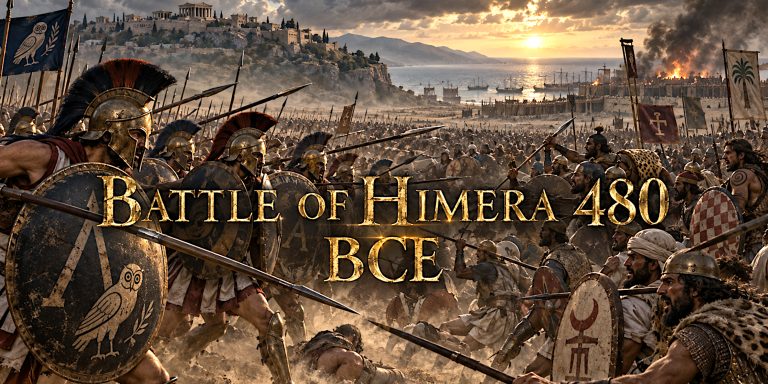
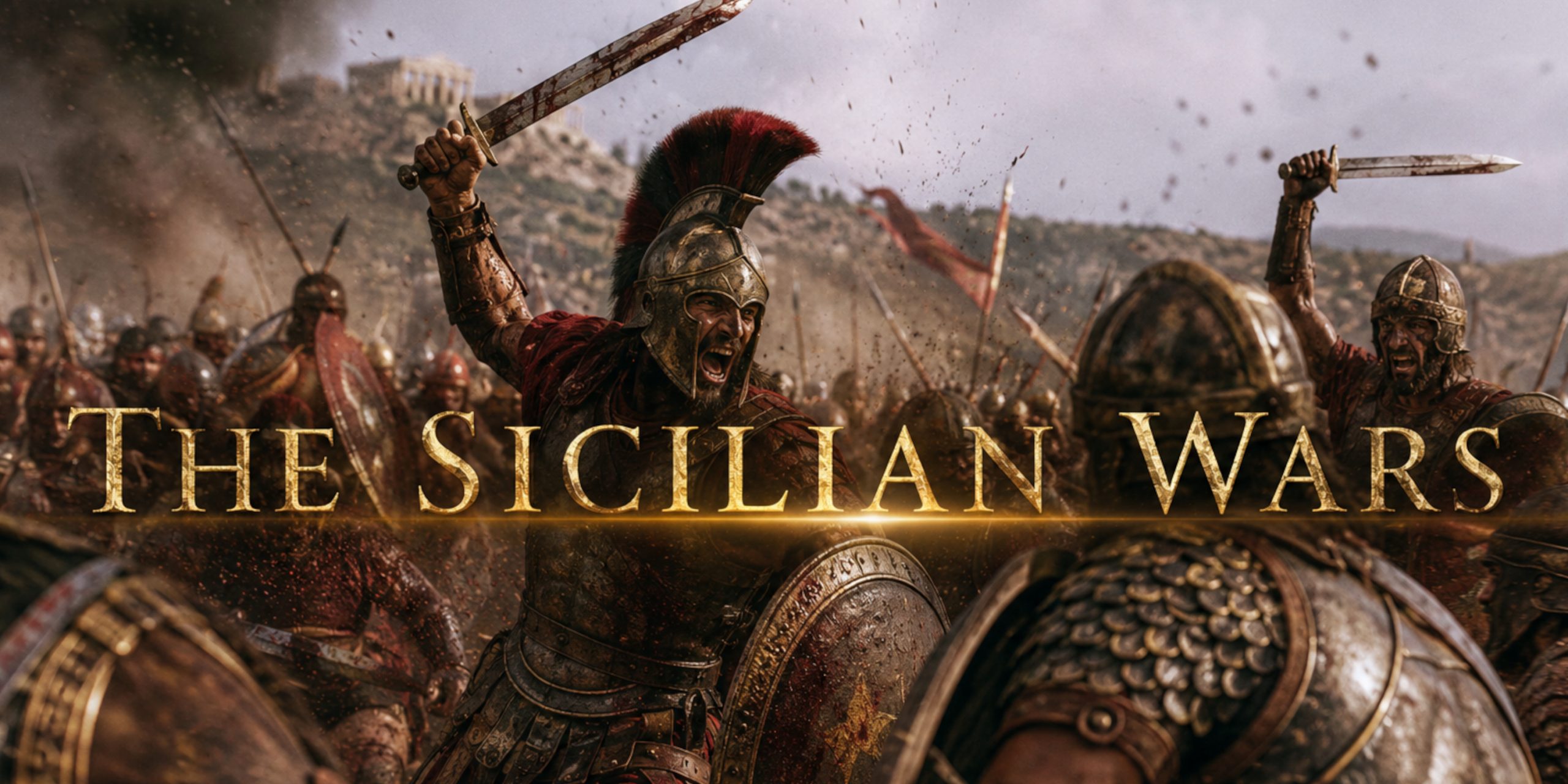
The Battle of Himera became one of the defining moments of the Sicilian Wars.
Carthage launched a huge expedition under Hamilcar against the Greek cities of Sicily. The Carthaginian army reportedly included Libyans, Iberians, Sardinians and mercenaries from across the western Mediterranean.
Syracuse and Gela united under Gelon of Syracuse and Theron of Akragas.
The Greeks won a crushing victory.
Ancient accounts claim Hamilcar died during the battle, possibly by suicide after the defeat. Greek writers celebrated Himera almost as a western equivalent to Salamis or Plataea. The comparison may have been slightly theatrical, but the victory genuinely halted Carthaginian expansion for decades.
Herodotus wrote:
“The battle of Himera was fought on the same day as the battle at Salamis.”
Ancient historians loved synchronising dramatic events. One suspects they would have enjoyed modern television scheduling.
Syracuse and the Rise of Tyrants
One recurring theme throughout the Sicilian Wars was the dominance of powerful rulers in Syracuse.
Men such as:
- Gelon
- Dionysius I
- Agathocles
- Hieron II
turned Syracuse into one of the strongest cities in the Greek world.
Dionysius I, ruling from 405 BCE, transformed Syracuse into a military powerhouse. He expanded fortifications, developed siege engines and built a formidable navy. Ancient Sicily under Dionysius often resembled a permanent war economy.
His huge walls around Syracuse impressed contemporaries and portions still survive today.
Dionysius also relied heavily on mercenaries. Sicily became notorious for attracting professional soldiers from across the Mediterranean. Loyalty in this world was often measured in silver rather than patriotism.
The Carthaginian Return
Carthage returned aggressively in the late fifth century BCE.
In 409 BCE, Carthaginian forces destroyed Selinus after a brutal siege. Himera was also devastated. Ancient accounts describe massacres and widespread destruction.
The wars became increasingly savage.
Cities were razed. Prisoners were enslaved. Plague swept through armies. Campaigns often collapsed due to disease as much as enemy action.
The Carthaginians eventually captured Akragas in 406 BCE, one of the richest Greek cities in Sicily. The destruction shocked the Greek world.
Diodorus Siculus described the panic vividly:
“The whole city was filled with lamentation and fear.”
Quite a few Sicilian cities spent the next century alternating between “lamentation and fear” and “temporary relief before the next invasion.”
Dionysius I and the Great Sieges
Dionysius I spent much of his reign fighting Carthage.
His wars featured:
- Massive siege operations
- Naval warfare
- Experimental military technology
- Large mercenary armies
- Defensive fortification systems
One of the most famous episodes came during the Siege of Syracuse in 397 BCE.
A Carthaginian army surrounded the city, but plague devastated the attackers. Dionysius exploited the chaos and counterattacked successfully.
Disease repeatedly shaped the Sicilian Wars. Crowded camps, poor sanitation and Mediterranean heat created dreadful conditions. Ancient generals often feared fever almost as much as enemy cavalry.
Agathocles and the Invasion of Africa
Perhaps the boldest moment of the Sicilian Wars came under Agathocles of Syracuse.
In 310 BCE, facing defeat in Sicily, Agathocles launched a daring invasion of North Africa itself. Rather than waiting to be destroyed, he attacked Carthaginian territory directly.
The campaign shocked the Carthaginians.
Although Agathocles ultimately failed to destroy Carthage, the invasion demonstrated that Carthage was vulnerable. It also foreshadowed later Roman strategy during the Punic Wars.
Ancient accounts portray Agathocles as brilliant, ruthless and deeply untrustworthy. This was not necessarily considered a contradiction in Hellenistic politics.
Battles of the Sicilian Wars
Battle of Himera (480 BCE)
| Aspect | Details |
|---|---|
| Combatants | Syracuse and Greek allies vs Carthage |
| Key Leaders | Gelon, Theron, Hamilcar |
| Result | Greek victory |
| Importance | Halted Carthaginian expansion for decades |
Destruction of Selinus (409 BCE)
| Aspect | Details |
|---|---|
| Combatants | Selinus vs Carthage |
| Key Leaders | Hannibal Mago |
| Result | Carthaginian victory |
| Importance | Demonstrated Carthaginian military resurgence |
Siege of Syracuse (397 BCE)
| Aspect | Details |
|---|---|
| Combatants | Syracuse vs Carthage |
| Key Leaders | Dionysius I |
| Result | Syracusan victory |
| Importance | Preserved Greek dominance in eastern Sicily |
Battle of the Crimissus (341 BCE)
| Aspect | Details |
|---|---|
| Combatants | Greek forces under Timoleon vs Carthage |
| Key Leaders | Timoleon |
| Result | Greek victory |
| Importance | Reduced Carthaginian influence temporarily |
The Pyrrhic Phase and the Road to Rome
The final stage of the Sicilian Wars brought in Pyrrhus of Epirus.
Pyrrhus arrived in Sicily in 278 BCE after campaigning in southern Italy against Rome. Initially welcomed by Greek cities, he attempted to unite Sicily against Carthage.
Pyrrhus achieved several successes but alienated many Sicilians through harsh rule and heavy demands. Ancient allies had a habit of becoming exhausted by their liberators.
Eventually Pyrrhus departed Sicily, reportedly declaring:
“What a wrestling ground we are leaving, my friends, for Carthaginians and Romans.”
He was absolutely correct.
Within years, Rome and Carthage collided directly in the First Punic War. The Sicilian Wars effectively became the prelude to the greatest western Mediterranean struggle of antiquity.
Arms, Armour and Warfare
The Sicilian Wars combined Greek and Carthaginian military traditions.
Greek Forces
Greek armies relied heavily on hoplite warfare.
Common equipment included:
- Dory spears
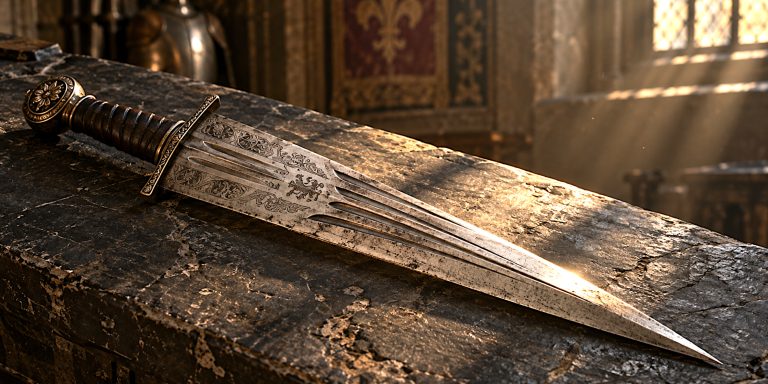
- Xiphos swords
- Kopis swords
- Bronze helmets
- Large hoplon shields
- Linen or bronze cuirasses
Syracuse later developed advanced siege weapons and stronger naval forces.
Carthaginian Forces
Carthaginian armies were famously multinational.
Their forces often included:
- Libyan infantry
- Iberian swordsmen
- Numidian cavalry
- Balearic slingers
- Campanian mercenaries
Weapons varied enormously depending on troop origin.
Iberian warriors likely carried curved falcata-style swords, while Greek mercenaries served with traditional hoplite arms. Numidian cavalry relied on speed, javelins and mobility rather than heavy armour.
Naval Warfare
Control of the sea mattered constantly.
The Sicilian Wars saw major developments in:
- Trireme warfare
- Naval logistics
- Harbour fortifications
- Amphibious operations
Syracuse became one of the greatest naval powers in the western Greek world. Carthage meanwhile possessed immense maritime experience from centuries of trade and colonisation.
Ancient naval combat was brutal and chaotic. Ships rammed one another, marines boarded enemy vessels and drowning men vanished beneath shattered oars.
Hollywood usually forgets the smell.
Archaeology of the Sicilian Wars
Archaeology has transformed modern understanding of the wars.
Important discoveries include:
- Fortification remains at Syracuse
- Destruction layers at Selinus and Himera
- Greek and Punic weapon finds
- Carthaginian ship sheds and harbours
- Mass graves linked to battles and sieges
At Himera, excavations uncovered large burial sites containing soldiers killed during the conflicts. Analysis of skeletons suggests many combatants originated from different regions of the Mediterranean, confirming the multinational nature of these armies.
At Motya, archaeologists discovered Punic defensive works and evidence of violent destruction linked to Dionysius I’s campaigns.
Sicily remains one of the richest archaeological landscapes in the Mediterranean. Almost every major city involved in the wars still produces new finds.
The island has an unnerving habit of casually revealing another collapsed temple or battlefield grave whenever somebody starts digging foundations.
Contemporary Sources and Quotes
The Sicilian Wars survive through several ancient writers, though all must be treated carefully.
Important sources include:
- Herodotus
- Diodorus Siculus
- Polybius
- Plutarch
Many accounts exaggerate troop numbers dramatically. Ancient historians loved enormous armies. If a battle sounded impressive, they usually doubled the figures and added elephants for good measure.
Polybius wrote of Sicily:
“For the beauty of its cities and the wealth of its resources it surpassed all other islands.”
Diodorus described the destruction caused by war with grim clarity:
“The land was laid waste and the cities emptied.”
Legacy of the Sicilian Wars
The Sicilian Wars shaped Mediterranean history in profound ways.
They:
- Militarised Sicily for centuries
- Strengthened Syracuse as a major power
- Expanded Carthaginian influence
- Encouraged advances in siege warfare
- Drew Rome into Sicilian politics
- Helped trigger the Punic Wars
The conflicts also revealed how interconnected the ancient Mediterranean had become. Greeks, Phoenicians, Iberians, Italians, Libyans and Sicilian peoples all fought on the same battlefields.
By 265 BCE, the old Greek-Carthaginian struggle was fading. Rome was rising rapidly, and Sicily would soon become the centrepiece of a much larger war.
The island had spent centuries teaching great powers how expensive conquest could become. Rome, naturally, decided to learn the lesson personally.