The Battle of Lincoln, fought on 20 May 1217, was one of the most important battles in medieval English history, yet it rarely receives the attention given to Hastings, Agincourt or Bosworth. It decided whether England would remain under the young Henry III or fall under the influence of Prince Louis of France.
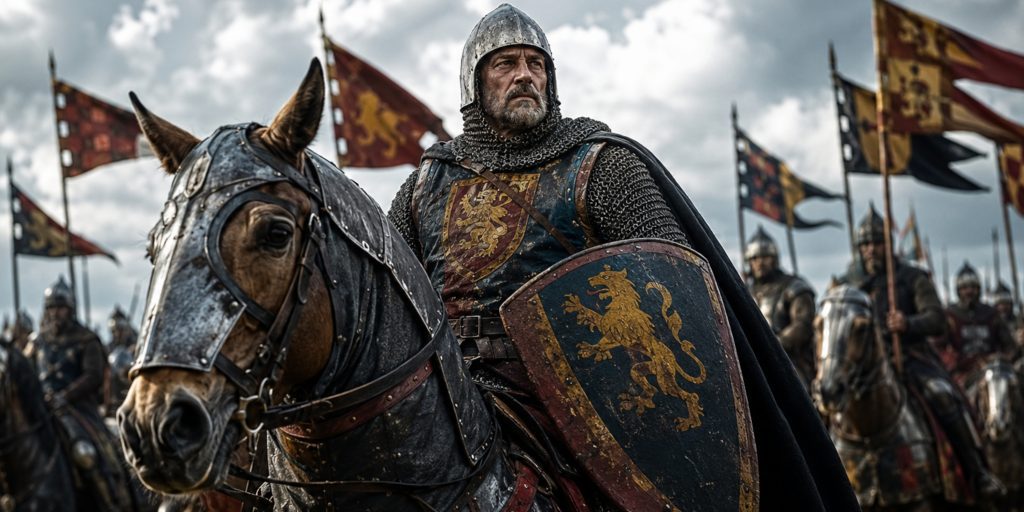
At the centre of the drama stood William Marshal, Earl of Pembroke. A man in his seventies, he should probably have been enjoying retirement, telling tournament stories and complaining about younger knights. Instead, he put on armour, mounted his horse and led a royalist army into one of the most decisive actions of the 13th century.
The victory at Lincoln broke the rebel baronial movement, forced the French invasion onto the defensive and helped secure the Plantagenet monarchy.
Historical Background: A Kingdom In Crisis
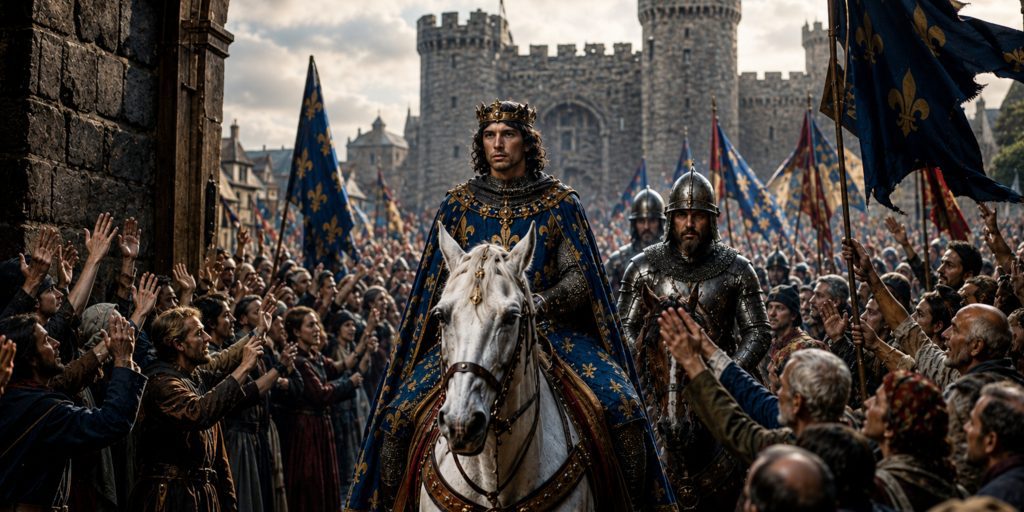
The battle emerged from the chaos following King John’s disastrous reign.
By 1215, John’s conflict with his own nobles had led to the signing of Magna Carta. Peace did not last. The First Barons’ War erupted when rebel nobles invited Prince Louis of France, son of King Philip II, to claim the English throne.
Louis landed in England in 1216 and quickly gained support. London welcomed him, and large areas of the country fell under rebel or French control.
Then King John died.
His nine-year-old son Henry III inherited a broken kingdom. The royalist cause survived largely because of William Marshal, who became regent and rallied support around the young king.
Lincoln became the place where the future of the crown would be tested.
Forces At The Battle Of Lincoln
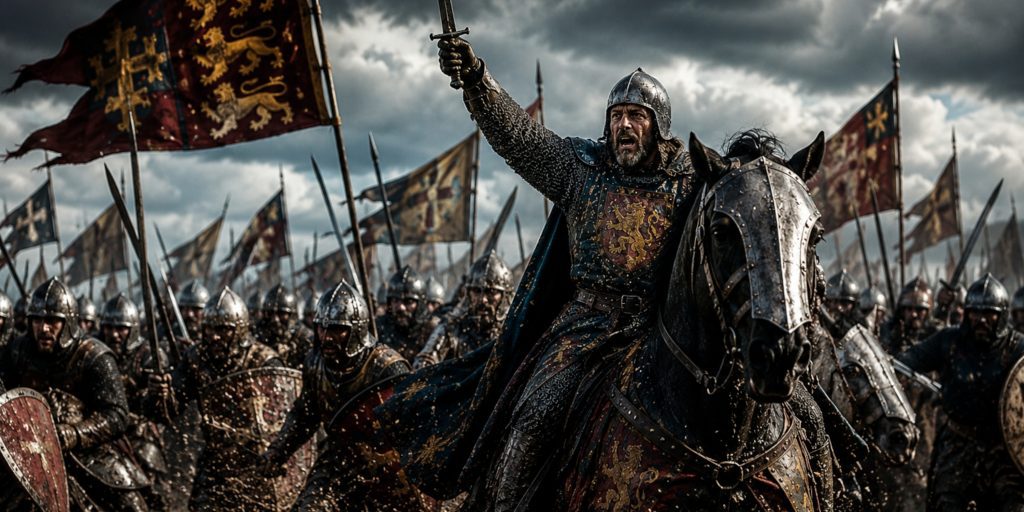
Exact numbers are debated, but medieval sources and modern estimates suggest the royalists were outnumbered. Their advantage came from experienced leadership, disciplined knights and clever use of the city’s geography.
| Army | Commander | Estimated Strength | Objective |
|---|---|---|---|
| English Royalists | William Marshal | Around 400 knights, 250 crossbowmen and several thousand infantry | Break the siege of Lincoln Castle and defeat the rebels |
| French and Rebel Barons | Thomas, Count of Perche | Around 600 knights plus infantry | Capture Lincoln Castle and strengthen Louis’ claim |
Leaders And Troop Composition
English Royalist Army
Key Commanders
| Leader | Role |
| William Marshal, Earl of Pembroke | Regent of England and overall commander |
| Ranulf de Blondeville, Earl of Chester | Senior noble and military leader |
| Falkes de Bréauté | Mercenary commander and experienced soldier |
| Peter des Roches | Bishop of Winchester and royal supporter |
| Nicola de la Haye | Castellan defending Lincoln Castle |
Troops Included
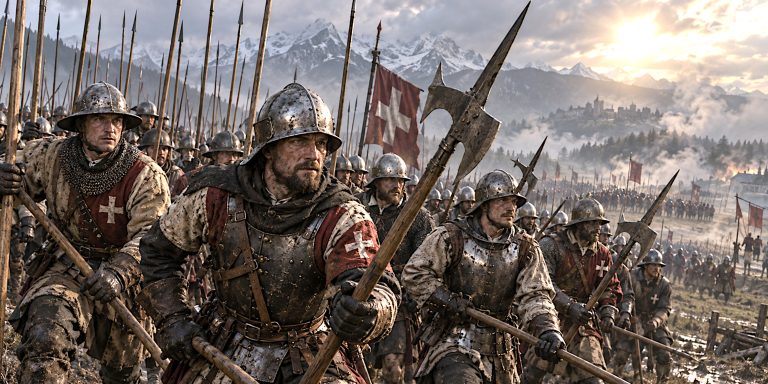
- Household knights loyal to Henry III
- Feudal cavalry from royalist nobles
- Crossbow units
- Infantry equipped with spears, axes and sidearms
- Castle defenders inside Lincoln
Nicola de la Haye deserves special attention. Already elderly by medieval standards, she maintained control of Lincoln Castle during the siege. Medieval warfare had plenty of brutal personalities, but few had the stubborn determination of a noblewoman refusing to surrender her fortress.
French And Rebel Baron Army
Key Commanders
| Leader | Role |
| Thomas, Count of Perche | French commander at Lincoln |
| Robert Fitzwalter | Rebel baronial leader |
| Saer de Quincy, Earl of Winchester | Rebel noble commander |
Troops Included
- French knights
- Rebel English knights
- Men-at-arms
- Infantry forces
- Siege troops attempting to capture Lincoln Castle
The rebel force had strength, but it faced a dangerous problem. It was fighting inside a city while an enemy army approached from outside and a hostile castle remained behind them.
That is rarely a comfortable military arrangement.
Arms And Armour At The Battle Of Lincoln
The battle took place during a period of transition in medieval warfare. Knights were becoming increasingly well protected, while infantry weapons were improving in response.
Royalist Equipment
Armour
- Mail hauberks covering the body and arms
- Mail chausses protecting the legs
- Padded gambesons worn beneath armour
- Great helms becoming increasingly common among wealthy knights
- Kite shields and early heater shields
Weapons
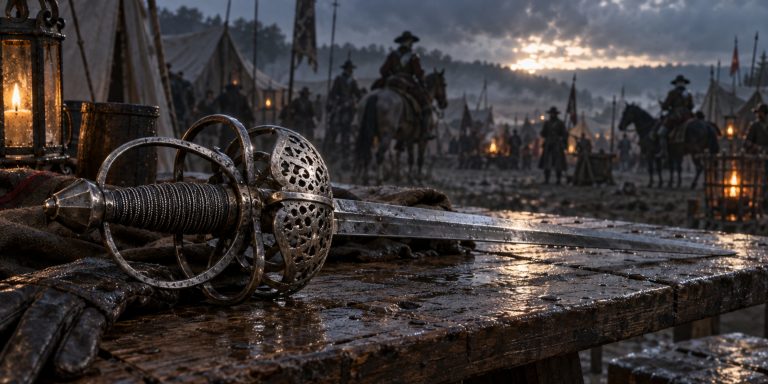
- Arming swords
- Lances
- Spears
- Crossbows
- Daggers
- Axes and maces
French And Rebel Equipment
Armour
- Full mail protection for elite knights
- Reinforced helmets
- Surcoats displaying heraldry
- Leather and textile protection among lower-ranking troops
Weapons
- Knightly arming swords
- Cavalry lances
- Falchions
- Spears
- Crossbows
- War hammers and clubs
Specific Sword Types Used
Knightly Arming Sword
The dominant sword of the battle was the one-handed medieval arming sword.
Typical features:
- Blade length: around 70 to 85 cm
- Straight double-edged blade
- Cruciform guard
- Designed for cutting and thrusting
- Used with a shield
These swords were not the heavy lumps often imagined in older films. A quality 13th-century sword was fast, balanced and deadly.
Type XII Sword
Many knights around this period used swords similar to the Oakeshott Type XII.
Features:
- Broad cutting blade
- Noticeable taper toward the point
- Fuller running along part of the blade
- Improved thrusting ability
Falchion
Some soldiers used falchions, single-edged cutting weapons with broader blades.
Advantages:
- Powerful chopping strikes
- Effective against lightly armoured opponents
- Cheaper than elite knightly swords
The Battle Timeline
| Time | Event |
| Early 1217 | Rebel forces continue supporting Prince Louis’ claim to England |
| Spring 1217 | French and rebel troops besiege Lincoln Castle |
| 20 May morning | William Marshal’s royalist army approaches Lincoln |
| Before the assault | Royalists discover a way into the city through a northern gate |
| Initial attack | Crossbowmen enter and attack rebel forces from advantageous positions |
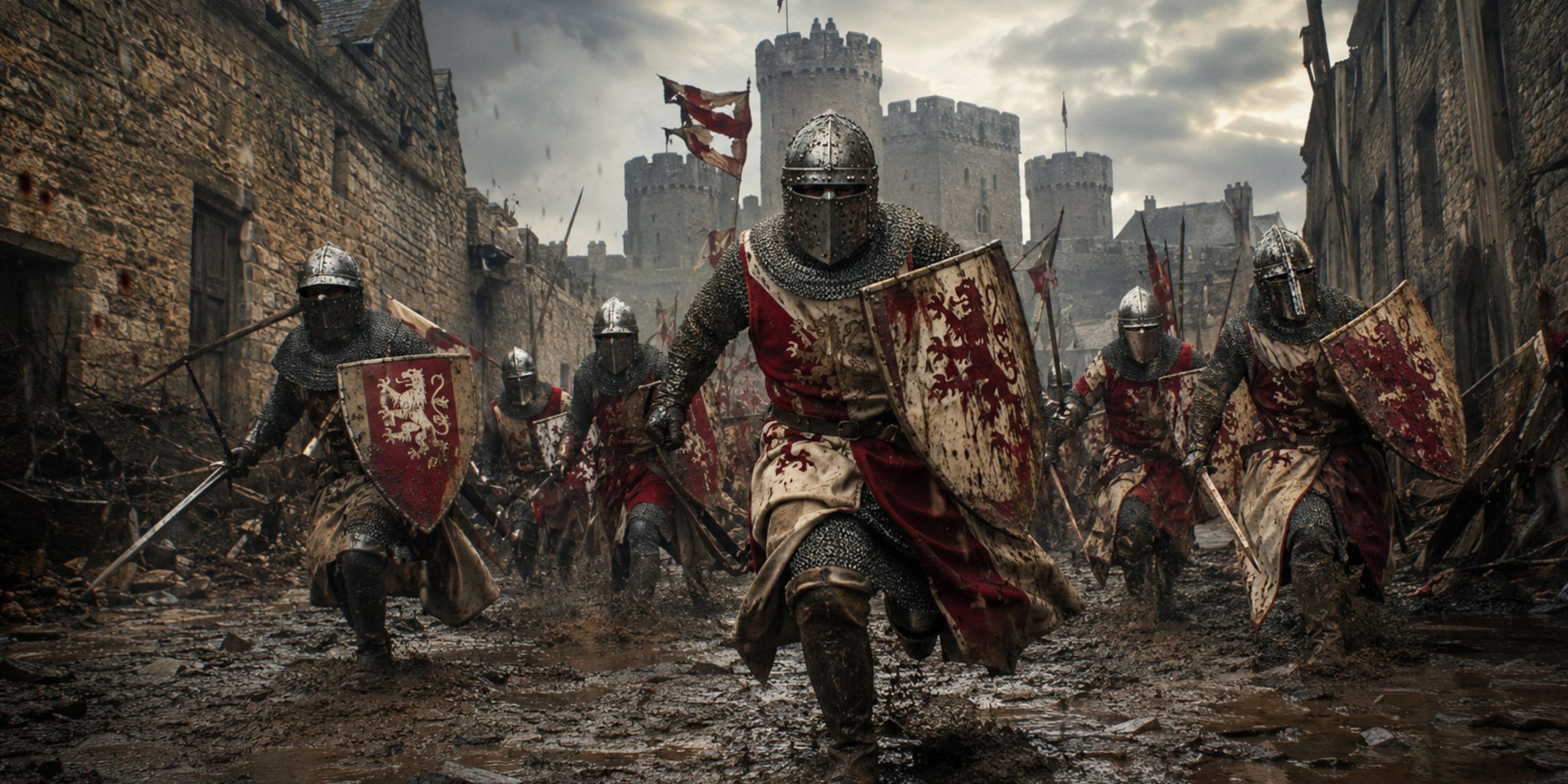
| Main engagement | Marshal’s knights advance through the streets |
| Death of Count Perche | The French commander is killed during fighting |
| Rebel collapse | French and rebel forces retreat or surrender |
| Aftermath | Royalists sack the city in what became known as “Lincoln Fair” |
How The Battle Was Won
The genius of the royalist strategy was avoiding a predictable frontal assault.
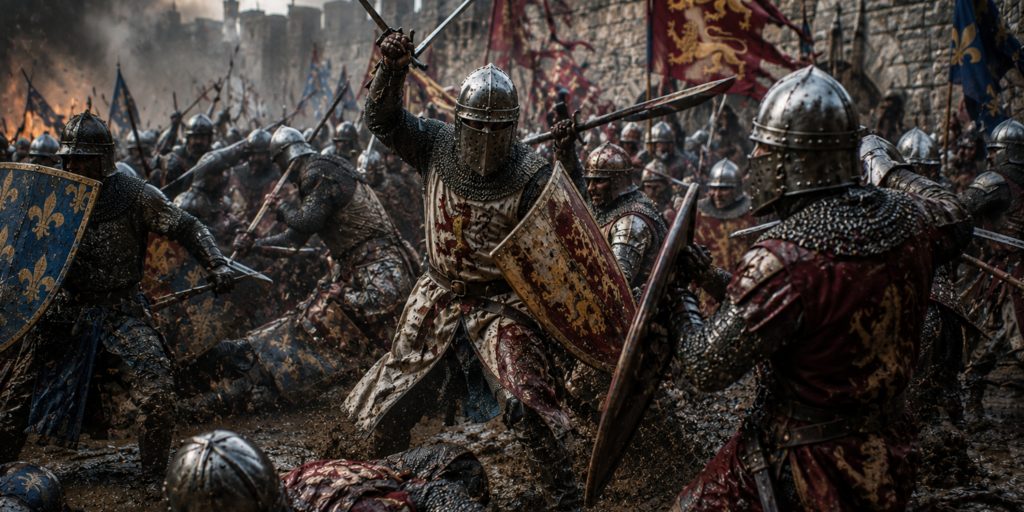
William Marshal’s army entered Lincoln through a less defended route and attacked through the streets. Crossbowmen played a crucial role, firing from strong positions and disrupting enemy knights.
Urban warfare removed some advantages of cavalry. A knight trapped in narrow streets could quickly discover that expensive armour did not make him invincible.
The death of Thomas, Count of Perche, destroyed French morale. Without their commander, resistance collapsed.
Archaeology And Physical Evidence
Lincoln remains one of the best-preserved medieval cities connected to the conflict.
Important locations include:
Lincoln Castle
The castle remains the key surviving site from the battle.
Archaeological and architectural evidence includes:
- Norman stone walls
- Defensive structures linked to medieval sieges
- Surviving earthworks
- Gateways and towers showing medieval military design
The castle also houses one of the surviving original copies of Magna Carta, connecting the site directly to the political struggles that created the First Barons’ War.
Medieval Lincoln
Excavations around the city have revealed:
- Medieval pottery
- Domestic remains
- Evidence of urban development
- Objects linked to 12th and 13th-century life
Direct battlefield archaeology is difficult because much of the fighting happened inside a living city that has been rebuilt for centuries.
Contemporary Quotes And Medieval Accounts
The History of William Marshal, written shortly after his death, praised his leadership:
“The Marshal was the best knight in the world.”
The chronicler Roger of Wendover described the defeat of the rebels and the royalist victory, presenting it as a turning point that restored order after years of conflict.
Medieval writers were rarely neutral observers, but the admiration for Marshal appears across several traditions. Even allowing for exaggeration, his reputation was extraordinary.
Aftermath And Legacy
The Battle of Lincoln effectively ended French hopes of controlling England.
The victory was followed by the naval Battle of Sandwich later in 1217, where French reinforcements were defeated. Prince Louis eventually accepted peace through the Treaty of Lambeth and abandoned his claim.
For Henry III, Lincoln preserved his throne.
For William Marshal, it was the final masterpiece of a remarkable military career. Few commanders have won their most important victory while already old enough that many medieval people would have considered them ancient.
Why The Battle Of Lincoln Matters
Lincoln 1217 deserves a larger place in English history. It was not simply a clash between knights in armour. It was a battle over monarchy, foreign rule and the future political direction of England.
Had Marshal failed, the history of England and France could have followed a completely different path.
Instead, an ageing knight, a determined castle commander and a carefully planned assault changed the course of a kingdom.