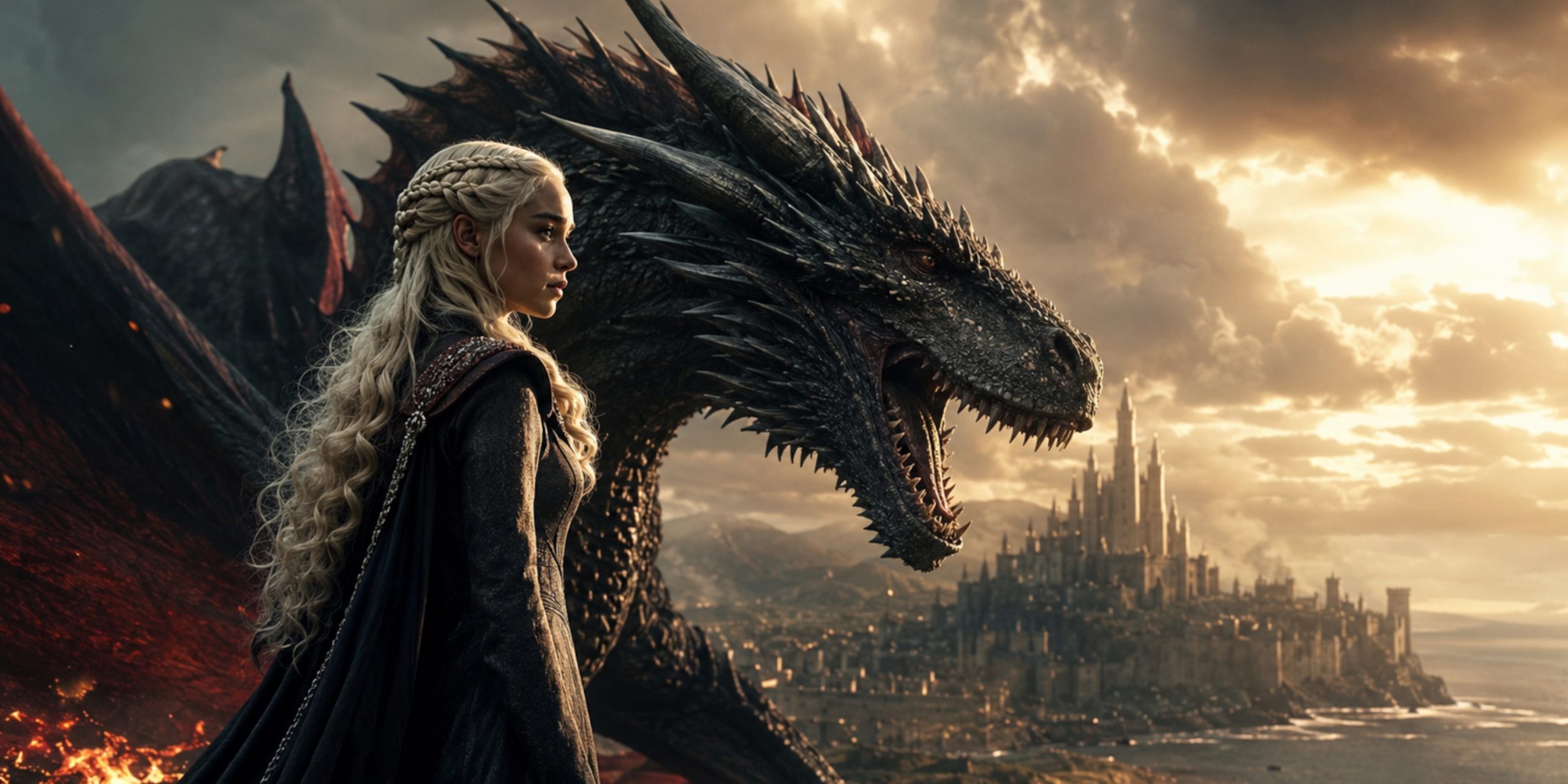
House Targaryen has everything. Dragons, conquerors, civil wars, family feuds, impossible ambition, questionable marriages and enough silver hair to fill a shampoo advert. Few fictional dynasties have captured imaginations quite like the dragonlords who ruled Westeros for nearly three centuries.
Their story is not one of uninterrupted greatness. It is a tale of spectacular victories followed by equally spectacular mistakes. Every generation seemed convinced it would avoid the errors of its ancestors. Almost every generation was wrong.
From their escape from doomed Valyria to Daenerys Targaryen’s quest to reclaim the Iron Throne, the Targaryens remain the defining family of George R. R. Martin’s world. Their rise shaped the Seven Kingdoms, while their decline reshaped them once again.
The Origins of House Targaryen
Long before Westeros became their kingdom, House Targaryen was one of the forty dragonlord families of the Valyrian Freehold.
Unlike the greatest Valyrian houses, the Targaryens were considered relatively modest in influence. They possessed dragons and considerable wealth, but they were not among the ruling elite that dominated Valyria.
Everything changed thanks to one prophetic dream.
Daenys Targaryen, later remembered as Daenys the Dreamer, foresaw the destruction of Valyria. Her father, Lord Aenar Targaryen, believed her warning and abandoned the Freehold twelve years before the catastrophic volcanic disaster known as the Doom of Valyria.
The family settled on Dragonstone, a volcanic island fortress in the Narrow Sea.
At the time, many likely thought Aenar had lost his senses.
Twelve years later, everyone else lost their civilisation.
Sometimes listening to the family member with bizarre dreams turns out to be surprisingly good long term planning.
Dragonstone and Survival
The Doom annihilated almost every dragonlord family.
Entire cities disappeared beneath fire and ash. Vast armies vanished. Trade collapsed. The greatest empire in the known world simply ceased to exist.
House Targaryen survived because it had already left.
Dragonstone became the last surviving outpost of Old Valyria, preserving Valyrian customs, language, dragon breeding and bloodlines while the rest of the civilisation became legend.
For over a century the Targaryens remained on Dragonstone, strengthening their position while the kingdoms of Westeros continued fighting one another.
Eventually one ambitious lord decided waiting was rather overrated.
Aegon the Conqueror
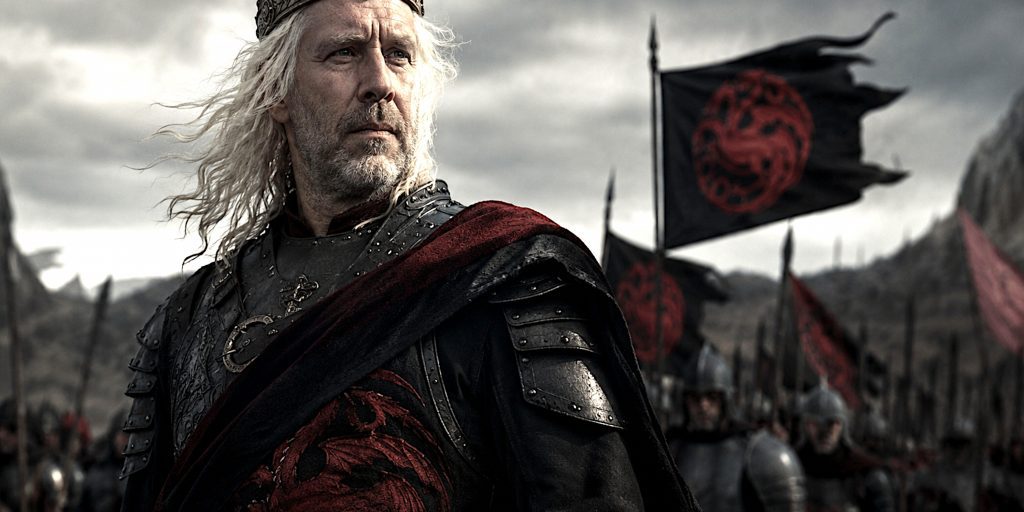
Everything changed with Aegon I Targaryen.
Accompanied by his sister-wives Visenya and Rhaenys, Aegon launched the invasion that permanently altered Westerosi history.
Unlike earlier invaders, Aegon possessed something no kingdom could realistically counter.
Dragons.
The three dragons were:
| Rider | Dragon |
|---|---|
| Aegon | Balerion the Black Dread |
| Visenya | Vhagar |
| Rhaenys | Meraxes |
Together they defeated armies many times larger than their own.
The most famous victory came at the Field of Fire, where combined armies from the Reach and the Westerlands were devastated by dragonfire.
Most kingdoms surrendered.
Only Dorne resisted successfully for generations.
Rather than destroy every local institution, Aegon allowed existing noble houses to retain their lands and titles, provided they accepted his authority. It proved a remarkably practical approach and laid the foundations of the Seven Kingdoms.
Building the Iron Throne
Aegon established King’s Landing near the mouth of the Blackwater Rush.
Instead of ruling from ancient castles, he created an entirely new capital.
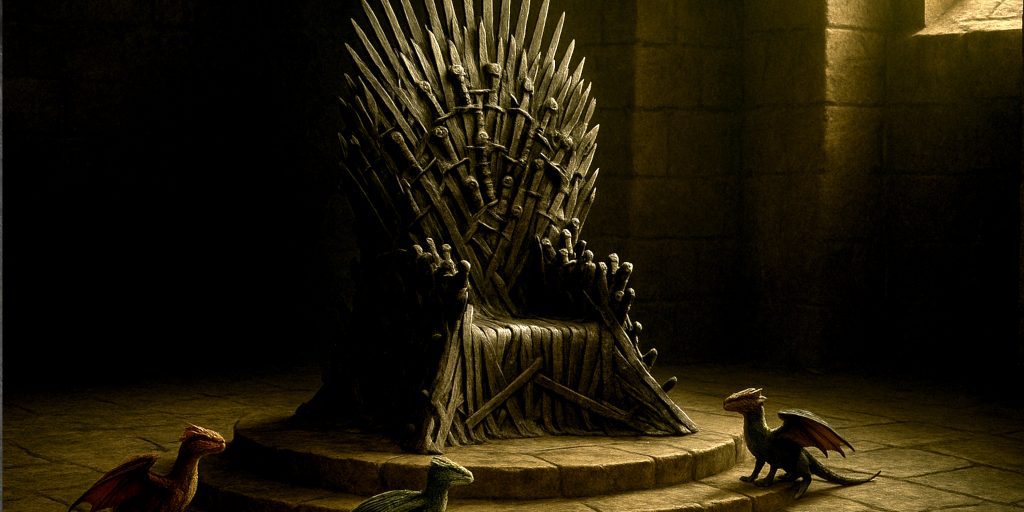
The Iron Throne itself became a powerful symbol.
Forged from the swords of defeated enemies and melted together by Balerion’s fire, it represented conquest rather than inheritance.
According to tradition, the throne was intentionally uncomfortable.
A king who became too comfortable, Aegon believed, might stop paying attention.
It remains one of the most iconic seats of power in fantasy literature.
The Golden Age of the Dragons
For much of the next century, House Targaryen enjoyed extraordinary strength.
Their dragons ensured few nobles seriously considered rebellion.
Kings such as Jaehaerys I, remembered as The Conciliator, transformed Westeros through diplomacy rather than conquest.
His reign brought:
- Improved roads
- Stronger legal systems
- Greater royal authority
- Infrastructure projects
- Relative peace across much of the realm
Together with Queen Alysanne, Jaehaerys helped stabilise the kingdom after earlier succession disputes.
Many historians within the fictional world regard his reign as one of the greatest in Westerosi history.
Targaryen Family Tree and Bloodline
The Targaryens famously practised marriage between close relatives.
Brothers married sisters.
Uncles married nieces.
Cousins married cousins.
While unsettling to most of Westeros, these marriages reflected ancient Valyrian traditions.
The family believed pure Valyrian blood strengthened their connection with dragons.
Whether this belief held genuine magical significance remains deliberately uncertain.
What is clear is that centuries of close intermarriage produced consequences.
Some rulers became brilliant.
Others became dangerously unstable.
The saying that “every time a Targaryen is born, the gods toss a coin” captures this uncertainty perfectly.
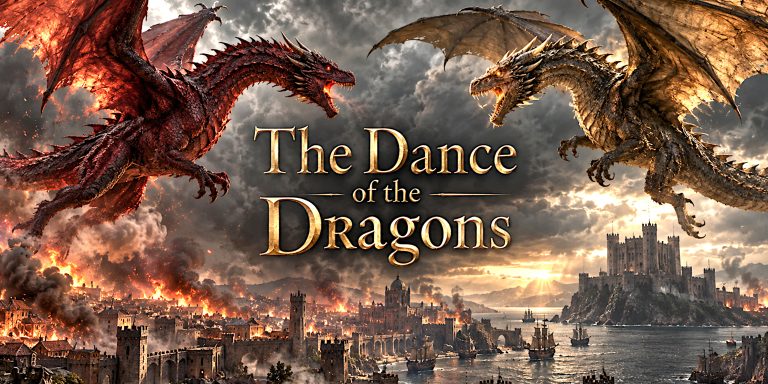
The Dance of the Dragons

If one event shattered Targaryen supremacy, it was the Dance of the Dragons.
This brutal civil war erupted after King Viserys I died.
Supporters divided between:
- Rhaenyra Targaryen
- Aegon II Targaryen
The conflict became one of the bloodiest wars Westeros had ever seen.
Dragons fought dragons.
Entire noble houses changed sides repeatedly.
Cities burned.
Ancient castles fell.
Perhaps most devastating of all, dragons died in huge numbers.
Although the Targaryens technically remained on the throne after the conflict, their greatest military advantage had largely disappeared.
Winning the war proved almost as damaging as losing it.
The Decline of the Dragons
Following the Dance, dragons steadily vanished.
The last surviving dragons were small, weak and increasingly unhealthy.
Eventually they became extinct.
Without dragons, House Targaryen became what every other royal dynasty had always been.
Powerful, certainly.
Untouchable, no longer.
This shift fundamentally altered the balance of power between the monarchy and the great houses.
The Blackfyre Rebellions
Internal conflict returned during the reign of Aegon IV.
Known as Aegon the Unworthy, he legitimised many of his illegitimate children shortly before his death.
One of them, Daemon Blackfyre, challenged the legitimate royal line.
The resulting Blackfyre Rebellions lasted for decades.
They divided noble families across Westeros and repeatedly threatened the stability of the kingdom.
Even after the final rebellion failed, lingering loyalties continued influencing politics for generations.
The Mad King and the End of the Dynasty
The final Targaryen ruler was Aerys II.
Initially regarded as promising, Aerys gradually descended into paranoia and cruelty.
His reign alienated nearly every major noble family.
The breaking point came when he executed Rickard Stark and Brandon Stark before demanding the deaths of Eddard Stark and Robert Baratheon.
Instead of obedience, Westeros erupted into rebellion.
Robert’s Rebellion ended nearly three centuries of Targaryen rule.
Jaime Lannister killed Aerys during the Sack of King’s Landing.
The dynasty collapsed.
Viserys and the infant Daenerys escaped across the Narrow Sea.
For many, House Targaryen appeared finished forever.
Daenerys Targaryen and the Return of Dragons

Daenerys transformed the family’s fortunes.
Beginning as an exiled princess with almost nothing, she gradually became one of the most influential figures in the known world.
Her greatest achievement came when three dragon eggs, long believed fossilised, hatched.
For the first time in generations:
- Dragons returned.
- Targaryen power returned.
- Magic itself appeared stronger.
Her campaign across Essos redefined the political landscape long before she sailed for Westeros.
Regardless of differing opinions about her later choices, Daenerys restored House Targaryen to global significance.
House of the Dragon and the Targaryen Renaissance
The television adaptation House of the Dragon renewed interest in the dynasty by exploring events leading to the Dance of the Dragons.
Viewers gained a closer look at:
- Dragon riding
- Court politics
- Succession disputes
- The peak of Targaryen power
- The beginning of its destruction
The series highlights one of George R. R. Martin’s recurring themes.
Families are rarely destroyed by outside enemies alone.
Quite often, they do a remarkably efficient job themselves.
The Most Important Targaryen Rulers
| Monarch | Why They Matter |
|---|---|
| Aegon I | United Westeros through conquest |
| Jaehaerys I | Created lasting peace and reforms |
| Viserys I | His succession crisis sparked civil war |
| Aegon II | Ruled during the Dance of the Dragons |
| Aegon III | Oversaw the final extinction of dragons |
| Daeron II | Reconciled many divisions after rebellion |
| Aegon V | Attempted social reforms for ordinary people |
| Aerys II | His tyranny caused Robert’s Rebellion |
Targaryen Dragons
Some of the most famous dragons include:
| Dragon | Rider |
|---|---|
| Balerion | Aegon I |
| Vhagar | Visenya, later several riders |
| Meraxes | Rhaenys |
| Caraxes | Daemon Targaryen |
| Syrax | Rhaenyra |
| Sunfyre | Aegon II |
| Vermithor | Jaehaerys I |
| Drogon | Daenerys |
| Rhaegal | Daenerys |
| Viserion | Daenerys |
Why House Targaryen Remains So Popular
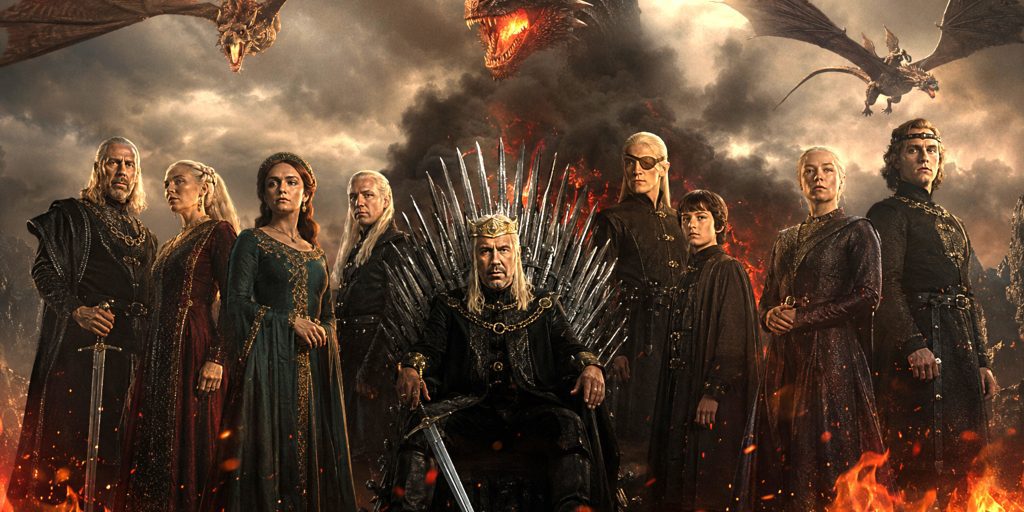
The Targaryens occupy an unusual place in fantasy.
They are conquerors yet victims.
Heroes yet tyrants.
Visionaries yet deeply flawed human beings.
Their history never settles into simple good versus evil. Even admired rulers made disastrous decisions, while some of the dynasty’s darkest figures possessed genuine intelligence and ambition.
That complexity keeps readers returning to their story.
The dragons certainly help, of course.
Dragons have an unfair advantage in popularity contests.
Legacy
Nearly every major event in modern Westerosi history traces back to House Targaryen.
The Iron Throne exists because of them.
King’s Landing exists because of them.
The Seven Kingdoms became one realm because of them.
Even after losing their dragons and eventually their crown, their influence never truly disappeared. Every rebellion, succession dispute and political alliance unfolded in the shadow of choices made generations earlier.
That enduring legacy explains why House Targaryen continues to dominate the world of A Song of Ice and Fire. They were never simply another noble family. They were the dynasty that reshaped an entire continent, only to discover that the greatest threat to dragonlords was rarely an enemy army.
More often than not, it was another Targaryen.