The Saga of the Volsungs is packed with dragons, doomed heroes, ancient curses and enough family drama to keep an entire streaming service busy for years. Hidden among its famous treasures is Fang of the North, a legendary sword associated with Sigmund and the Volsung bloodline. While it rarely receives the same attention as Gram, it occupies an intriguing place within Norse heroic tradition.
Like many legendary weapons from medieval literature, Fang of the North represents far more than sharpened steel. It embodies courage, inheritance and the belief that a worthy blade could shape the fate of kingdoms.
For anyone fascinated by Viking mythology, legendary swords or the origins of fantasy weapons, Fang of the North deserves a closer look.
What Is Fang of the North?
Fang of the North is a legendary sword connected with the heroic traditions preserved in the Saga of the Volsungs. Depending on the surviving source or translation, its appearance and prominence vary, which is common with medieval Scandinavian literature.
Unlike modern fantasy novels, Old Norse sagas rarely provide detailed weapon statistics or lavish descriptions. A sword’s reputation came from what it achieved rather than how many magical enchantments it carried.
Fang of the North is portrayed as a prestigious weapon worthy of legendary heroes. It belongs within the tradition of named swords that possess both symbolic and practical importance.
Its name evokes several powerful ideas:
- Ferocity
- Northern identity
- Predatory strength
- Heroic lineage
- Martial honour
That is a pretty effective branding strategy, even by Viking standards.
The Saga of the Volsungs
Written during the thirteenth century in Iceland, the Saga of the Volsungs preserves much older oral traditions stretching back hundreds of years.
The story follows generations of the Volsung family as they battle enemies, pursue vengeance, win impossible victories and occasionally make spectacularly poor life choices.
Among its most famous episodes are:
- The sword placed in Barnstokkr by Odin
- Sigmund’s rise as a warrior
- Sigurd slaying the dragon Fafnir
- Brynhild’s tragic romance
- The cursed treasure of Andvari
The saga blends mythology, heroic legend and historical memory into one of medieval Europe’s greatest works of literature.
Fang of the North and Sigmund
The sword is most closely linked with Sigmund, one of the greatest heroes of the Volsung family.
Sigmund is remembered as:
- A fearless warrior
- Son of Volsung
- Father of Sigurd
- Chosen by Odin
His career is filled with battles, exile and impossible odds, making him exactly the sort of hero expected to wield an exceptional sword.
In Norse storytelling, the hero and the weapon often become inseparable. A famous blade gains prestige through its owner, while the owner gains legendary status through the deeds accomplished with that blade.
Symbolism Behind the Sword
Strength Through Lineage
Inheritance matters enormously in Norse literature.
A sword often represents the honour accumulated by previous generations. Carrying such a weapon means carrying family expectations as well.
That is quite a burden before you’ve even reached the battlefield.
Divine Favour
Many heroic weapons in Norse legend are associated with Odin or fate.
Rather than making a hero invincible, these swords suggest that destiny has chosen their wielder for greatness, even if that greatness comes with an unfortunate life expectancy.
The Predator of the North
The word “fang” immediately brings wolves and other northern predators to mind.
These animals symbolised:
- Courage
- Endurance
- Ruthlessness
- Survival
- Fearlessness
The name perfectly fits the harsh landscapes that shaped Norse imagination.
Was Fang of the North a Magical Sword?
Unlike many fantasy weapons, Fang of the North is not typically described as overflowing with supernatural abilities.
Instead, its power comes from reputation.
In Norse heroic literature, legendary swords are often extraordinary because they:
- Never fail their rightful owner
- Symbolise heroic legitimacy
- Inspire allies
- Terrify opponents
- Connect heroes to ancient traditions
This restrained approach arguably makes the weapon feel more believable. Medieval audiences did not always need glowing runes or elemental explosions to recognise greatness.
Sometimes surviving battle after battle was impressive enough.
Comparison with Gram
Although Fang of the North receives attention in discussions of the saga, Gram remains the best known sword associated with the Volsung family.
| Feature | Fang of the North | Gram |
|---|---|---|
| Literary prominence | Moderate | Central |
| Associated hero | Sigmund | Sigurd |
| Symbolism | Lineage and northern strength | Divine destiny and dragon slaying |
| Fame today | Lesser known | One of mythology’s most famous swords |
| Modern influence | Limited but intriguing | Enormous |
Gram understandably steals much of the spotlight after being used to kill a dragon.
Dragon slaying is admittedly difficult to compete with.
Historical Inspiration
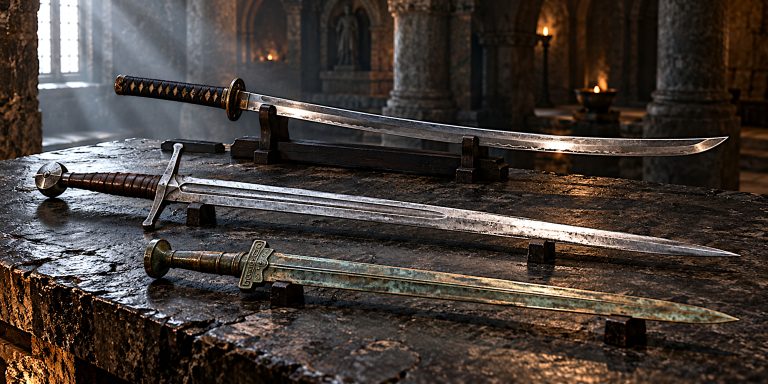
Although Fang of the North belongs to legend, its conception reflects genuine Viking Age weapon culture.
Elite swords were among the most valuable possessions a warrior could own.
High status blades often featured:
- Pattern welded construction
- Silver decoration
- Inlaid inscriptions
- Carefully balanced blades
- Imported Frankish steel
Many swords became treasured family heirlooms, passed from one generation to the next.
This historical practice almost certainly influenced the legendary weapons found throughout Norse literature.
Influence on Modern Fantasy
The heroic weapons of the Saga of the Volsungs have shaped fantasy for generations.
Elements associated with Fang of the North appear in many modern stories featuring inherited legendary weapons.
Common influences include:
- Named swords with individual identities
- Weapons passed through heroic bloodlines
- Blades tied to destiny
- Ancient northern kingdoms
- Heroes chosen by fate
Writers such as J. R. R. Tolkien drew extensively upon Norse mythology, helping preserve these traditions for modern audiences.
Many fantasy games now feature named legendary swords whose histories matter just as much as their combat abilities. If you’ve ever spent an hour reading the lore attached to a weapon instead of progressing the main quest, you are continuing a tradition that stretches back centuries.
Why the Story Still Matters
Fang of the North reminds us that legendary weapons are ultimately about people.
The sword reflects ideas of honour, inheritance and responsibility rather than simple military power. Heroes inherit more than steel. They inherit expectations, victories, failures and unfinished stories.
That is one reason the Saga of the Volsungs continues to resonate. Beneath the dragons and prophecies lies a very human exploration of ambition, loyalty and the consequences of our choices.
The sword itself may be legendary, but the themes remain surprisingly familiar.
Frequently Asked Questions
Is Fang of the North a real historical sword?
No. It belongs to the legendary tradition preserved in the Saga of the Volsungs rather than the historical record.
Who wielded Fang of the North?
The sword is associated with Sigmund and the heroic Volsung lineage, although surviving medieval sources place greater emphasis on Gram in many versions of the saga.
Was the sword magical?
Not in the way modern fantasy often portrays magical weapons. Its legendary status comes primarily from its symbolism, reputation and heroic associations.
Is Fang of the North the same sword as Gram?
No. They are treated as separate legendary weapons, with Gram being significantly more famous due to its association with Sigurd and the slaying of Fafnir.
Why is Fang of the North less well known?
Most adaptations and retellings focus on Gram because of its central role in Sigurd’s story. Fang of the North remains an interesting but lesser discussed part of the wider Volsung tradition.
Takeaway
Fang of the North may not enjoy the fame of Excalibur or Gram, yet it captures everything that makes Norse legendary weapons so compelling. It represents heritage rather than spectacle, courage rather than invincibility, and the idea that a sword becomes legendary because of the hands that wield it.
That quiet sense of earned reputation gives the weapon a distinctive place within the Saga of the Volsungs. It also serves as a reminder that medieval storytellers understood something modern fantasy still celebrates. A great sword is never just a piece of steel. It is a story waiting for the next hero to pick it up.