The medieval world admired courage almost above every other virtue. Kings rewarded it, poets immortalised it and chroniclers eagerly recorded it, occasionally with just enough embellishment to keep future historians permanently suspicious.
Some stories are undoubtedly wrapped in legend. Others are exceptionally well documented. Together they reveal something fascinating about medieval warfare. Bravery was rarely about being fearless. It was about continuing despite exhaustion, injury and the very real possibility that you might not see the following sunrise.
As a historian, I find these moments endlessly compelling because they reveal the human side of warfare. Strip away the banners and polished armour and you find individuals making impossible decisions under extraordinary pressure. Sometimes they changed history. Sometimes they simply refused to surrender.
Here are twenty of the greatest acts of medieval bravery ever recorded.
1. The Viking Who Held Stamford Bridge (1066)
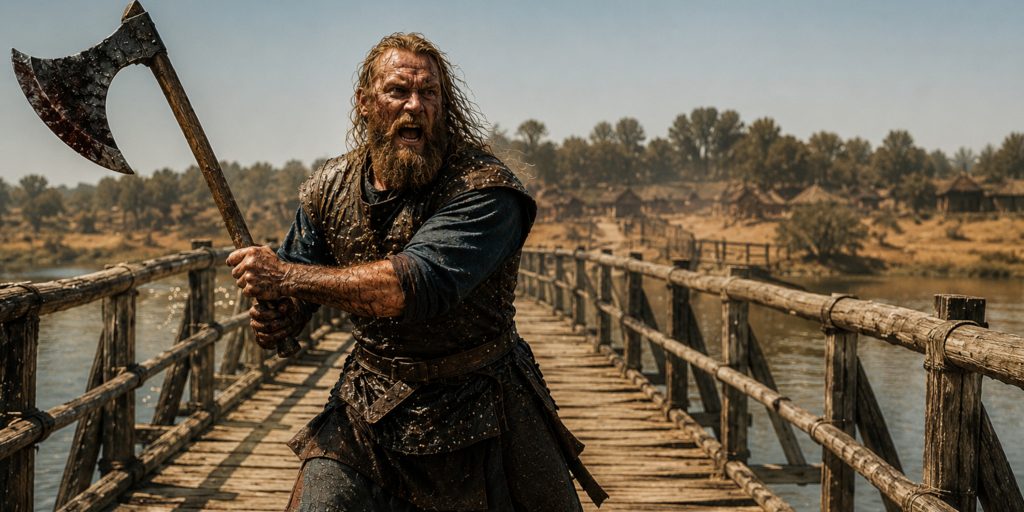
The Battle of Stamford Bridge produced one of the most famous last stands in European history.
According to several contemporary and near contemporary accounts, a giant Norse warrior armed with a massive Dane axe defended the narrow bridge almost single handedly while the Viking army regrouped behind him.
English soldiers repeatedly attempted to cross but were cut down. Chroniclers credit him with killing around forty men before an English soldier floated beneath the bridge in a barrel or small craft and thrust a spear upwards through the planks, mortally wounding him.
The exact number of casualties is impossible to verify, but the delay was real and allowed Harald Hardrada’s army valuable time to form a defensive line.
Even in defeat, the unnamed Viking secured a place among medieval history’s greatest individual acts of courage.
2. William Marshal Saves England at Lincoln (1217)
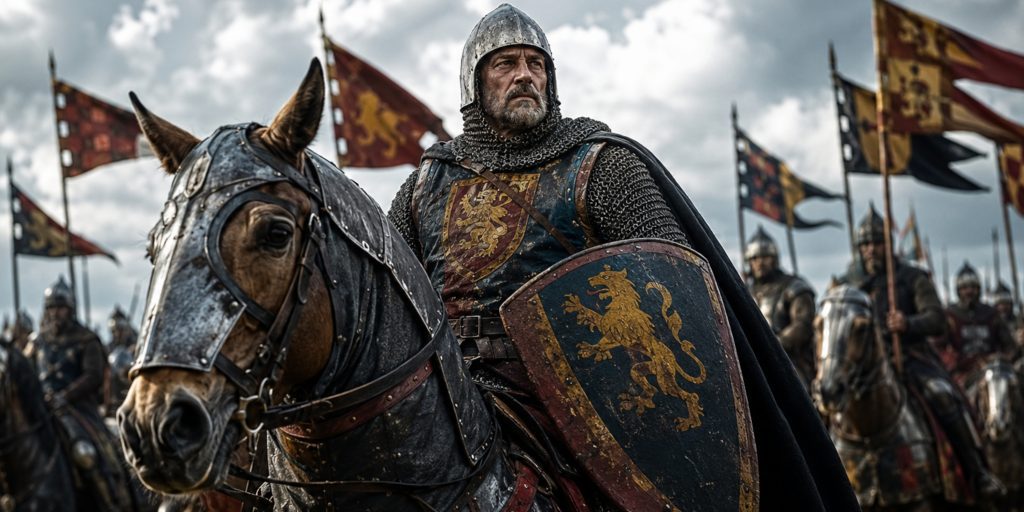
Few warriors earned their reputation more thoroughly than William Marshal.
At approximately seventy years of age, when most medieval nobles had long retired from campaigning, Marshal personally led the royal army at the Battle of Lincoln during the First Barons’ War.
His mounted charge shattered the French position inside the city. During the fighting his forces captured Thomas, Count of Perche, effectively collapsing enemy resistance.
England’s young King Henry III retained his throne largely because William Marshal refused to behave like an elderly statesman.
Instead, he behaved like William Marshal.
3. Robert the Bruce at Loudoun Hill (1307)
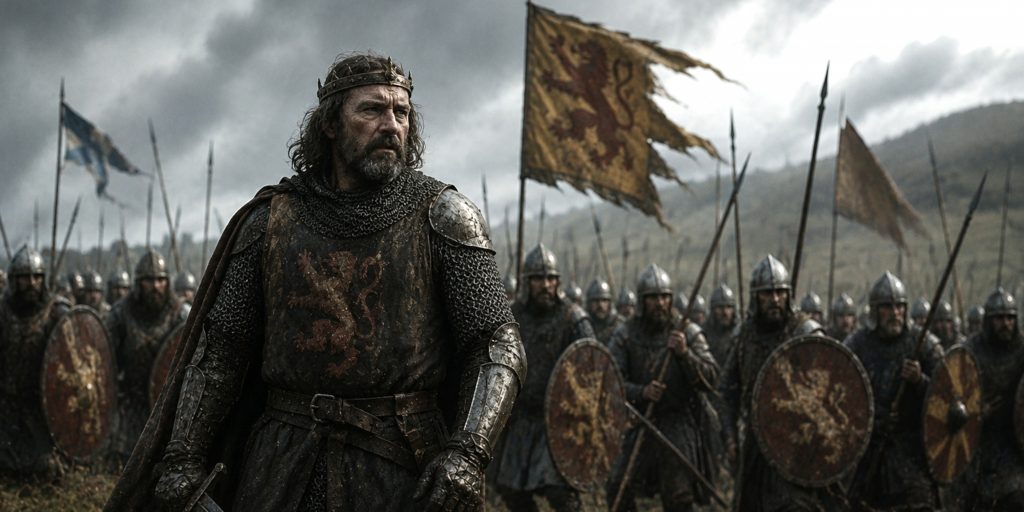
Robert the Bruce understood that bravery without intelligence quickly becomes a short obituary.
Facing a larger English force, he selected boggy ground near Loudoun Hill that restricted enemy cavalry.
Bruce fought alongside his schiltron formations as English horsemen became trapped in narrowing lanes before crashing into disciplined Scottish spears.
The victory proved Scotland’s independence movement remained very much alive.
4. John of Bohemia’s Final Charge at Crécy (1346)
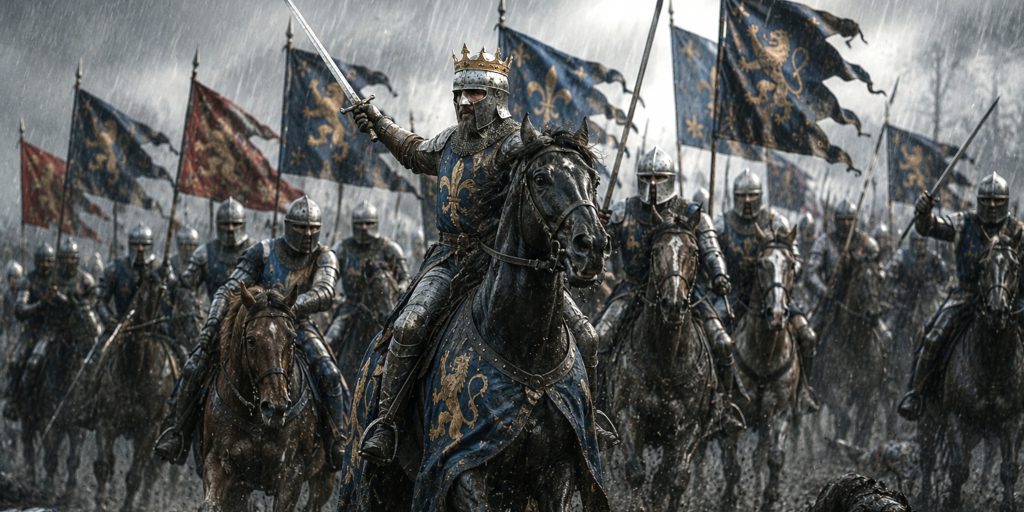
King John of Bohemia was completely blind when he arrived at Crécy.
Rather than remain behind the lines, he requested that his knights tie their horses to his own so they could charge together.
None expected to survive.
The entire group rode into the English position and was killed.
Edward, the Black Prince, reportedly admired John’s courage so greatly that he adopted the king’s badge of three ostrich feathers and the motto Ich Dien, traditions still associated with the Prince of Wales today.
Few acts better capture both the nobility and tragedy of medieval chivalry.
5. Bertrand du Guesclin Defies English Champions
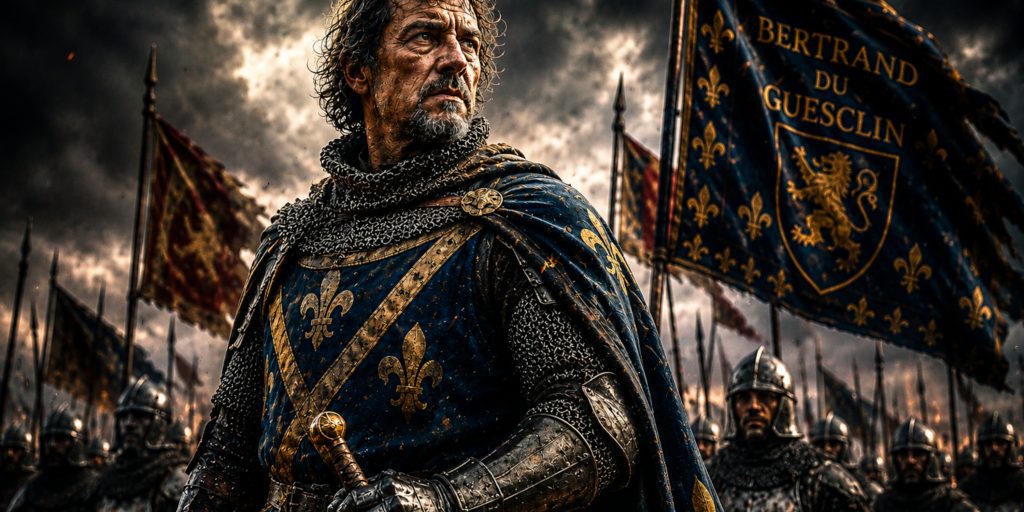
Bertrand du Guesclin looked nothing like the ideal knight described in medieval romances.
He was considered physically unimpressive, rough mannered and hardly courtly.
He also became one of France’s greatest military commanders.
Throughout the Hundred Years’ War he repeatedly defeated English champions in judicial duels and tournaments before leading French armies with equal success.
His courage restored French confidence during some of the kingdom’s darkest years.
6. El Cid’s Legendary Final Ride (1099)
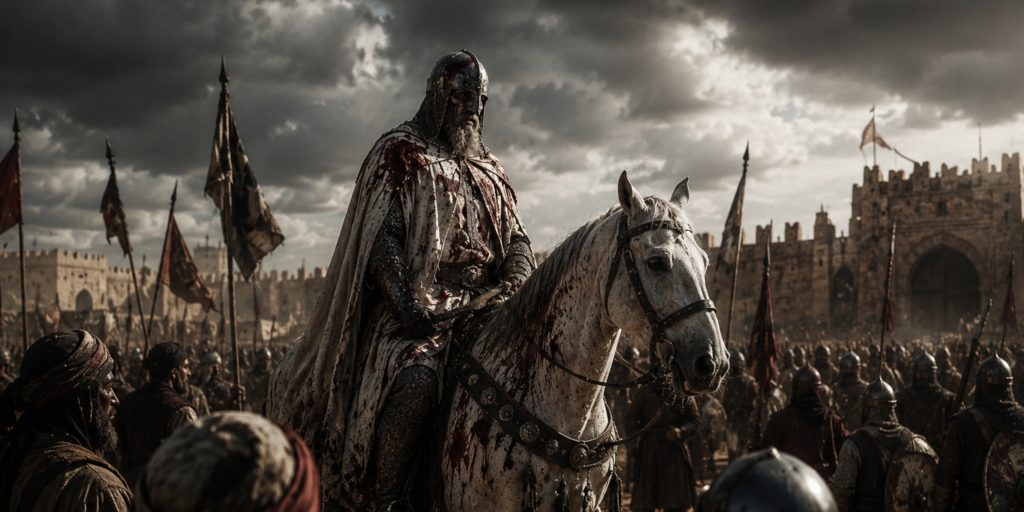
History and legend merge around the death of Rodrigo Díaz de Vivar.
After El Cid died while defending Valencia, later traditions claim his body was dressed in armour, mounted upon Babieca and ridden before the city’s defenders.
Whether this dramatic episode actually occurred remains uncertain.
The legend nevertheless reflects the enormous respect both Christian and Muslim chroniclers held for Spain’s greatest medieval warrior.
Even in death, El Cid inspired his followers.
7. Edward the Black Prince at Poitiers (1356)
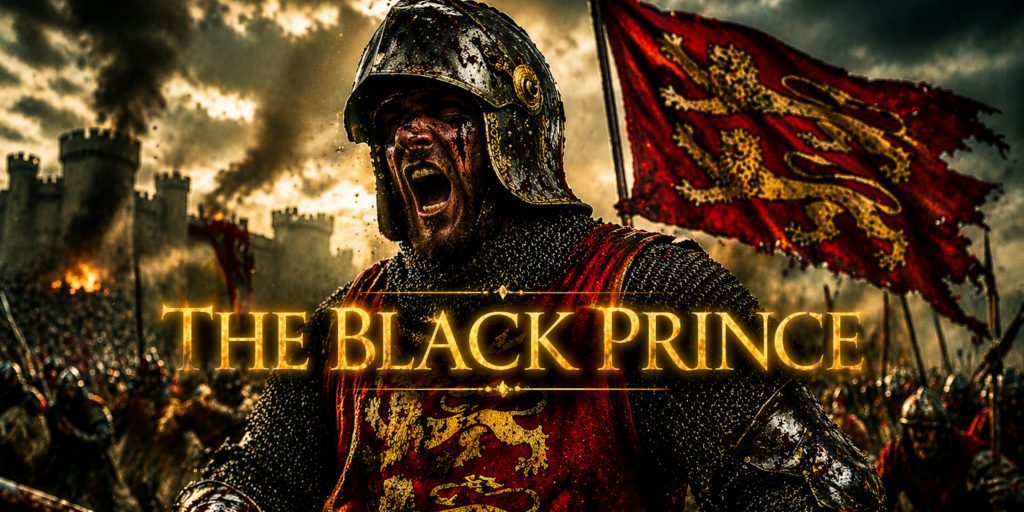
Edward of Woodstock demonstrated extraordinary composure during the Battle of Poitiers.
Despite facing overwhelming French numbers, he carefully controlled his troops before launching devastating counter attacks that shattered the French advance.
He fought alongside his men throughout the engagement and ultimately captured King John II of France.
It was one of England’s greatest medieval victories.
8. Richard the Lionheart Recaptures Jaffa (1192)
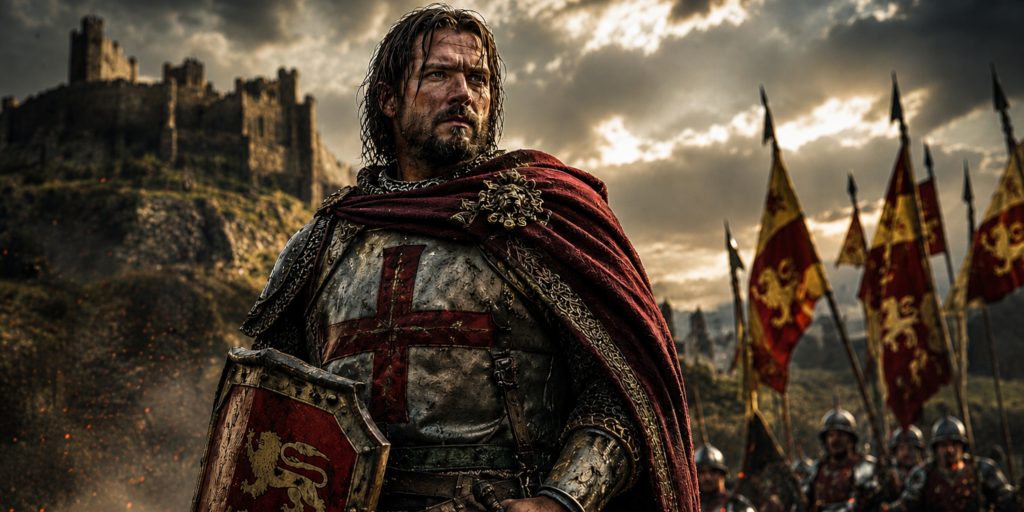
Richard I produced one of the Crusades’ finest battlefield performances during the defence of Jaffa.
Landing with barely fifty knights and a few hundred infantry, he immediately counter attacked Saladin’s forces.
Contemporary writers describe Richard fighting aggressively throughout the battle, rallying exhausted defenders while personally entering combat.
His success preserved the Crusader position and led directly to negotiations ending the Third Crusade.
9. The Knight of Glin Faces Cannon Fire (1521)
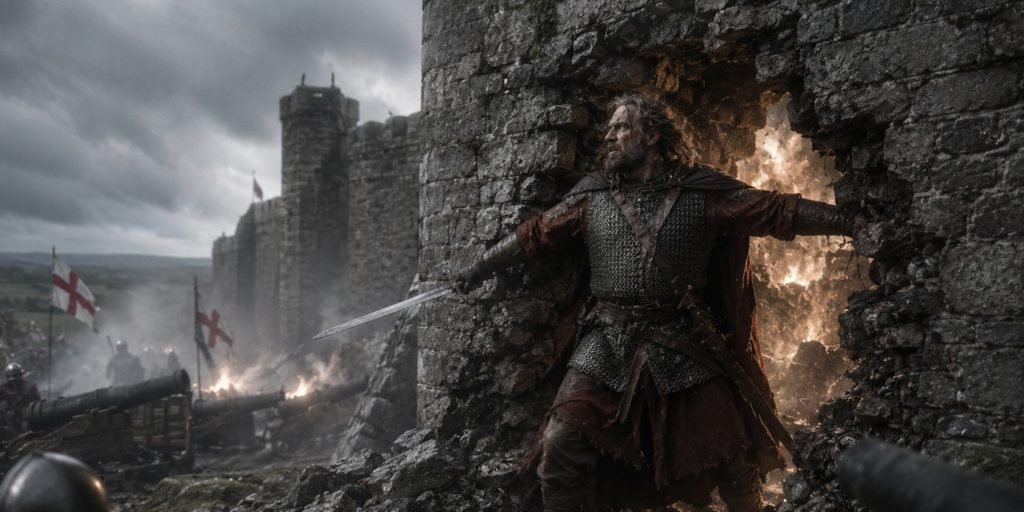
Although occurring at the very end of the medieval military tradition, Thomas FitzGerald’s defence of Glin Castle became legendary in Ireland.
According to tradition, after English artillery breached the walls he stood calmly inside the opening and challenged the enemy to fire again.
Whether every detail is accurate remains open to debate, yet the story perfectly illustrates how courage itself could become a psychological weapon.
Sometimes simply refusing to look frightened unsettled the opposition.
10. Harald Hardrada’s Last Campaign (1066)
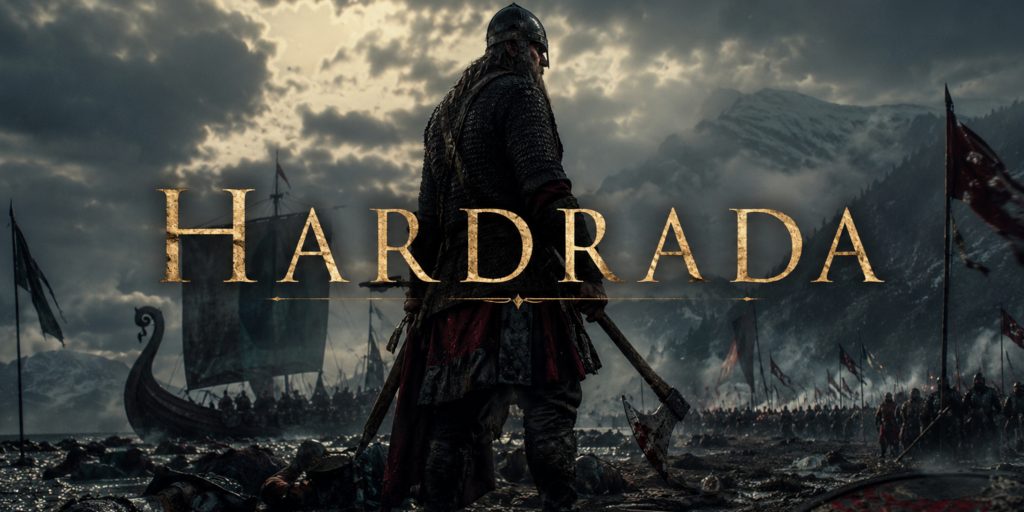
Harald Hardrada had already fought across Scandinavia, Russia, Byzantium and Sicily before invading England.
At Fulford he led Norwegian forces to victory through aggressive fighting at the front of his army.
Only days later he fell at Stamford Bridge after being struck by an arrow.
His death effectively ended the Viking Age in England.
Few warriors enjoyed a more remarkable military career.
11. Jan Žižka Never Lost a Battle
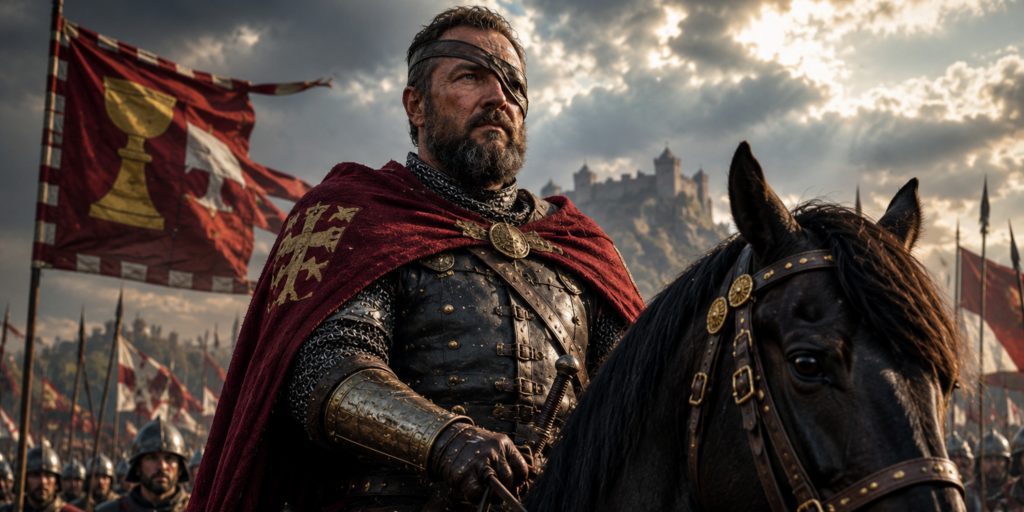
Jan Žižka remains one of history’s greatest commanders.
After losing one eye in earlier fighting, he eventually became completely blind.
Remarkably, this changed almost nothing.
He continued directing Hussite armies using innovative wagon fort tactics and never suffered defeat in battle.
Military genius deserves admiration.
Maintaining it while completely blind borders on astonishing.
12. Guy de Lusignan at Hattin (1187)
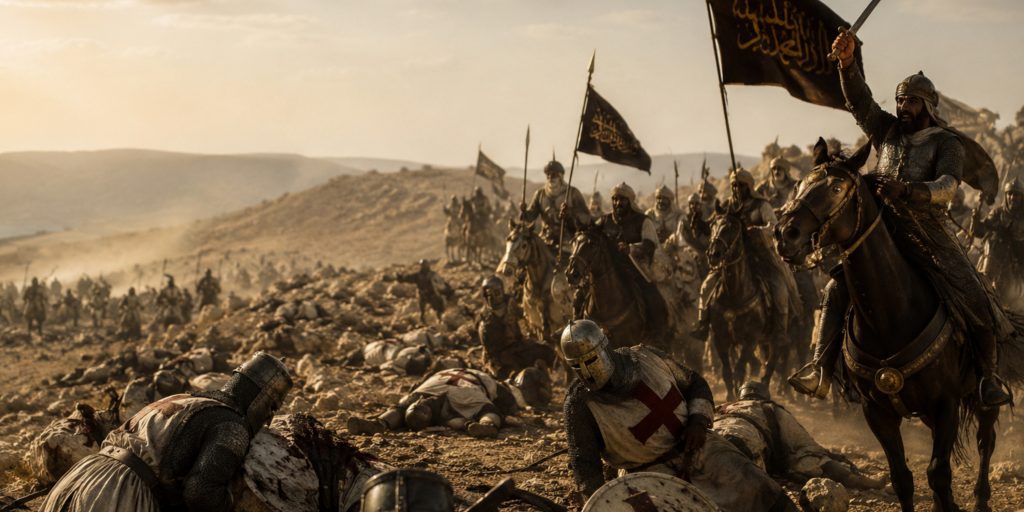
The Battle of Hattin ended in disaster for the Kingdom of Jerusalem.
King Guy continued fighting despite overwhelming odds and desperate conditions caused by heat, thirst and constant Muslim attacks.
Captured alongside much of the Crusader leadership, Guy endured defeat with dignity before eventually rebuilding his fortunes in Cyprus.
History often remembers victories.
Character is sometimes revealed more clearly in defeat.
13. The Knights of Malta Defend Birgu (1565)
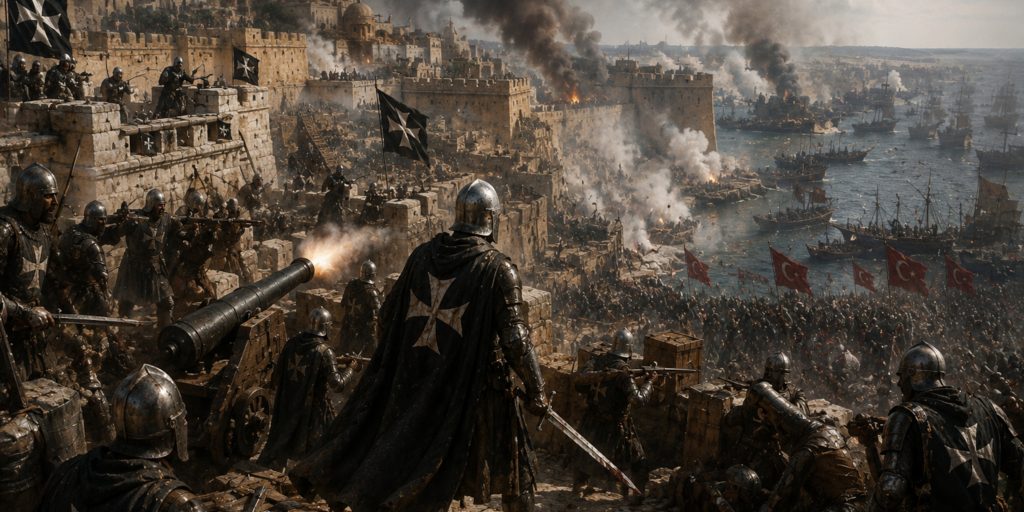
The Great Siege of Malta falls just outside the medieval period but preserved many medieval military traditions.
Around seven hundred Hospitaller Knights and their allies resisted an Ottoman army numbering tens of thousands.
They fought relentlessly during repeated assaults, often engaging in brutal hand to hand combat across shattered fortifications.
Their defence remains one of history’s greatest sieges.
14. Balian of Ibelin Saves Jerusalem (1187)
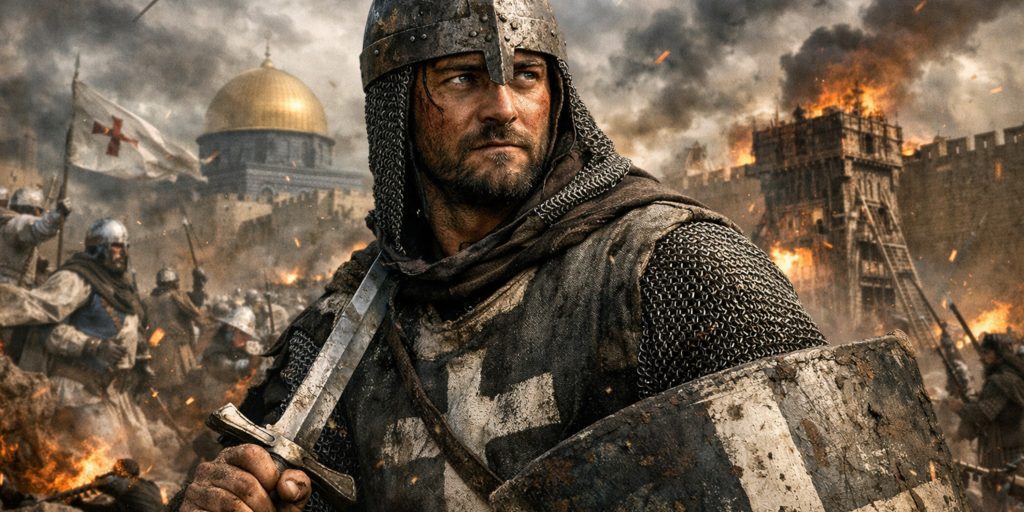
Balian inherited an almost impossible situation.
Jerusalem possessed few professional soldiers and faced Saladin’s enormous army.
Rather than pursue hopeless heroics, Balian organised the city’s defence with remarkable skill before negotiating an honourable surrender that protected thousands of civilians.
Sometimes the bravest decision is knowing when continued resistance serves no purpose.
15. Jean de Carrouges Wins the Last Great Trial by Combat (1386)

Jean de Carrouges fought Jacques Le Gris in one of medieval Europe’s most famous judicial duels.
The outcome would determine not only guilt but also the fate of Carrouges’ wife Marguerite, whose accusation depended entirely upon divine judgement.
After an exhausting fight, Carrouges killed Le Gris with a dagger.
The duel became one of France’s final officially sanctioned trials by combat.
16. The Swiss Pikemen at Morgarten (1315)
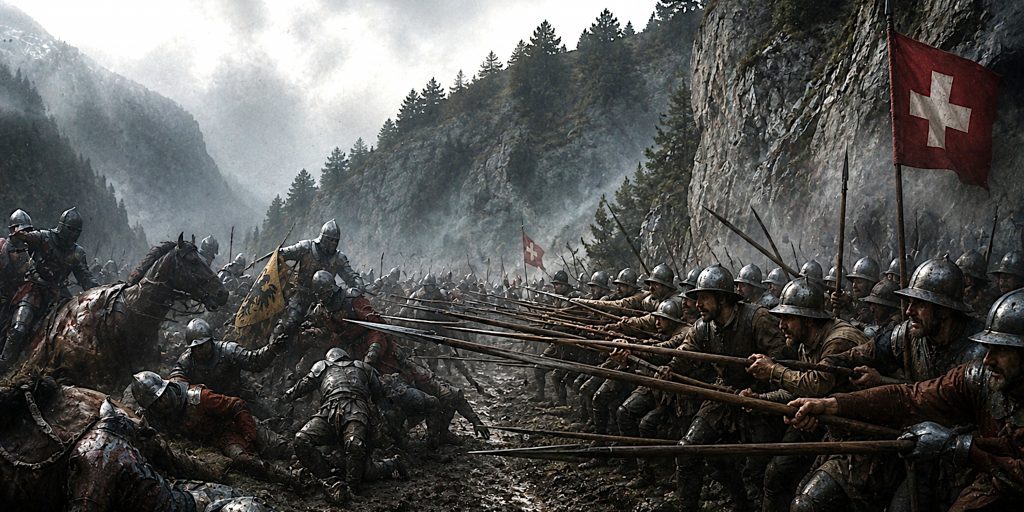
The Battle of Morgarten transformed European warfare.
Swiss infantry ambushed heavily armoured Austrian knights in a narrow mountain pass before attacking with pikes, halberds and improvised weapons.
They demonstrated that disciplined infantry could defeat elite cavalry.
Many noble commanders found this revelation deeply inconvenient.
17. Saint Maurice and the Theban Legion
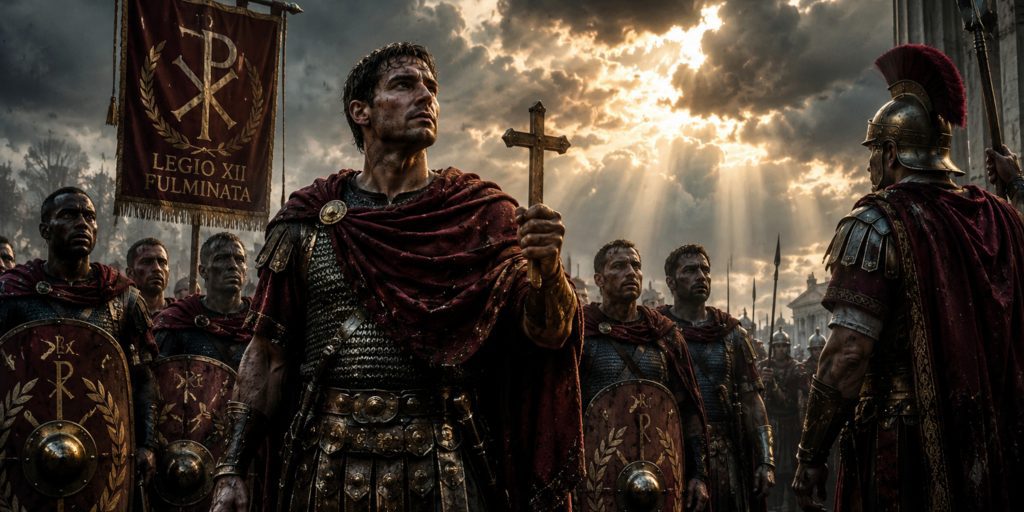
Although set during the late Roman Empire, the story of Saint Maurice became enormously influential throughout the Middle Ages.
According to medieval tradition, Maurice and his Christian soldiers refused imperial orders to persecute innocent civilians.
Rather than compromise their beliefs, they accepted execution.
Whether entirely historical or partly legendary, medieval Europe viewed Maurice as the perfect model of moral courage.
18. James Douglas Carries Bruce’s Heart (1330)
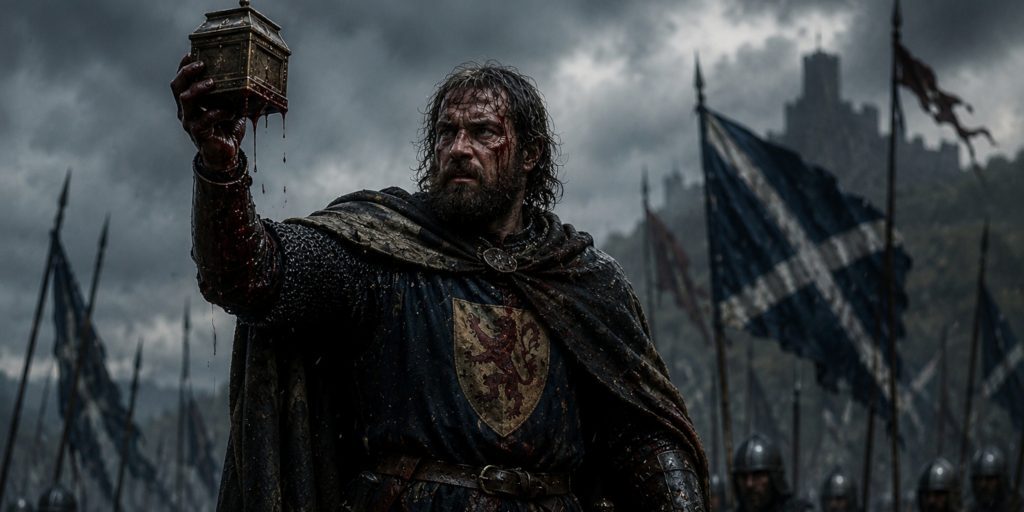
Before Robert the Bruce died, he asked Sir James Douglas to carry his heart on crusade.
Douglas placed the king’s heart inside a silver casket and carried it into Spain.
At the Battle of Teba he reportedly threw the casket towards the enemy, crying for Bruce to lead onward once more before charging after it.
Douglas was killed, but both men entered Scottish legend together.
19. Zawisza the Black at Grunwald (1410)
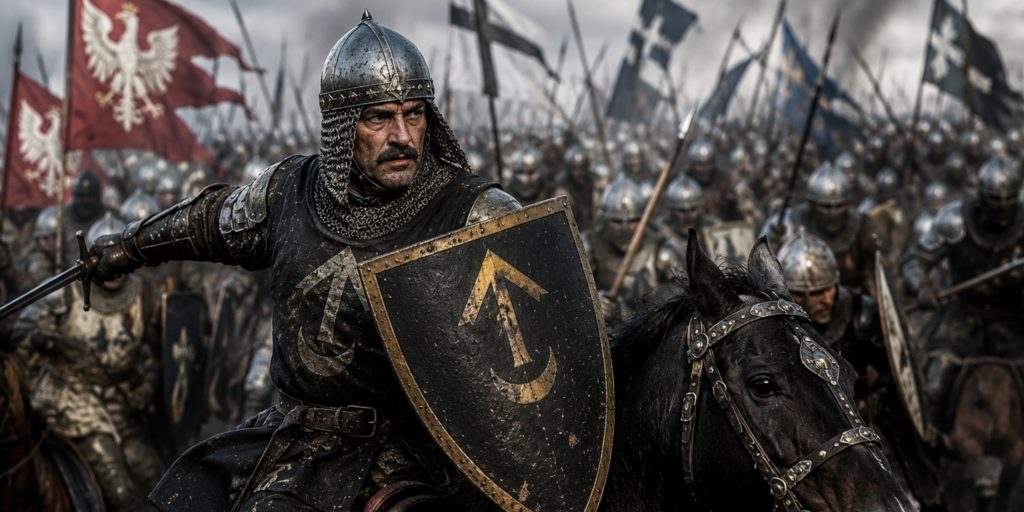
Zawisza Czarny became renowned throughout Europe for his honour and battlefield courage.
At Grunwald he fought against the Teutonic Knights in one of medieval Europe’s largest battles.
His reputation grew so great that in Poland the phrase “reliable as Zawisza” remains an expression of absolute trustworthiness.
Few medieval warriors left such an enduring reputation.
20. Joan of Arc Returns After Being Wounded (1429)
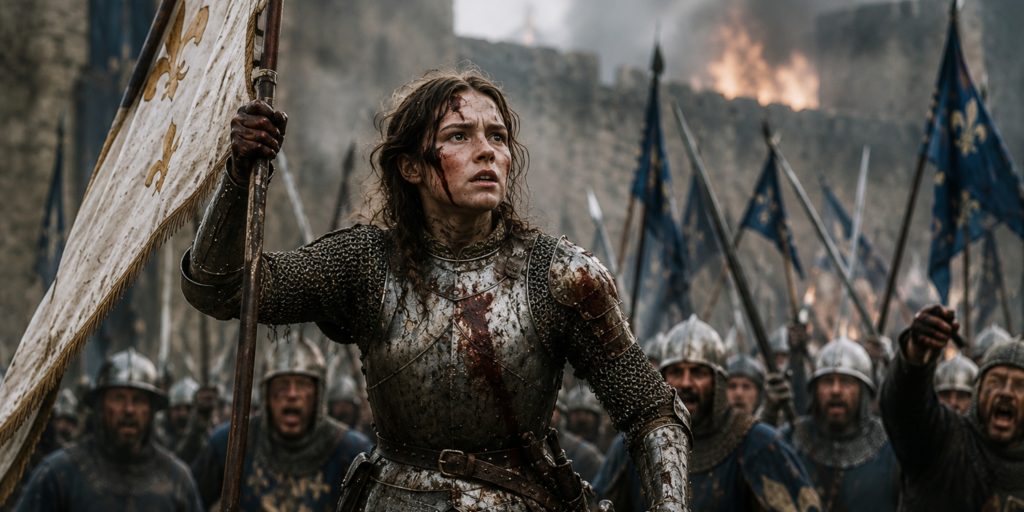
Joan of Arc changed the course of the Hundred Years’ War through belief as much as military leadership.
During the siege of Orléans she suffered an arrow wound but returned to the battlefield later the same day carrying her banner.
Her presence inspired renewed French attacks that forced the English to abandon the siege.
She never claimed to be the strongest soldier present.
She simply refused to allow fear to dictate her actions.
What Medieval Bravery Really Looked Like
Looking across these twenty stories, one lesson becomes remarkably clear.
Bravery was not reserved for kings or famous knights.
It belonged to anonymous Vikings defending bridges, exhausted infantry holding shield walls, commanders refusing to abandon their men and individuals whose names disappeared from history altogether.
Some of these stories are supported by detailed contemporary evidence. Others have grown through centuries of legend. That uncertainty is part of medieval history’s charm. Every generation retold these tales because they represented ideals people wanted to believe in.
As a historian, I think that is perhaps the greatest legacy of medieval courage. Long after the swords rusted and the castles fell silent, these stories continued reminding people that bravery is rarely about lacking fear. More often, it is about choosing to stand firm when every sensible instinct suggests running in the opposite direction.
That is a lesson that has never really gone out of fashion.