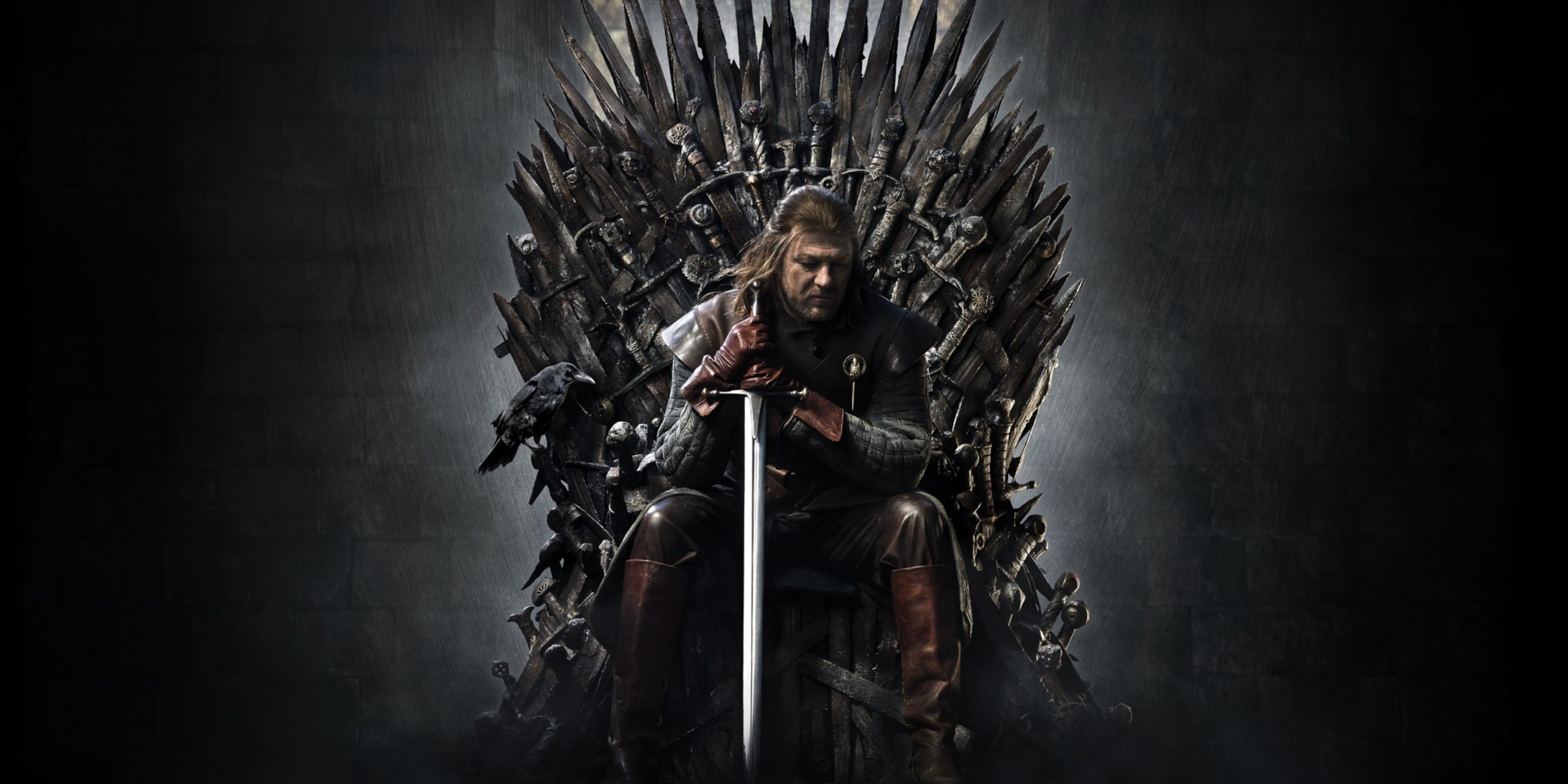
Few television series have changed popular culture quite like Game of Thrones. What began as HBO’s adaptation of George R. R. Martin’s A Song of Ice and Fire quickly became a worldwide phenomenon, attracting audiences far beyond traditional fantasy fans. By the time the final season aired, millions of viewers were debating succession, analysing battle tactics and arguing over who deserved the Iron Throne. Some of those debates are still going strong, which is either a testament to the show’s impact or proof that the internet never forgets.
There is a good reason the series became such a cultural event. Game of Thrones blended political intrigue, brutal warfare, memorable characters and one of the richest fantasy worlds ever created. It borrowed heavily from real medieval history while introducing dragons, White Walkers and Valyrian steel to create something that felt both familiar and unpredictable.
This guide explores everything worth knowing about Game of Thrones, from its origins and timeline to its legendary swords, historical inspirations and enduring legacy.
Contents
- What is Game of Thrones?
- The Story of Westeros
- Timeline
- The Great Houses
- Main Characters
- Legendary Swords
- Dragons and Magic
- Battles That Defined the Series
- Historical Inspiration
- Why the Show Became a Global Success
- Controversial Final Season
- House of the Dragon and Future Series
- Frequently Asked Questions
What is Game of Thrones?
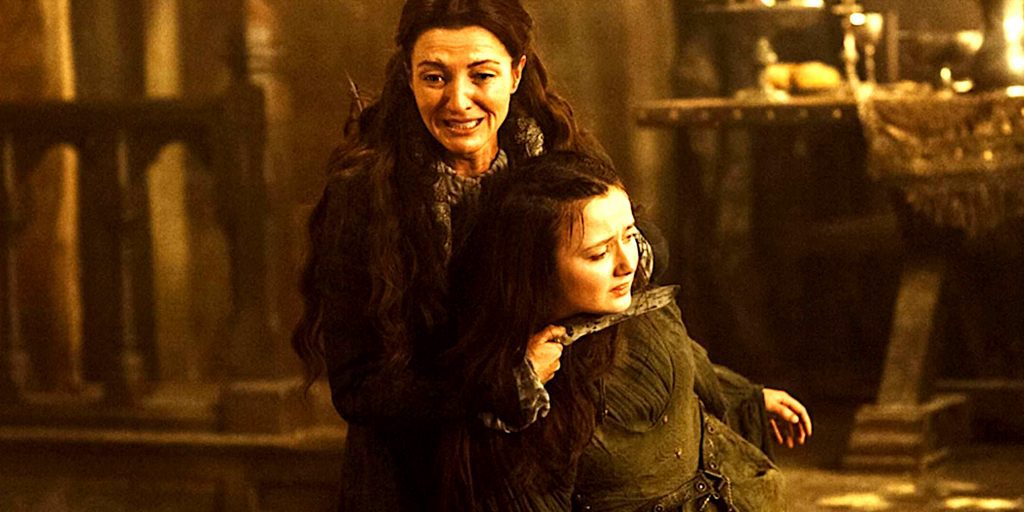
Premiering in 2011, Game of Thrones ran for eight seasons and adapted much of George R. R. Martin’s unfinished fantasy saga. The story follows rival noble families competing for power across the fictional continents of Westeros and Essos, while an ancient supernatural threat slowly approaches from the frozen north.
Unlike many fantasy stories before it, there were no guaranteed heroes. Noble characters died unexpectedly, villains occasionally displayed humanity and political mistakes often proved deadlier than any sword.
The series became known for:
- Complex political storytelling
- Moral ambiguity
- Massive battle sequences
- Detailed world building
- Memorable dialogue
- Iconic weapons and armour
- Dragons unlike anything previously seen on television
The Story of Westeros

The Seven Kingdoms are ruled from King’s Landing by whoever controls the Iron Throne. At least, that is the theory.
In reality, every major house has its own ambitions, grudges and questionable relatives. Alliances shift constantly and almost every victory creates another enemy.
Beyond politics, two much older conflicts shape the world:
- The return of dragons through Daenerys Targaryen
- The advance of the White Walkers beyond the Wall
These parallel stories eventually collide, placing survival above politics, although not everyone receives that particular memo.
Timeline
| Period | Major Event |
|---|---|
| Ancient Age | Children of the Forest inhabit Westeros |
| Age of Heroes | Bran the Builder constructs the Wall |
| Andal Invasion | Faith of the Seven spreads across Westeros |
| Targaryen Conquest | Aegon unites the Seven Kingdoms |
| Robert’s Rebellion | Targaryens lose the throne |
| Season 1 | King Robert dies, War of the Five Kings begins |
| Seasons 2 to 6 | Civil war, dragons return, White Walkers advance |
| Season 7 | Alliance against the Night King |
| Season 8 | Battle of Winterfell and fall of King’s Landing |
The Great Houses
House Stark
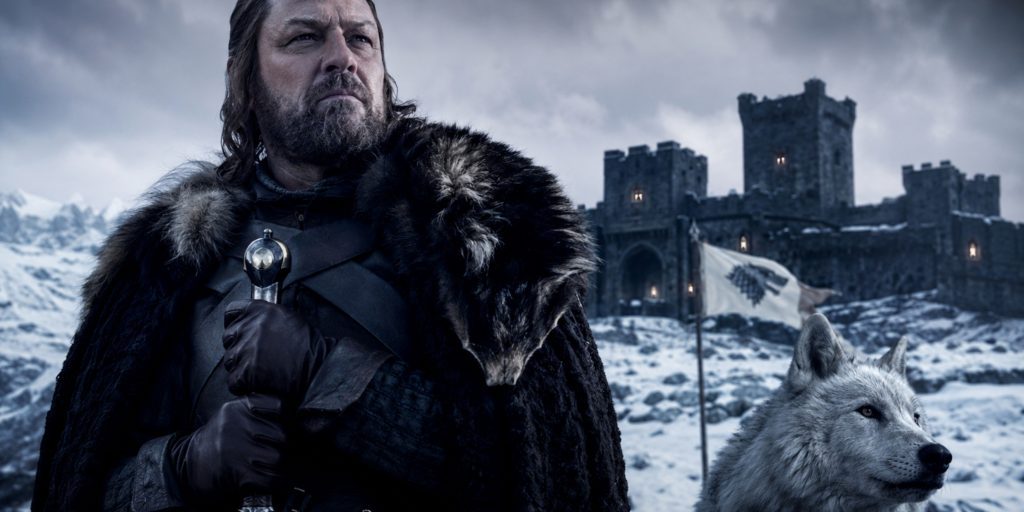
The honourable rulers of Winterfell remain the emotional centre of the story.
Words: Winter Is Coming
Not exactly cheerful, but wonderfully practical.
Key figures include:
- Eddard Stark
- Robb Stark
- Arya Stark
- Sansa Stark
- Bran Stark
- Jon Snow
House Lannister
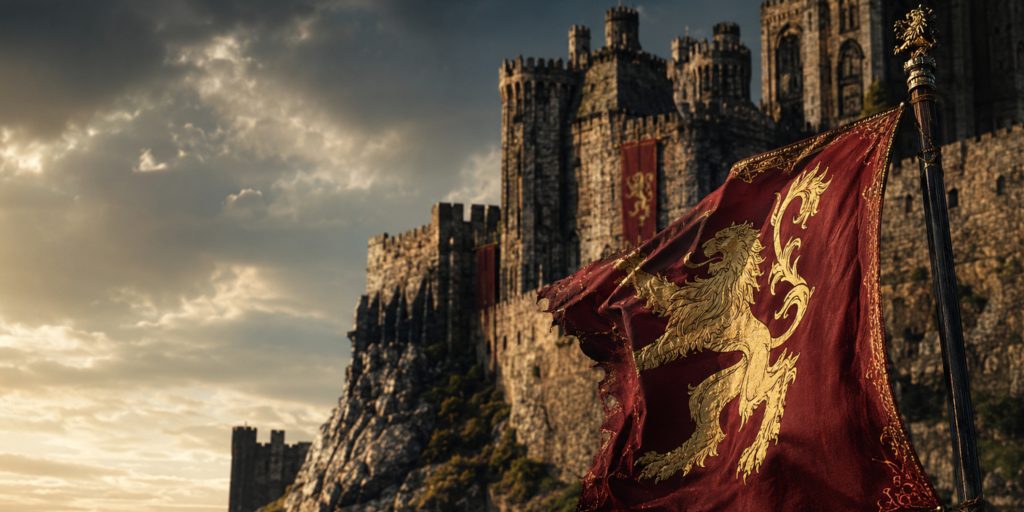
Rich, ruthless and astonishingly good at family drama.
Words: Hear Me Roar
Although everyone remembers “A Lannister always pays his debts.”
Key members include:
- Tywin Lannister
- Cersei Lannister
- Jaime Lannister
- Tyrion Lannister
House Targaryen
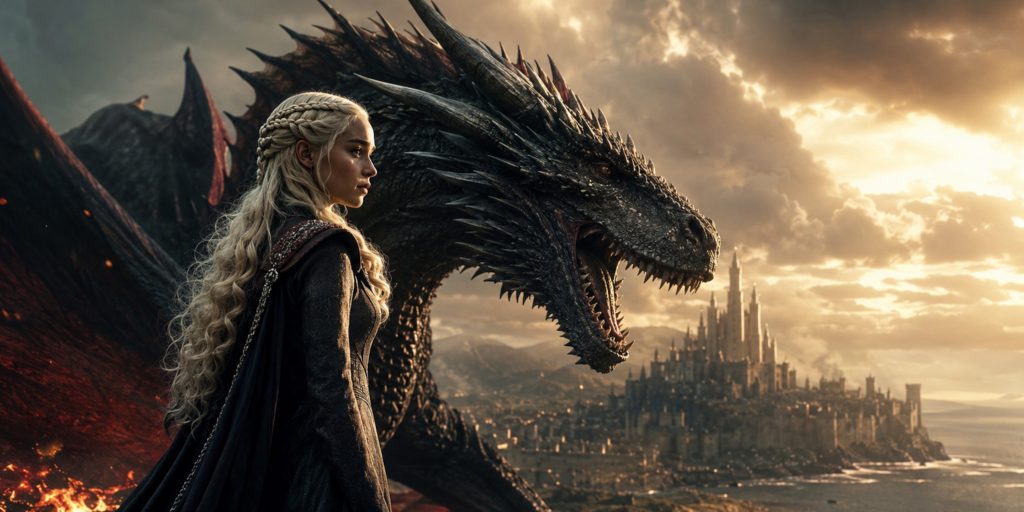
Former rulers of Westeros whose power rested on dragons.
Key figures:
- Daenerys Targaryen
- Viserys Targaryen
- Aegon the Conqueror
- Rhaegar Targaryen
Other Major Houses
- Baratheon
- Greyjoy
- Martell
- Tyrell
- Arryn
- Tully
- Bolton
- Frey
Each contributes significantly to the political landscape, often changing the balance of power through marriage, betrayal or military force.
Main Characters
Jon Snow

Perhaps the most recognisable character in the series.
Initially believed to be Ned Stark’s illegitimate son, Jon develops into one of Westeros’ greatest military leaders and eventually discovers his true heritage.
Daenerys Targaryen

Beginning as an exiled princess, Daenerys transforms into the Mother of Dragons and one of the most powerful rulers in the known world.
Her journey remains one of fantasy television’s most discussed character arcs.
Tyrion Lannister

Intelligent, sarcastic and frequently the smartest person in whichever room he happens to survive.
His wit often proves more dangerous than any sword.
Arya Stark

One of television’s greatest revenge stories.
Her transformation from noble child to elite assassin remains among the series’ strongest character developments.
Legendary Swords
Weapons matter enormously in Game of Thrones. Named blades often carry centuries of history and become symbols of entire families.
| Sword | Owner |
|---|---|
| Ice | House Stark |
| Longclaw | Jon Snow |
| Oathkeeper | Brienne of Tarth |
| Widow’s Wail | Joffrey Baratheon |
| Needle | Arya Stark |
| Dark Sister | House Targaryen |
| Blackfyre | Targaryen Kings |
| Heartsbane | House Tarly |
| Dawn | House Dayne |
Valyrian steel weapons possess exceptional strength and the rare ability to kill White Walkers, making them among the world’s most valuable treasures.
Dragons and Magic
Magic slowly returns alongside Daenerys’ dragons.

The series introduces:
- Dragonfire
- Greenseers
- Warging
- Resurrection
- Shadow magic
- White Walkers
- Children of the Forest
Unlike many fantasy worlds, magic remains mysterious and often unpredictable.
Battles That Defined the Series
Battle of Blackwater

The first truly spectacular battle of the series.
Wildfire transforms King’s Landing into an inferno.
Battle of the Bastards
Often regarded as one of television’s greatest battle episodes.
Its claustrophobic combat sequences remain remarkably realistic despite the fantasy setting.
Loot Train Attack
Daenerys demonstrates what happens when medieval armies encounter dragons.
The answer is generally “run.”
Battle of Winterfell
The climactic confrontation against the Night King.
Its scale pushed television production to new technical limits, even if viewers occasionally wished someone had turned the lights up.
Historical Inspiration
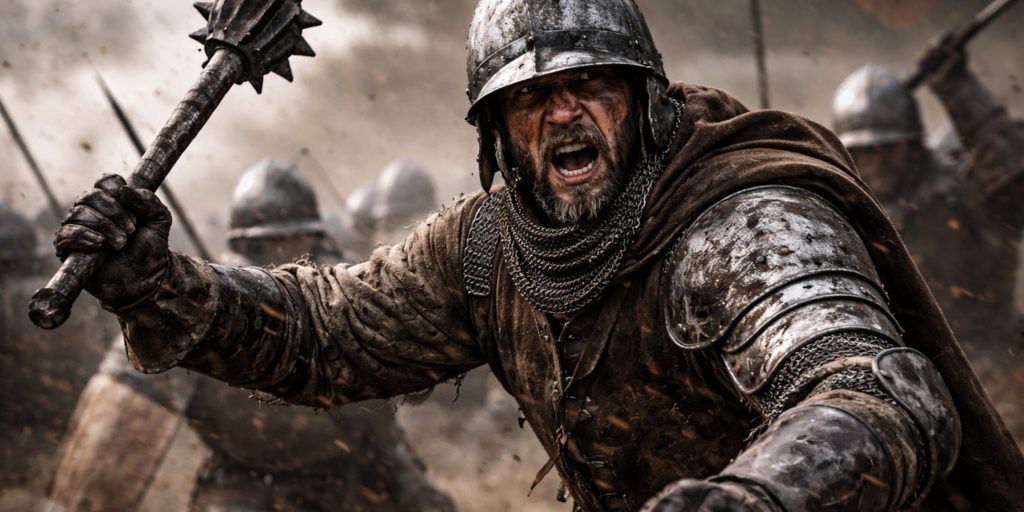
George R. R. Martin has frequently acknowledged the influence of medieval history.
Many events echo real conflicts.
| Fiction | Historical Inspiration |
|---|---|
| War of the Five Kings | Wars of the Roses |
| The Wall | Hadrian’s Wall |
| Red Wedding | Black Dinner and Glencoe Massacre |
| Iron Throne politics | Medieval English succession crises |
| Targaryen conquest | Norman Conquest |
This grounding in genuine history gives the world much of its credibility.
Why Game of Thrones Became a Global Success
Several factors helped separate it from earlier fantasy adaptations.
Every decision mattered
Actions carried genuine consequences.
Characters felt human
Even villains often possessed understandable motivations.
Production values
HBO invested heavily in practical locations, costumes, visual effects and battle choreography.
Constant unpredictability
Major characters could disappear with very little warning.
Watching the opening credits became strangely reassuring because everyone else felt expendable.
The Final Season
Season 8 remains one of television’s most divisive conclusions.
Some viewers appreciated the broad direction of the ending, while others criticised its pacing and character development. The debate continues years later, illustrating just how invested audiences became in the story.
Regardless of opinion, the series remains one of the most influential television productions ever made.
House of the Dragon and the Expanding Universe

The success of Game of Thrones led to several spin off projects.
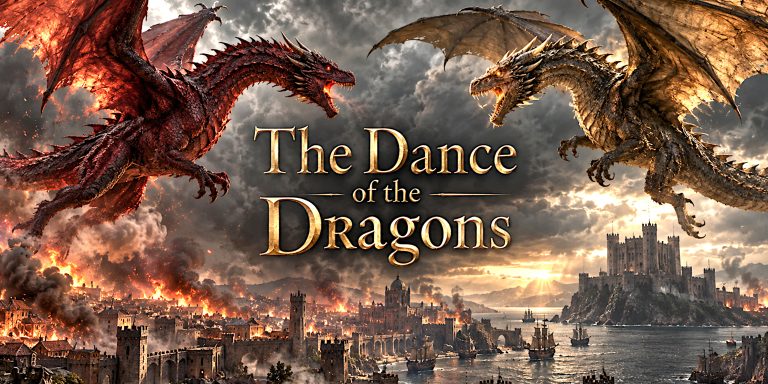
The first, House of the Dragon, explores the Targaryen civil war known as the Dance of the Dragons, set nearly two centuries before the original series. Other projects continue to expand Martin’s fictional history, demonstrating the lasting popularity of Westeros.
Legacy
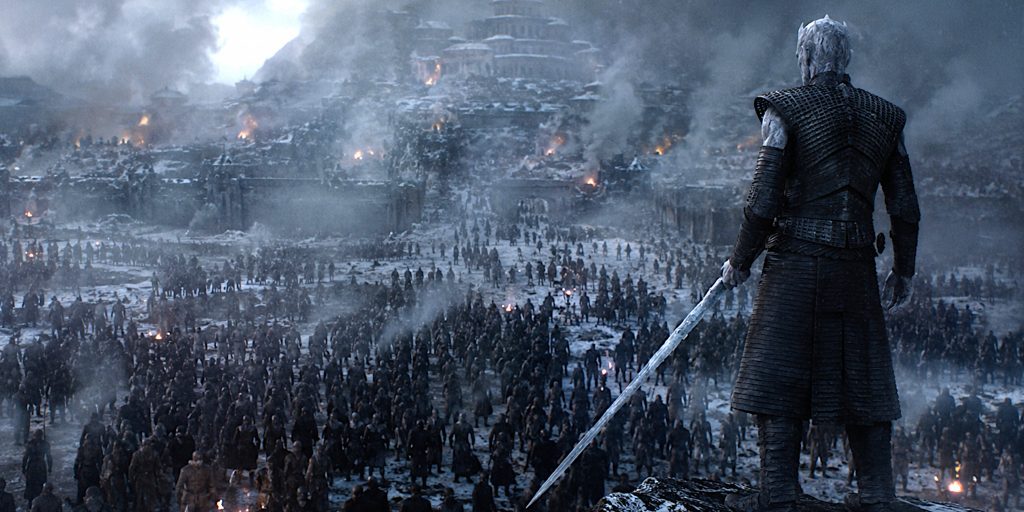
Very few television dramas have influenced popular culture to the same extent.
Its impact includes:
- Renewed interest in medieval history
- Greater popularity for fantasy television
- Academic studies examining its politics and storytelling
- Increased tourism to filming locations
- Countless video games, books and merchandise
- A lasting fascination with Valyrian steel swords and medieval-inspired weaponry
Whether people loved every episode or still passionately debate the ending, one thing is difficult to deny.
For nearly a decade, Game of Thrones became the television event everyone talked about on Monday morning.
Frequently Asked Questions
Is Game of Thrones based on real history?
No, but many events draw inspiration from medieval England, Scotland, France and wider European history.
How many seasons are there?
Eight seasons aired between 2011 and 2019.
Which sword is the most famous?
Longclaw, Ice and Oathkeeper are among the best known, although Dark Sister and Blackfyre remain fan favourites thanks to the wider Targaryen history.
Is House of the Dragon connected?
Yes. It takes place roughly 170 years before the events of Game of Thrones and explores the height of Targaryen power.
Will George R. R. Martin finish the books?
The novels remain unfinished, with The Winds of Winter still highly anticipated by readers worldwide.