Content note: This review contains major spoilers for all six seasons.
Vikings begins with a farmer staring west and wondering what might be there. Six seasons later, armies have crossed continents, brothers have murdered brothers, kings have been dropped into snake pits and nearly everyone has acquired an alarming collection of leather trousers.
Created by Michael Hirst, the series ran from 2013 to 2020 and follows Ragnar Lothbrok, his family and the warriors shaped by his ambitions. It starts as a relatively intimate story about exploration and social rebellion before expanding into a sprawling saga of conquest, faith, revenge and inheritance.
The history is compressed, rearranged and occasionally placed into a longship before being pushed out to sea. Yet Vikings was never particularly convincing as a factual reconstruction. Its real strength is the way it uses history and legend to explore why people chase power, fame and a place in stories that will outlive them.
At its peak, the show is strange, violent and genuinely moving. At its weakest, it feels as though someone misplaced the plot beneath a pile of dramatic eyeliner.
Vikings at a Glance
| Detail | Information |
|---|---|
| Creator | Michael Hirst |
| Original run | 2013 to 2020 |
| Seasons | Six |
| Episodes | 89 |
| Original broadcaster | History |
| Main setting | Scandinavia, England, Francia, the Mediterranean and Kievan Rus |
| Central character | Ragnar Lothbrok |
| Lead actor | Travis Fimmel |
| Genre | Historical drama |
| Filming location | Primarily Ireland |
| Follow-up series | Vikings: Valhalla |
What Is Vikings About?
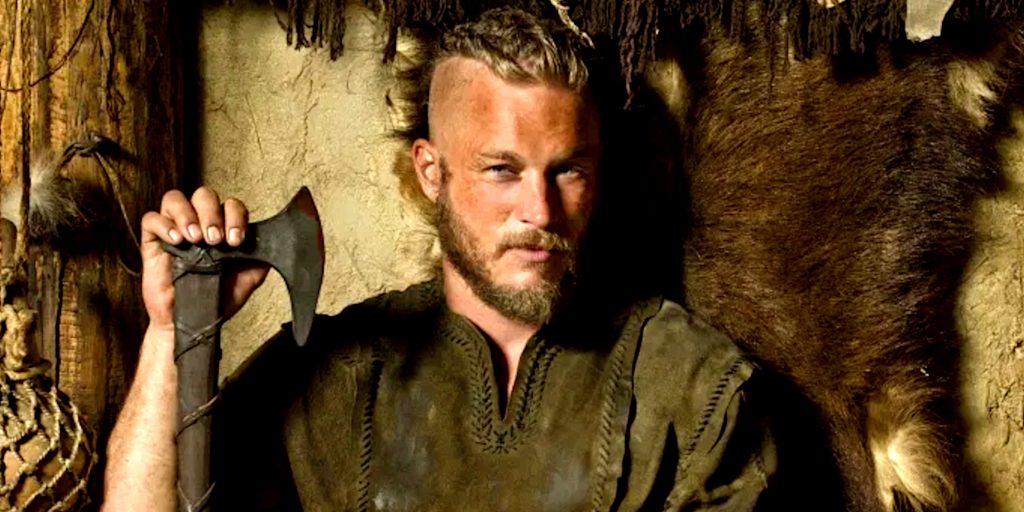
The opening season introduces Ragnar Lothbrok as a farmer and warrior living under Earl Haraldson. Ragnar believes richer lands lie west across the sea, while Haraldson prefers the familiar raiding routes to the east. With the help of the eccentric shipbuilder Floki, Ragnar constructs a vessel capable of crossing the North Sea and launches an expedition to England.
His raid on Lindisfarne changes everything.
Ragnar’s success gives him wealth, fame and enemies. He rises from farmer to earl and eventually king, although each promotion seems to make him less happy. His story becomes entangled with those of Lagertha, Rollo, Floki, King Ecbert and the monk Athelstan.
Later seasons shift attention towards Ragnar’s sons, particularly Bjorn Ironside, Ubbe and Ivar the Boneless. Their struggles carry the story into England, the Mediterranean, Iceland, Kievan Rus and eventually North America.
Calling it one story is generous. By the final seasons, Vikings is several historical sagas standing on each other’s shoulders and wearing the same fur cloak.
Ragnar Lothbrok Makes the Series
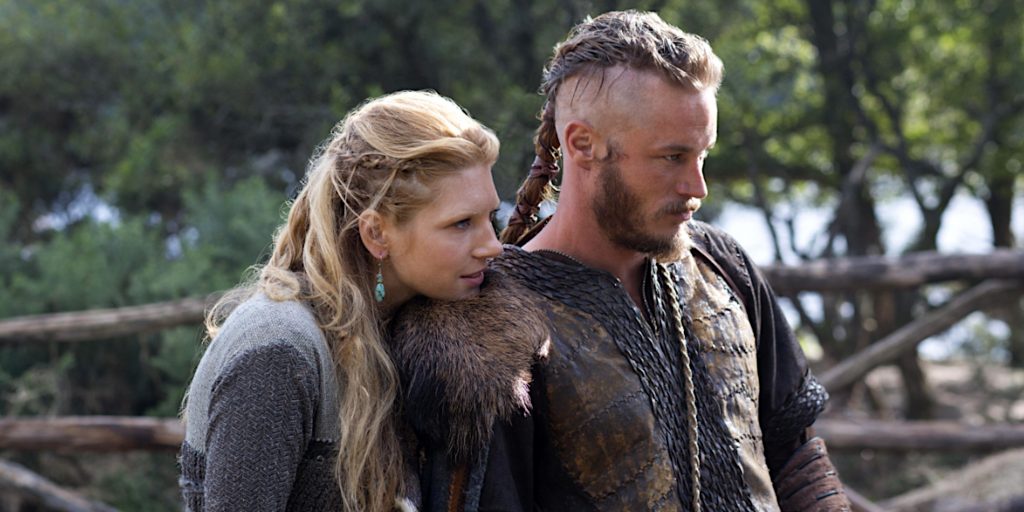
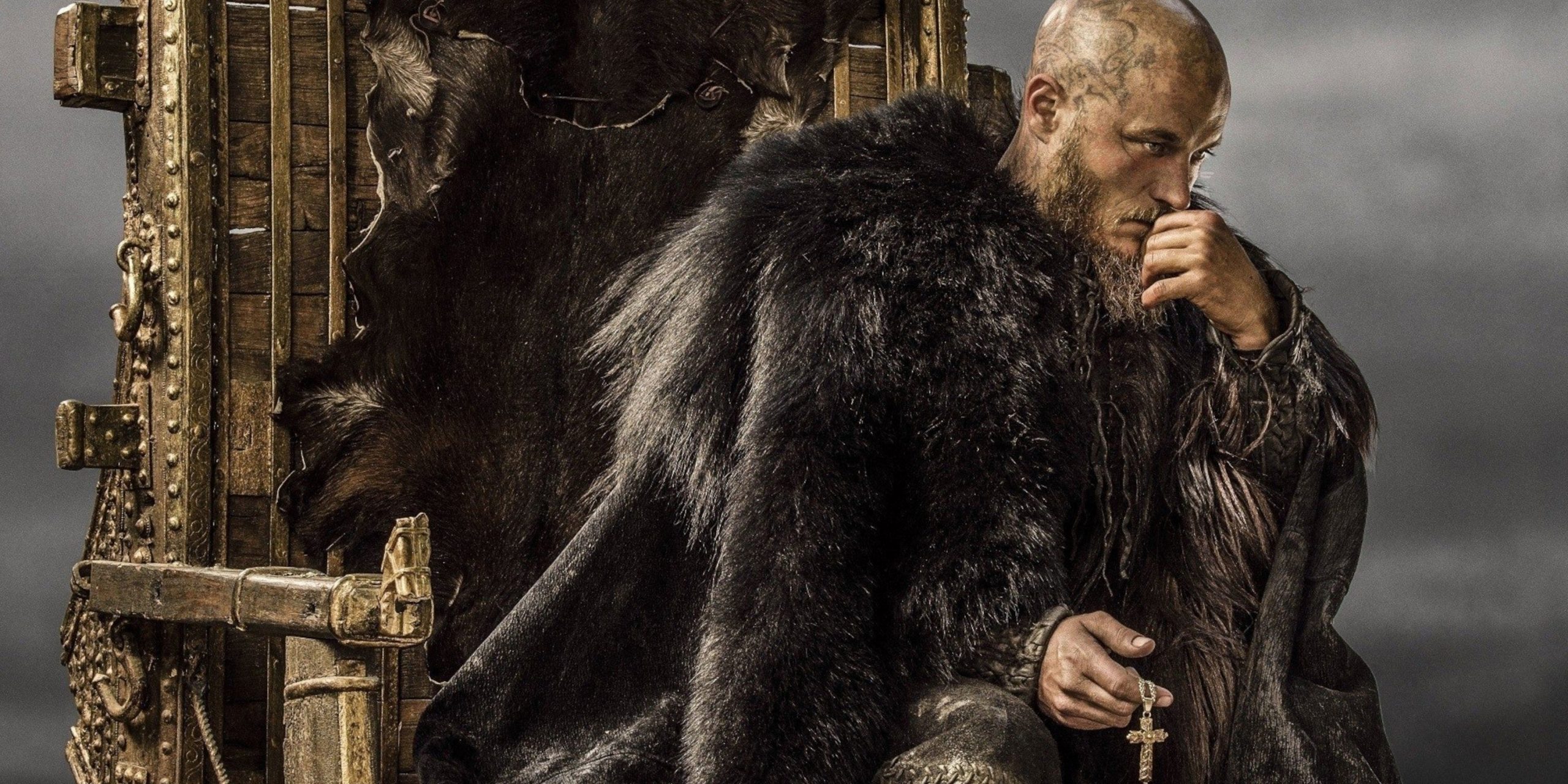
Travis Fimmel’s Ragnar is the reason Vikings becomes more than a respectable historical drama.
Ragnar is charismatic without behaving like a conventional hero. Fimmel plays him with restless eyes, crooked smiles and unsettling pauses. He often seems amused by people who have no idea how dangerous he is. At other times, he looks completely exhausted by the legend forming around him.
His defining trait is curiosity. Ragnar wants to understand new lands, unfamiliar gods and different forms of government. That curiosity brings him into conflict with conservative rulers and allows the series to explore cultural exchange without making every encounter an immediate shouting contest.
His relationship with Athelstan is especially important. Through the former monk, Ragnar encounters Christianity as an idea rather than merely the religion of his enemies. Their friendship gives both characters room to question what they believe. It also produces some of the finest and quietest scenes in the series.
Ragnar’s later decline is difficult to watch, but deliberately so. Addiction, grief and political failure strip away the almost supernatural confidence of the earlier seasons. When he returns to England for his final journey, he is no longer the conquering adventurer who attacked Lindisfarne. He is an ageing man arranging the final chapter of his own legend.
His death in “All His Angels” remains the show’s emotional and dramatic high point. Vikings continues without him, sometimes impressively, but it never quite replaces his peculiar gravity.
The Characters Who Shape Ragnar’s World
Lagertha

Katheryn Winnick gives Lagertha a powerful presence from the opening episode. She is introduced as a capable fighter, farmer, mother and partner rather than a supporting character waiting for Ragnar to return.
Her journey from shield-maiden to ruler gives the series one of its longest character arcs. At her best, Lagertha is decisive, intelligent and painfully aware of the cost of power. Some of her later political storylines become repetitive, especially as control of Kattegat changes hands with the regularity of a poorly managed holiday rental.
Even so, Winnick carries the character with enough conviction to make Lagertha’s final episodes feel significant.
Rollo
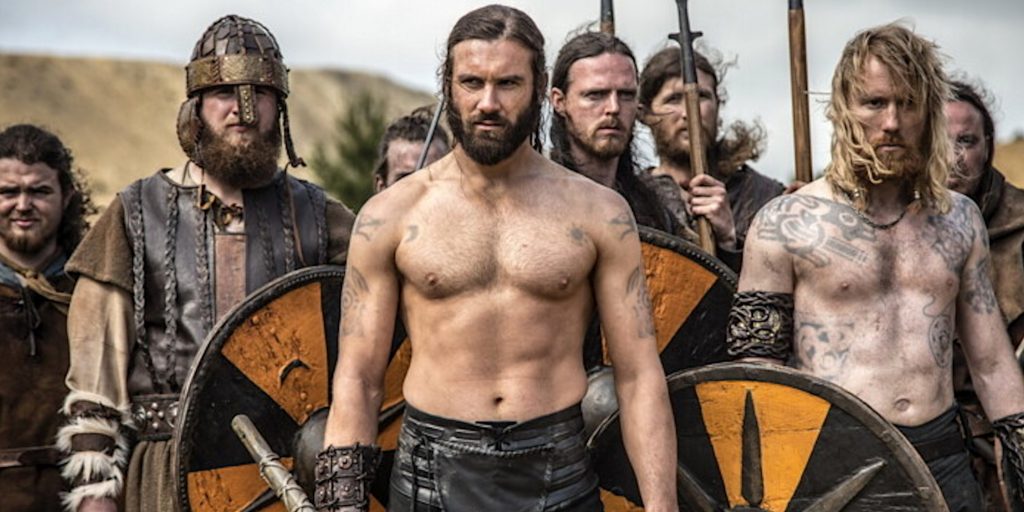
Clive Standen’s Rollo is driven by jealousy, desire and a deep resentment of living in Ragnar’s shadow. His betrayals can become frustrating, but that frustration is part of the point. Rollo wants greatness without possessing Ragnar’s patience or imagination.
His eventual transformation into a Frankish noble loosely reflects the historical Rollo, who became the first ruler of Normandy. The real Rollo was not Ragnar’s brother and belonged to a later historical context, but the change gives the television character an effective conclusion.
Floki
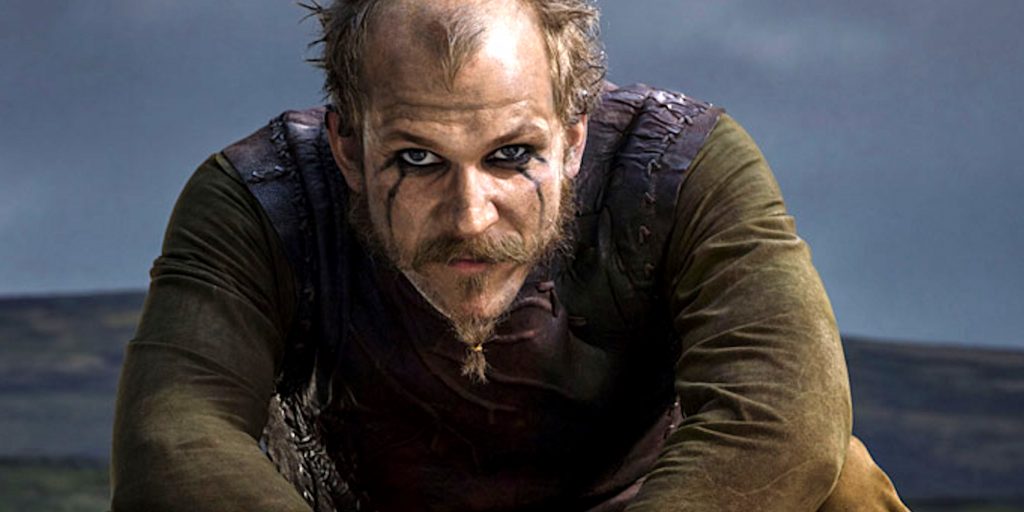
Gustaf Skarsgård delivers the show’s most unpredictable performance as Floki. He can be funny, affectionate, cruel or terrifying within the same scene. His devotion to the Norse gods places him in direct opposition to Athelstan and eventually Ragnar.
Floki’s religious certainty becomes both his strength and his tragedy. The Iceland storyline asks interesting questions about whether belief can build a peaceful society, although the pacing makes the experiment feel longer than the settlement itself probably lasted.
King Ecbert
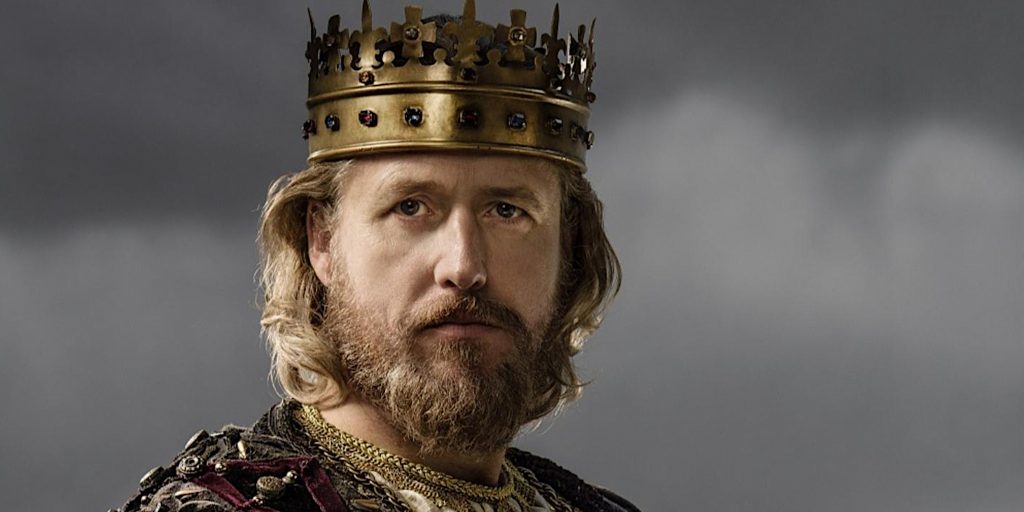
Linus Roache’s Ecbert is Ragnar’s intellectual equal and one of the series’ best characters. He is cultivated, manipulative and fascinated by the pagan king standing before him.
Their conversations reveal two rulers who recognise themselves in each other. Both are curious, ambitious and willing to sacrifice almost anyone for a larger goal. The difference is that Ecbert hides his brutality beneath Roman art and polished manners. Ragnar generally has the courtesy to look dangerous.
Athelstan
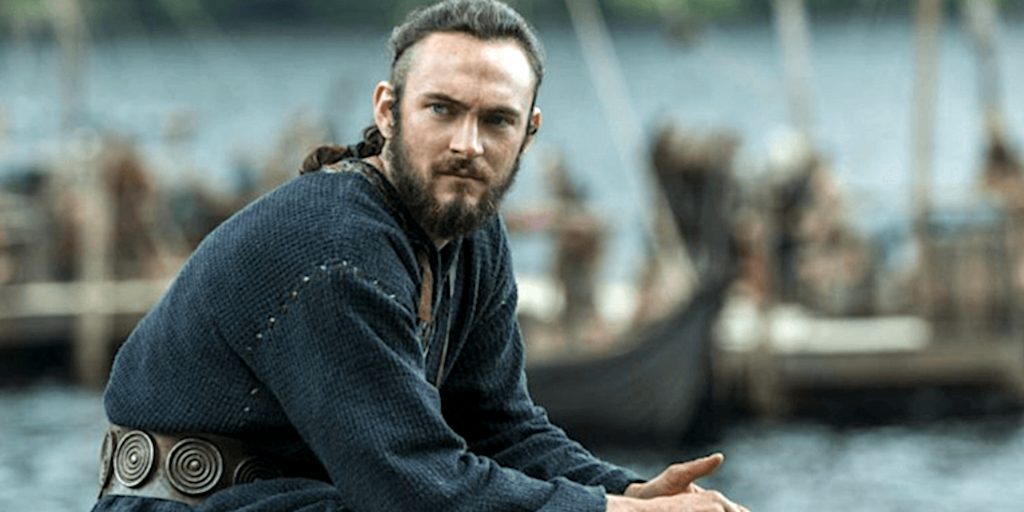
George Blagden’s Athelstan provides the emotional bridge between the Norse and Christian worlds. He is neither a simple convert nor a passive observer. His divided faith allows the series to treat religion as a genuine force in medieval life.
Athelstan’s death changes Ragnar, Ecbert and Floki in different ways. Few supporting characters leave such a large absence behind them.
Ragnar’s Sons and the Difficult Second Era

Replacing a central character is hard. Replacing Ragnar Lothbrok with several competing heirs is even harder.
Bjorn initially appears to be the natural successor. Alexander Ludwig gives him physical authority and a believable appetite for exploration. His Mediterranean expeditions expand the world of the series, while his defence of Scandinavia provides one of the later seasons’ strongest storylines. However, his personal decisions are frequently baffling. Bjorn can command an army, cross an ocean and still approach a relationship with the strategic awareness of a dropped axe.
Ubbe becomes the son who most closely inherits Ragnar’s curiosity. Rather than chasing conquest alone, he searches for land, understanding and a sustainable future. His western voyage gives the series an appropriately exploratory final thread.
Hvitserk receives a darker and less consistent story involving addiction, guilt and religious uncertainty. Marco Ilsø commits to the material, although the character sometimes seems to be waiting for the script to remember what it wants him to do.
Ivar the Boneless dominates much of the final era. Alex Høgh Andersen makes him intelligent, theatrical and deeply insecure. At first, Ivar is a genuinely frightening antagonist. His combination of vulnerability and cruelty gives him an unstable energy that works extremely well.
The difficulty is repetition. Ivar gains power, loses it, reinvents himself and returns to conflict several times. His story remains watchable because Andersen is so committed, but the series leans on him until the character begins to creak.
The Best Seasons of Vikings
| Season | Main focus | Assessment |
|---|---|---|
| Season 1 | Lindisfarne and Ragnar’s rise | Focused, atmospheric and refreshingly intimate |
| Season 2 | Conflict with Jarl Borg and King Horik | Stronger politics and excellent character development |
| Season 3 | Wessex, Mercia and the first attack on Paris | One of the show’s most complete seasons |
| Season 4 | Ragnar’s fall, Paris and the Great Army | Uneven but contains the series’ finest episodes |
| Season 5 | Civil war among Ragnar’s sons | Ambitious, visually impressive and overextended |
| Season 6 | Rus, Norway and the final voyages | Inconsistent, though it finds a satisfying emotional ending |
The first three seasons form the most coherent stretch. The cast is tightly connected, the political struggles are easy to follow and Ragnar remains at the centre.
Season four reaches higher but becomes more uneven as it expands to 20 episodes. Its second half, particularly Ragnar’s return and death, justifies the longer journey.
The final two seasons contain major battles and memorable performances, but they lack the earlier focus. The story repeatedly returns to control of Kattegat, even after the series has opened routes across much of the known world. Watching another contest for the same throne can feel strangely small after Paris, York and the Mediterranean.
The Battles and Action
Vikings understands that a battle should reveal character rather than merely provide a quota of bodies falling into mud.
The early raids are tense because Ragnar’s group is small and vulnerable. Every shield matters. Later confrontations become larger and more theatrical, particularly the attacks on Paris, the Great Heathen Army’s campaign in England and Bjorn’s last stand.
The shield walls are among the show’s most recognisable images. They look convincing on screen and communicate the claustrophobic terror of close combat, even when the formations inevitably break apart so the principal cast can have individual duels.
The choreography favours heavy blows, shield strikes and physical exhaustion. It is not a reconstruction of Viking Age combat, but it usually feels dangerous. People slip, panic and become overwhelmed. Armour works selectively, of course. Main characters can survive punishment that would turn an unnamed warrior into part of the scenery.
The raids on Paris are probably the production’s finest military set pieces. They combine river warfare, siege engines, defensive fortifications and political calculation on a scale the first season could only suggest.
Swords and Weapons in Vikings
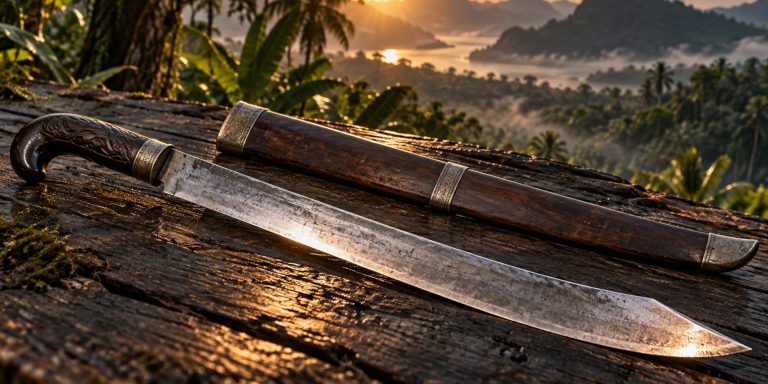
The series gives swords enormous visual and symbolic importance, but historical Norse armies relied on a broader range of weapons.
Viking swords
Most Viking Age swords were double-edged weapons designed primarily for cutting. Their blades were generally around 70 to 90 centimetres long, with short guards and prominent pommels. The grip was intended for one-handed use alongside a shield.
Swords were expensive. Ownership suggested wealth, status or success in war. A common warrior was more likely to carry a spear or axe, both of which required less metal and could be brutally effective.
The series broadly understands the sword’s social value. Important blades are inherited, presented as gifts and used to express authority. It becomes less reliable when nearly every established character appears to own something worthy of a royal burial.
Ulfberht blades
Blades bearing variations of the inscription Ulfberht have been found across Europe and are associated with high-quality Frankish manufacture. They were traded, gifted, copied and possibly acquired through raiding.
The programme uses Ulfberht swords as elite weapons, which is reasonable in broad terms. It sometimes treats the name as though it identifies one almost magical sword type. In reality, the surviving blades differ in quality and were produced across a long period.
They were impressive weapons, but they were not medieval lightsabres.
Axes
Axes are used throughout the series and are more representative of the weapons available to many Norse fighters. Small hand axes could serve as tools and weapons, while larger forms offered considerable reach and cutting power.
The show often exaggerates the weight and decorative complexity of these weapons. Real fighting axes benefited from comparatively thin blades and efficient construction. Carrying a huge lump of iron into prolonged combat would be an excellent way to become tired shortly before becoming dead.
Spears
The spear was one of the most important weapons of the Viking Age. It was relatively economical, useful in formation and capable of thrusting or throwing.
Vikings includes spears but rarely grants them the attention given to swords and axes. This is understandable for television because a named sword is more glamorous than a practical pole with a sharp end. Historically, however, the spear deserves a much larger share of the glory.
Seaxes
The seax was a single-edged knife or short blade found in several early medieval European cultures. Sizes varied considerably. Smaller examples served as everyday tools, while larger blades could function as serious weapons.
The series uses seaxes effectively in close combat and assassination scenes, where their compact size makes sense.
How Historically Accurate Is Vikings?
The shortest honest answer is that Vikings is historically inspired rather than historically accurate.
It draws characters and incidents from chronicles, later sagas and legendary traditions. These sources were written for different purposes and often disagree with one another. Michael Hirst combines them into a single family narrative, compressing events from well over a century into the lifetimes of Ragnar and his sons.
Ragnar Lothbrok
The historical existence of one Ragnar Lothbrok is uncertain. Medieval sources describe a legendary warrior and father of famous Viking leaders, but the stories may combine several individuals.
A Norse leader recorded as Reginherus attacked Paris in 845, and he is frequently proposed as one influence on the Ragnar tradition. The series turns scattered historical and legendary material into one continuous biography.
The raid on Lindisfarne
The Viking attack on Lindisfarne occurred in 793. The series presents Ragnar as its leader, but no contemporary source identifies him as such.
Scandinavians also knew that Britain existed before this raid. Trade and contact across the North Sea had been taking place for generations. Ragnar did not personally discover England, no matter how dramatically he stared at a sun compass.
Rollo
The historical Rollo became ruler of lands that developed into Normandy in the early tenth century. He was not Ragnar’s brother and belonged to a later generation than many of the events shown in the series.
His inclusion works dramatically because it gives Ragnar a rival within his own family, but the relationship is fictional.
Lagertha
Lagertha appears in Saxo Grammaticus’s Gesta Danorum, written centuries after the period in which she supposedly lived. There is no secure contemporary evidence for her life.
Evidence concerning women and warfare in Viking society remains debated. Some furnished burials, most famously the chamber grave at Birka known as Bj 581, have strengthened discussion about women occupying martial or command roles. They do not establish that shield-maidens operated exactly as shown on television.
Costumes and armour
The programme’s costumes create a strong visual identity but are not reliable reconstructions. Dark leather, shaved hairstyles and elaborate straps dominate the screen because they look suitably fierce.
Historical clothing was often colourful, woven from wool and linen, and fastened with brooches. Mail was expensive, helmets were practical and there is no evidence for horned Viking helmets in battle. At least the series avoids that particular crime.
Timeline
The greatest distortion is chronological. Lindisfarne in 793, the Paris raid of 845, the Great Heathen Army from 865 and Rollo’s rise in Normandy during the early tenth century are pulled into one connected generational story.
That makes compelling television. It does not make a usable revision guide.
Faith, Fate and Cultural Conflict
Religion gives Vikings much of its atmosphere.
The Norse gods are not treated as decorative mythology. Ragnar, Floki and Lagertha understand their world through divine signs, ritual and fate. Christian characters are equally shaped by ideas of sin, salvation and providence.
The series is most interesting when belief creates uncertainty. Ragnar becomes fascinated by Christianity without simply abandoning the Norse gods. Athelstan moves between both traditions and feels entirely secure in neither. Floki responds to ambiguity by becoming more fanatical.
Supernatural moments are usually presented through the perceptions of the characters. Odin appears after Ragnar’s death, the Seer delivers cryptic prophecies and visions blur the boundary between faith and reality. The programme rarely confirms what is objectively happening. That uncertainty suits a story built from legend.
Where Vikings Loses Its Way
The later seasons struggle with scale and repetition.
Kattegat becomes the centre of an endless succession dispute. Characters seize it, lose it and return with another army. The location matters symbolically, but the repeated civil wars make Norse politics feel strangely limited.
Several relationships are introduced and discarded too quickly. Death becomes so common that some losses barely have time to register. The series can also confuse misery with depth, particularly when nearly every character enters a cycle of betrayal, grief and revenge.
Its visual style gradually becomes more exaggerated. Hairstyles grow stranger, armour becomes darker and Ivar increasingly resembles the frontman of a Viking metal band who has accidentally conquered a kingdom.
None of this makes the final seasons worthless. Bjorn’s conclusion is powerful, Ubbe’s voyage restores the sense of wonder found in the opening episodes and Floki’s return gives the finale a welcome note of peace. The route there is simply less disciplined.
The Ending Explained
The final episodes bring Ragnar’s surviving sons to very different destinations.
Bjorn becomes a symbol of resistance after suffering a mortal wound. His last appearance transforms him from a flawed ruler into the legendary figure he always wanted to be.
Ivar returns to England and dies in battle. His final moments reveal the frightened person beneath the performance of invincibility. Hvitserk survives and accepts baptism, taking the name Athelstan. It is a choice loaded with memories of Ragnar’s closest friend and his family’s long engagement with Christianity.
Ubbe reaches North America and encounters an Indigenous community. There he discovers Floki, older and finally detached from the violence that consumed so much of his life. Their quiet conversation beside the sea closes the series.
It is a fitting conclusion because Vikings began with the desire to cross an unknown ocean. After years of kingship and war, the final destination is not another throne. It is a new shore.
Is Vikings Still Worth Watching?
Yes, especially if you want a character-led historical drama rather than a precise account of the Viking Age.
The first four seasons contain some of the finest work in modern historical television. Travis Fimmel, Katheryn Winnick, Gustaf Skarsgård, George Blagden and Linus Roache give the series a distinctive emotional core. The battles are large enough to impress but personal enough to matter.
The final seasons demand more patience. There are excellent episodes and rewarding conclusions, but also repeated conflicts and storylines that could have lost a few hours without upsetting the gods.
New viewers should approach Vikings as a modern saga. It combines documented events, medieval legend and original drama into a story about ambition and inheritance. Use it as a starting point for exploring the period, not as proof that everyone in ninth-century Scandinavia owned black leather and visited the same barber.
Vikings Review Verdict
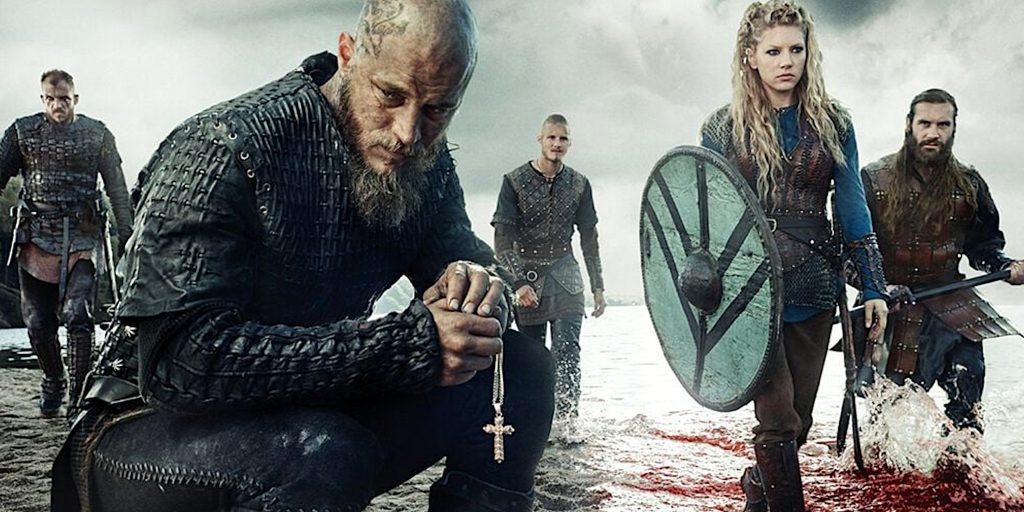
Vikings is uneven, historically unruly and frequently brilliant. Its early seasons turn exploration, religion and political ambition into compelling drama, while Ragnar Lothbrok becomes one of the most memorable characters in historical television.
The series loses focus after his death, yet it retains enough strong performances, visual ambition and emotional weight to reach a meaningful conclusion. Its version of the Viking Age is heavily stylised, but the questions beneath the spectacle remain interesting. What makes a ruler? Can faith survive doubt? Is fame worth the cost of earning it?
Most importantly, Vikings understands that legends are rarely tidy. They are argued over, embellished and handed down until history and story become almost impossible to separate.
Rating: 8.5 out of 10
Best season: Season 3
Best episode: “All His Angels”
Best performance: Travis Fimmel as Ragnar Lothbrok
Historical accuracy: Limited
Entertainment value: Extremely high when the series is at its best
Frequently Asked Questions
Is Vikings based on a true story?
Vikings combines real events, historical people, later medieval sagas and original fiction. Raids on Lindisfarne and Paris, the Great Heathen Army and Rollo’s rise in Normandy have historical foundations, but their chronology and participants are heavily altered.
Was Ragnar Lothbrok a real person?
It is uncertain. Ragnar may be a legendary figure assembled from the stories of several Viking leaders. Some historians associate elements of his legend with Reginherus, who led the Viking attack on Paris in 845.
Why did Vikings continue after Ragnar died?
The story shifted towards Ragnar’s sons, whose legendary or historical exploits allowed the series to explore the Great Heathen Army, Mediterranean voyages, Kievan Rus and Norse exploration across the Atlantic.
Which Vikings season is the best?
Season three is arguably the strongest complete season. It balances character development, religious conflict, politics and large-scale action without becoming as fragmented as the later episodes.
Is Vikings suitable for younger viewers?
The series contains graphic violence, sexual content, enslavement, torture and disturbing deaths. It was made for mature audiences.
Is Vikings: Valhalla a direct continuation?
Vikings: Valhalla is set roughly a century after the original series. It features a new cast of historical and legendary figures, although the reputation of Ragnar and other earlier Vikings remains part of its world.
Where can I watch Vikings?
Streaming availability changes by country. The series may be available through Netflix, Amazon Prime Video or other regional services. Check a current streaming guide before subscribing, because licensing arrangements move around almost as often as the throne of Kattegat.