This is not a list built on myth alone. It weighs battlefield results, strategic influence, adaptability, and how these commanders were seen by their own age. Some were kings, some mercenaries, some accidental generals who turned out to be terrifyingly good at it. Ranking them is uncomfortable, arguable, and unavoidable.

50. Stephen of Blois (King of England)
Dates 1092 to 1154
- Summary Better soldier than posterity admits. He kept fighting through civil war, recovered from humiliations, and stayed in the game when many would have collapsed.
- Notable battles Lincoln, Wilton
- Quote “Never was a land more torn by war.” William of Malmesbury
49. Harald Hardrada (King of Norway)

Dates c.1015 to 1066
- Summary A professional warrior sharpened by service abroad. Commanded with speed and nerve, but he gambled hard and sometimes paid for it.
- Notable battles Stamford Bridge, Byzantine Balkan campaigns
- Quote “Hard counsel is his delight, and battle his joy.” Saga tradition
48. El Cid, Rodrigo Díaz de Vivar
Dates c.1043 to 1099
- Summary A commander shaped by frontier reality, not tidy ideology. He fought pragmatically, negotiated ruthlessly, and won because he adapted faster than rivals.
- Notable battles Valencia campaigns
- Quote “Never defeated in battle.” Latin biographical tradition
47. Bohemond of Taranto
Dates c.1054 to 1111
- Summary A natural operator who treated war as politics with sharper edges. Brilliant at siege pressure and coalition control, especially at Antioch.
- Notable battles Siege of Antioch
- Quote Anna Komnene portrays him as bold and dangerously cunning
46. Godfrey of Bouillon
Dates c.1060 to 1100
- Summary Not the flashiest Crusade leader, which is part of the point. Steady under pressure, reliable in command, and capable of decisive action when the moment arrived.
- Notable battles Siege of Jerusalem, Ascalon
- Quote “He refused the name of king.” Early Crusade narratives
45. Baldwin I of Jerusalem
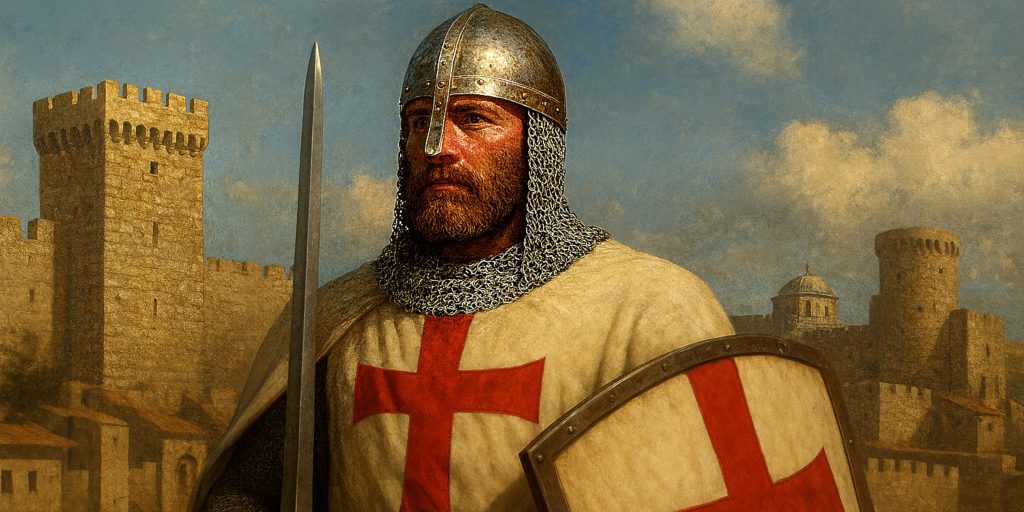
Dates 1058 to 1118
- Summary A hard frontier general who understood that survival is strategy. He stabilised a fragile kingdom with constant campaigning and blunt realism.
- Notable battles Ramla engagements, consolidation campaigns
- Quote Fulcher of Chartres praises his leadership and endurance
44. Alfonso I of Aragon, “the Battler”
Dates 1073 to 1134
- Summary A campaigning machine who kept pressure up year after year. His wins expanded borders, though politics did not always keep pace with conquest.
- Notable battles Cutanda, Zaragoza campaigns
- Quote “He preferred the camp to the court.” Iberian chronicle tradition
43. James I of Aragon, “the Conqueror”
Dates 1208 to 1276
- Summary Strategic, patient, and unusually capable at combining siegecraft, naval movement, and coalition warfare. He won because he planned.
- Notable battles Conquest of Mallorca, conquest of Valencia
- Quote In his own chronicle, he stresses effort and planning over miracle
42. Sviatoslav I of Kyiv
Dates c.943 to 972
- Summary A tempo commander who weaponised movement. His campaigns show how speed and ruthlessness can break larger political structures.
- Notable battles Balkan campaigns in Bulgaria and against Byzantium
- Quote “I come at you.” Primary Chronicle tradition
41. Alfred the Great (King of Wessex)
Dates 849 to 899
- Summary His greatness is recovery. He rebuilt military systems after disaster and made defence something you could sustain, not just suffer.
- Notable battles Edington
- Quote The Anglo-Saxon Chronicle frames him as resilient under catastrophe
40. Otto I (Holy Roman Emperor)
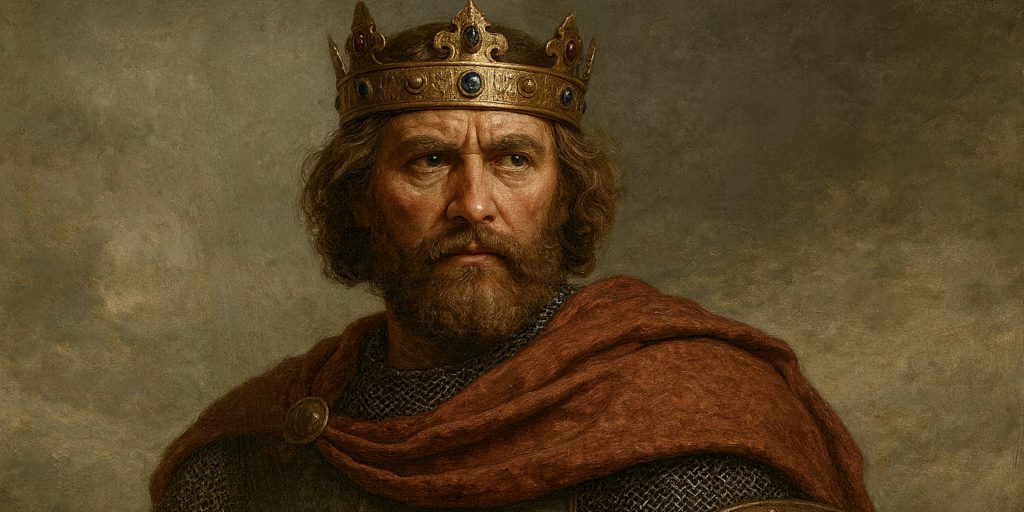
Dates 912 to 973
- Summary The kind of commander who turns a realm into a machine. Lechfeld is not just a win, it is a strategic reset for Central Europe.
- Notable battles Lechfeld
- Quote Widukind of Corvey celebrates him as the breaker of the Magyar threat
39. Robert Guiscard (Norman duke of Apulia)
Dates c.1015 to 1085
- Summary A warlord with real strategic skill, combining shock tactics, diplomacy, and nerve. Even Byzantium had to respect him.
- Notable battles Civitate, Dyrrhachium
- Quote Anna Komnene depicts him as frighteningly capable
38. Alexios I Komnenos (Byzantine emperor)
Dates 1056 to 1118
- Summary A fixer in armour. He saved an empire through reforms, alliances, and selective violence, even when victories were messy.
- Notable battles Pecheneg campaigns, Norman wars
- Quote Anna Komnene frames him as a strategist under relentless pressure
37. Nur ad-Din Zangi
Dates 1118 to 1174
- Summary The architect behind later triumphs. He built disciplined institutions, unified power, and applied pressure with restraint and intelligence.
- Notable battles Campaigns against Crusader states, consolidation of Syria
- Quote Muslim chroniclers emphasise his justice and seriousness in war
36. Frederick I Barbarossa (Holy Roman Emperor)
Dates 1122 to 1190
- Summary Persistent, forceful, and politically relentless. Not invincible, but he understood that presence, supply, and credibility are military weapons.
- Notable battles Italian campaigns, Legnano context
- Quote Otto of Freising highlights his authority and command presence
35. Philip II Augustus (King of France)
Dates 1165 to 1223
- Summary A strategic strangler. He dismantled Angevin power by targeting castles, resources, and alliances like a patient accountant of violence.
- Notable battles Bouvines
- Quote Rigord praises his judgement and statecraft
34. Richard I (King of England)
Dates 1157 to 1199
- Summary An elite battlefield commander who could make an army fight like it believed in itself. Administratively inconsistent, militarily dangerous.
- Notable battles Arsuf, Jaffa
- Quote Ralph of Diceto suggests he was born for war
33. William the Conqueror (Duke of Normandy)
Dates 1028 to 1087
- Summary Hastings shows discipline, combined arms, and morale management. His conquest was not a brawl, it was controlled violence.
- Notable battles Hastings
- Quote William of Poitiers presents him as deliberate and commanding
32. Edward I (King of England)
Dates 1239 to 1307
- Summary A system builder who used fortifications, administration, and calculated brutality to impose strategic dominance, especially in Wales.
- Notable battles Falkirk, conquest of Wales
- Quote Chroniclers repeatedly stress his severity and resolve
31. William Marshal (Regent of England)

Dates 1147 to 1219
- Summary The crisis commander par excellence. He could stabilise a collapsing political order and still win on the field when it counted.
- Notable battles Lincoln
- Quote His near-contemporary biography calls him the greatest knight of his age
30. Simon de Montfort (Earl of Leicester)
Dates 1208 to 1265
- Summary A sharp tactician with strong instincts for timing and terrain. Lewes shows brilliance, Evesham shows how fast a coalition can turn.
- Notable battles Lewes, Evesham
- Quote Matthew Paris is both impressed and alarmed by him
29. Baybars (Mamluk Sultan)
Dates 1223 to 1277
- Summary A predator with strategy. He used speed, intelligence, and intimidation to dismantle enemies systematically, not romantically.
- Notable battles Ayn Jalut, campaigns against Crusader strongholds
- Quote Later Mamluk historians emphasise the fear he inspired
28. Louis IX (King of France)
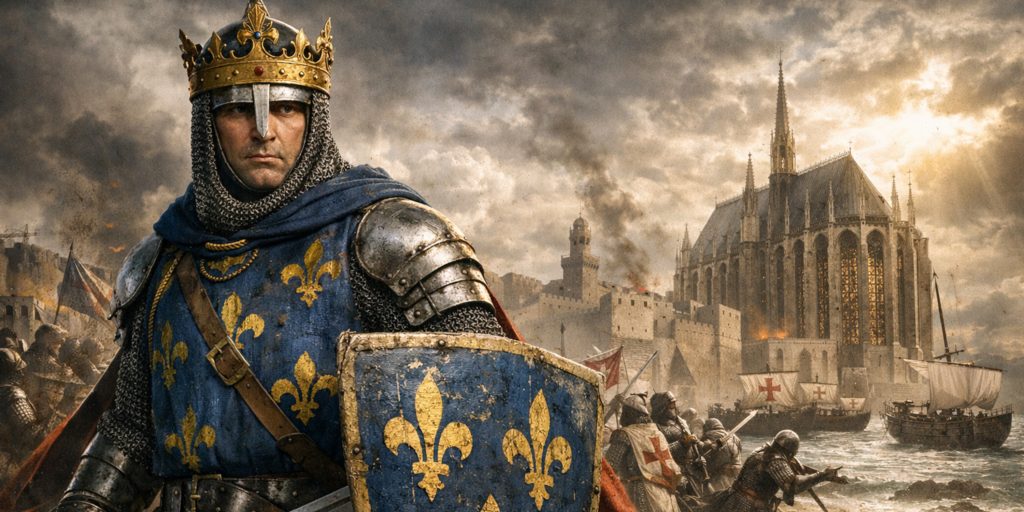
Dates 1214 to 1270
- Summary Not a perfect commander, but disciplined and influential. His campaigns show how conviction can drive logistics, for better and worse.
- Notable battles Seventh Crusade, Mansurah context
- Quote Joinville depicts him as intensely principled, even in defeat
27. Trần Hưng Đạo
Dates 1228 to 1300
- Summary A master of defensive strategy and controlled attrition. He defeated Mongol invasions by refusing their preferred kind of war.
- Notable battles Bạch Đằng (1288), Mongol invasions of Đại Việt
- Quote Vietnamese court tradition praises his strategic restraint and preparation
26. Minamoto no Yoshitsune
Dates 1159 to 1189
- Summary A brilliant commander of movement and surprise. His legend is loud, but his operational talent is real, especially in rapid coastal and riverine warfare.
- Notable battles Ichi-no-Tani, Yashima, Dan-no-ura
- Quote The Tale of the Heike memorialises his daring and speed
25. Sundiata Keita (Founder of the Mali Empire)
Dates c.1217 to c.1255
- Summary A commander who turned coalition warfare into state-building. His power lay in unifying rivals and then winning the decisive moment.
- Notable battles Kirina tradition
- Quote Epic tradition presents him as the restorer and unifier
24. Edward III (King of England)
Dates 1312 to 1377
- Summary A war organiser who built a repeatable winning system. He understood finance, recruitment, and the strategic value of targeted destruction.
- Notable battles Crécy, early Hundred Years’ War campaigns
- Quote Froissart highlights his leadership and timing
23. Edward of Woodstock (the Black Prince)

Dates 1330 to 1376
- Summary A battlefield commander with controlled aggression. His victories are about positioning and discipline, not reckless heroics.
- Notable battles Crécy, Poitiers
- Quote Froissart stresses the authority his reputation carried
22. Bertrand du Guesclin
Dates c.1320 to 1380
- Summary Not glamorous, just effective. He specialised in grinding down stronger enemies through raids, denial, and strategic persistence.
- Notable battles Cocherel, Pontvallain
- Quote Froissart calls him tough, persistent, hard to shake
21. Joan of Arc
Dates 1412 to 1431
- Summary She changed morale, tempo, and legitimacy, which in medieval war is often half the battlefield. Her leadership made French action feel inevitable again.
- Notable battles Orléans, Patay context
- Quote “I was sent to raise the siege.” Trial record wording
20. Robert the Bruce (King of Scots)
Dates 1274 to 1329
- Summary A master of strategic patience. He turned Scotland’s weaknesses into a style of war that punished larger, richer enemies.
- Notable battles Bannockburn
- Quote John Barbour praises his endurance and resolve
19. Alexander Nevsky
Dates 1221 to 1263
- Summary A defensive strategist in a brutal neighbourhood. He balanced threats, chose battles carefully, and made terrain do the killing.
- Notable battles Battle on the Ice, Neva
- Quote Rus chronicles praise him as protector and commander
18. John Hunyadi
Dates c.1407 to 1456
- Summary The most effective anti-Ottoman commander of his generation. His strength was operational flexibility under constant pressure.
- Notable battles Belgrade
- Quote Papal correspondence hails him as a defender of Christendom
17. Skanderbeg
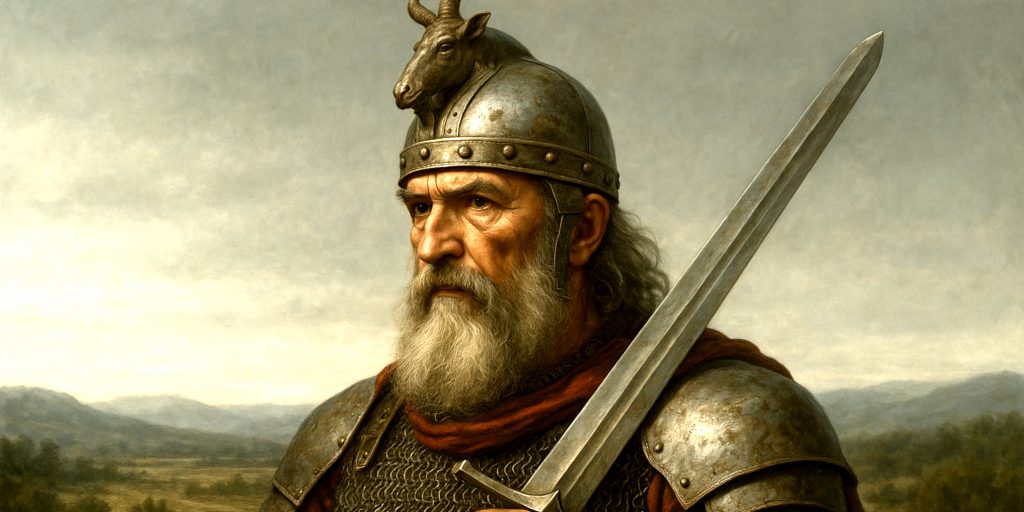
Dates 1405 to 1468
- Summary A defensive genius and master of tempo. He refused clean battles, forced enemies to bleed for movement, and held out far longer than “realism” allowed.
- Notable battles Torvioll, sieges of Krujë
- Quote Venetian sources treat him as an unbreakable obstacle
16. Mehmed II (Ottoman Sultan)
Dates 1432 to 1481
- Summary A planner with a siege engineer’s brain. Constantinople fell because he made it inevitable, through logistics, artillery, and relentless pressure.
- Notable battles Fall of Constantinople, Balkan campaigns
- Quote Ottoman chroniclers frame the conquest as destiny fulfilled
15. Jan Žižka
Dates c.1360 to 1424
- Summary Undefeated, inventive, and terrifyingly practical. He built a battlefield system that punished traditional cavalry power and forced Europe to adapt.
- Notable battles Vítkov Hill, Sudoměř
- Quote Bohemian tradition emphasises that he never lost a battle
14. Raymond Berengar IV of Barcelona
Dates 1113 to 1162
- Summary Raymond Berengar IV was a disciplined, methodical commander whose strength lay in coordination rather than spectacle.
- Notable battles and campaigns Conquest of Tortosa, Conquest of Lleida
- Quote “Vigilant in arms and prudent in counsel” – Twelfth-century Catalan chronicle tradition
13. Frederick II (Holy Roman Emperor)
Dates 1194 to 1250
- Summary A strategist who could win without fighting. His diplomacy, threat posture, and logistics made force feel optional, which is deeply unsettling for enemies.
- Notable battles Sixth Crusade settlement, Italian political wars
- Quote Contemporary epithet: “wonder of the world”
12. Charlemagne
Dates 747 to 814
- Summary A campaigner who built an empire through repeated, organised force. His advantage was endurance, administration, and the ability to keep wars coherent.
- Notable battles Saxon Wars, Lombard campaigns
- Quote Einhard presents him as relentless and practical in war
11. Basil II (Byzantine emperor)
Dates 958 to 1025
- Summary A long-war commander who crushed resistance through sustained campaigning and political pressure. He weaponised patience.
- Notable battles Kleidion, Bulgarian wars
- Quote Byzantine tradition remembers his uncompromising resolve
10. Nikephoros II Phokas
Dates c.912 to 969
- Summary A soldier-emperor who rebuilt Byzantine offensive doctrine. Strong on sieges, discipline, and sustained campaigning, the unglamorous winning stuff.
- Notable battles Reconquest of Crete, eastern offensives
- Quote Byzantine writers emphasise his austerity and military focus
9. Heraclius (Byzantine emperor)
Dates c.575 to 641
- Summary One of history’s great turnarounds. He went on campaign personally, reversed disaster against Persia, and restored imperial momentum through strategic audacity.
- Notable battles Nineveh, Persian war campaigns
- Quote Contemporary sources present him as a restorer of fortune
8. Khalid ibn al-Walid
Dates c.592 to 642
- Summary A commander of tempo and decisive battle choice. He moved faster than opponents expected and repeatedly converted movement into collapse.
- Notable battles Yarmouk, campaigns in Iraq and Syria
- Quote Early tradition calls him “the Sword of God”
7. Saladin
Dates 1137 to 1193
- Summary Patient, political, disciplined. He understood that destroying enemy unity matters as much as smashing their army once.
- Notable battles Hattin, recapture of Jerusalem
- Quote Baha ad-Din stresses his restraint and leadership style
6. Henry V (King of England)

Dates 1386 to 1422
- Summary A commander of preparation and control. He made armies behave, campaigns coherent, and morale something you build deliberately.
- Notable battles Agincourt, Harfleur
- Quote Monstrelet highlights discipline and organisation in his accounts
5. Belisarius
Dates c.505 to 565
- Summary Consistently brilliant under constraint. He won with small forces through discipline, positioning, and morale control, again and again.
- Notable battles Dara, Ad Decimum, campaigns in Italy
- Quote Procopius depicts him as effective and often restrained
4. Aetius (Flavius Aetius)
Dates c.391 to 454
- Summary The master of coalition warfare in a collapsing world. He managed unreliable allies, shifting politics, and existential threats with cold competence.
- Notable battles Catalaunian Plains
- Quote Sidonius Apollinaris praises his ability to hold the line
3. Timur (Tamerlane)
Dates 1336 to 1405
- Summary Operational brilliance fused with deliberate terror. He could dismantle empires quickly, though his political legacy was less stable than his victories.
- Notable battles Ankara, campaigns across Persia and Central Asia
- Quote Attributed: “scourge of God,” reflecting contemporary fear
2. Subutai
Dates c.1175 to 1248
Quote Multiple traditions stress Mongol planning and manoeuvre
Summary The greatest operational commander of the medieval world. Multi-army coordination over huge distances, repeated success against unfamiliar enemies, and constant adaptation.
Notable battles Mohi, Kalka River, campaigns across Eurasia
1. Genghis Khan
Dates c.1162 to 1227
- Summary The most influential commander of the medieval world because he built a command system that kept winning without him in the saddle. Discipline, intelligence, merit, and speed, enforced ruthlessly, turned warfare into an engine.
- Notable battles Unification of the Mongol tribes, Khwarezmian conquest
- Quote From the Secret History tradition: victory is framed as domination, not chivalry

This list reflects more than battlefield results. Each figure left a mark through leadership, reform, reputation, or sheer force of will. As chronicler Joinville once said of Saint Louis, “he led not only men, but the age itself.”
Have we got this about right? Let us know in the comments.