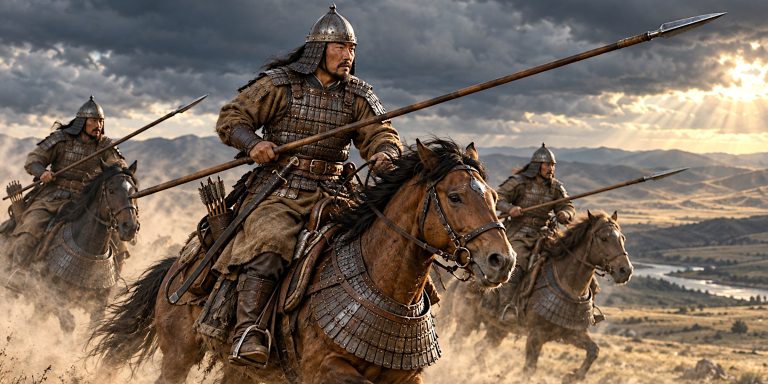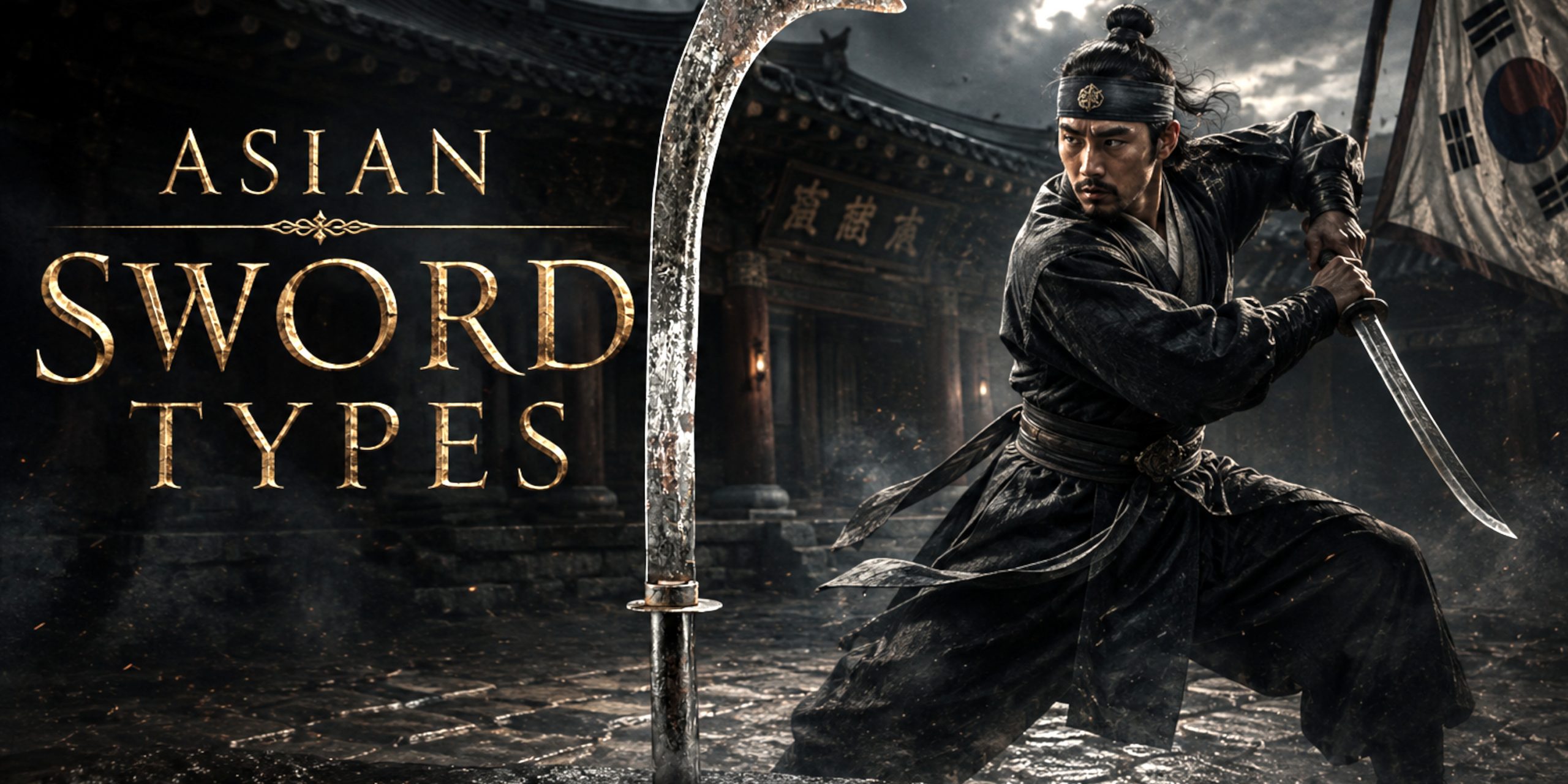
Asian swords represent one of the richest traditions of edged weapon development anywhere in the world. Stretching from the grasslands of Mongolia to the islands of Japan, these blades evolved in response to changing battlefields, local metallurgy, cultural beliefs and military innovation.
While the katana often dominates popular imagination, it tells only one chapter of a much larger story. Across Asia, dozens of distinctive sword designs emerged, each solving the same problem in different ways. Some were optimised for cavalry charges. Others excelled in tight infantry formations. A few became symbols of scholarship and status rather than weapons of war.
Studying Asian swords is rather like examining regional dialects. They all communicate the same essential purpose, yet every one has its own accent.
What Defines an Asian Sword?
There is no single “Asian sword.”
Instead, the continent produced hundreds of regional variations that reflected local materials, armour styles and military doctrines.
Common characteristics include:
- Single or double edged blades
- Straight or curved forms
- Sophisticated heat treatment methods
- High quality pattern welding or laminated steel construction
- Strong connections to religion, philosophy and social status
Unlike Europe, where cruciform swords became remarkably standardised during certain periods, Asian sword traditions often remained highly regional for centuries.
Major Asian Sword Types
| Sword | Origin | Blade Type | Primary Use |
|---|---|---|---|
| Katana | Japan | Curved, single edged | Samurai battlefield and civilian use |
| Tachi | Japan | Curved, single edged | Mounted warfare |
| Wakizashi | Japan | Curved, single edged | Companion sword |
| Tantō | Japan | Short dagger | Close combat |
| Jian | China | Straight, double edged | Military and civilian |
| Dao | China | Curved, single edged | Infantry and cavalry |
| Zhanmadao | China | Large two handed sword | Anti cavalry |
| Miaodao | China | Long sabre | Military |
| Tulwar | India | Curved, single edged | Cavalry |
| Khanda | India | Straight, double edged | Heavy cutting |
| Firangi | India | Straight European blade | Cavalry |
| Kora | Nepal | Broad forward curving blade | Military |
| Kukri | Nepal | Forward curved knife | Utility and warfare |
| Hwando | Korea | Curved sabre | Military |
| Hwandudaedo | Korea | Ring pommel sword | Early Korean kingdoms |
| Kampilan | Philippines | Long single edged | Tribal warfare |
| Kris | Indonesia and Malaysia | Wavy or straight | Weapon and ceremonial |
Japanese Sword Types
Japanese swordmaking became internationally renowned because of exceptional craftsmanship and distinctive differential hardening.
Katana
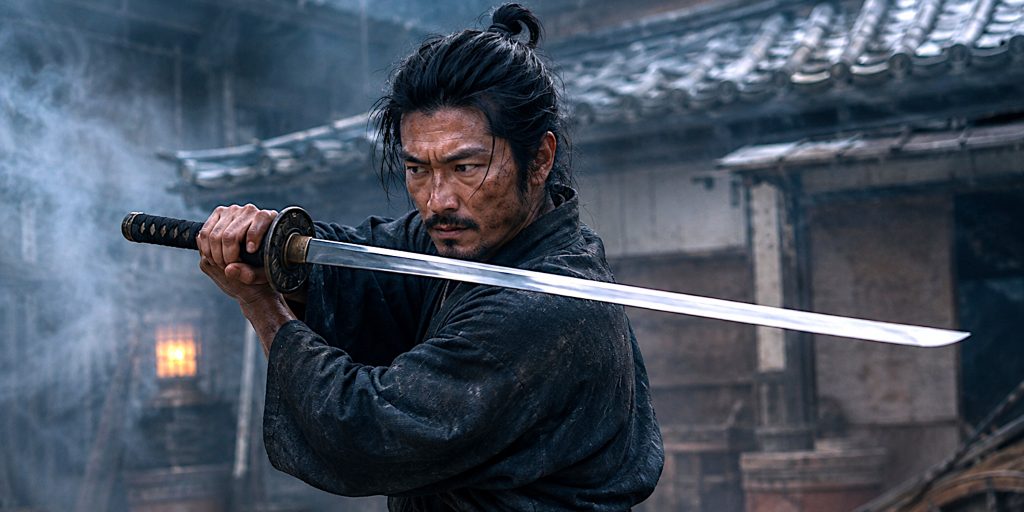
The katana emerged during the Muromachi period and became synonymous with the samurai.
Features include:
- Curved blade
- Single edge
- Two handed grip
- Differentially hardened cutting edge
- Exceptional cutting ability
Contrary to popular myth, samurai rarely spent their days slicing through steel helmets or several opponents at once. Real combat tended to be considerably less theatrical and significantly more dangerous.
Tachi
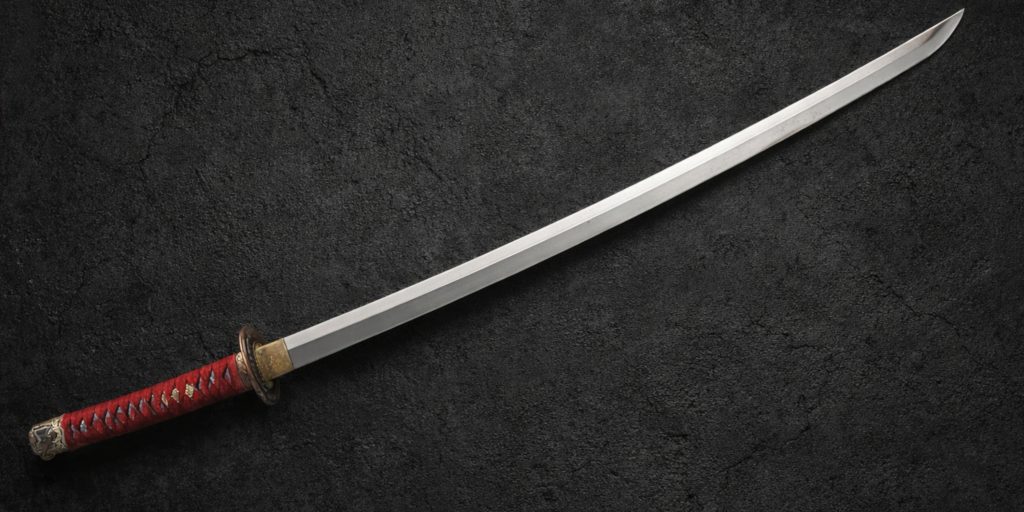
The tachi predates the katana and was designed primarily for mounted warriors.
Characteristics include:
- Greater curvature
- Worn edge downward
- Longer overall blade
- Optimised for cavalry attacks
Many famous katana actually began life as tachi before being shortened and remounted.
Wakizashi

The wakizashi formed half of the famous daishō pair.
Its roles included:
- Indoor defence
- Backup weapon
- Symbol of samurai rank
- Ceremonial purposes
Tantō
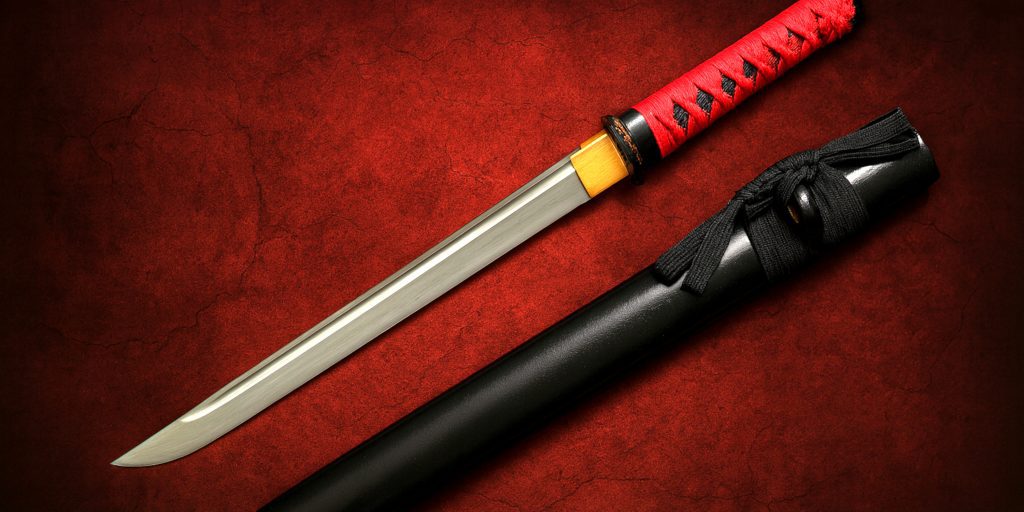
Although often called a dagger, the tantō was a formidable weapon capable of penetrating armour gaps during close combat.
Chinese Sword Types
China possesses perhaps the longest continuous swordmaking tradition anywhere in the world, spanning more than three thousand years.
Jian

Often called the “Gentleman of Weapons,” the jian became associated with scholars, officers and martial artists.
Characteristics:
- Straight blade
- Double edged
- Superb balance
- Precision thrusting and cutting
The jian rewards skill rather than brute force. It has very little patience for poor technique.
Dao
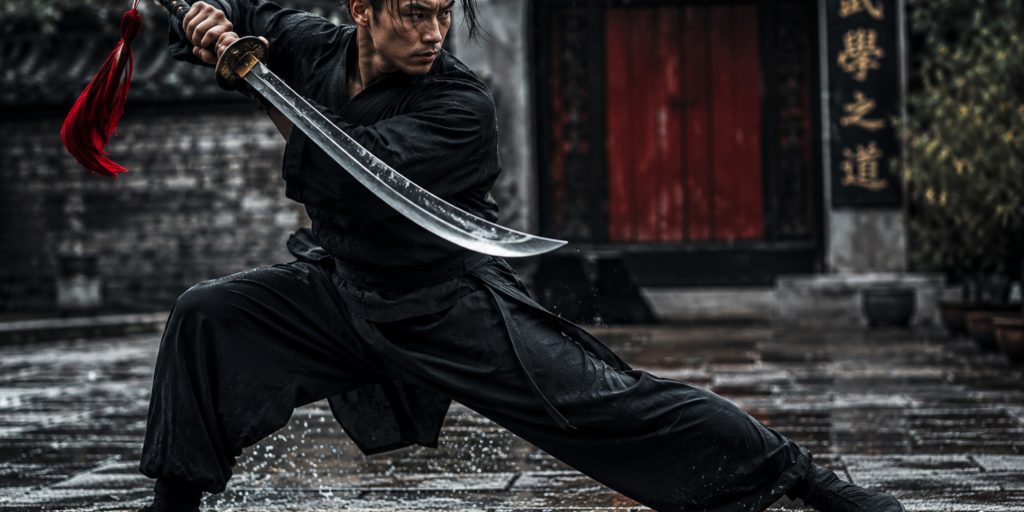
The dao became China’s dominant military sword.
Major variants include:
- Yanmaodao
- Liuyedao
- Piandao
- Niuweidao
The dao proved highly adaptable and remained in military service for centuries.
Zhanmadao
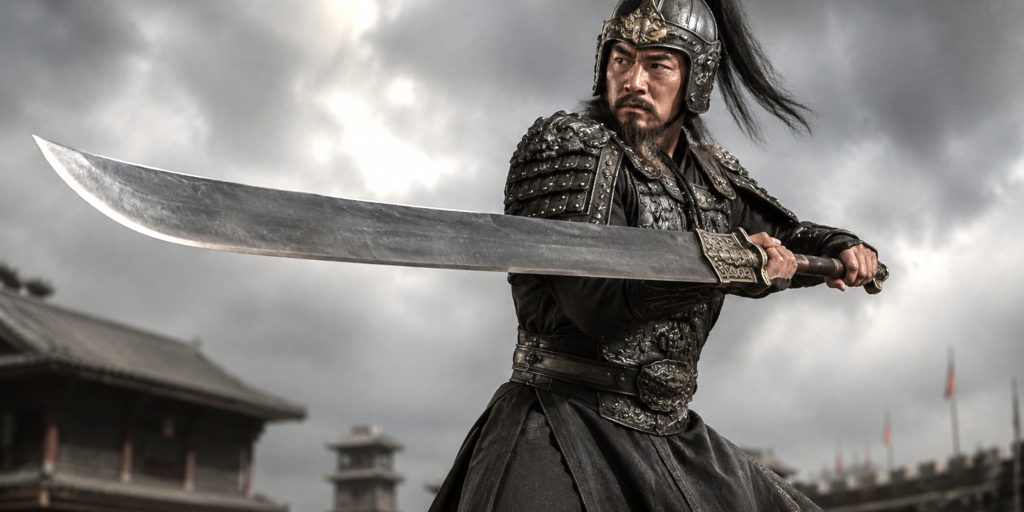
Literally meaning “horse chopping sword,” the zhanmadao was an enormous two handed weapon intended to counter cavalry.
Historical references describe specialised troops using these swords against charging horsemen, although surviving examples remain exceptionally rare.
Miaodao
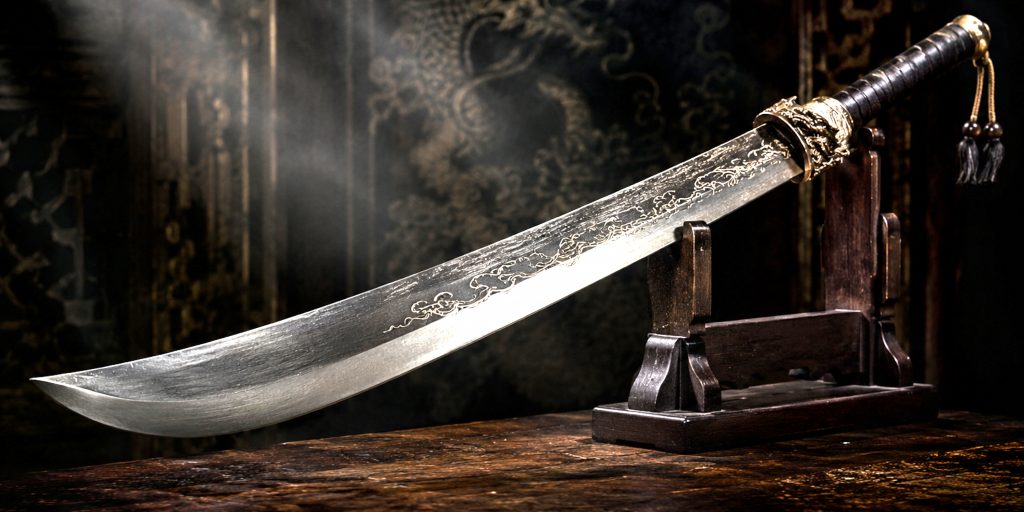
The miaodao developed into a long two handed sabre influenced by earlier Chinese weapons and later military reforms.
Indian Sword Types
India developed one of the world’s most diverse sword traditions.
Its varied kingdoms, climates and military cultures produced an astonishing range of weapons.
Tulwar
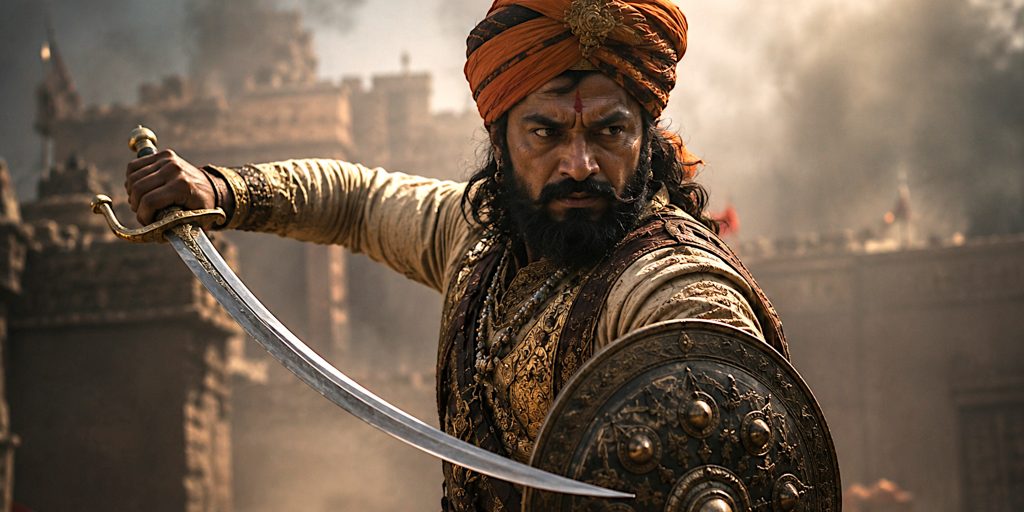
The tulwar became the classic Indian cavalry sword.
Typical features include:
- Deep curve
- Disc shaped pommel
- Excellent cutting ability
- Secure grip
Indian smiths often produced remarkable examples using crucible steel, sometimes known today as wootz steel.
Khanda
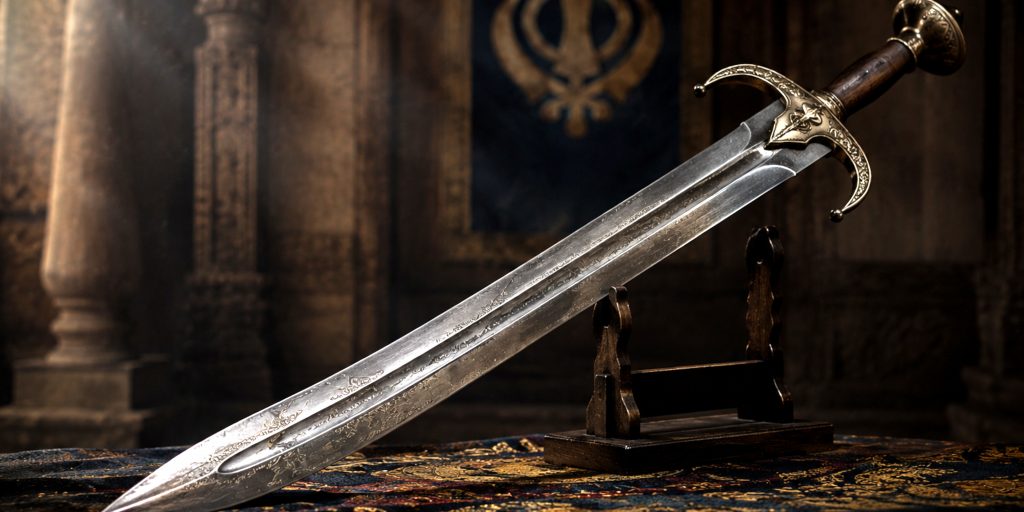
The khanda represents one of India’s oldest indigenous sword forms.
Distinctive features include:
- Straight blade
- Broad tip
- Reinforced spine
- Powerful chopping cuts
It remains closely associated with Rajput and Sikh martial traditions.
Firangi
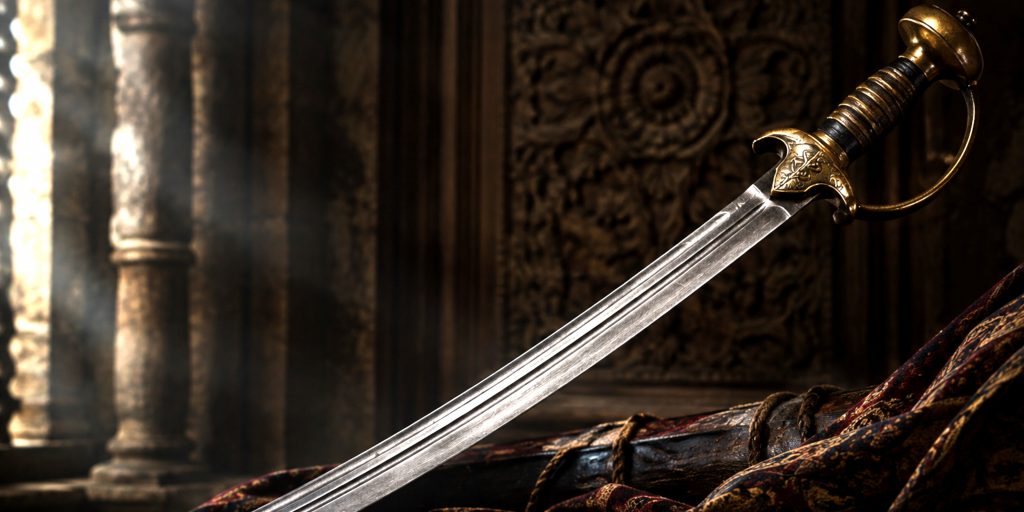
The firangi combined imported European blades with Indian hilts.
This practical approach demonstrated that medieval and early modern warriors cared rather more about effectiveness than modern arguments over cultural purity.
Korean Sword Types
Korea developed its own military sword traditions while also absorbing influences from neighbouring China and Japan.
Hwando
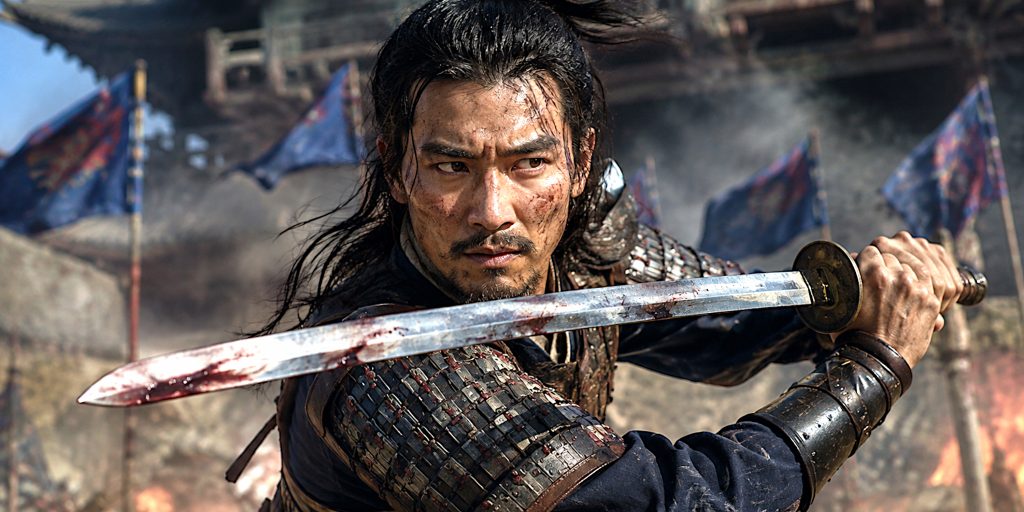
The hwando became a common military sabre during the Joseon Dynasty.
It featured:
- Curved blade
- Single edge
- Compact proportions
- Military practicality
Hwandudaedo
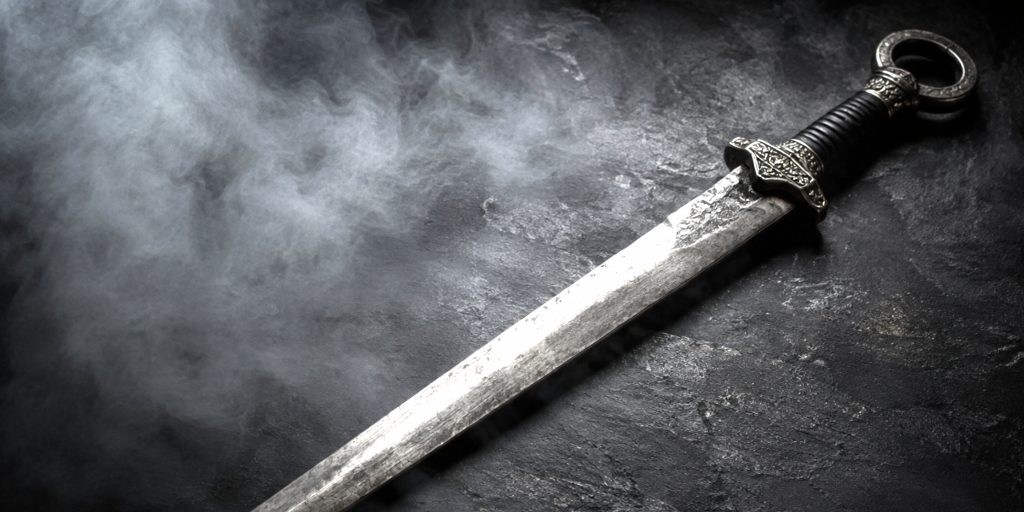
Recognisable by its distinctive ring pommel, the hwandudaedo flourished during Korea’s Three Kingdoms period.
Many excavated examples display exceptional decorative metalwork.
Nepalese Sword Types
Kukri
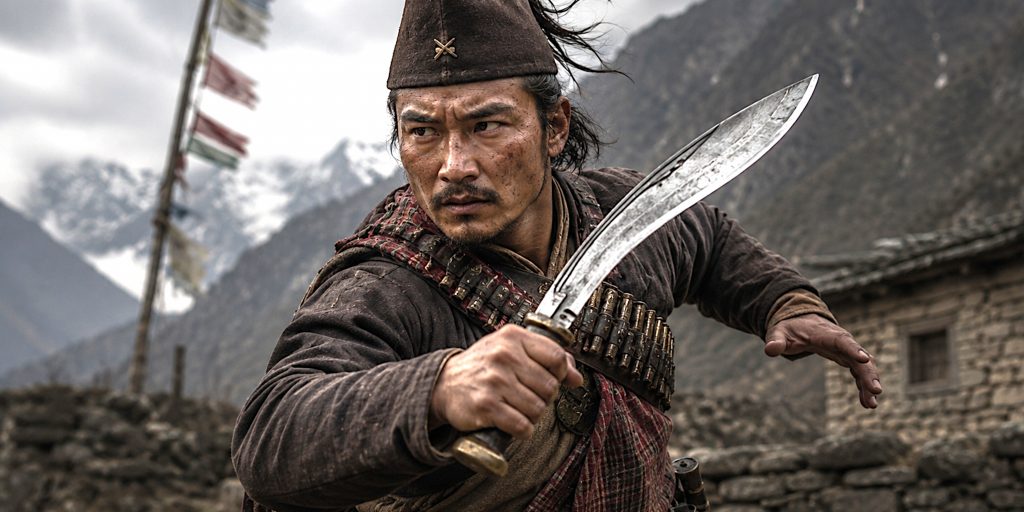
The kukri is perhaps Nepal’s most famous blade.
Although often described as a knife, larger military examples functioned very much like short swords.
Features include:
- Forward curved blade
- Outstanding chopping power
- Versatile utility tool
- Military service with Gurkha regiments
Kora
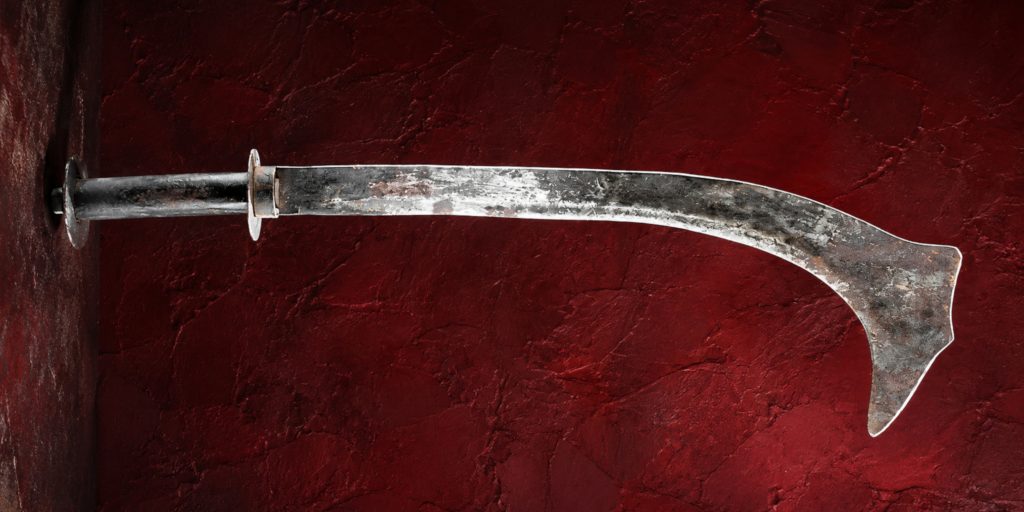
The kora features one of the most unusual blade profiles in Asia.
Its expanding forward section creates exceptional cutting force while retaining manageable handling.
Southeast Asian Sword Types
The tropical regions of Southeast Asia produced remarkably distinctive weapons.
Kris
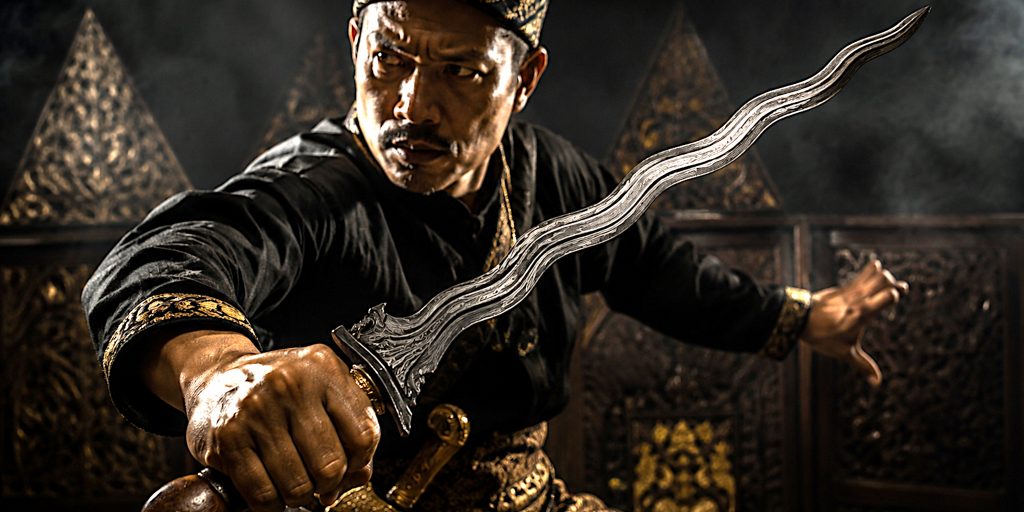
The kris is famous for its wavy blade, although many historical examples are perfectly straight.
Beyond warfare, the kris held deep spiritual and ceremonial significance.
Each blade often possessed its own name, history and perceived personality.
Kampilan
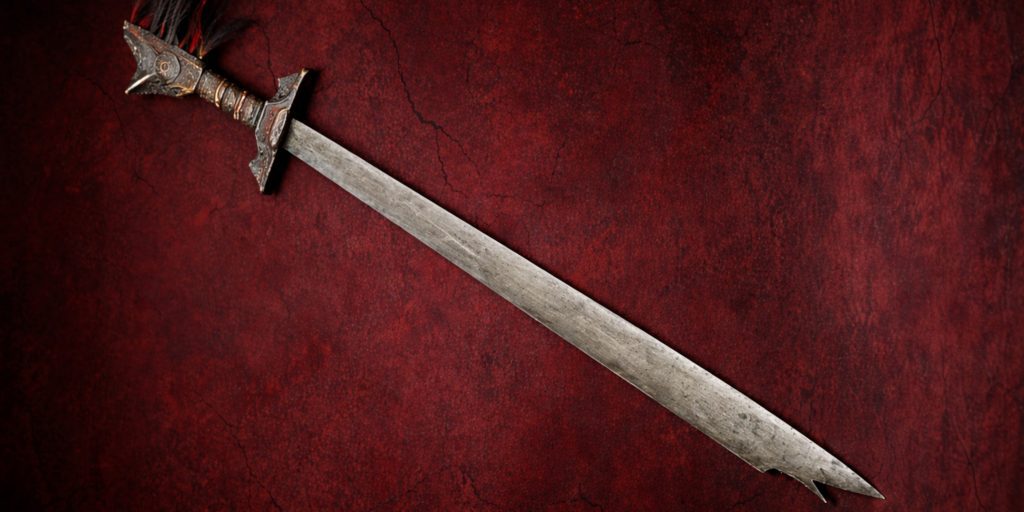
Used by several Philippine cultures, the kampilan was a long two handed sword associated with high status warriors.
Its long handle and broad blade made it highly effective in close combat.
Dha

Found across Myanmar, Thailand, Laos and parts of southern China, the dha exists in numerous regional forms.
Typical characteristics include:
- Long blade
- Simple hilt
- Light construction
- Fast cutting ability
Materials and Sword Construction
Asian swordsmiths developed remarkably advanced manufacturing techniques.
Common methods included:
- Differential hardening
- Pattern welding
- Laminated steel
- Folded steel
- Crucible steel production
- Composite blade construction
Modern discussions often exaggerate folding as though it were magical. In reality, folding solved specific metallurgical challenges rather than creating supernatural blades.
How Asian Swords Compared
| Region | Typical Blade | Best Known Strength |
|---|---|---|
| Japan | Curved | Precision cutting |
| China | Straight and curved | Versatility |
| India | Curved | Cavalry combat |
| Korea | Curved | Military practicality |
| Nepal | Forward curved | Heavy chopping |
| Southeast Asia | Light curved blades | Speed and agility |
Archaeology and Surviving Examples
Archaeological discoveries continue to reshape our understanding of Asian swords.
Important finds include:
- Han Dynasty bronze and steel jian from China
- Tang Dynasty dao recovered from tombs
- Japanese tachi preserved in Shinto shrines
- Korean ring pommel swords from royal burials
- Indian wootz steel blades in museum collections
- Bronze Age swords from early Chinese states
Scientific analysis has revealed surprisingly sophisticated metallurgy, with many blades displaying carefully engineered hardness gradients centuries before modern industrial production.
Famous Museums to See Asian Swords
Some of the finest collections include:
| Museum | Country | Highlights |
|---|---|---|
| Tokyo National Museum | Japan | Samurai swords |
| Kyoto National Museum | Japan | Historic tachi and katana |
| Palace Museum | China | Imperial Chinese swords |
| National Museum of Korea | South Korea | Early Korean weapons |
| National Museum, New Delhi | India | Tulwars and khanda |
| Royal Armouries | United Kingdom | Asian military weapons |
| Metropolitan Museum of Art | United States | Pan Asian sword collection |
Common Myths About Asian Swords
“The katana was the greatest sword ever made”
An excellent weapon, certainly. The greatest? History rarely rewards such simple rankings.
Every sword reflected the battlefield for which it was designed.
“Folded steel makes a blade unbeatable”
Folding improved lower quality steel by distributing impurities.
It was an elegant solution, not a magical one.
“Asian swords were only used by nobles”
Many armies equipped ordinary soldiers with locally produced swords, though quality naturally varied.
Legacy
Asian swords continue to influence martial arts, collecting, film, literature and modern craftsmanship.
Their appeal lies not only in elegant forms but in the cultures that produced them. Every curve, every fuller and every hilt reflects centuries of adaptation to changing warfare and evolving ideas about honour, status and craftsmanship.
Perhaps that is why they continue to fascinate historians. They are not simply weapons. They are surviving conversations between blacksmiths, soldiers and societies separated by hundreds of years, still remarkably capable of telling their stories to anyone prepared to look closely.