Harbinger is one of those fantasy weapons that immediately grabs your attention. The name alone sounds like bad news, and in Brandon Sanderson’s Mistborn universe, that is rarely a coincidence. Like many of Sanderson’s creations, Harbinger is more than a sharp piece of steel. It represents power, fear, identity and the shifting balance between ordinary people and those capable of extraordinary feats.
One of the joys of exploring Mistborn is discovering how even individual weapons reflect the world’s unique magic systems and political struggles. Swords, daggers and duelling weapons all carry stories of the people who wield them. Harbinger sits comfortably within that tradition.
For fantasy weapon enthusiasts, Harbinger is fascinating because it combines practical design with symbolic weight. It feels believable while still carrying the mythic quality that defines the best fantasy arms.
What is Harbinger?
Harbinger is a named weapon associated with the wider Mistborn universe. As with many famous fantasy weapons, its reputation comes as much from its wielder and the events surrounding it as from its physical characteristics.
Rather than functioning as a magical artefact in the traditional fantasy sense, Harbinger exists within Sanderson’s carefully constructed world where magic is primarily channelled through Allomancy, Feruchemy and Hemalurgy. This makes the weapon feel grounded. Skill and supernatural ability work together rather than the blade doing all the work.
Its ominous name reflects its role as a symbol of coming conflict and inevitable change.
Specifications
| Feature | Details |
|---|---|
| Weapon Type | Sword |
| Setting | Mistborn universe |
| Creator | Brandon Sanderson |
| Primary Material | Steel (within the setting) |
| Fighting Style | One handed swordsmanship |
| Associated Themes | Power, destiny, conflict, survival |
| Notable Users | Connected with prominent figures in the Mistborn setting |
Design and Appearance
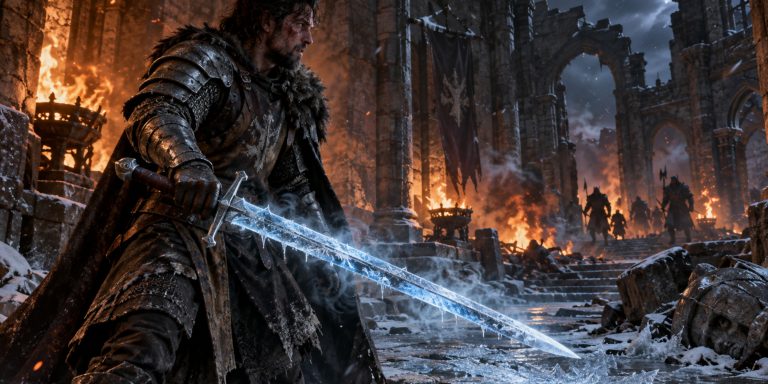
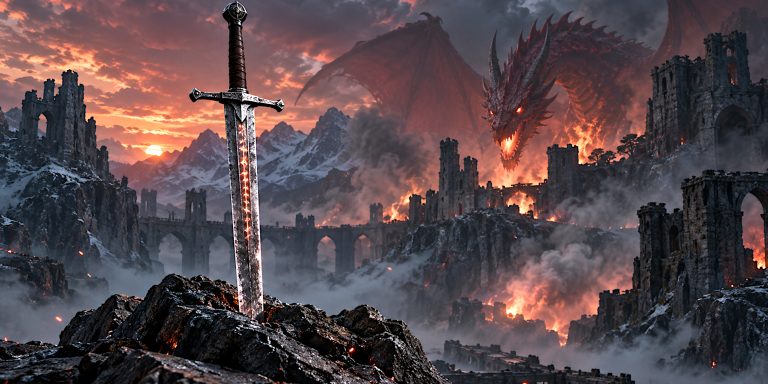
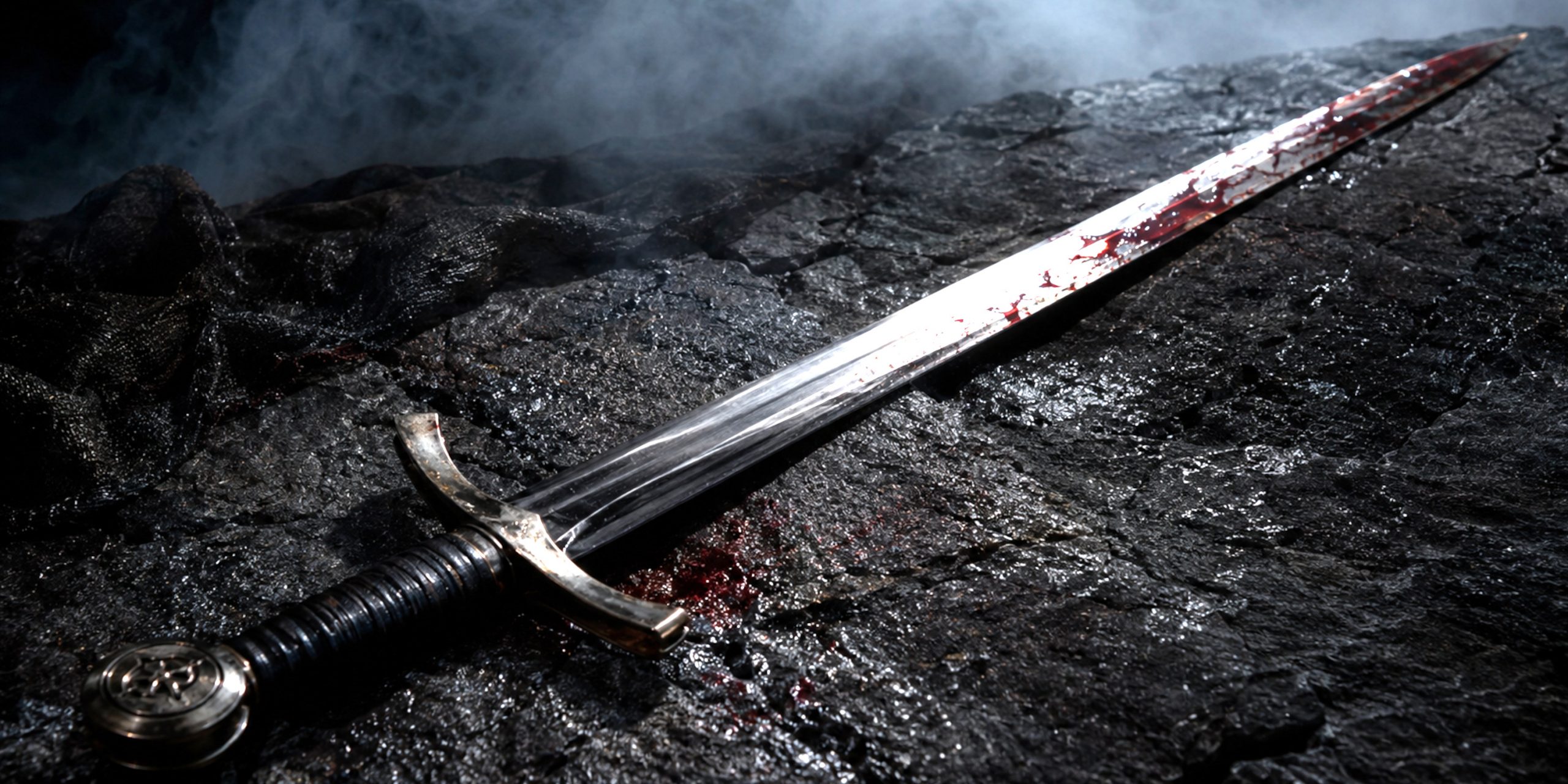
Harbinger is best imagined as a practical battlefield sword rather than an oversized fantasy weapon covered in glowing crystals or impossible decorations.
Its design reflects several recurring themes found throughout the Mistborn series:
- Functional rather than ceremonial
- Built for genuine combat
- Balanced for speed and precision
- Elegant without unnecessary ornamentation
- Intimidating through reputation instead of appearance
That restraint is one of Sanderson’s greatest strengths as a writer. His weapons often look believable enough that a medieval blacksmith could probably make them, assuming the occasional magical metal was available.
The History of Harbinger
Unlike legendary swords that pass through dozens of kings over centuries, Harbinger’s story is closely tied to the conflicts shaping the Mistborn world.
Weapons in Sanderson’s novels frequently become extensions of their owners. Their history reflects changing political alliances, revolutions and personal journeys rather than simply recording a list of battles.
Harbinger earns its reputation because of what it witnesses.
Throughout the series, weapons often become silent observers of history. Empires rise, tyrants fall and entire societies transform, yet the blade remains.
That gives Harbinger a sense of permanence within an ever changing world.
How Harbinger Fits into the Mistborn Magic System
One of the most interesting aspects of Mistborn is that swords are rarely the primary source of power.
Instead, combat revolves around:
- Allomantic abilities
- Feruchemical enhancements
- Hemalurgic modifications
- Tactical intelligence
- Physical skill
A skilled Mistborn using Harbinger becomes significantly more dangerous because the weapon complements supernatural abilities instead of replacing them.
This creates battles that feel unpredictable and dynamic.
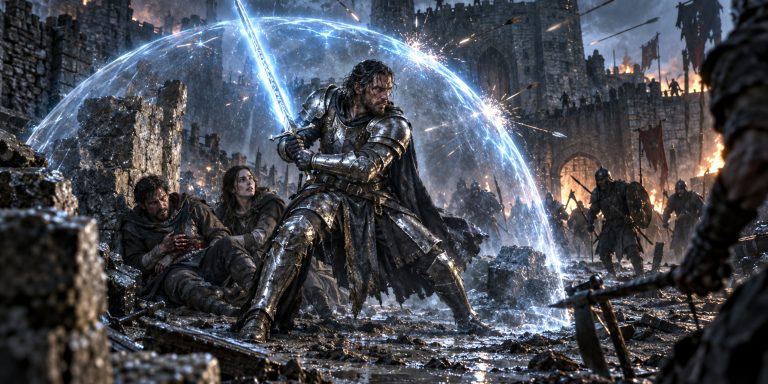
A duel may involve steel pushes, enhanced strength, impossible acrobatics and swordplay happening simultaneously. It keeps readers guessing because victory rarely comes from having the biggest weapon.
Combat Characteristics
Harbinger appears suited for versatile combat.
Its likely strengths include:
- Excellent balance
- Reliable cutting ability
- Strong thrusting capability
- Fast directional changes
- Comfortable one handed use
Rather than relying on overwhelming force, it rewards precision and intelligent movement.
That approach fits perfectly with Sanderson’s combat philosophy, where strategy almost always beats brute strength.
Advantages
Harbinger offers several notable strengths within the setting.
| Advantage | Benefit |
|---|---|
| Balanced design | Effective in many combat situations |
| Practical construction | Reliable battlefield weapon |
| Symbolic reputation | Psychological impact on opponents |
| Compatible with Allomancy | Complements supernatural mobility |
| High prestige | Reflects the importance of its wielder |
Disadvantages
Despite its reputation, Harbinger is not invincible.
| Limitation | Impact |
|---|---|
| Dependent on wielder | Skill remains essential |
| Limited reach | Less effective than polearms in open formations |
| No inherent magical dominance | Relies on external magical systems |
| Close combat focus | Less useful against distant threats |
Like almost every weapon in Mistborn, success comes from the person holding it rather than the steel itself.
Harbinger Compared with Similar Fantasy Weapons
| Weapon | Universe | Primary Strength |
|---|---|---|
| Harbinger | Mistborn | Balanced swordsmanship and symbolism |
| Nightblood | Cosmere | Overwhelming magical power |
| Andúril | The Lord of the Rings | Royal authority and inspiration |
| Longclaw | A Song of Ice and Fire | Versatility and heritage |
| Sting | The Lord of the Rings | Speed and warning against danger |
Harbinger occupies an interesting middle ground.
It lacks the overwhelming supernatural abilities of Nightblood while carrying more narrative significance than an ordinary battlefield sword.
Symbolism
Names matter in Brandon Sanderson’s fiction.
Harbinger suggests warning, destiny and the arrival of something significant.
Throughout Mistborn, characters often stand at the edge of enormous societal change. The sword reflects that recurring idea. It is not simply present during history. It announces that history is about to happen.
That subtle symbolism makes the weapon memorable even without extravagant magical abilities.
Legacy
Harbinger contributes to the grounded realism that distinguishes Mistborn from many fantasy worlds.
Rather than filling the setting with countless enchanted relics, Sanderson gives individual weapons personality through context, reputation and storytelling.
That approach allows readers to appreciate Harbinger for what it represents rather than what special effect it activates.
It also helps the weapon remain believable within a universe governed by carefully defined magical rules.
Harbinger in the Wider Cosmere
Although Mistborn is only one part of the Cosmere, its weapons reflect themes found across Sanderson’s interconnected universe.
Readers familiar with other Cosmere novels will recognise recurring ideas:
- Power carries responsibility.
- Reputation often shapes reality.
- Heroes and villains are rarely simple.
- The greatest weapon is often intelligence.
Harbinger fits naturally into these broader themes.
Why Fans Find Harbinger Interesting
Fantasy readers often remember the weapons that feel earned rather than overpowered.
Harbinger succeeds because it reflects the philosophy behind Mistborn itself. Success comes from preparation, creativity and courage instead of finding the biggest magical sword lying conveniently in a cave. Funny how fantasy heroes still keep checking caves anyway.
That grounded approach gives Harbinger lasting appeal among Cosmere fans who appreciate thoughtful world building.
Collectors and Replicas
Harbinger has inspired interest among collectors of fantasy weapon replicas.
When evaluating replicas, consider:
- Overall proportions
- Historical realism
- Blade finish
- Grip construction
- Display quality
- Accuracy to published descriptions
Because official licensed replicas are uncommon, many examples are custom commissions produced by specialist fantasy sword makers.
Takeaway
Harbinger demonstrates why Brandon Sanderson’s writing continues to resonate with fantasy readers. The sword does not need impossible powers or elaborate mythology to leave an impression. Its significance comes from the people who wield it and the world it helps shape.
That is perhaps the greatest strength of Mistborn. Every weapon feels like it belongs in a living world where choices matter more than magical equipment. Harbinger captures that philosophy perfectly, serving as both a capable weapon and a reminder that the true force behind any blade is the individual who decides how to use it.