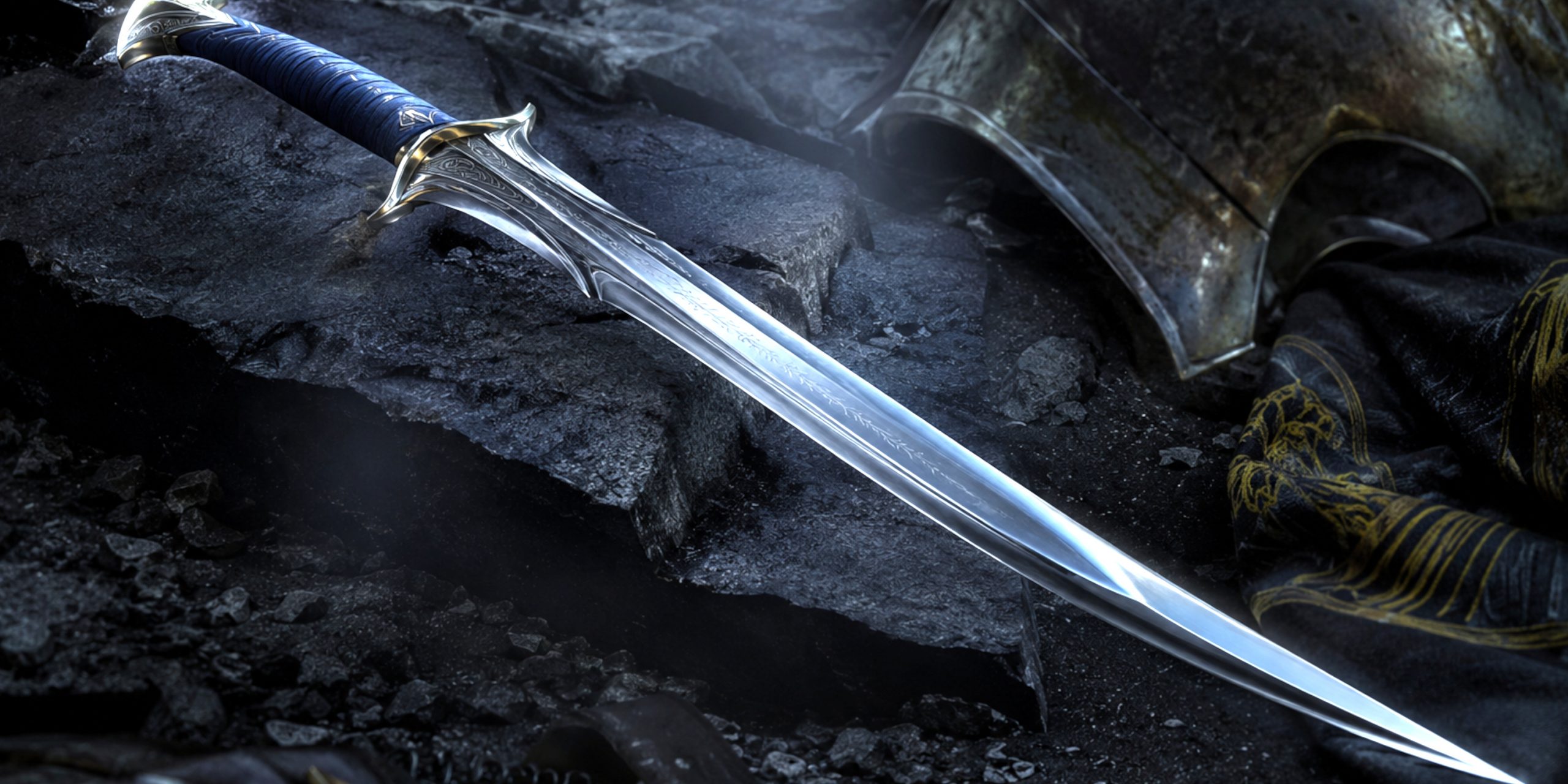
Few fantasy swords have earned a nickname as intimidating as Goblin-cleaver. The name alone tells you this weapon had a very bad reputation among Orcs long before Thorin Oakenshield ever drew it from a dusty Troll hoard.
Orcrist is one of those rare Tolkien weapons that feels like it carries its own personality. It is elegant rather than oversized, ancient without feeling forgotten, and deadly without relying on magical explosions or glowing runes every five minutes. Like Sting and Glamdring, it represents a forgotten age when the Elves of Gondolin forged weapons that were both beautiful and terrifying.
What makes Orcrist especially interesting is that its history is only partly known. Tolkien leaves enough mystery for readers to imagine centuries of battles before the events of The Hobbit. Every scratch in the blade hints at stories that were never written.
What is Orcrist?
Orcrist is an ancient Elven sword forged during the First Age in the hidden city of Gondolin. It eventually became the weapon of Thorin Oakenshield, leader of the Company of Dwarves during the Quest of Erebor.
Its name comes from Sindarin.
| Feature | Details |
|---|---|
| Name | Orcrist |
| Meaning | Goblin-cleaver |
| Forged By | Elven smiths of Gondolin |
| Age | First Age |
| Material | Enchanted Elven steel |
| Famous Owner | Thorin Oakenshield |
| First Appearance | The Hobbit |
| Final Resting Place | Thorin’s tomb beneath Erebor |
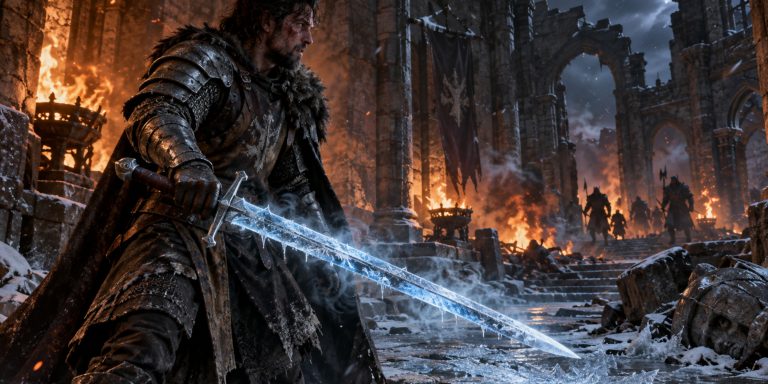
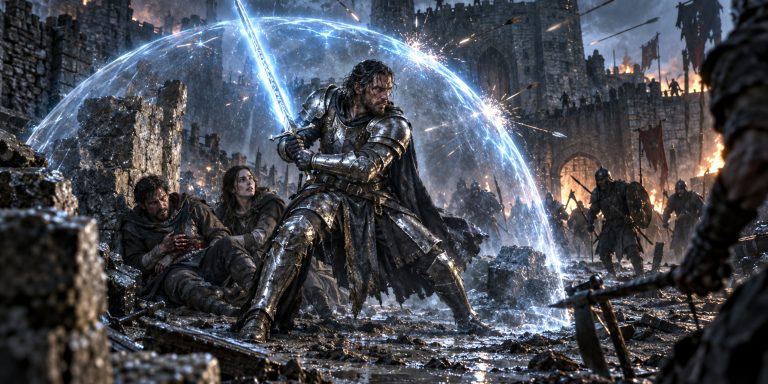
Like Glamdring and Sting, Orcrist glows with a pale blue light whenever Orcs are nearby, warning its bearer of danger.
The Meaning of the Name
The Sindarin word Orcrist translates as Goblin-cleaver.
That is less a poetic title and more a battlefield warning.
Among Orcs, weapons from Gondolin were feared for generations. Many surviving Orcs recognised these blades instantly, suggesting the swords had built legendary reputations during the wars against Morgoth.
Imagine seeing the medieval equivalent of an enemy tank rolling towards you, except it also happens to glow in the dark.
Origins in Gondolin
Orcrist was forged in the hidden Elven kingdom of Gondolin during the First Age.
Although Tolkien never identifies its exact maker, Gondolin was renowned for producing some of the finest weapons ever crafted in Middle-earth. The city’s smiths combined extraordinary craftsmanship with Elven enchantments, creating blades that retained their sharpness for thousands of years.
Very few weapons from Gondolin survived its destruction.
Known survivors include:
- Orcrist
- Glamdring
- Sting, which may have been a dagger for an Elf but served perfectly as a sword for Bilbo
Each of these weapons would later influence the fate of Middle-earth in different ways.
Discovery in The Hobbit
The sword remained hidden for centuries until Bilbo, Gandalf and the Dwarves discovered the Troll treasure cave.
Among piles of stolen gold and forgotten weapons lay three legendary blades.
- Gandalf claimed Glamdring
- Thorin took Orcrist
- Bilbo received Sting
At the time, none of them realised just how significant these weapons truly were.
Only when the Company reached Rivendell did Elrond recognise the blades and reveal their ancient history.
It is one of Tolkien’s favourite storytelling tricks. A simple sword found in a cave suddenly turns out to be a relic from one of the greatest kingdoms ever built.
Thorin Oakenshield and Orcrist
No character is more closely associated with Orcrist than Thorin.
Unlike many fantasy heroes who constantly swap weapons for something stronger, Thorin keeps Orcrist throughout his quest. The sword becomes an extension of his authority as leader.
It accompanies him through:
- The Misty Mountains
- Mirkwood
- Lake-town
- The Lonely Mountain
- The Battle of Five Armies
Even after Thorin’s death, the blade remains with him.
Following his burial beneath Erebor, Orcrist was laid across his tomb alongside the Arkenstone.
This final act symbolised both honour and the end of an extraordinary journey.
Powers and Abilities
Orcrist possesses several notable qualities.
Blue glow
Like Sting and Glamdring, it shines blue whenever Orcs approach.
This warning often provides valuable time before an ambush.
Exceptional craftsmanship
The blade remains sharp after thousands of years.
Its balance, strength and cutting ability far exceed ordinary weapons forged by Men or Dwarves.
Psychological impact
Perhaps its greatest weapon is fear.
The Orcs recognise it immediately.
Its appearance on the battlefield reminds them of ancient defeats at the hands of Gondolin’s warriors.
Sometimes reputation wins battles before the first strike.
Symbolism
Orcrist represents more than military power.
It reflects several themes found throughout Tolkien’s work.
The survival of ancient greatness
Although Gondolin fell thousands of years earlier, its finest creations still influence history.
Legacy
Weapons outlive their makers.
The sword connects Thorin with heroes who lived in ages almost beyond memory.
Hope
Even after catastrophic defeat, goodness leaves lasting traces.
The ancient kingdoms may be gone, but their finest achievements continue to shape the future.
Orcrist in Peter Jackson’s Films
Peter Jackson expanded Orcrist’s role in The Hobbit trilogy.
The film version features a more elaborate design, with flowing Elven curves and ornate engravings that reinforce its royal heritage.
Several moments receive greater emphasis than in the novel.
Highlights include:
- Thorin wielding Orcrist against Orcs throughout the journey
- Dramatic confrontations with Azog
- Close-up shots highlighting the weapon’s craftsmanship
- Extended combat during the Battle of Five Armies
The films also present Orcrist almost as a royal heirloom worthy of Thorin’s status, giving it greater visual prominence than Tolkien originally described.
Orcrist Compared with Other Tolkien Swords
| Sword | Owner | Origin | Special Ability |
|---|---|---|---|
| Orcrist | Thorin Oakenshield | Gondolin | Glows near Orcs, legendary craftsmanship |
| Glamdring | Gandalf | Gondolin | Glows near Orcs, ancient royal sword |
| Sting | Bilbo, later Frodo | Gondolin | Glows near Orcs, ideal size for Hobbits |
| Andúril | Aragorn | Reforged from Narsil | Symbol of kingship |
| Gurthang | Túrin Turambar | Forged from Anglachel | Sentient blade with tragic legacy |
Orcrist arguably occupies the middle ground between Glamdring’s regal history and Sting’s intimate importance.
It lacks the world-changing symbolism of Andúril, yet remains one of Tolkien’s finest examples of an ancient weapon carrying centuries of forgotten history.
Legacy in Fantasy
Orcrist helped establish several fantasy sword traditions that continue today.
Many later fantasy authors borrowed ideas such as:
- Named legendary weapons
- Ancient magical craftsmanship
- Weapons tied to forgotten civilisations
- Swords carrying historical reputations
- Magical warning abilities
Modern fantasy games and novels continue to draw inspiration from Tolkien’s approach to legendary weapons.
Unlike many modern magical swords, Orcrist never overshadows its wielder. It enhances Thorin’s story rather than replacing it.
Interesting Facts
- Orcrist and Glamdring probably fought side by side during the Fall of Gondolin.
- The sword survived for thousands of years before Thorin discovered it.
- Orcs feared it enough to preserve its reputation across generations.
- Tolkien never reveals exactly who forged it.
- It was buried with Thorin beneath the Lonely Mountain.
- Its Sindarin name is known, but no Quenya equivalent is recorded.
Why Orcrist Still Matters
Part of Orcrist’s appeal comes from what Tolkien chooses not to explain.
There are no lengthy chapters detailing every battle it fought or every owner who carried it before Thorin. That mystery gives the sword an unusual sense of authenticity. Real historical artefacts often arrive with missing chapters, fragmented records and unanswered questions. Orcrist feels surprisingly similar.
It also captures one of Tolkien’s recurring ideas. Great civilisations may fall, but their finest achievements can endure for thousands of years. Every time Thorin draws Goblin-cleaver, he is carrying a piece of Gondolin back into the light.
For a weapon with relatively little page time, that is quite an achievement. Not bad for a sword that spent several millennia waiting in a Troll’s cave.