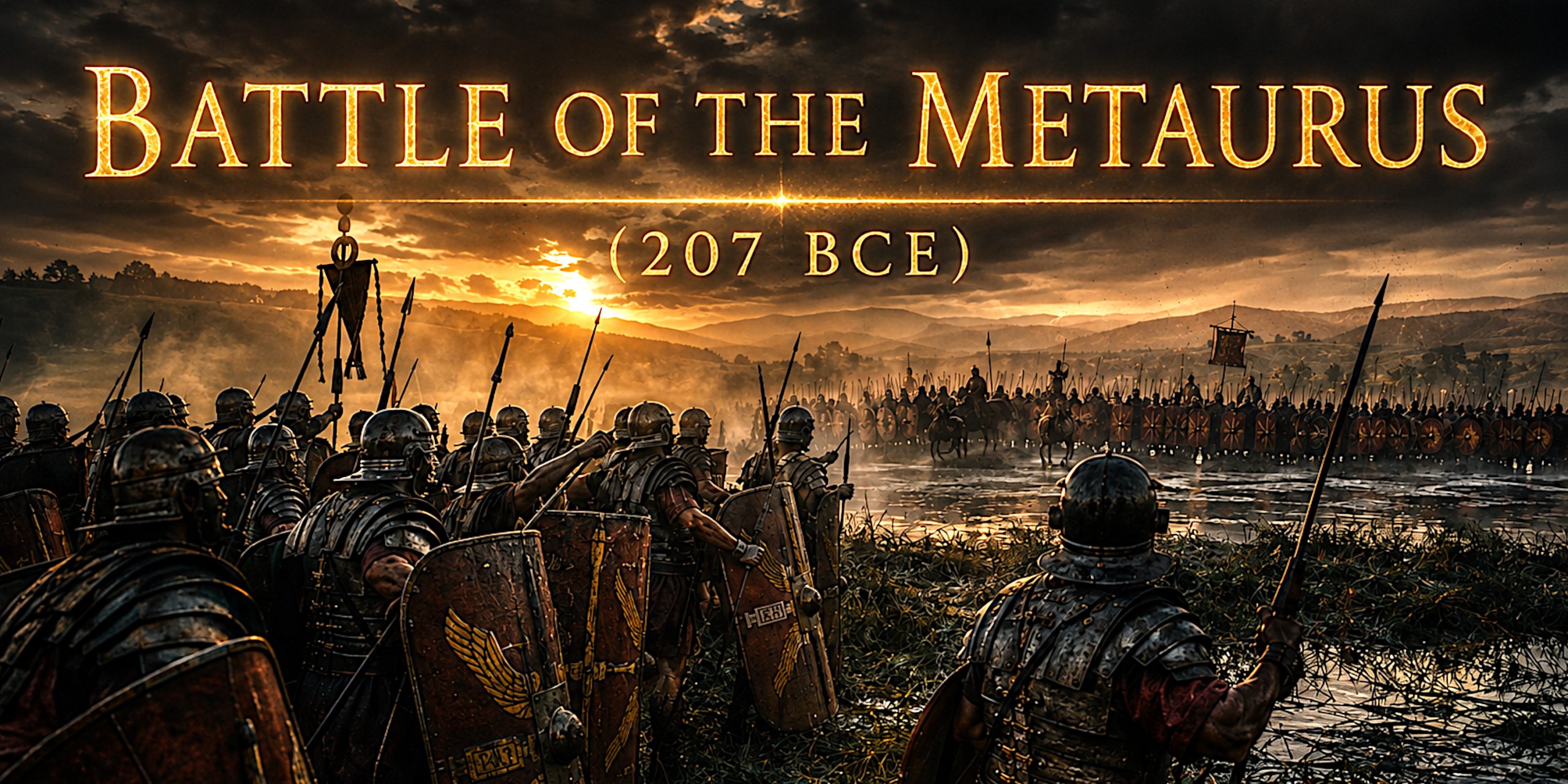
The Battle of the Metaurus ranks among the most decisive engagements of the ancient world, yet it rarely enjoys the fame of Cannae or Zama. That is rather unfair. Without Rome’s victory beside the Metaurus River in 207 BCE, Hannibal’s long campaign in Italy might have taken a very different course. Instead, it marked the beginning of the end for Carthaginian hopes.
The battle was fought between the Roman Republic and the army of Hasdrubal Barca, brother of Hannibal. Having crossed the Alps in a feat reminiscent of his more famous sibling, Hasdrubal intended to reinforce Hannibal in southern Italy. If the two armies had united, Rome would have faced its greatest military crisis since the disaster at Cannae.
The Romans recognised the danger immediately. Through bold planning, rapid marching and a willingness to take calculated risks, they intercepted Hasdrubal before the brothers could meet. The result was a crushing Roman victory that effectively destroyed Carthage’s strategic position in Italy.
As a historian, I often think the Metaurus suffers from living in the shadow of bigger names. It lacks elephants charging across snowy mountains or spectacular double envelopments, so it rarely receives the attention it deserves. Yet its consequences were arguably even greater. History is occasionally decided not by the battle everyone remembers, but by the one that quietly closes the door on every alternative.
Battle Overview
| Date | 207 BCE |
| War | Second Punic War |
| Location | Near the Metaurus River, modern Marche, Italy |
| Combatants | Roman Republic vs Carthaginian Empire |
| Roman Commanders | Gaius Claudius Nero, Marcus Livius Salinator |
| Carthaginian Commander | Hasdrubal Barca |
| Result | Decisive Roman victory |
| Strategic Outcome | Prevented Hannibal and Hasdrubal from joining forces |
The Second Punic War Before Metaurus
By 207 BCE the Second Punic War had already raged for more than a decade.
Hannibal had invaded Italy in 218 BCE, defeated successive Roman armies at the Trebia, Lake Trasimene and Cannae, and established himself as one of history’s greatest battlefield commanders. Despite these extraordinary victories, Rome refused to surrender.
Instead, the Republic did something remarkable. It rebuilt.
Roman manpower, political resilience and an almost stubborn refusal to accept defeat allowed new armies to replace those destroyed. While Hannibal continued to win tactical victories, Rome gradually recovered strategic control.
Meanwhile, the war expanded across the Mediterranean.
In Spain, Roman forces under the young Publius Cornelius Scipio steadily dismantled Carthaginian power. This threatened the flow of reinforcements and supplies reaching Hannibal.
Recognising the growing danger, Carthage dispatched Hasdrubal Barca from Iberia.
His mission was simple in theory.
Cross the Alps.
Join Hannibal.
Destroy Rome together.
Simple plans have an unfortunate habit of colliding with geography, hostile tribes and Roman determination.
Why Hasdrubal’s Campaign Mattered
Hasdrubal was no inexperienced subordinate benefiting from a famous surname. Although history naturally focuses on Hannibal, his younger brother was an accomplished commander in his own right.
He had spent years fighting Roman armies in Spain, commanding experienced African infantry, Iberian warriors, cavalry and war elephants. His escape from Iberia after setbacks against Scipio demonstrated considerable skill.
Rome understood exactly what his arrival meant.
If Hannibal gained another field army, several advantages would emerge:
- Combined manpower approaching the strength of multiple Roman consular armies
- Experienced veteran officers serving under both brothers
- Greater cavalry strength
- Improved logistics through shared resources
- Renewed opportunities to encourage Italian allies to revolt against Rome
The psychological impact alone could have been devastating. Many Roman citizens still remembered the catastrophe at Cannae only nine years earlier.
The Senate could not allow the Barcas to unite.
The Road to the Metaurus
Hasdrubal crossed the Alps in 207 BCE using routes that appear to have been easier than those taken by Hannibal eleven years earlier. While losses certainly occurred, his army emerged in considerably better condition.
As he marched south through northern Italy, Gallic tribes joined his force, increasing its size.
His objective was not immediate battle.
Instead, he hoped to link with Hannibal somewhere in central Italy after exchanging messengers detailing their intended movements.
This plan unravelled when Roman cavalry intercepted Carthaginian couriers carrying vital correspondence.
The captured letters revealed Hasdrubal’s route and his intended rendezvous.
Suddenly the Romans possessed something priceless.
Knowledge.
The Roman commanders acted with remarkable speed.
Marcus Livius Salinator shadowed Hasdrubal in the north, carefully preventing him from breaking south.
Meanwhile, Gaius Claudius Nero made one of antiquity’s boldest operational decisions.
Leaving part of his army to observe Hannibal, Nero secretly marched thousands of selected troops north across Italy to reinforce Livius.
The speed of the movement astonishes even today.
The march covered roughly 400 kilometres in only a few days, with soldiers travelling light and avoiding unnecessary delays. Even more impressive, Hannibal apparently remained unaware that one Roman consul had disappeared from his front.
Operational security, it seems, did not begin with modern armies.
Strategic Importance
The Battle of the Metaurus represented far more than another engagement during the Second Punic War.
Both sides understood its implications.
For Carthage, victory offered the possibility of changing the course of the war.
For Rome, defeat threatened years of hard-earned recovery.
The stakes included:
- The survival of Rome’s strategic position in Italy
- The prevention of a united Barca army
- Protection of Rome’s central Italian allies
- Maintenance of Roman morale after years of costly campaigning
- Preservation of the Republic’s growing initiative in Spain
When viewed in this context, the Metaurus deserves comparison with Marathon, Tours and Waterloo as one of those battles where the consequences reached far beyond the battlefield itself.
Forces
The exact numbers remain disputed by ancient historians, but modern estimates provide a reasonable picture of the opposing armies.
| Army | Estimated Strength |
|---|---|
| Roman Republic | 35,000 to 45,000 |
| Carthaginian Army | 28,000 to 35,000 |
The Roman numerical advantage increased significantly after Nero’s secret reinforcement arrived, although Hasdrubal did not immediately realise he now faced two consular armies rather than one.
The composition of each force reflected years of campaigning across multiple theatres of war.
In Part 2, we will examine the opposing commanders, the full order of battle, troop composition, and the arms and armour carried by Roman legionaries, Iberian warriors, Gallic infantry, Numidian cavalry and Carthaginian veterans before moving into the opening stages of the battle itself.
Commanders
The Battle of the Metaurus brought together three highly capable generals, each representing a different military tradition. Two Roman consuls coordinated one of the most daring operational manoeuvres of the ancient world, while Hasdrubal Barca attempted to repeat the strategic brilliance that had made his brother Hannibal famous.
Unlike Cannae, where Rome was comprehensively outmanoeuvred, the Metaurus showcased Roman adaptability. By 207 BCE the Republic had learned painful lessons from years of fighting the Barcid family.
Roman Commanders
Marcus Livius Salinator
Marcus Livius Salinator commanded the northern Roman army and bore the initial responsibility of blocking Hasdrubal’s advance.
Earlier in his career he had experienced political disgrace after accusations of financial misconduct, yet his military ability remained respected. His appointment demonstrated that Rome valued experienced commanders during moments of national crisis, even when they were not universally admired.
His approach before the battle was cautious but effective. Rather than risk an unnecessary engagement, he shadowed Hasdrubal and prevented him from moving south until reinforcements could arrive.
Patience rarely receives the same praise as dramatic charges, but without Livius’ restraint the battle may never have taken place under favourable conditions.
Gaius Claudius Nero
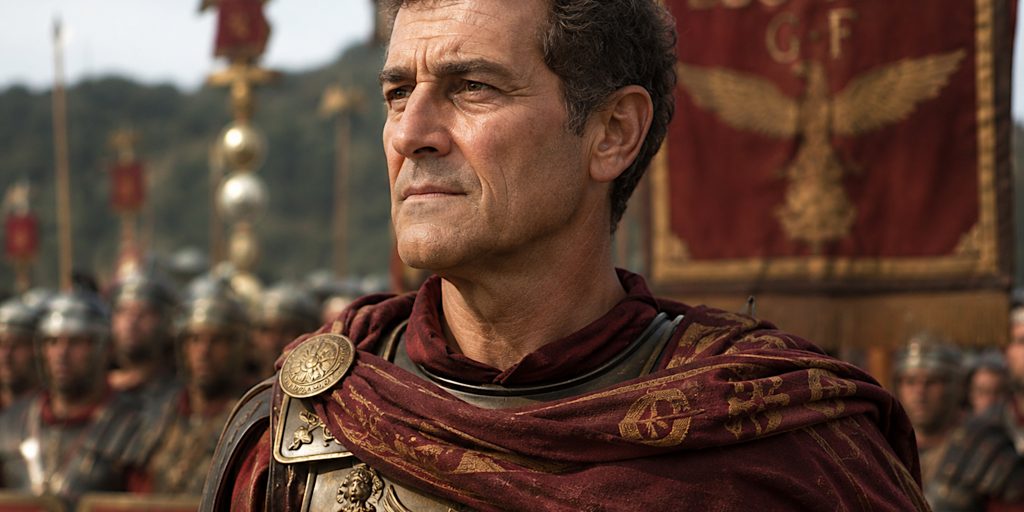
If Livius provided patience, Nero supplied audacity.
Rather than remaining opposite Hannibal in southern Italy, Nero selected approximately 6,000 infantry and 1,000 cavalry before conducting one of history’s most remarkable forced marches.
Covering roughly 400 kilometres in less than a week, his troops joined Livius without Hannibal realising that a Roman army had vanished from his front.
Nero even ordered his reinforcements to enter the Roman camp discreetly during the night to conceal their arrival.
It was a gamble.
Had Hannibal discovered the movement, he might have marched north himself or attacked the weakened Roman force left behind.
Instead, Nero arrived unnoticed, fundamentally altering the balance of power before Hasdrubal even realised he faced two consuls.
Carthaginian Commander
Hasdrubal Barca
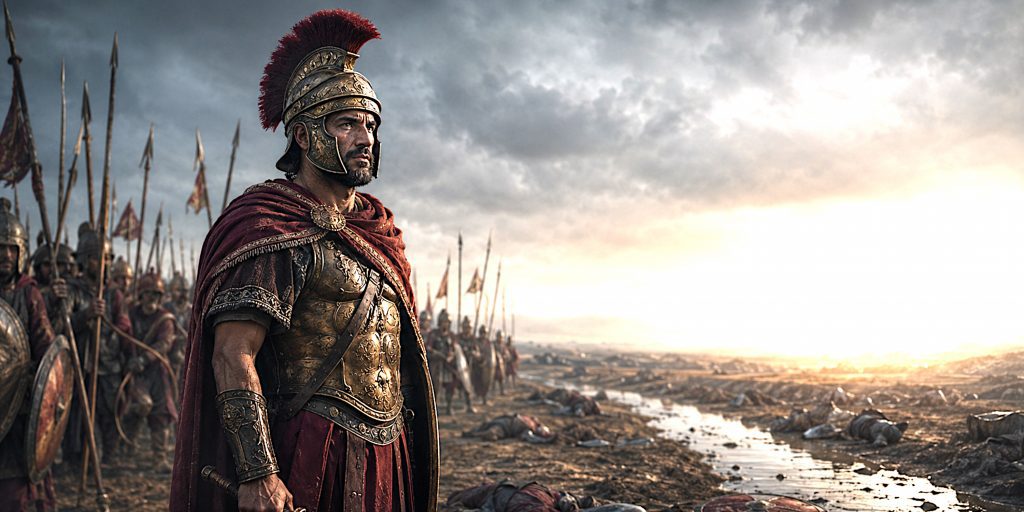
History often remembers Hasdrubal simply as Hannibal’s brother.
That does him a considerable disservice.
Hasdrubal had spent years campaigning in Iberia against experienced Roman commanders. He demonstrated skill in diplomacy, logistics and battlefield leadership while maintaining Carthaginian influence across much of Spain.
Crossing the Alps with an army that remained largely intact was itself an impressive achievement.
Unlike Hannibal’s famous crossing in 218 BCE, Hasdrubal appears to have benefited from friendlier tribal relations and improved planning, allowing more soldiers and equipment to survive the journey.
His greatest challenge was timing.
The campaign depended upon coordinating with Hannibal across hundreds of kilometres of hostile territory.
Once Roman forces intercepted his messages, the initiative shifted decisively.
Hasdrubal recognised the danger only when it was already too late.
Leaders at a Glance
| Commander | Side | Role | Strengths |
|---|---|---|---|
| Marcus Livius Salinator | Rome | Consul | Defensive planning, discipline, strategic patience |
| Gaius Claudius Nero | Rome | Consul | Rapid manoeuvre, decisive leadership, operational surprise |
| Hasdrubal Barca | Carthage | Commander | Veteran strategist, logistics, combined arms warfare |
Troop Composition
Both armies reflected years of campaigning across the Mediterranean.
Neither consisted of a single national force. Instead, they were collections of allied peoples, mercenaries and professional soldiers who brought distinct fighting styles and equipment to the battlefield.
Roman Army
The Roman army remained organised around the legion, supported by allied Italian contingents known as socii.
Its core consisted of disciplined heavy infantry capable of maintaining formation under enormous pressure.
Roman Forces
| Unit | Role |
|---|---|
| Roman Legionaries | Heavy infantry forming the battle line |
| Allied Italian Infantry | Reinforced the legions with additional heavy troops |
| Velites | Light infantry armed with javelins |
| Roman Cavalry | Protected the flanks |
| Allied Cavalry | Supported reconnaissance and pursuit |
Roman doctrine emphasised:
- Discipline over individual heroics
- Flexible manipular formations
- Close coordination between infantry and cavalry
- Aggressive pursuit after victory
Years of campaigning against Hannibal had also made Roman officers more adaptable than those who marched into battle at Cannae.
Carthaginian Army
Hasdrubal commanded a far more diverse force.
His veterans came from across Carthage’s western territories, each bringing different weapons, armour and battlefield traditions.
Carthaginian Forces
| Unit | Role |
|---|---|
| African Heavy Infantry | Disciplined professional infantry |
| Iberian Swordsmen | Aggressive close combat specialists |
| Gallic Warriors | Powerful shock infantry |
| Ligurian Infantry | Flexible mountain fighters |
| Numidian Cavalry | Elite light cavalry |
| Heavy Cavalry | Flank protection and charges |
| War Elephants | Limited battlefield support |
Although Carthage’s army possessed considerable experience, communication between its different ethnic contingents could prove challenging.
That diversity created tactical flexibility but demanded exceptional leadership.
Fortunately for Carthage, Hasdrubal was generally equal to that task.
Arms and Armour
One of the fascinating aspects of the Metaurus is the variety of weapons carried by both armies.
The battlefield represented a meeting of military cultures from Italy, Iberia, North Africa and Gaul.
Roman Equipment
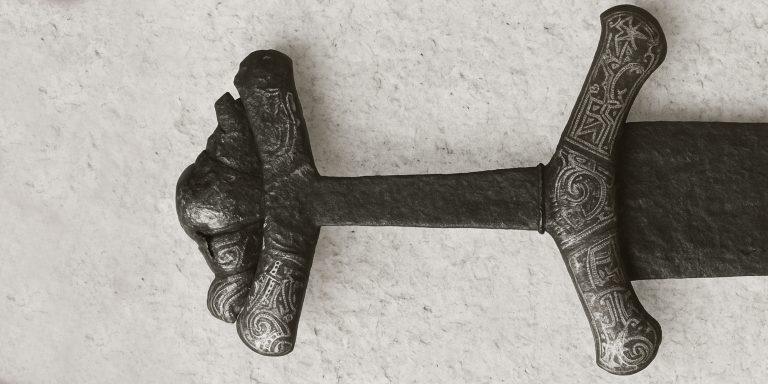
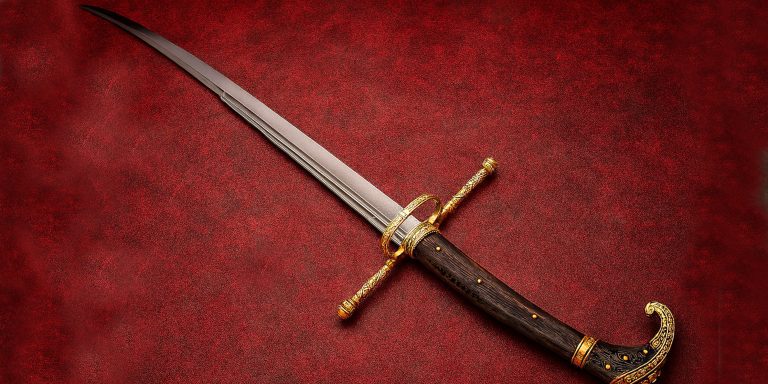
Gladius Hispaniensis
Ironically, the Roman sword had Iberian origins.
The Gladius Hispaniensis had been adopted after earlier campaigns in Spain and was proving devastating in close combat.
Typical characteristics included:
- Blade length of approximately 60 to 70 cm
- Double edged iron blade
- Acute stabbing point
- Effective for thrusting in tight formations
Roman legionaries fought behind large rectangular shields, allowing them to thrust beneath or around enemy shields with lethal efficiency.
The gladius would remain Rome’s principal military sword for generations.
Pilum
Before closing with the enemy, legionaries threw the heavy pilum.
Designed to bend on impact, it prevented opponents from throwing it back and often rendered shields unusable.
Scutum
The large curved scutum offered excellent protection while allowing formations to advance steadily under missile fire.
Armour
Roman protection varied according to wealth and rank but commonly included:
- Bronze Montefortino or Coolus helmets
- Mail armour (lorica hamata)
- Bronze greaves for some officers
- Large wooden shield covered with leather
Carthaginian Equipment
Hasdrubal’s multinational army carried an impressive variety of weapons.
Iberian Swords
Many Iberian infantry wielded the famous falcata.
Its forward-curving blade delivered tremendous chopping power while remaining effective for thrusting.
Others carried straight Celtic influenced swords similar to those later adopted by Rome.
African Infantry
Veteran Libyan troops often fought using equipment captured from Roman armies earlier in the war.
This included:
- Roman style shields
- Long thrusting spears
- Gladius-type swords
- Mail armour
It was one of history’s more awkward ironies that Roman soldiers frequently found themselves fighting enemies equipped with Roman weapons.
Gallic Warriors
Gallic infantry preferred:
- Long slashing swords
- Large oval shields
- Spears
- Minimal armour, although wealthier warriors wore mail shirts
Their ferocious charges could overwhelm opponents quickly, but prolonged disciplined combat generally favoured Roman formations.
Weapon Comparison
| Weapon | Army | Primary Use |
|---|---|---|
| Gladius Hispaniensis | Rome | Close quarter thrusting |
| Pilum | Rome | Heavy throwing spear |
| Scutum | Rome | Defensive shield |
| Falcata | Iberians | Powerful cutting sword |
| Celtic Long Sword | Gauls | Slashing weapon |
| Spear | Both armies | General infantry combat |
| Lance | Cavalry | Mounted charges |
Before the Battle
Hasdrubal finally realised he faced a stronger Roman force than expected.
Ancient writers suggest he detected unfamiliar trumpet calls and increased activity within the Roman camp, leading him to suspect that another consul had arrived.
Recognising that remaining where he stood invited disaster, he attempted a night withdrawal.
The retreat quickly descended into confusion.
Unfamiliar guides became lost among the valleys surrounding the Metaurus River.
Columns drifted apart.
Discipline began to fray.
By dawn, Roman scouts had discovered the movement.
Hasdrubal had hoped to avoid battle until circumstances improved.
Instead, he found himself forced to deploy on ground that offered little room for manoeuvre.
The decisive clash was now unavoidable.
The Battle
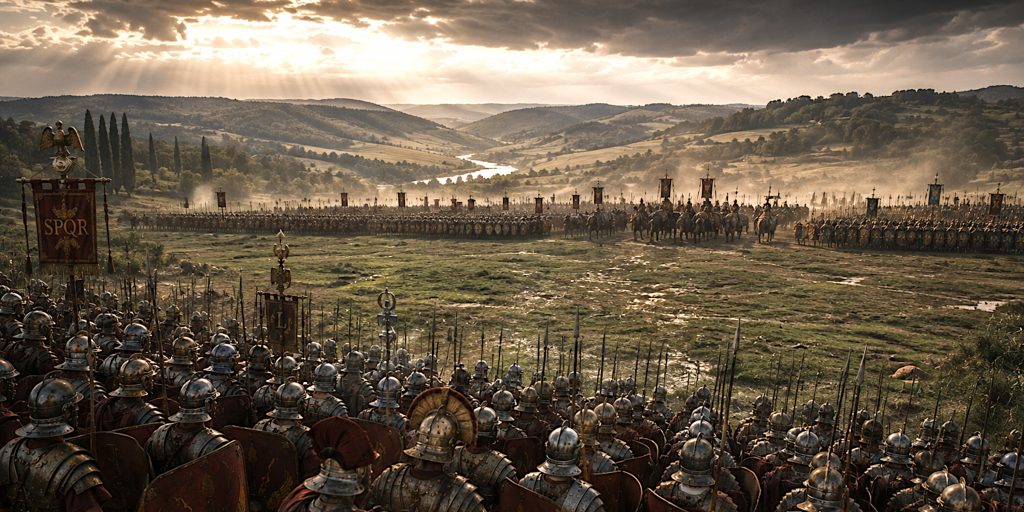
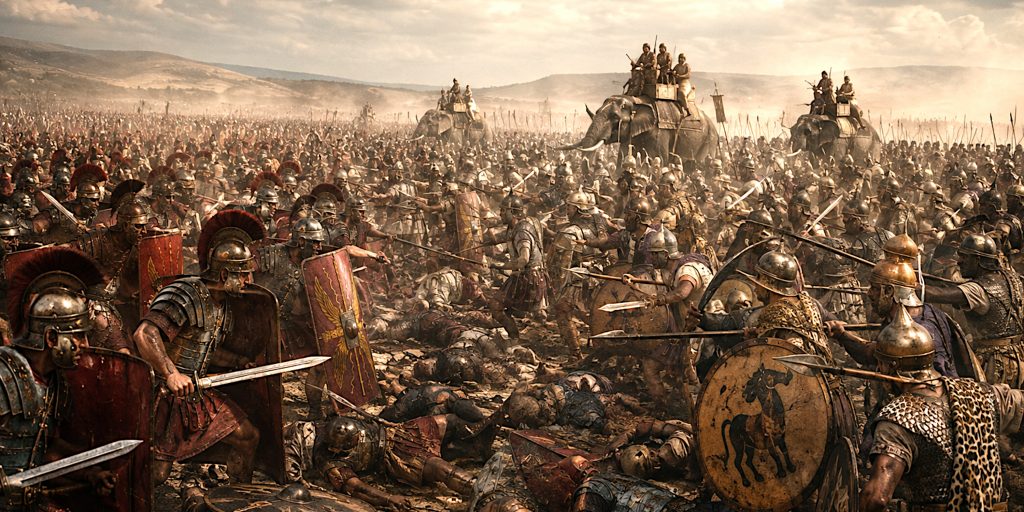
By the morning of the battle, Hasdrubal’s carefully planned campaign had begun to unravel.
His attempted night withdrawal had failed. Guides lost their way among unfamiliar valleys, sections of the army became separated, and precious hours slipped away. Instead of choosing the battlefield, Hasdrubal found himself forced to fight where circumstance dictated.
For the Romans, this was precisely the opportunity they had hoped for.
Marcus Livius Salinator had successfully delayed the Carthaginian advance long enough for Gaius Claudius Nero’s secret march to bear fruit. What had begun as a cautious shadowing operation had become a chance to destroy the only major reinforcement Hannibal would ever receive.
The two Roman consuls wasted little time.
Battlefield Deployment
The exact layout varies slightly between the ancient historians, but the overall arrangement is reasonably well understood.
Hasdrubal deployed with his strongest and most experienced troops in positions that reflected both the terrain and his multinational army.
Roman Deployment
| Position | Units |
|---|---|
| Left Wing | Allied cavalry and supporting infantry |
| Centre | Roman and allied legions under Marcus Livius Salinator |
| Right Wing | Troops commanded by Gaius Claudius Nero |
| Reserve | Limited cavalry and supporting infantry |
The Romans relied upon discipline and coordination rather than elaborate manoeuvre.
Their greatest advantage was one Hasdrubal had not anticipated.
There were simply more Roman soldiers present than he believed.
Carthaginian Deployment
| Position | Units |
|---|---|
| Left Wing | Gallic infantry positioned on uneven ground |
| Centre | African heavy infantry and Iberian veterans |
| Right Wing | Cavalry and supporting infantry |
| Reserve | Remaining cavalry and elephants |
Hasdrubal also used difficult terrain to protect one flank, hoping to limit Roman attacks from that direction.
It was sensible military thinking.
Unfortunately for him, Nero had little interest in doing what his opponent expected.
Opening Phase
The battle began with the familiar exchange of missiles.
Roman velites advanced ahead of the heavy infantry, hurling pila and javelins before withdrawing through the gaps in the legionary formations.
Carthaginian skirmishers answered in kind.
Soon afterwards, the main infantry lines advanced.
Thousands of shields crashed together.
Pilums struck armour.
Spears splintered.
The battle quickly dissolved into hundreds of desperate fights fought only a few feet apart.
Roman legionaries pushed steadily forward using their large scuta to disrupt enemy formations before stabbing with the gladius.
The African infantry responded with equal determination.
These were experienced professionals who had campaigned across Spain and Italy for years. They were not inclined to panic simply because Rome had appeared in greater numbers than expected.
The fighting in the centre settled into a brutal contest of endurance.
Neither side gave ground easily.
The Struggle in the Centre
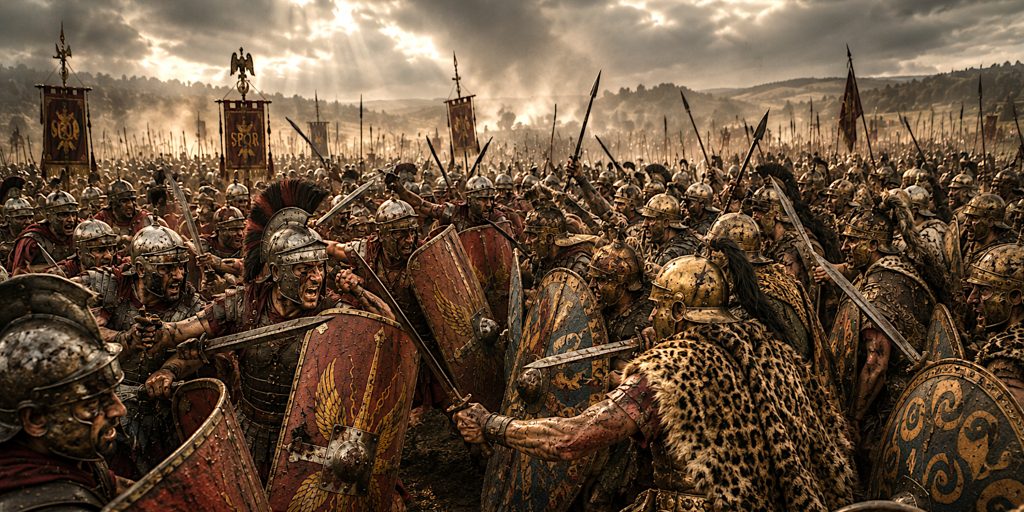
Marcus Livius Salinator bore the weight of the main engagement.
His legions faced Hasdrubal’s finest troops, including veteran African infantry whose discipline rivalled that of the Romans themselves.
For a considerable time the battle remained finely balanced.
Ancient battles are often imagined as constant dramatic charges, but many were prolonged pushing matches.
Men fought.
Rested briefly.
Fought again.
Units rotated where possible.
Officers attempted to maintain cohesion while dust, noise and confusion swallowed any sense of the wider battlefield.
The Metaurus was no different.
Victory would not come through brute strength alone.
Someone needed to create an opportunity.
Nero’s Decision
Gaius Claudius Nero recognised that the ground in front of his own wing prevented an effective assault.
Rather than waste lives attacking difficult terrain, he made one of the boldest battlefield decisions of the Second Punic War.
Leaving part of his force to pin the enemy in place, Nero quietly marched selected troops behind the Roman battle line.
He moved across the rear of the army.
Then struck the exposed flank of Hasdrubal’s centre.
This was an exceptionally dangerous manoeuvre.
Had Roman coordination broken down, confusion could easily have spread through their own ranks.
Instead, the movement appears to have been executed with remarkable discipline.
Modern military historians often describe this as one of Rome’s finest examples of tactical flexibility.
The Romans were no longer simply reacting to Hannibal’s innovations.
They had begun creating their own.
The Carthaginian Line Begins to Collapse
Nero’s arrival transformed the battle.
Hasdrubal’s centre suddenly found itself fighting from two directions.
African infantry attempted to wheel around and meet the new threat, but doing so while already engaged with Livius’ advancing legions proved extraordinarily difficult.
Pressure increased across the entire front.
Roman soldiers sensed the moment.
The advance became more aggressive.
Carthaginian formations that had held together for hours slowly began to fragment.
The Gallic contingent suffered particularly badly.
Many had already endured the exhausting retreat during the previous night and now faced relentless attacks from fresh Roman troops.
Once gaps appeared, Roman legionaries exploited them mercilessly.
Training, rather than individual heroics, began to decide the battle.
Hasdrubal’s Final Stand
Hasdrubal quickly understood that the battle had been lost.
Unlike many defeated commanders who fled in search of safety, he chose another course.
According to the ancient sources, he gathered his remaining horsemen and launched one final charge directly into the Roman ranks.
It was effectively a suicide attack.
The charge could not restore the battle.
Its purpose was honour.
Hasdrubal died fighting alongside his soldiers, refusing capture.
His death marked the destruction of the last realistic opportunity for Carthage to reverse the war in Italy.
It also reinforced the reputation of the Barcid family as commanders willing to share the dangers faced by their armies.
Even Roman writers, hardly inclined to praise their enemies without reason, treated Hasdrubal’s final moments with a measure of respect.
Contemporary Accounts
The Roman historian Livy described the battle as one of the Republic’s greatest victories, emphasising the courage shown by both sides and the importance of Nero’s daring march before the engagement.
The Greek historian Polybius, writing closer to the events and drawing upon eyewitness traditions, viewed the battle as the decisive turning point that destroyed Carthage’s hopes of winning the war in Italy.
Livy records Hasdrubal’s refusal to survive a hopeless defeat, describing how he deliberately rode into the thickest fighting rather than abandon his army. Whether every detail is literal or slightly embellished, it reflects the respect that even victorious Romans held for a formidable opponent.
As with much of ancient history, the speeches attributed to commanders are almost certainly literary creations rather than verbatim records. Their value lies in revealing how later generations understood the character of these men, rather than preserving every word they spoke.
Casualties
Ancient historians rarely agree on casualty figures, and the Battle of the Metaurus is no exception. Roman authors naturally celebrated the scale of their victory, while Carthaginian records from the period have almost entirely disappeared.
Modern historians therefore approach the numbers cautiously.
The consensus is that the Carthaginian army suffered catastrophic losses, while the Romans paid a comparatively modest price for one of the most significant victories in their history.
| Army | Estimated Casualties |
|---|---|
| Roman Republic | 2,000 to 8,000 killed or wounded |
| Carthaginian Army | 10,000 to 20,000 killed |
| Prisoners Captured | Approximately 5,000 to 10,000 |
Whatever the precise figures, the strategic outcome is beyond dispute.
Hasdrubal’s army ceased to exist as an effective fighting force.
Unlike Hannibal after Cannae, there would be no opportunity to rebuild in Italy.
Hannibal Learns the Truth
One of the most haunting episodes of the Second Punic War occurred not during the battle itself, but several days later.
Following the Roman victory, Hasdrubal’s severed head was carried south and thrown into Hannibal’s camp.
Ancient warfare could be brutally theatrical.
The message required no explanation.
Hannibal immediately understood that his brother had failed to reach him.
Livy attributes to Hannibal the famous reflection:
“I recognise the fate of Carthage.”
Whether those exact words were spoken can never be proven. Ancient historians frequently composed speeches that captured the spirit of an event rather than preserving its precise wording.
Even so, the sentiment rings true.
For over a decade Hannibal had carried the war into Italy, defeating Roman armies that often outnumbered his own.
Now he knew he would never receive the reinforcements upon which Carthage’s strategy depended.
From that moment onwards, he fought largely to survive rather than to win.
It is difficult not to feel a measure of sympathy.
One can admire Rome’s resilience while recognising the remarkable endurance of Hannibal, who continued campaigning despite watching every realistic hope of victory disappear.
Why Rome Won
The Roman victory was not the result of luck alone.
Several factors combined to produce success.
Superior Intelligence
Perhaps the single most important advantage came before the battle even began.
The interception of Hasdrubal’s dispatches allowed Rome to understand the Carthaginian plan in extraordinary detail.
Without those captured letters, Nero’s famous march may never have taken place.
Knowledge can be every bit as valuable as an extra legion.
Nero’s Forced March
Gaius Claudius Nero’s rapid movement remains one of antiquity’s finest operational achievements.
His ability to reinforce another army without Hannibal detecting the manoeuvre demonstrated exceptional discipline, planning and speed.
Few commanders of the ancient world would have attempted such an operation.
Even fewer would have succeeded.
Roman Discipline
By 207 BCE the Roman army had evolved considerably.
The disasters of the early Second Punic War forced commanders to adapt.
Legions had become more flexible.
Officers had gained years of experience fighting elite opponents.
The soldiers confronting Hasdrubal were very different from those who had marched into Hannibal’s trap at Cannae.
Rome had learned.
History often rewards those willing to do so.
Carthage’s Strategic Isolation
Hasdrubal entered Italy with an excellent army.
What he lacked was time.
Every day that passed increased Roman opportunities to concentrate their superior manpower.
Once communication with Hannibal broke down, the campaign became increasingly difficult.
The Battle of the Metaurus merely accelerated a strategic problem that had already begun.
Archaeology
Unlike some famous battlefields of antiquity, the exact location of the Battle of the Metaurus remains debated.
Most scholars place it near the modern Metauro River in the Marche region of eastern Italy, although several nearby locations have been proposed.
Changing river courses over more than two millennia have complicated efforts to identify the precise battlefield.
Even so, archaeological work has provided valuable insights into Roman and Carthaginian military activity in the region.
Finds include:
- Roman military equipment
- Iron spearheads
- Pilum fragments
- Bronze fittings from shields
- Coins dating to the late third century BCE
- Camp remains consistent with Roman military occupation
Unfortunately, unlike sites such as Kalkriese or Towton, no concentrated deposit of battlefield casualties has yet been identified with certainty.
This is hardly surprising.
Victorious armies usually stripped battlefields of valuable equipment before local communities scavenged whatever remained.
Nature then spent the next twenty-two centuries quietly covering the evidence.
Archaeology is sometimes less like reading a history book and more like attempting to reconstruct a library after somebody has enthusiastically scattered the pages across several counties.
Legacy
The Battle of the Metaurus fundamentally changed the course of the Second Punic War.
From this point onwards, Rome increasingly dictated events.
Hannibal remained undefeated in battle within Italy, but he could no longer threaten Rome itself.
His army gradually became isolated in southern Italy while Roman victories accumulated elsewhere.
Meanwhile, Publius Cornelius Scipio expanded Roman operations in Spain before eventually carrying the war into North Africa.
The chain of events that led to the Battle of Zama in 202 BCE began beside the Metaurus.
Without the destruction of Hasdrubal’s army, that later campaign might never have been possible.
The Metaurus therefore deserves recognition alongside:
- Marathon
- Gaugamela
- Cannae
- Zama
- Alesia
Each altered the political landscape of the ancient Mediterranean.
The difference is that the Metaurus achieved its importance not through spectacular tactics alone, but by quietly ending Carthage’s final realistic chance of victory.
Historical Significance
Military historians continue to study the battle because it illustrates several timeless principles of warfare.
- Intelligence can outweigh numerical strength.
- Operational speed can reshape an entire campaign.
- Coordination between separate armies can produce decisive results.
- Strategic victories often matter more than tactical brilliance.
The battle also highlights Rome’s greatest strength.
It was not invincibility.
It was resilience.
The Republic absorbed disasters that would have destroyed many states, learned from them and returned stronger.
That ability ultimately proved more powerful than even Hannibal’s extraordinary genius.
Takeaway
The Battle of the Metaurus lacks the dramatic reputation of Cannae or the finality of Zama, yet it may have been the most important Roman victory of the Second Punic War.
Hasdrubal Barca came to Italy carrying Carthage’s last great hope. He crossed mountains, assembled a capable multinational army and marched south intending to unite with one of history’s greatest generals.
Instead, he encountered a Roman Republic that had finally adapted to its greatest enemy.
The destruction of his army ensured Hannibal would remain isolated for the rest of the war. Rome retained the initiative, expanded its campaigns overseas and steadily tightened its grip on victory.
It is tempting to remember only the battles that feature spectacular tactical masterpieces or impossible odds. The Metaurus offers something quieter, but no less compelling. It reminds us that wars are often decided not by the most famous victory, but by the moment when one side realises there is no longer a path to success.
For Carthage, that moment arrived on the banks of an Italian river in 207 BCE. For Rome, it marked the beginning of an empire that would dominate the Mediterranean for centuries.