The Age Of Pharaohs, Empire And Monumental Power
The New Kingdom was the period when ancient Egypt stopped merely defending its borders and became one of the great imperial powers of the Bronze Age world. Between around 1550 and 1070 BC, Egypt’s rulers built an empire stretching from Nubia in the south to the Levant in the north, constructed some of the most recognisable monuments on earth and produced pharaohs whose names still carry weight thousands of years later.
This was the era of Hatshepsut’s ambition, Thutmose III’s military genius, Akhenaten’s religious revolution, Tutankhamun’s golden afterlife and Ramesses II’s monumental self-promotion. The New Kingdom pharaohs understood power, image and legacy better than almost anyone. Some modern politicians would probably look at a Ramesses inscription and think he was being slightly excessive. They would also probably take notes.
As a historian, this is the period of Egyptian history I find the most fascinating because the personalities feel unusually close. Beneath the gold masks and temple walls were families fighting over inheritance, commanders gambling on campaigns and rulers desperately trying to control how future generations remembered them. In many cases, they succeeded.
Origins Of The New Kingdom
The New Kingdom emerged from a period of crisis known as the Second Intermediate Period. Egypt had been divided, with the Hyksos, a foreign ruling group from Western Asia, controlling parts of northern Egypt from their capital at Avaris.
The rulers of Thebes led the resistance. After earlier campaigns by Seqenenre Tao and Kamose, it was Ahmose I who finally defeated the Hyksos around 1550 BC, reunited Egypt and founded the Eighteenth Dynasty.
The victory changed Egyptian thinking. Previous pharaohs had often focused on maintaining Egypt’s natural borders. New Kingdom rulers increasingly believed security required expansion. They created buffer territories, controlled trade routes and projected power far beyond the Nile Valley.
Egypt had learnt a harsh lesson: waiting for enemies to arrive was not a particularly reliable defence strategy.
The Dynasties Of The New Kingdom
The New Kingdom consisted of three dynasties:
| Dynasty | Approximate Dates | Major Pharaohs | Key Features |
|---|---|---|---|
| Eighteenth Dynasty | c. 1550 to 1292 BC | Ahmose I, Hatshepsut, Thutmose III, Akhenaten, Tutankhamun | Imperial expansion, artistic achievement, religious change |
| Nineteenth Dynasty | c. 1292 to 1189 BC | Seti I, Ramesses II, Merneptah | Military revival, huge building projects |
| Twentieth Dynasty | c. 1189 to 1077 BC | Ramesses III and later Ramesside kings | Defence against invasions, economic pressure, decline |
The Eighteenth Dynasty: Egypt Builds An Empire
The Eighteenth Dynasty transformed Egypt into an international superpower.
Ahmose I: Founder Of The New Kingdom
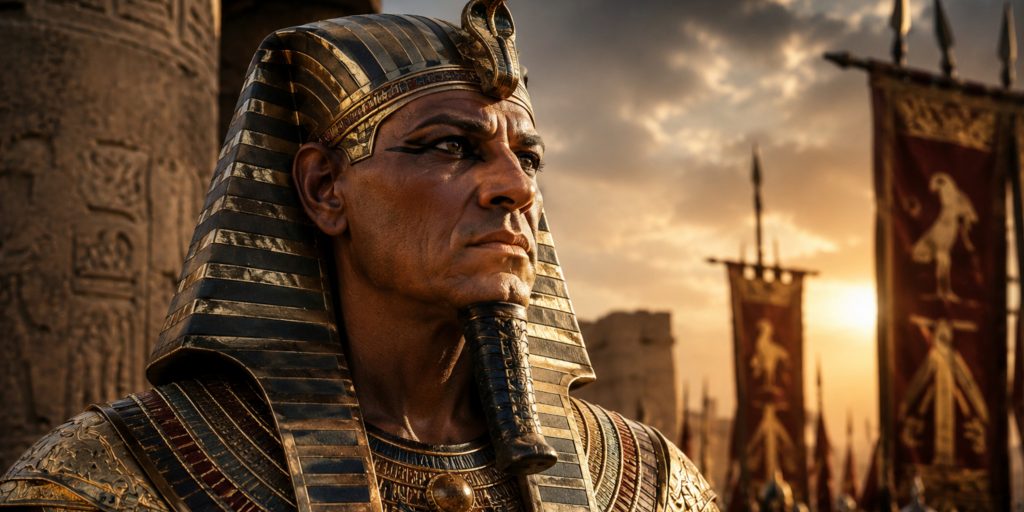
Ahmose I completed the wars against the Hyksos and restored Egyptian unity. His campaigns pushed Egyptian influence into Palestine and Nubia.
His reign established several patterns of New Kingdom rule:
- Strong professional military organisation
- Increased importance of chariots
- Expansion into neighbouring regions
- Greater wealth flowing into royal and religious institutions
Hatshepsut: The Female Pharaoh Who Rewrote Expectations
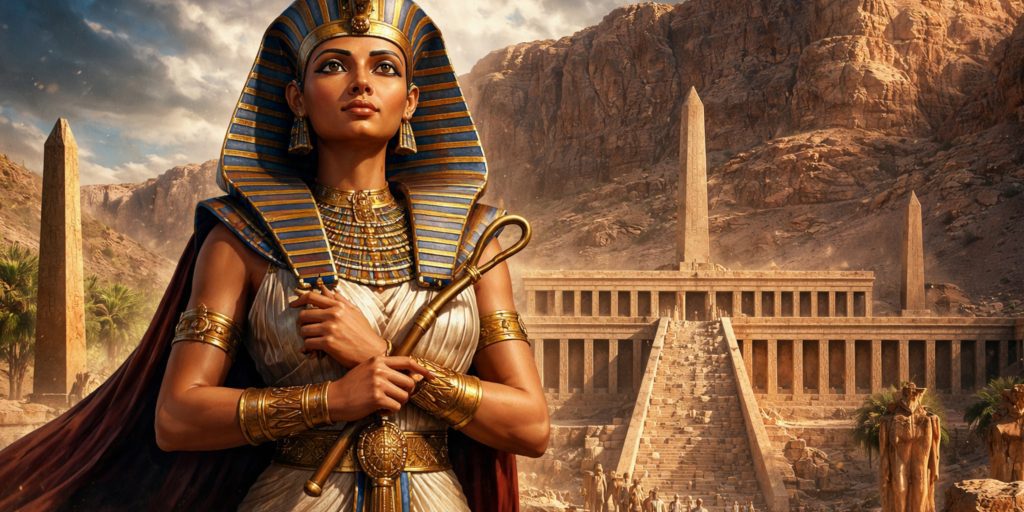
Hatshepsut ruled from around 1479 to 1458 BC and remains one of Egypt’s most remarkable monarchs. Acting first as regent for Thutmose III, she eventually adopted full royal titles.
Her reign focused heavily on:
- Trade expeditions, especially to Punt
- Monumental architecture
- Economic development
- Religious legitimacy
Her mortuary temple at Deir el-Bahri remains one of Egypt’s architectural masterpieces.
I have always found Hatshepsut fascinating because later attempts to remove her memory actually helped preserve her story. Ancient Egyptian political editing sometimes worked about as well as trying to hide a message carved into a mountain.
Thutmose III: The Warrior Pharaoh
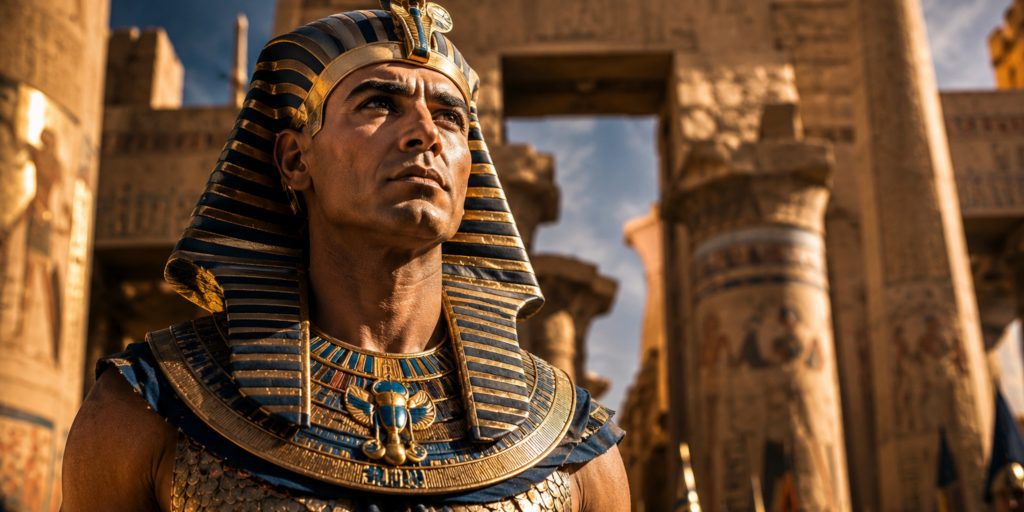
Thutmose III ruled from around 1479 to 1425 BC and became one of Egypt’s greatest military leaders.
His campaigns included:
- Expansion into Syria
- Control of Canaan
- Victory at Megiddo
- Strengthening Egyptian influence across the Near East
The Battle of Megiddo around 1457 BC is one of the earliest battles recorded in significant detail.
Thutmose III created an empire based not only on conquest but diplomacy. Local rulers often remained in power but sent tribute and hostages to Egypt.
Akhenaten And The Amarna Revolution
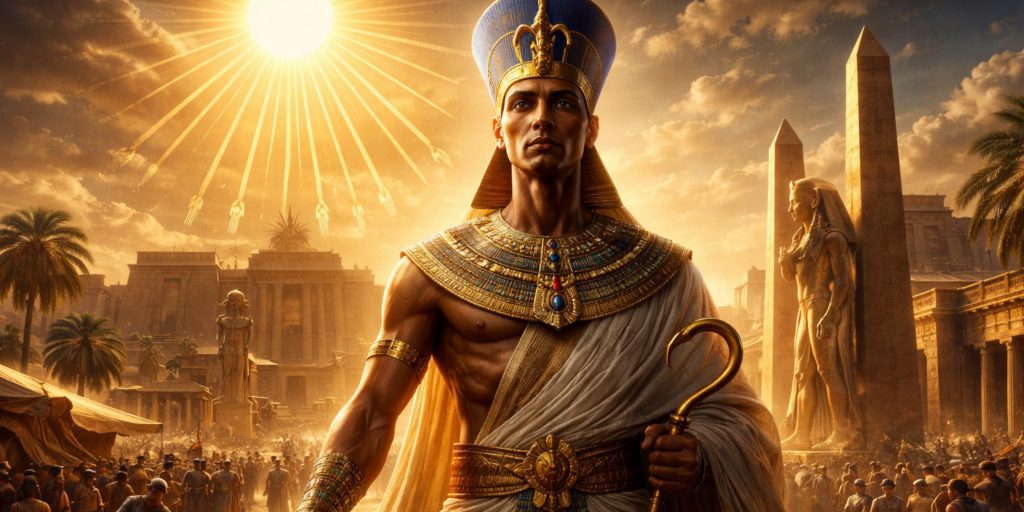
Akhenaten remains one of the most controversial pharaohs. He attempted to transform Egyptian religion by promoting the worship of Aten, the solar disc, above traditional gods.
Changes included:
- Establishing a new capital at Akhetaten, modern Amarna
- Reducing the power of traditional priesthoods
- Introducing a unique artistic style
- Changing royal religious identity
Whether Akhenaten was a visionary reformer or a ruler who seriously destabilised Egypt remains debated. Personally, I lean towards both. History is inconvenient like that.
Tutankhamun: The Famous Young King
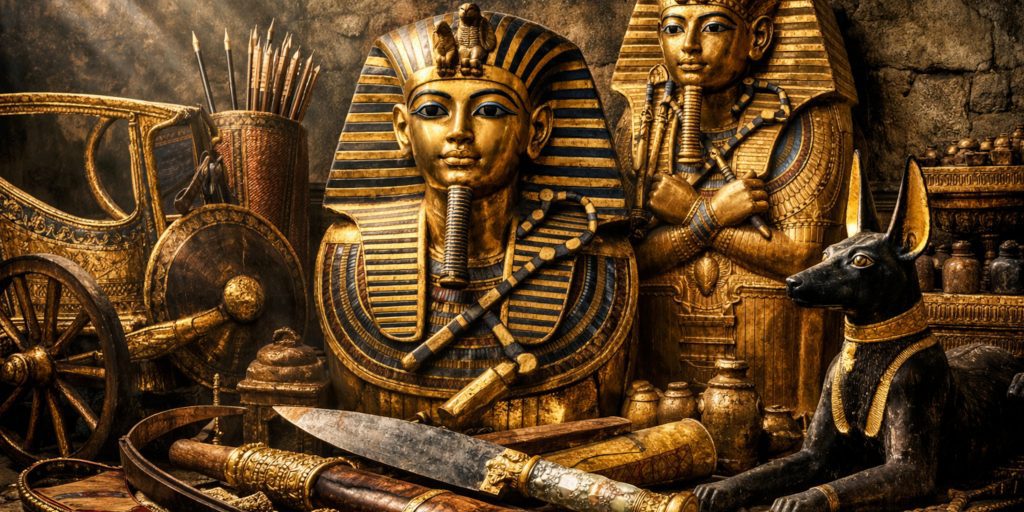
Tutankhamun ruled from around 1332 to 1323 BC. His political achievements were limited due to his young age and short reign, but his intact tomb transformed modern understanding of Egyptian royalty.
His reign saw:
- Restoration of traditional religious practices
- Abandonment of Akhenaten’s reforms
- Return of political influence to Thebes
His fame today owes much to the discovery of his tomb by Howard Carter in 1922.
The Nineteenth Dynasty: The Age Of The Ramessides
The Nineteenth Dynasty restored stability after the disruption of the Amarna Period.
Seti I: Restoring Egyptian Strength
Seti I was a highly capable ruler and military commander.
His achievements included:
- Campaigns in Canaan and Syria
- Restoration of temples
- Construction at Abydos and Karnak
- Strengthening Egypt’s army
He often stands slightly in the shadow of his son, Ramesses II, which feels unfair. Seti was the type of ruler who did the hard rebuilding work before someone else arrived to carve their name very, very large.
Ramesses II: The Great Builder
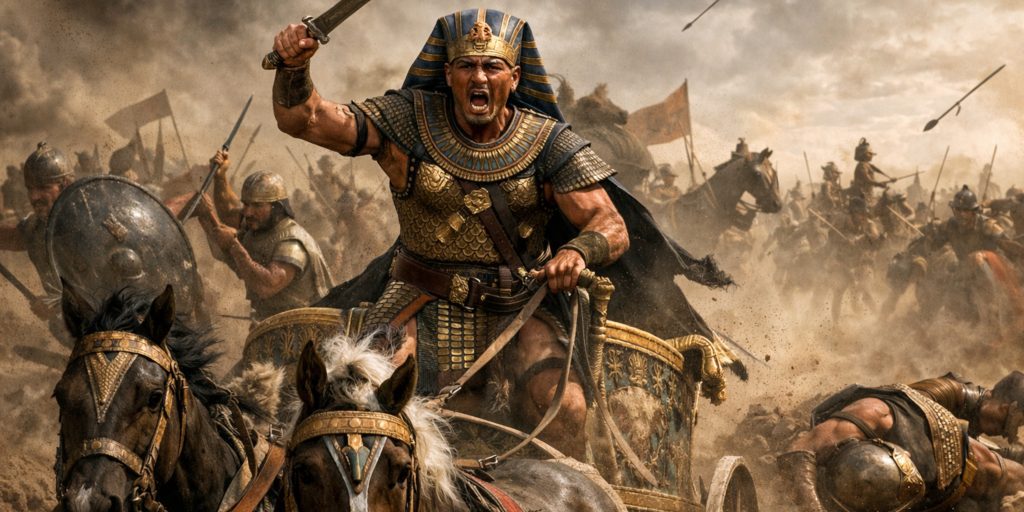
Ramesses II ruled for around 66 years and became the ultimate symbol of Egyptian kingship.
His reign included:
- The Battle of Kadesh against the Hittites
- Construction of Abu Simbel
- Expansion of temples at Karnak and Luxor
- One of history’s earliest known peace treaties
The Battle of Kadesh around 1274 BC was presented by Ramesses as a great personal victory, although the reality was far more balanced. Egyptian and Hittite records both engaged in a little Bronze Age public relations.
Some things never change.
The Twentieth Dynasty And The Final Great Pharaohs
The Twentieth Dynasty faced a changing world. Bronze Age kingdoms across the eastern Mediterranean were collapsing, trade networks weakened and migration increased.
Ramesses III: The Last Great Pharaoh Of The New Kingdom
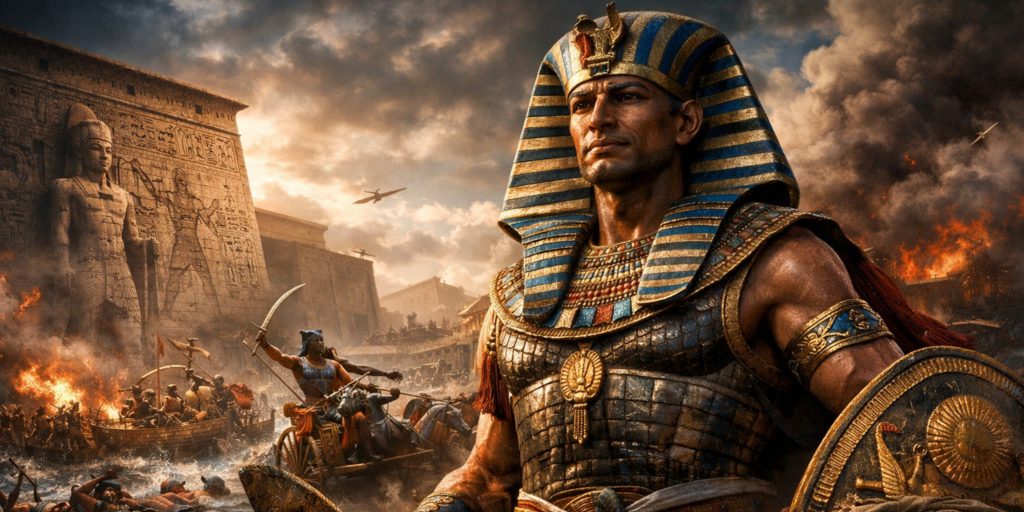
Ramesses III ruled from around 1186 to 1155 BC.
His reign was dominated by defence against:
- The Sea Peoples
- Libyan groups
- Internal economic problems
His victories preserved Egypt, but the cost was enormous.
The first recorded labour strike in history occurred during his reign when workers at Deir el-Medina protested delayed payments. Even the builders of royal tombs eventually reached the point of saying, essentially, “wonderful eternity project, but could we have our wages?”
Government And Society
New Kingdom Egypt was highly organised.
The state relied on:
- Pharaoh as divine ruler
- Powerful administrators
- Provincial governors
- Temple institutions
- Professional scribes
Important groups included:
| Group | Role |
|---|---|
| Pharaoh | Political, military and religious authority |
| Vizier | Chief administrator |
| Priests | Managed temples and religious wealth |
| Scribes | Controlled records and bureaucracy |
| Soldiers | Protected and expanded Egypt |
| Farmers | Supported the economy through agriculture |
The system was impressive but depended heavily on strong leadership and stable resources.
Military Power Of New Kingdom Egypt
The New Kingdom army became the most advanced military force Egypt had produced.
Major developments:
- Permanent professional soldiers
- Large chariot divisions
- Foreign mercenary units
- Improved bronze weapon technology
- Fortified border systems
Campaigns reached:
- Nubia
- Libya
- Canaan
- Syria
Arms And Armour Of New Kingdom Egypt
Egyptian warfare changed dramatically during this period.
Weapons
| Weapon | Description |
|---|---|
| Khopesh | Curved bronze sickle sword associated with elite warriors |
| Bronze daggers | Close combat and ceremonial weapons |
| Composite bow | Powerful weapon influenced by Near Eastern designs |
| Spears | Common infantry weapons |
| Axes | Used heavily by earlier New Kingdom troops |
| Javelins | Used by infantry and chariot fighters |
Armour
Egyptian soldiers used:
- Linen armour
- Leather protection
- Bronze scale armour among elite troops
- Wooden shields covered with hide
- Helmets among some foreign-influenced units
The Egyptian army preferred mobility rather than turning soldiers into walking metal statues.
Religion, Temples And Culture
Religion shaped every part of New Kingdom life.
Major gods included:
- Amun
- Ra
- Osiris
- Isis
- Hathor
- Ptah
The priesthood of Amun became incredibly wealthy, especially through temple estates at Karnak.
Important monuments included:
- Karnak Temple expansion
- Luxor Temple
- Valley of the Kings tombs
- Abu Simbel
- Deir el-Bahri
Archaeology And Discoveries
The New Kingdom has produced some of archaeology’s greatest finds.
Valley Of The Kings
The royal burial ground contained tombs including:
- Tutankhamun
- Seti I
- Ramesses II
- Thutmose III
Amarna
Excavations reveal:
- Akhenaten’s new capital
- Royal residences
- Workshops
- Diplomatic archives
The Amarna Letters, written on clay tablets, reveal Egypt’s relationships with other Bronze Age powers.
Deir El-Medina
This workers’ village gives a rare look at ordinary lives, including:
- Family disputes
- Legal cases
- Medical practices
- Labour organisation
Sometimes the most human discoveries are not golden treasures but complaints about neighbours. Ancient people were wonderfully familiar.
Decline Of The New Kingdom
The decline was gradual rather than a sudden collapse.
Major factors included:
- Economic pressure
- Loss of foreign territories
- Increased power of priests
- Weak royal authority
- Climate and trade disruption
- Wider Bronze Age instability
By around 1070 BC, Egypt entered the Third Intermediate Period. Pharaohs remained, but the imperial age was over.
Legacy Of The New Kingdom Dynasties
The New Kingdom created the image of ancient Egypt most people recognise today: colossal statues, powerful pharaohs, decorated tombs and armies marching under golden standards.
Its rulers were brilliant, ambitious and occasionally spectacularly vain. They created monuments intended to last forever, which sounds unrealistic until you realise we are still discussing them over 3,000 years later.
For all its wealth and ceremony, the New Kingdom’s greatest achievement was not simply stone temples or golden objects. It preserved a civilisation’s confidence at its highest point, capturing a moment when Egypt looked beyond the Nile and attempted to shape the wider world.