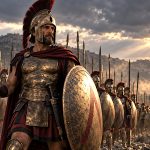
The Battle of the River Idle, fought around 616 AD, is one of those early medieval battles where the surviving evidence is frustratingly thin, yet the consequences were enormous. There are no detailed battlefield maps, no neat troop lists and no heroic blow-by-blow account from an eyewitness monk watching safely from a hillside.
What we do have is a political earthquake.
The battle saw King Rædwald of East Anglia defeat and kill Æthelfrith of Northumbria, one of the most powerful rulers in Britain. The victory placed Edwin, an exiled Northumbrian prince, onto the throne and temporarily made Rædwald the dominant Anglo-Saxon king south of the Humber.
For historians, this battle is fascinating because it sits at the crossroads between archaeology, legend and the brutal reality of early medieval power politics. A single day beside a Nottinghamshire river reshaped kingdoms.
Background: Why The Battle Happened
By the early 7th century, Anglo-Saxon England was a collection of competing kingdoms rather than a united country. Power rested with ambitious warlords who built authority through conquest, tribute and personal loyalty.
Æthelfrith ruled Bernicia and had taken control of Deira, creating the foundations of what would become Northumbria. His military reputation was fearsome. He defeated Brittonic armies and expanded aggressively, removing rivals who threatened his rule.
One of those rivals was Edwin of Deira.
Edwin fled into exile and eventually found protection at the court of Rædwald, king of East Anglia. According to Bede, Æthelfrith offered Rædwald payment to hand Edwin over or have him killed. Rædwald considered it, but was persuaded to honour his protection of Edwin.
The decision meant war.
It was not exactly a gentle disagreement between neighbours. Anglo-Saxon diplomacy often had two settings: marriage alliance or someone reaching for a sword.
Forces At The Battle Of The River Idle
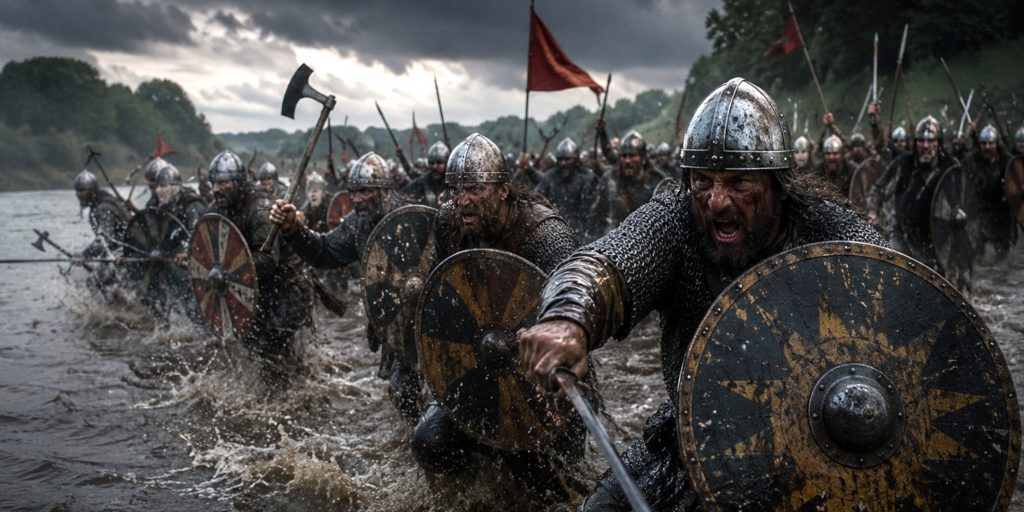
Exact numbers are unknown. Early medieval chroniclers rarely provided reliable troop figures, and when they did they often preferred dramatic effect over accounting accuracy.
Most historians believe both armies were relatively small elite forces, built around royal warbands supported by local warriors.
| Army | Commander | Estimated Strength | Composition |
|---|---|---|---|
| East Anglia | King Rædwald | Possibly 1,000 to 3,000 warriors | Royal household troops, nobles, infantry warbands |
| Northumbria | King Æthelfrith | Possibly fewer due to surprise mobilisation | Experienced warriors, elite retainers, regional forces |
Rædwald appears to have moved quickly, attacking before Æthelfrith could gather his full strength. Speed may have mattered more than numbers.
Leaders And Troop Composition
Rædwald Of East Anglia
Role:
King of East Anglia and later recognised as Bretwalda, a term used for powerful Anglo-Saxon overlords.
Strengths:
- Political intelligence
- Ability to command alliances
- Strong royal household force
- Strategic use of timing and surprise
Rædwald was not simply lucky. His decision to strike before Northumbria was fully prepared suggests a ruler who understood opportunity. Early medieval warfare rewarded speed, and hesitation often ended with a rival sitting on your throne.
Æthelfrith Of Northumbria
Role:
King of Bernicia and Deira.
Strengths:
- Aggressive expansion
- Battlefield experience
- Strong warrior reputation
- Successful campaigns against Brittonic kingdoms
Æthelfrith was arguably the most dangerous military figure in Britain before his death. His defeat at the River Idle was significant precisely because he was not an easy opponent.
Edwin Of Deira
Although unlikely to have commanded the army, Edwin was the political reason behind the campaign. After Æthelfrith’s death, he became king of Northumbria and later one of the most powerful rulers in Britain.
Arms And Armour Used At The Battle
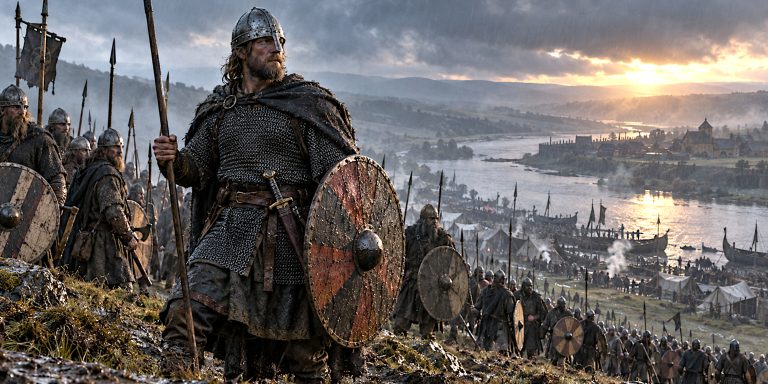
The warriors at the River Idle fought during the early Anglo-Saxon period, when equipment varied greatly depending on wealth and status.
A king’s companion might carry finely crafted weapons decorated with precious metals, while a lower-ranking fighter might arrive with a spear, shield and little else.
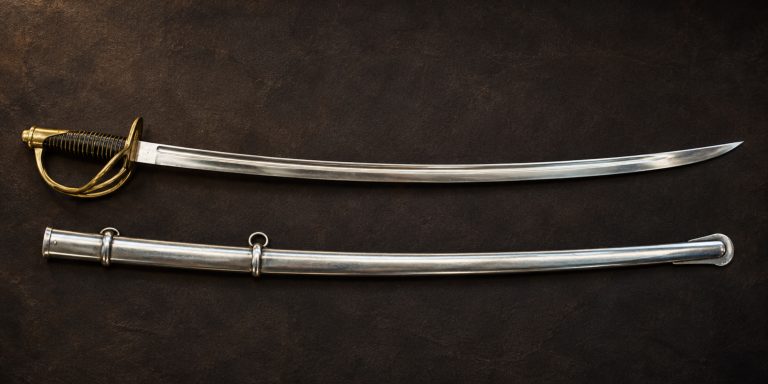
Swords Used
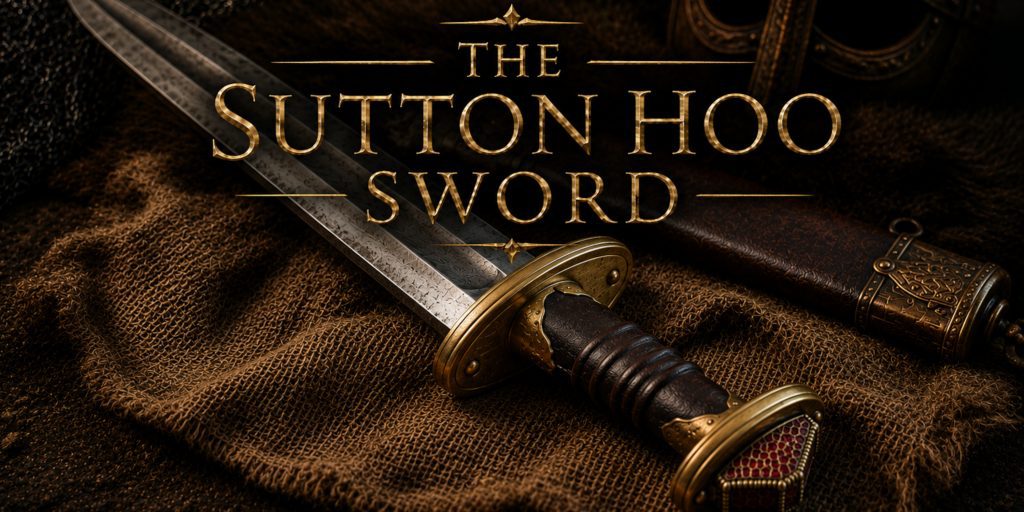
Anglo-Saxon Pattern-Welded Sword
The highest-status weapon of the period.
Features:
- Double-edged straight blade
- Length usually around 70 to 90 cm
- Pattern-welded iron and steel construction
- Short guard
- Decorative pommel
These swords were elite objects. They represented status as much as battlefield practicality.
Examples similar to those used during this period include swords from:
- Sutton Hoo ship burial
- Staffordshire Hoard weapon fittings
- Early Anglo-Saxon princely graves
A sword in this era was not casually owned. Losing one would have hurt almost as much emotionally as financially. They were the sports cars of the 7th century, only with a sharper insurance problem.
Spears And Polearms
The spear was the dominant battlefield weapon.
Common types:
- Leaf-shaped spearheads
- Barbed throwing spears
- Long thrusting spears
Advantages:
- Cheap to produce
- Effective in shield formations
- Useful against lightly armoured opponents
Seaxes
The seax was a single-edged blade carried by many Germanic warriors.
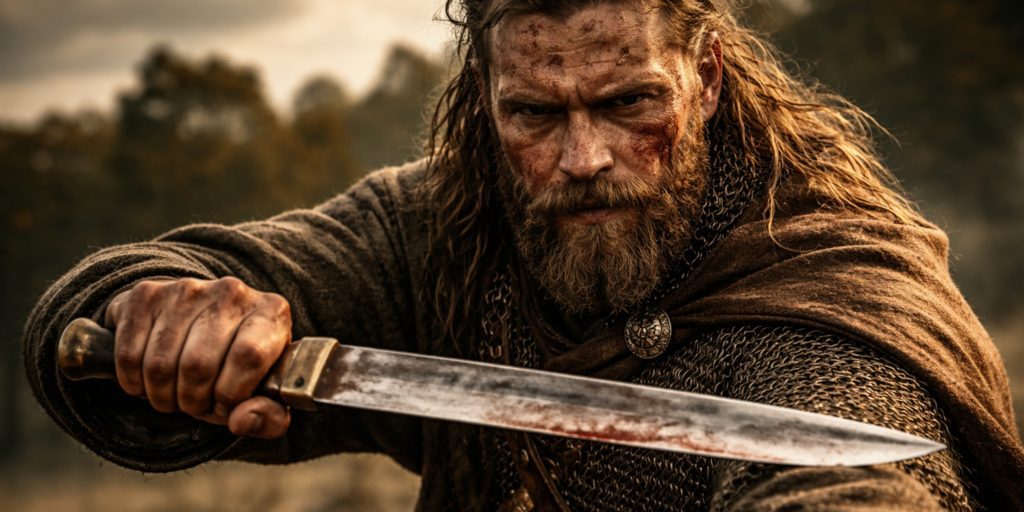
Types likely present:
- Short seax
- Broad seax
Uses:
- Close combat
- Utility tool
- Backup weapon after spear loss
Armour And Protection
Helmets
Elite warriors may have worn helmets similar to examples from:
- Sutton Hoo
- Coppergate Helmet tradition
Features:
- Iron construction
- Cheek guards
- Face protection on high-status examples
Mail Armour
Mail shirts were rare and expensive.
Used mainly by:
- Kings
- Nobles
- Elite household warriors
Shields
The round shield was universal.
Features:
- Wooden construction
- Iron central boss
- Leather covering on some examples
Shield walls were likely central to the fighting.
Battle Timeline
| Stage | Event |
| Political Crisis | Edwin seeks protection with Rædwald of East Anglia |
| Æthelfrith’s Demand | Northumbria pressures Rædwald to betray Edwin |
| East Anglian Mobilisation | Rædwald chooses war and marches north |
| Opening Clash | Armies meet near the River Idle |
| Heavy Fighting | Anglo-Saxon shield walls engage |
| Death Of Rægenhere | Rædwald’s son is killed during the battle |
| Fall Of Æthelfrith | The Northumbrian king dies fighting |
| Aftermath | Edwin becomes king of Northumbria |
The Battle Itself
The battle was fought near the River Idle, traditionally associated with modern Nottinghamshire.
Rædwald’s army struck quickly. Æthelfrith appears to have been caught before assembling his maximum strength, leaving him vulnerable despite his military ability.
The fighting would probably have centred around shield formations rather than the chaotic sword duels often shown in films.
A typical clash involved:
- Warriors advancing behind overlapping shields
- Spears probing for openings
- Elite fighters attempting to break enemy lines
- Close combat once formations collapsed
The death of Æthelfrith decided the battle. Early medieval armies depended heavily on personal loyalty to rulers. When a king fell, the political and psychological impact was devastating.
Contemporary Quotes And Sources
The most important source is the 8th-century monk Bede, writing in Ecclesiastical History of the English People.
On Æthelfrith’s power, Bede described him as:
“A most worthy king and one ambitious of glory.”
Bede also recorded the importance of Rædwald protecting Edwin and the political decisions leading to the conflict.
The Anglo-Saxon Chronicle later noted Æthelfrith’s death and Edwin’s rise, preserving the memory of the shift in power.
As always with early medieval sources, caution is needed. Bede was writing decades later with religious and political interests. He is invaluable, but not exactly a battlefield reporter sending updates from the River Idle.
Archaeology And Battlefield Evidence
The exact battlefield location remains uncertain.
Possible area:
- Near the River Idle in Nottinghamshire
- Often associated with areas around modern Bawtry and Retford
No confirmed battlefield archaeology has conclusively identified the fighting site.
However, wider Anglo-Saxon archaeology helps reconstruct the warriors involved.
Important related finds:
Sutton Hoo, Suffolk
Probably the most important comparison for Rædwald’s world.
Finds include:
- Ceremonial helmet
- Shield fittings
- Pattern-welded sword
- Gold and garnet decorations
- Elite warrior equipment
Many scholars have suggested the Sutton Hoo burial could even belong to Rædwald, although this remains debated.
Staffordshire Hoard
A major collection of Anglo-Saxon military treasure.
Includes:
- Sword fittings
- Gold weapon decorations
- Elite warrior craftsmanship
The hoard reveals the extraordinary wealth invested into weapons during this era.
Military Importance And Legacy
The Battle of the River Idle changed the direction of Anglo-Saxon history.
Consequences:
- Æthelfrith’s dynasty was temporarily removed
- Edwin became king of Northumbria
- Rædwald became the leading Anglo-Saxon ruler
- East Anglia reached its greatest political influence
- Northumbria eventually developed into a dominant northern kingdom
The irony is that Rædwald won one of the most important battles of the age, yet many people today know him more because of a possible connection to Sutton Hoo than his military achievements.
The River Idle deserves more attention. It was a clash where loyalty, ambition and timing collided, and where the death of one king opened the path for another.