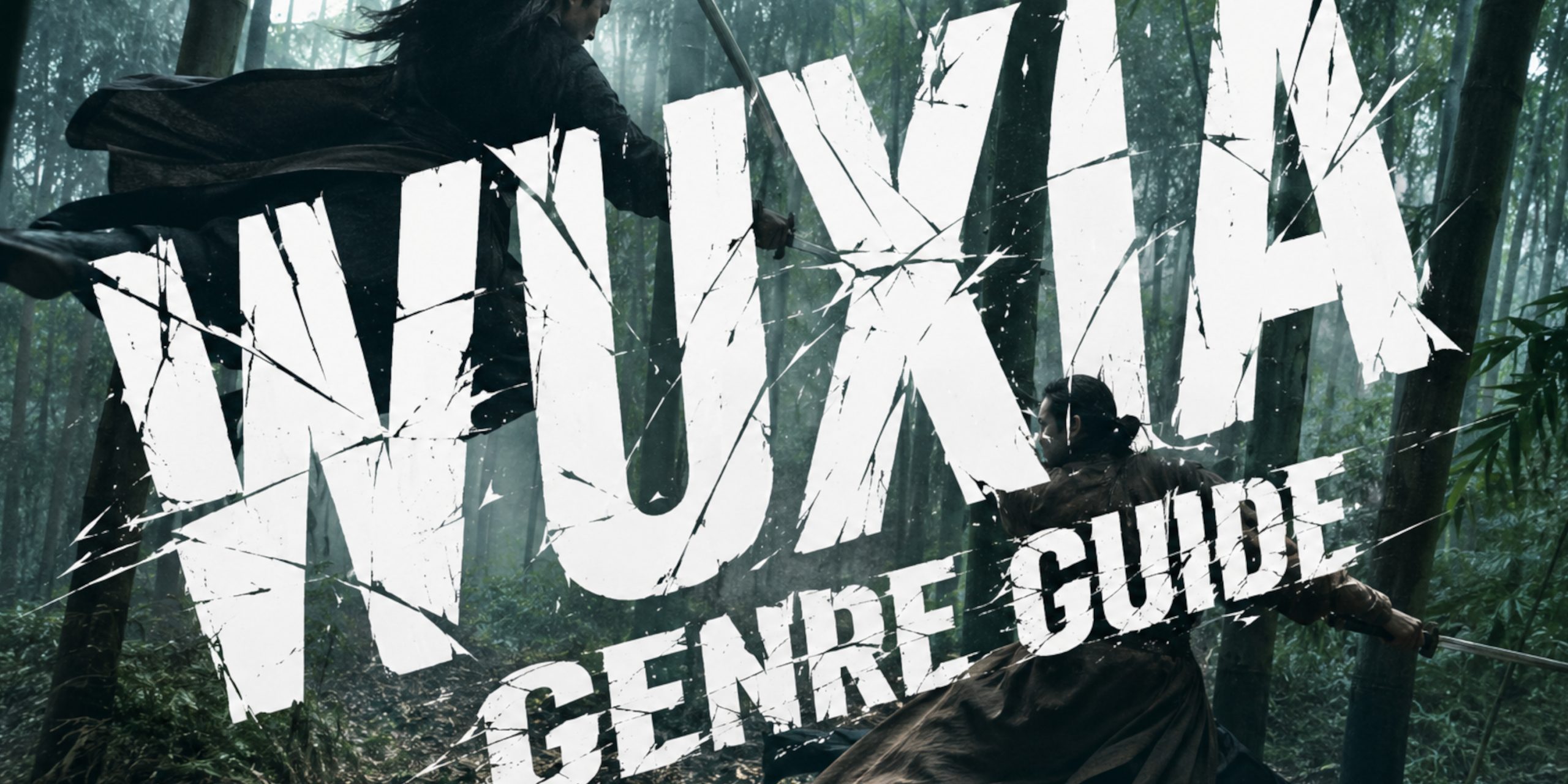
Wuxia is one of those genres people recognise before they can even pronounce it properly. Someone leaps across rooftops with impossible grace, bamboo trees sway like they are made of paper, swords clash under moonlight, and suddenly a warrior is floating through the air while delivering a deeply emotional speech about loyalty. You either lean in immediately or stare at the screen wondering whether physics has quietly resigned.
At its best, wuxia feels dreamlike without losing emotional weight. Beneath the elegant sword fights and impossible acrobatics sits a genre obsessed with honour, revenge, love, sacrifice, and the painful gap between freedom and duty. It is fantasy, history, martial arts, poetry and melodrama all rolled into one very sharp package.
For anyone curious about where wuxia came from, why it became so influential, and which films and series are worth watching first, this guide breaks it all down without sounding like a university lecture trapped in a cinema studies textbook.
What Does Wuxia Actually Mean?

The word “wuxia” combines two Chinese concepts.
“Wu” refers to martial or military skill.
“Xia” refers to a heroic figure, often someone guided by personal honour rather than official law.
A wuxia hero is usually not a knight serving a king or an obedient soldier following orders. They exist outside normal society. They wander. They challenge corrupt officials. They defend ordinary people. They break rules constantly, but somehow still feel morally grounded.
Think of them as wandering swordsmen with emotional baggage and extremely good balance.
The genre itself blends martial arts action with folklore, historical settings, philosophy and mythic storytelling. Some stories stay grounded and gritty. Others feature near-supernatural combat where fighters glide across water or balance on tree branches like birds who discovered swordsmanship.
The Origins of Wuxia
Wuxia stories trace back centuries through Chinese literature and oral storytelling traditions.
Many early tales revolved around wandering heroes during chaotic periods of Chinese history. These characters often lived outside government control, following personal codes of justice rather than state authority. In many ways, they resembled outlaw folk heroes found in medieval European legends.
One of the most influential literary foundations was the classic Chinese novel Water Margin, written during the Ming dynasty. It presented rebellious heroes resisting corruption and injustice, themes that still dominate wuxia storytelling today.
Modern wuxia fiction exploded during the 20th century through writers such as Jin Yong and Gu Long. Their novels became cultural phenomena across the Chinese-speaking world and later inspired countless films and television adaptations.
Jin Yong especially became legendary. His stories blended political intrigue, martial arts philosophy, romance and national identity into sprawling epics. Trying to explain his influence briefly is a bit like trying to summarise Tolkien in one paragraph. Technically possible. Emotionally irresponsible.
The Core Themes of Wuxia
Honour Above Everything
Honour drives almost every wuxia story.
Characters make terrible life decisions because of it. Entire bloodlines collapse because of it. People spend twenty years training for revenge because someone insulted their master during a banquet.
Yet that commitment to honour is what gives wuxia its emotional intensity.
Heroes are constantly forced to choose between loyalty, love, friendship, duty and survival. There are rarely easy victories. Even triumphant endings usually carry regret.
The Jianghu
One of the most important concepts in wuxia is the “jianghu”.
It loosely translates to a hidden martial world existing alongside normal society. It is filled with sects, wandering swordsmen, assassins, corrupt officials, martial arts schools and secret rivalries.
The jianghu has its own rules, reputation systems and moral codes.
If fantasy worlds have guilds and kingdoms, wuxia has the jianghu. Except everyone is dramatically better dressed and significantly more likely to poison tea.
Freedom and Isolation

Many wuxia heroes are loners.
They travel endlessly, unable to settle down because violence follows them everywhere. The freedom they crave often comes at the cost of personal happiness.
Some of the genre’s most memorable moments are surprisingly quiet. A warrior standing alone in snowfall can feel more emotionally devastating than an entire battle scene.
Wuxia understands melancholy remarkably well.
Why Wuxia Fight Scenes Feel Different

Wuxia combat is not designed to look realistic in the modern military sense.
It aims for beauty, rhythm and emotion.
Fight choreography often resembles dance. Movements flow with music, scenery and character psychology. A duel is rarely just a duel. It becomes an argument, confession or emotional release.
Weapons matter too.
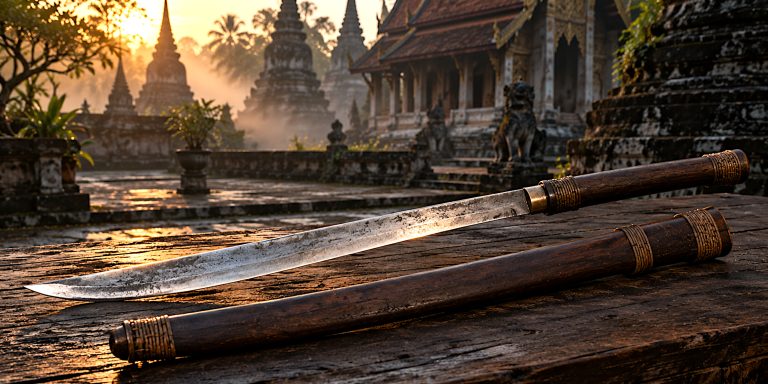
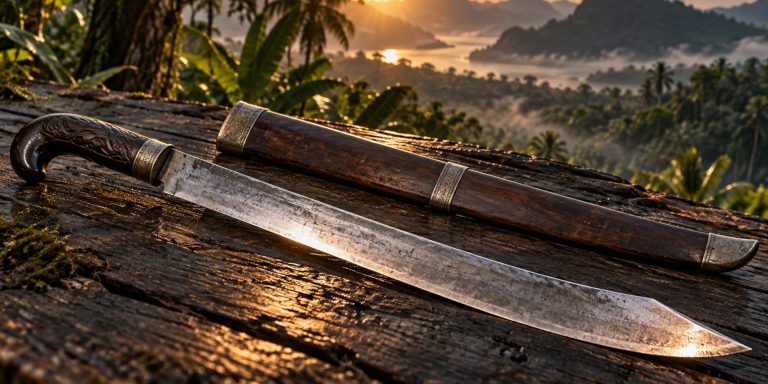
Different sword styles and martial arts schools reflect personality and philosophy. Elegant straight swords often represent discipline and refinement. Brutal sabres signal aggression and raw strength.
The environment itself becomes part of the choreography. Bamboo forests, rooftops, courtyards and mountain temples all transform into moving stages.
This is why so many wuxia fights remain unforgettable decades later. They are visually expressive rather than purely functional.
The Films That Defined Wuxia
Crouching Tiger, Hidden Dragon
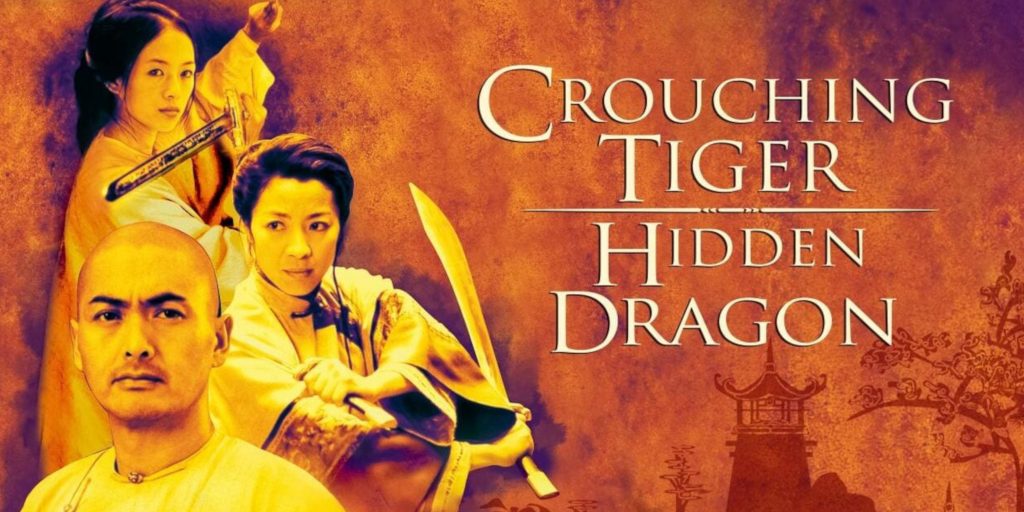
For many western audiences, this was the gateway.
Directed by Ang Lee, the film brought wuxia into mainstream international cinema while preserving its emotional and philosophical depth.
Its fight choreography by Yuen Woo-ping became iconic, especially the bamboo forest sequence that still looks absurdly beautiful over twenty years later.
More importantly, the film understood restraint. Beneath the elegant combat sits a deeply sad story about love, repression and missed opportunities.
Hero
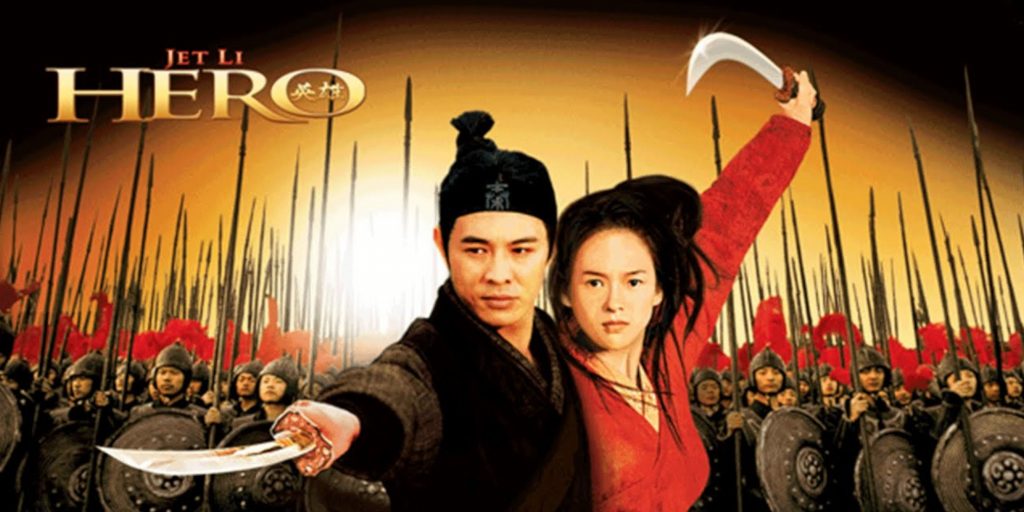
Visually, this film is almost ridiculous in the best possible way.
Directed by Zhang Yimou and starring Jet Li, Hero transforms colour into narrative structure.
Each version of events carries different visual palettes and emotional tones. The action scenes feel mythic rather than grounded, with entire lakes and courtyards becoming abstract artistic spaces.
Some viewers see it as political allegory. Others just remember the duel among falling autumn leaves. Both reactions are understandable.
House of Flying Daggers
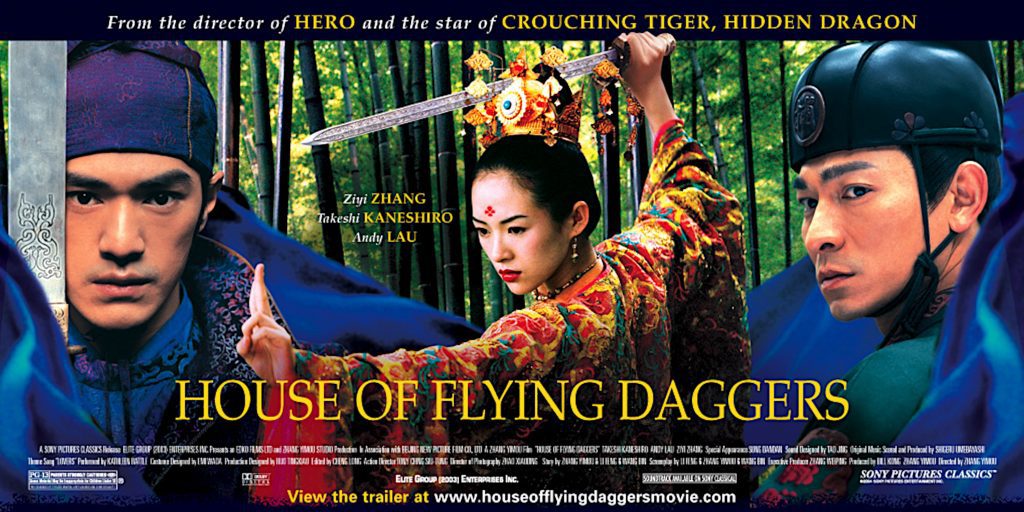
This film leans heavily into romance and tragedy.
The action remains spectacular, but the emotional tension between the main characters drives the story forward. Its use of colour, music and natural landscapes gives it a strangely hypnotic atmosphere.
Also, the Echo Game sequence deserves permanent preservation in cinema history.
Shaw Brothers Classics
Before modern wuxia became globally famous, studios like Shaw Brothers Studio helped define the genre through the 1960s and 1970s.
Films such as One-Armed Swordsman established many genre conventions still used today.
These productions often mixed operatic storytelling with brutal swordplay and stylised cinematography. They also influenced later martial arts cinema far beyond China.
Without Shaw Brothers, modern action cinema probably looks very different.
The Best Wuxia TV Series
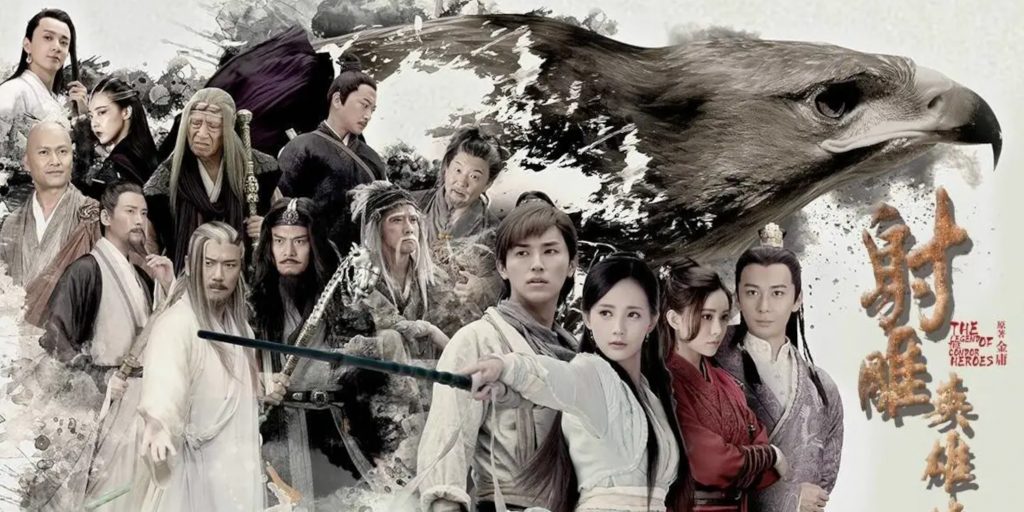
Television allowed wuxia stories to become far more expansive.
Instead of condensing giant novels into two-hour films, TV adaptations could explore rival sects, betrayals, training arcs and political intrigue in detail.
Popular series often adapt Jin Yong novels, including:
- The Legend of the Condor Heroes
- Return of the Condor Heroes
- Heaven Sword and Dragon Saber
These stories became cultural touchstones across generations.
Modern productions usually feature lavish cinematography, enormous casts and enough martial arts sect politics to make medieval European dynastic disputes look surprisingly straightforward.
Wuxia vs Kung Fu Films
People often confuse wuxia with kung fu cinema, but they are not identical.
Kung fu films usually focus on grounded martial arts combat, discipline and physical mastery. They are often urban or historical but remain relatively realistic.
Wuxia leans into mythic storytelling, fantasy elements and emotional symbolism.
A Bruce Lee film feels immediate and physical.
A wuxia film feels poetic and legendary.
Both genres overlap constantly, especially in Hong Kong cinema, but the tone and storytelling priorities differ.
How Wuxia Influenced Global Pop Culture

Wuxia quietly shaped huge parts of modern entertainment.
Hollywood action choreography borrowed heavily from Hong Kong martial arts cinema. Fantasy storytelling absorbed its themes of wandering heroes and spiritual combat.
You can see wuxia DNA in:
- The Matrix
- Kill Bill
- John Wick
- Into the Badlands
- Ghost of Tsushima
- Sekiro: Shadows Die Twice
Even modern fantasy games and anime borrow wuxia concepts constantly, particularly the idea that combat reflects inner philosophy rather than brute strength alone.
Also, rooftop running while wearing flowing robes has somehow never stopped looking cool.
Where to Start If You Are New to Wuxia
If you are completely new to the genre:
Start with Crouching Tiger, Hidden Dragon for emotional storytelling and accessibility.
Watch Hero for visual spectacle.
Try classic Shaw Brothers films if you want to understand the genre’s roots.
Then move into longer television adaptations once you are ready for sprawling martial arts politics and emotionally devastating loyalty arcs.
Fair warning though. Once you start recognising sect rivalries and hidden masters living in mountain temples, there is no real way back.
Why Wuxia Still Matters
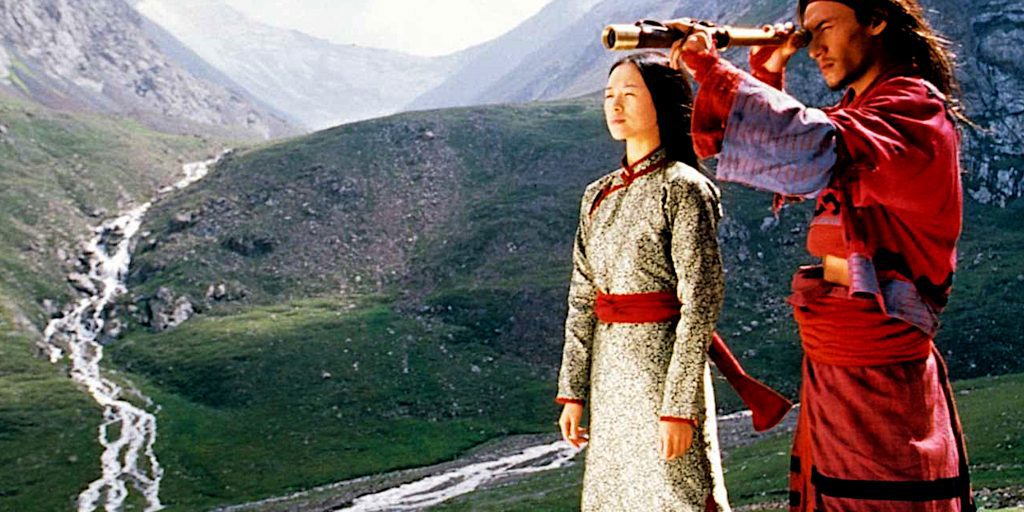
Wuxia survives because it taps into timeless ideas.
People still want stories about honour in corrupt worlds. They still connect with heroes searching for meaning beyond power and status. They still enjoy watching swordsmen duel on rooftops under moonlight while orchestral music threatens emotional collapse.
The genre also offers something modern blockbusters sometimes forget. Sincerity.
Wuxia is unafraid of emotion, tragedy or beauty. It embraces grand themes without embarrassment. One moment can feel intimate and mythic at the same time.
That balance is difficult to fake.
And honestly, sometimes it is refreshing to watch a genre where the characters take philosophy as seriously as swordsmanship. Even if they occasionally solve emotional disputes by launching each other through bamboo forests.6) exemplifies the genre’s TV potential. Tsui Hark’s Seven Swords, despite flaws, remains a visually daring experiment in modern wuxia cinema.
Best Wuxia Films
A curated list of seminal works, including Tsui Hark’s Seven Swords (2005):
| Title | Director/Author | Year | Key Themes | Legacy |
|---|---|---|---|---|
| Crouching Tiger, Hidden Dragon | Ang Lee | 2000 | Love vs duty, spiritual freedom, generational conflict | Won 4 Oscars; globalised wuxia cinema, blending poetic visuals with martial arts. |
| House of Flying Daggers | Zhang Yimou | 2004 | Betrayal, loyalty, tragic romance | Acclaimed for cinematography; influenced Western directors like Tarantino. |
| The Legend of the Condor Heroes | Jin Yong (Louis Cha) | 1957 | National identity, loyalty, chivalry | Cornerstone of wuxia literature; inspired TV/film adaptations and defined heroic archetypes. |
| A Touch of Zen | King Hu | 1971 | Spiritual enlightenment, justice, female empowerment | First Chinese film to win at Cannes; inspired later wuxia aesthetics. |
| The Smiling, Proud Wanderer | Jin Yong (Louis Cha) | 1967 | Political intrigue, individualism vs conformity | Explored sect rivalries; remains a cult classic for its anti-authoritarian themes. |
| Demi-Gods and Semi-Devils | Jin Yong (Louis Cha) | 1963 | Brotherhood, moral ambiguity, karmic destiny | Praised for intertwining three narrative threads; influenced multi-protagonist storytelling. |
| The Deer and the Cauldron | Jin Yong (Louis Cha) | 1969 | Anti-heroism, satire of power structures | Subverted traditional hero tropes; controversial for its roguish protagonist. |
| Come Drink with Me | King Hu | 1966 | Revenge, gender roles, redemption | Revolutionised action choreography; inspired female warrior archetypes. |
| Swordsman | Tsui Hark | 1990 | Identity, power struggles, sect warfare | Adapted from Jin Yong’s The Smiling, Proud Wanderer; cult classic for surreal action. |
| Ashes of Time | Wong Kar-wai | 1994 | Memory, existential angst, fragmented loyalties | Art-house reinterpretation of wuxia; influenced nonlinear storytelling. |
| Seven Swords | Tsui Hark | 2005 | Survival, rebellion, and weapon lore. | Flawed but visually bold; inspired TV spin-off Seven Swordsmen (2006). |
| Hero | Zhang Yimou | 2002 | Patriotism vs individualism; visual symbolism. | Pioneered colour-coded storytelling in martial arts cinema. |
Key Observations
- Literary Foundations: Jin Yong’s novels (The Legend of the Condor Heroes, Demi-Gods and Semi-Devils) are pillars of the genre, blending historical events with chivalric codes.
- Cinematic Evolution: Directors like Ang Lee and Zhang Yimou elevated wuxia’s visual language, merging martial arts with arthouse sensibilities.
- Thematic Depth: Recurring themes include loyalty, moral ambiguity, and the tension between individualism and societal duty.
- Global Influence: Films like Crouching Tiger, Hidden Dragon introduced wuxia to Western audiences, inspiring franchises like The Matrix.
- Modern Revival: Recent adaptations and awards (e.g., Wuxia Literature Golden Sword Awards) highlight the genre’s enduring relevance.
Best Wuxia TV Series
Notable series, including Seven Swordsmen (2006):
| Series | Key Adaptations | Strengths | Legacy |
|---|---|---|---|
| The Legend of the Condor Heroes (2017) | Jin Yong’s novel. | Epic scope; strong character arcs. | Revived interest in Jin Yong’s works; 10 billion+ online views in China. |
| Word of Honor (2021) | Faraway Wanderers by Priest. | Queer subtext; intricate fight choreography. | Global cult following; praised for subverting wuxia tropes. |
| The Untamed (2019) | Mo Dao Zu Shi by Mo Xiang Tong Xiu. | Supernatural elements; tragic romance. | Sparked a xianxia (fantasy wuxia) boom; 8.3/10 on MyDramaList. |
| Seven Swordsmen (2006) | Liang Yusheng’s Seven Swords of Mount Heaven. | Faithful sword lore; political intrigue. | Superior to Tsui Hark’s film in narrative depth; 39 episodes. |
| Strange Tales of Tang Dynasty (2022) | Original script. | Detective-martial arts fusion. | Renewed interest in Tang Dynasty-era wuxia. |