There is a moment in Rome when someone pauses before a household shrine, quietly offering wine or incense before getting on with their day. Modern viewers might barely notice it. The characters certainly do not. For them, speaking to the gods was about as ordinary as locking the front door.
One of the show’s greatest strengths is that religion never feels like a separate part of Roman life. It is woven into politics, military campaigns, family arguments, marriages, elections and even business deals. Nobody asks whether the gods exist. The question is whether you have kept them happy.
Watching Rome today, it becomes clear just how different Roman religion was from the modern idea of organised faith. There was no holy book, no weekly congregation and no expectation that belief alone mattered. What counted was action. Perform the correct ritual correctly, and the gods might favour you. Miss a step and…well…better hope Jupiter was in a forgiving mood.
Religion Was Part of Daily Life
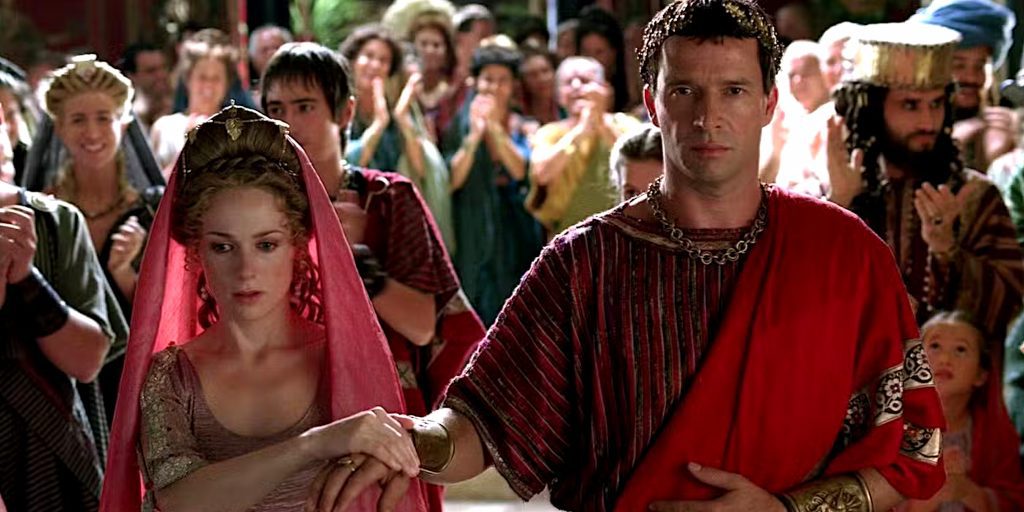
Ancient Romans did not separate religion from everyday living.
Every important event had a religious element attached to it. Before travelling, soldiers offered sacrifices. Before political meetings, priests consulted omens. Weddings included sacred rituals. Funerals honoured both ancestors and the gods.
The series reflects this naturally. Characters constantly make offerings, pray at shrines or seek divine approval before major decisions. None of it feels theatrical because, historically, it wasn’t.
Religion was simply part of being Roman.
The Household Gods
One of the most historically accurate details throughout Rome is the presence of household shrines.
Almost every Roman home contained a lararium, a small shrine dedicated to protective spirits.
These included:
- The Lares, guardians of the household
- The Penates, protectors of food and prosperity
- The Genius, representing the spirit of the family’s male head
Daily offerings often included:
- Wine
- Bread
- Olive oil
- Flowers
- Incense
Even wealthy politicians who commanded armies still stopped to honour these domestic spirits.
The gods, after all, appreciated consistency.
Jupiter Ruled the Heavens
At the top of Rome’s divine hierarchy stood Jupiter.
He governed:
- Law
- Oaths
- Kingship
- Victory
- Thunder
- The Roman state
Whenever generals celebrated triumphs or senators took important public oaths, Jupiter occupied centre stage.
His great temple on the Capitoline Hill dominated the city skyline and symbolised Rome’s relationship with divine authority.
In Rome, references to Jupiter frequently accompany moments involving state power, which closely reflects historical practice.
Mars Was More Than a God of War
Mars often gets reduced to a bloodthirsty war deity.
The Romans viewed him rather differently.
He represented:
- Military success
- Agriculture
- Protection of Rome
- Masculine strength
- Civic duty
Since Rome believed itself descended from Mars through Romulus, honouring him carried patriotic significance.
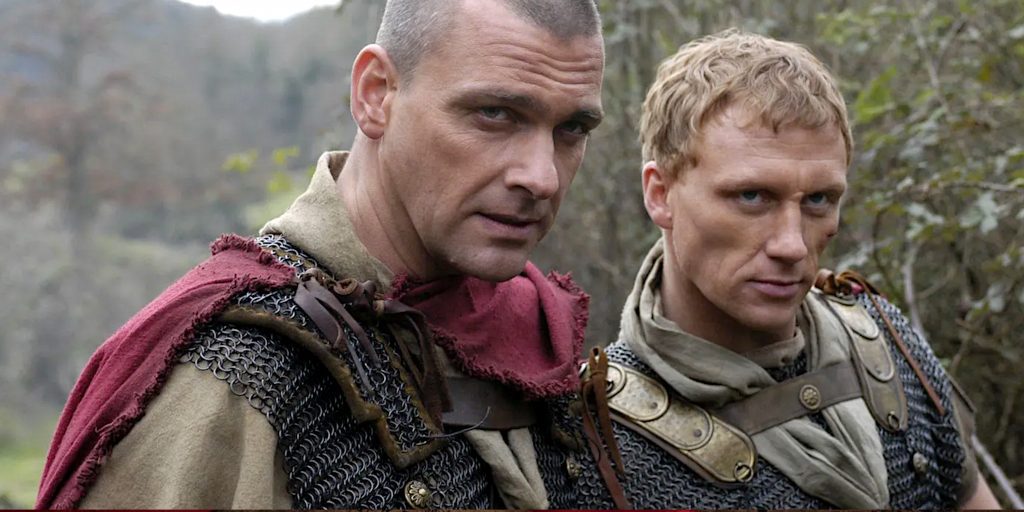
For soldiers like Titus Pullo and Lucius Vorenus, Mars was practically a professional colleague.
Hopefully one who appreciated competence.
The Importance of Sacrifice
Animal sacrifice appears throughout the series, sometimes making modern audiences slightly uncomfortable.
That discomfort is understandable.
For Romans, however, sacrifice was central to maintaining good relations with the gods.
Typical offerings included:
- Bulls
- Sheep
- Goats
- Pigs
- Birds
The ceremony followed strict rules.
Priests inspected the animal.
Prayers were spoken exactly.
The sacrifice took place.
The internal organs were examined for divine signs.
The remaining meat was often shared among participants as part of a communal feast.
This was less about destruction and more about exchange.
Humans honoured the gods.
The gods protected Rome.
Everybody hoped the arrangement continued.
Reading the Will of the Gods
Romans constantly searched for divine messages.
Several methods appear directly or indirectly in Rome.
Augury
Priests known as augurs observed birds.
They interpreted:
- Flight direction
- Formation
- Calls
- Feeding behaviour
An election or military campaign could be delayed if the signs proved unfavourable.
Haruspicy
Specialist priests examined the organs of sacrificed animals.
The liver received particular attention.
Tiny irregularities could influence major political decisions.
It sounds unusual today.
For Romans, this counted as responsible government.
Priests Held Political Power
Roman priests were not isolated religious leaders.
Many were leading politicians.
Important priesthoods included:
| Priesthood | Role |
|---|---|
| Pontifex Maximus | Chief priest of Rome |
| Augurs | Interpreted omens |
| Flamines | Served individual gods |
| Vestal Virgins | Maintained the sacred flame |
| Haruspices | Interpreted sacrificed organs |
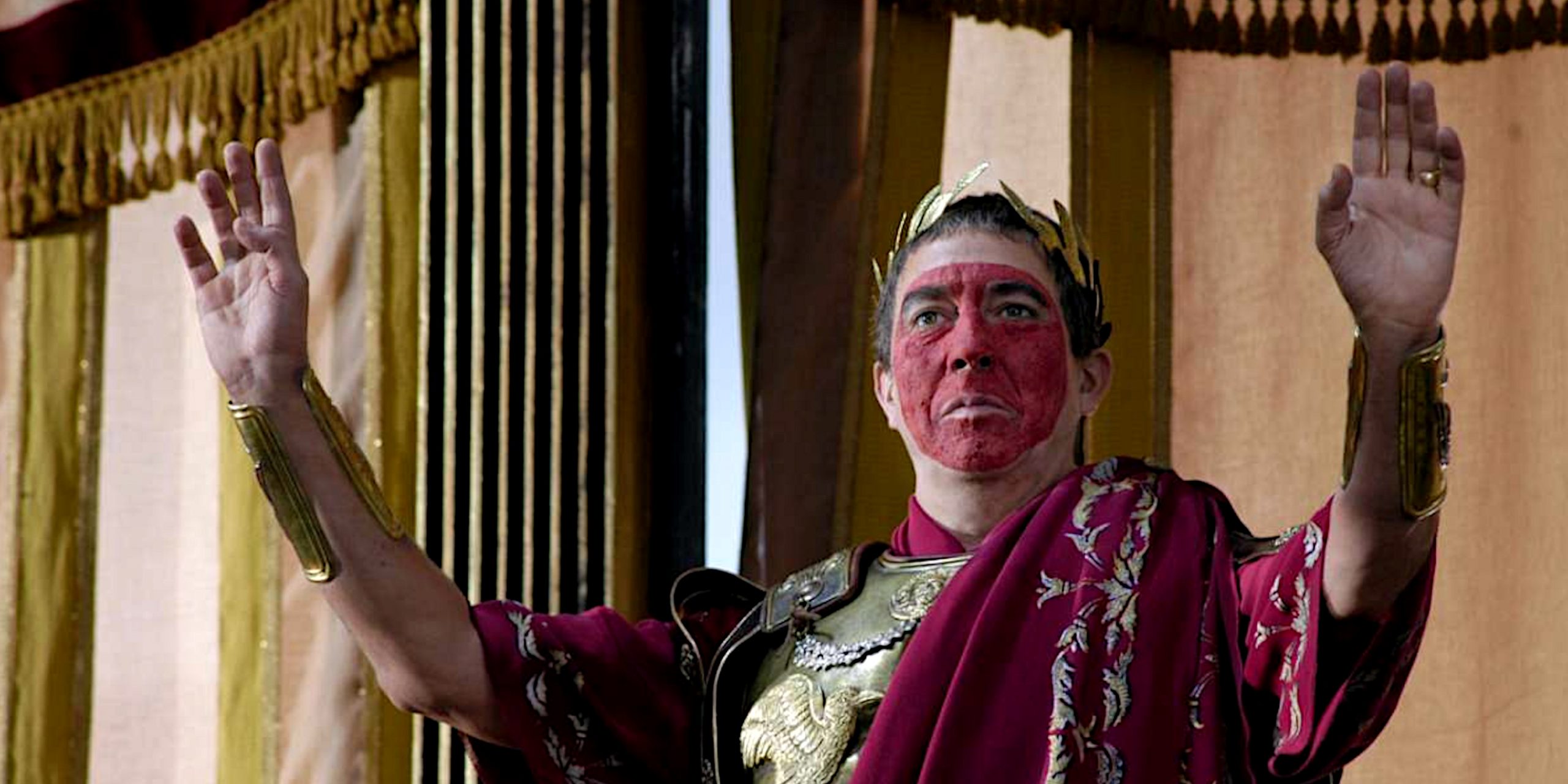
One of history’s most famous holders of the title Pontifex Maximus was Julius Caesar.
In Rome, religion and politics frequently overlap because, historically, they were inseparable.
The Vestal Virgins
Few religious offices carried greater prestige than the Vestal Virgins.
Chosen as young girls, they served the goddess Vesta for thirty years.
Their responsibilities included maintaining Rome’s eternal sacred fire.
If the flame went out, many believed disaster threatened the Republic.
The Vestals enjoyed remarkable privileges.
They could own property.
They could free condemned prisoners under certain circumstances.
They travelled with official protection.
Yet their vows were absolute.
Breaking them carried terrifying consequences.
Festivals Filled the Calendar
Roman religion was not endlessly solemn.
Many festivals resembled enormous public celebrations.
Popular festivals included:
- Saturnalia
- Lupercalia
- Parilia
- Consualia
These mixed religion with food, drinking, games and public entertainment.
Saturnalia became especially famous for temporarily reversing social roles.
Masters served slaves.
Gambling became acceptable.
Gift giving flourished.
It probably produced Rome’s most entertaining family dinners.
Ancestor Worship
Romans respected their ancestors almost as much as the gods.
Elite families displayed wax masks of distinguished ancestors during funeral processions.
Family achievements strengthened political legitimacy.
Characters in Rome often refer to family honour, ancestry and legacy.
These ideas carried genuine religious significance.
The dead remained active members of the family in memory and ritual.
Egyptian Religion and Cleopatra
The series introduces another fascinating contrast through Cleopatra.
Roman audiences encountered Egyptian religion as something mysterious and ancient.
Cleopatra’s court embraces rituals surrounding Isis and other Egyptian deities, creating a noticeable cultural difference from Roman practices.
Historically, Roman fascination with Egyptian religion continued long after Cleopatra’s death.
The cult of Isis eventually spread throughout much of the empire.
Omens Before Battle
Military commanders rarely acted without consulting divine signs.
Before major campaigns they sought:
- Favourable sacrifices
- Bird omens
- Prophetic interpretations
- Divine approval
Ignoring bad omens risked more than military defeat.
It suggested arrogance before the gods.
The series captures this atmosphere particularly well during periods of civil war.
Victory depended on generals.
It also depended on whether heaven approved of their plans.
Was Rome Historically Accurate?
In terms of religion, Rome deserves considerable praise.
Rather than turning Roman faith into spectacle, it presents religion as ordinary.
That may sound less exciting, yet it is precisely what makes the portrayal convincing.
The show accurately captures:
- Household shrines
- Animal sacrifice
- Public ceremonies
- Political priesthoods
- Omens and augury
- Respect for ancestors
- The integration of religion into everyday life
Some ceremonies are shortened for television and individual rituals occasionally receive dramatic embellishment, but the overall picture remains remarkably faithful.
Few historical dramas communicate so effectively that religion shaped every aspect of Roman society.
Why Roman Religion Still Fascinates
Roman religion feels strangely familiar and completely alien at the same time.
There are temples, prayers and sacred ceremonies that resemble many later traditions. Yet there is also an intensely practical approach that feels worlds apart from modern faith. Success depended on keeping a contract with the gods. Say the right words, make the right offering, observe the right omen, and the relationship stayed healthy.
Rome understands this better than most historical dramas. It does not pause to explain Roman religion because its characters never would have. They lived in a world where divine forces were woven into every political debate, military campaign and family meal.
That quiet confidence is what makes the series so immersive. The gods are rarely seen, but they are always present, lurking just beyond the edge of every decision.