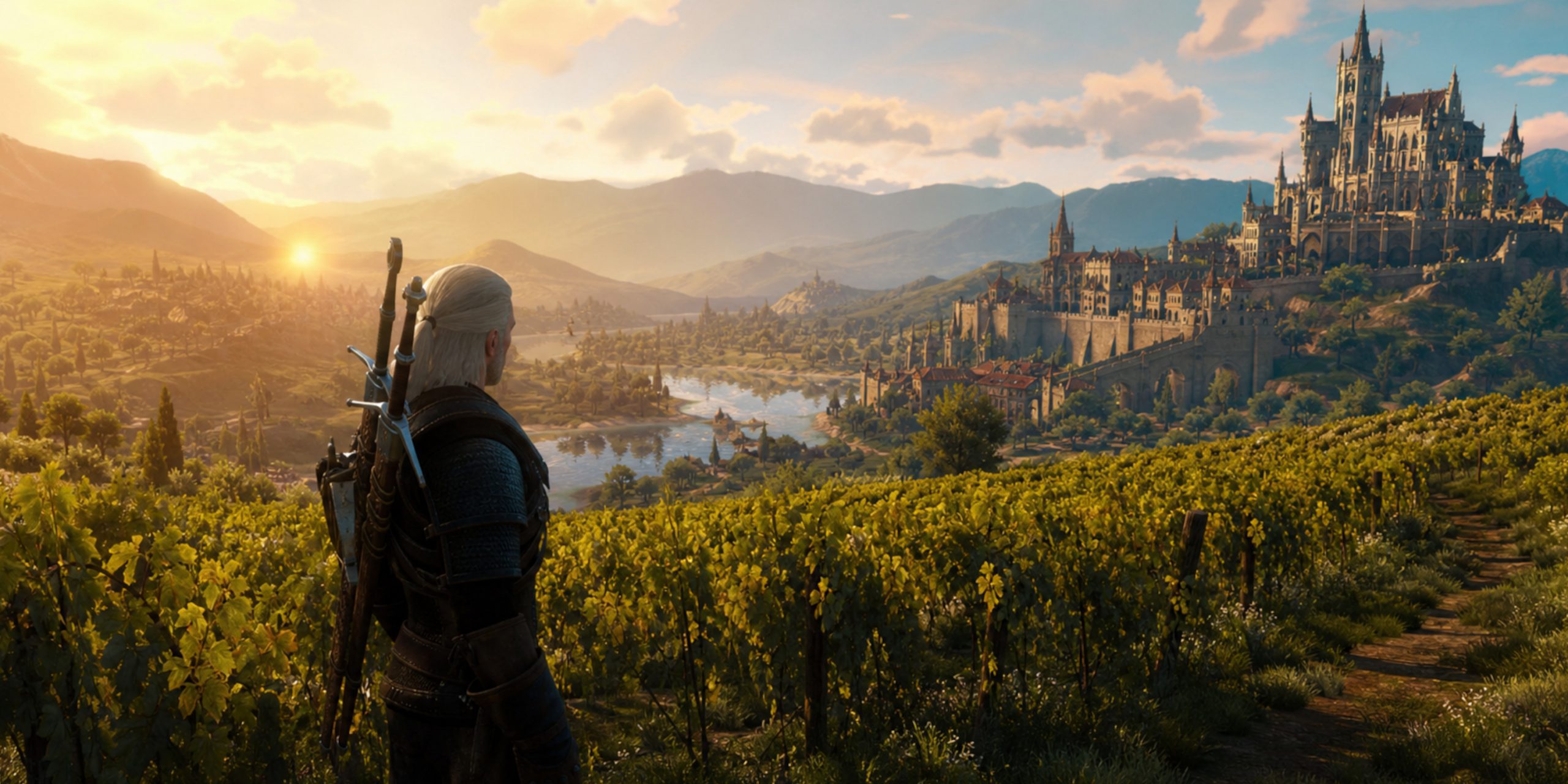
If you thought The Witcher 3: Wild Hunt had already said everything it needed to say, Blood and Wine quietly walks in, pours a glass, and proves there was still one more story worth telling. This is not just extra content. It feels like a full closing chapter, one that slows things down just enough to let Geralt breathe… before throwing him straight into another mess.
Set in the sun-drenched duchy of Toussaint, the expansion trades muddy battlefields for vineyards, knightly pageantry, and a surprising amount of blood beneath the surface. It is brighter, stranger, and occasionally more unsettling than the base game.
What Is Blood and Wine?
Blood and Wine is the second and final expansion for The Witcher 3, developed by CD Projekt Red. It adds a completely new region, a self-contained main story, and a stack of side content that easily rivals smaller standalone RPGs.
At a glance:
- A new map, Toussaint, roughly comparable to Velen in scale
- A main questline focused on a mysterious series of murders
- New monsters, including higher vampires
- A fresh progression system via mutations
- New gear sets, including Grandmaster Witcher armour
- Player housing, because even monster slayers need a place to dump loot
It is often described as a farewell to Geralt, and it really does play like one.
Toussaint, A Beautiful Lie
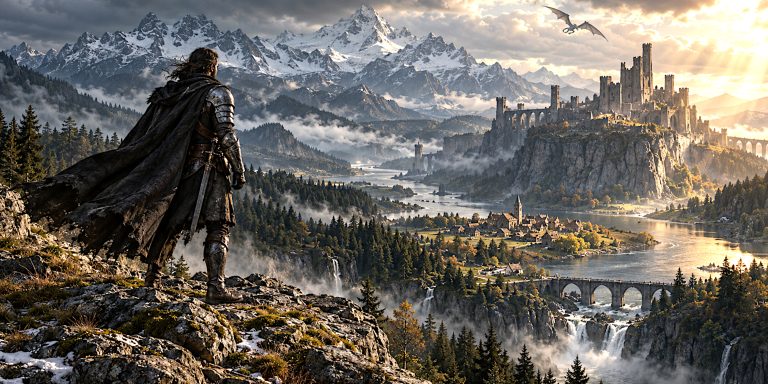
Toussaint looks like a postcard. Bright skies, rolling vineyards, knights in polished armour pretending life is still a fairy tale. It is ruled by Anna Henrietta, a duchess who fully leans into chivalric ideals.
But it does not take long to realise something is off.
The crimes Geralt is called to investigate do not match the setting. The violence is too precise, too personal. The deeper you go, the more Toussaint feels like a stage set, something carefully maintained to hide what is really happening underneath.
It is one of the expansion’s strongest ideas. Beauty does not cancel out brutality, it just hides it better.
Story Overview Without Spoilers
Geralt is hired to track down a beast responsible for a series of high-profile murders. That job quickly spirals into something far more complicated, involving court politics, old grudges, and one of the most compelling antagonists in the entire game.
At the centre of it all is Dettlaff van der Eretein, a higher vampire whose motives are not as simple as they first appear.
The story leans harder into character drama than world-ending stakes. It is less about saving everyone and more about understanding people who have already made their choices.
Characters That Actually Stick
Blood and Wine works because of its cast.
- Regis returns, and honestly steals every scene he is in. Calm, thoughtful, and quietly dangerous
- Dettlaff is unpredictable, tragic, and never feels like a typical villain
- Anna Henrietta brings charm, but also frustration when idealism clashes with reality
- Syanna adds another layer to the central conflict, forcing you to question who deserves sympathy
There is a constant sense that everyone believes they are right. That tension carries the story all the way through.
Gameplay Additions That Actually Matter
This expansion does not just add more quests, it tweaks how you play.
Mutations System
Late-game builds finally get interesting. Mutations allow you to push Geralt into very specific playstyles, whether that is high-risk combat or sign-heavy builds.
Grandmaster Gear
Each Witcher school gets a final upgrade tier. These are not just stat bumps, they encourage committing to a full set for bonuses that actually change combat flow.
New Enemies
Higher vampires are not just stronger versions of old enemies. They demand different tactics, which keeps fights from feeling repetitive.
Toussaint Activities
Knightly tournaments, treasure hunts, vineyard management. It sounds light, but it adds a rhythm that breaks up the darker story beats.
Endings and Choices
There is no single clean ending here, and that feels intentional.
Your decisions shape how things resolve between key characters, and the results can range from bittersweet to genuinely bleak. It is one of those expansions where you might sit there after the credits thinking, “I could have handled that better.”
And yes, there is a final moment involving Geralt that feels like a quiet send-off. No dramatic speech, just a sense of closure.
Why It Still Holds Up
Years later, Blood and Wine still gets mentioned whenever people talk about the best DLC ever made. Not because it is bigger than everything else, but because it feels complete.
It respects your time, gives you meaningful choices, and actually knows when to stop. That last part matters more than most games seem to realise.
It also understands Geralt as a character. He is not chasing glory here. He is finishing something.
Takeaway
Blood and Wine feels like a farewell that does not try too hard to be one. It just lets the story land where it should.
If you have played The Witcher 3 and stopped before the expansions, you have not really finished it. This is where the tone settles, where the character work pays off, and where Geralt finally gets something close to peace.
Or at least, as close as someone in his line of work is ever going to get.