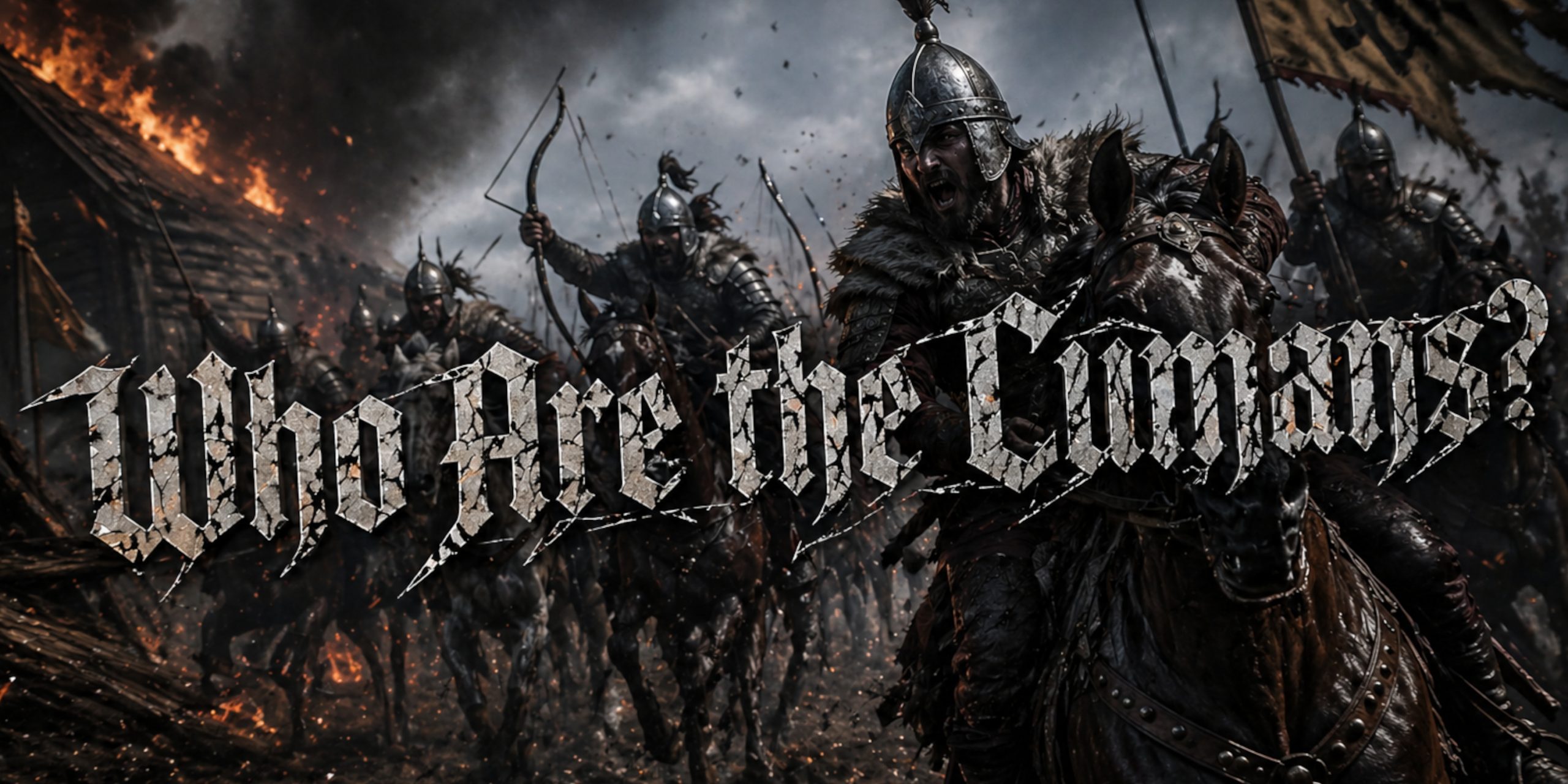
The Cumans from KCD2 were a Turkic-speaking nomadic people from the Eurasian steppe. Before they appeared on the edges of medieval Central Europe, they had already built a reputation as fast-moving horse warriors, raiders, traders, mercenaries and occasional diplomatic headaches.
They were part of the broader Cuman-Kipchak world, a loose confederation rather than a neat kingdom with tidy borders and a royal stationery department. Their power rested on mobility, cavalry warfare and their ability to operate across vast open landscapes.
By the 12th and 13th centuries, Cumans were active around the Black Sea, the Balkans, Hungary and Rus’ territories. They fought as enemies, allies and hired troops depending on who was paying, threatening or marrying whom that week. Medieval politics was not exactly known for emotional stability.
Britannica notes that the Cumans clashed with Hungarian forces and later became more aggressive in parts of Transylvania before some groups accepted baptism in the 13th century.
Why Are Cumans in Kingdom Come?
In the first Kingdom Come: Deliverance, Cumans appear as part of the invading force tied to Sigismund of Luxembourg during the crisis in Bohemia. That is rooted in the real political mess around 1403, when King Wenceslaus IV was challenged by his half-brother Sigismund.
By this period, the Cumans were no longer the purely steppe-based power they had once been. Many had settled in Hungary after fleeing Mongol pressure in the 13th century. Some were integrated into the Hungarian kingdom and served as cavalry troops. That makes their presence in a Hungarian-backed military force historically plausible.
They were not random fantasy raiders. They were part of the military world of medieval Hungary, especially as light cavalry.
Were the Cumans Really Raiders?
Yes, but that needs a little care.
The Cumans had a long history of raiding, especially before their settlement in Hungary. Steppe warfare often relied on fast strikes, mounted archery, sudden withdrawals and pressure on settled lands. To a village community, the distinction between “military expedition”, “foraging operation” and “being robbed by terrifying men on horses” probably felt quite academic.
In KCD, they are often shown through Henry’s eyes as brutal outsiders. That works dramatically, but historically they were more complex than just “the bad guys in funny helmets”. They were migrants, soldiers, converts, allies, enemies and political tools. Some became Christianised and settled; others retained older customs for generations.
Cuman Warfare and Equipment
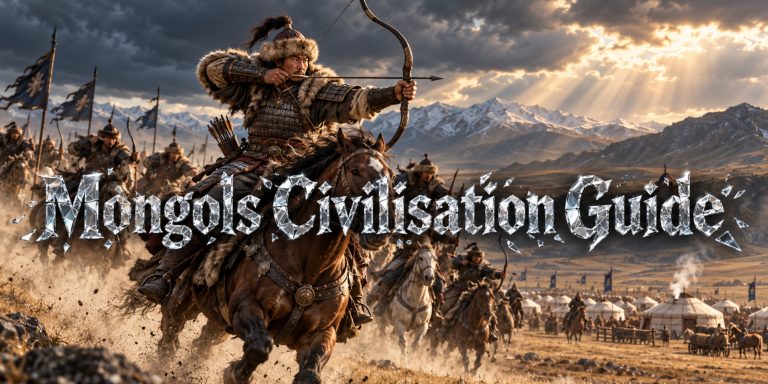
The classic Cuman military image is the mounted archer. Their strengths included:
- Speed across difficult terrain
- Hit-and-run tactics
- Composite bows
- Light cavalry manoeuvres
- Ambushes and harassment
- Flexibility as scouts, raiders and mercenaries
By the 15th century, however, Cumans in Hungary would not have been frozen in an older steppe style. They had been exposed to Central European arms, armour and military structures for generations. A Cuman fighting in the world of Kingdom Come could plausibly carry a mix of steppe-influenced gear and more local equipment.
Typical weapons might include bows, sabres or curved blades, spears, knives and light shields. Armour could range from padded protection and mail to helmets with eastern influence. The game exaggerates certain visual cues, but the broad idea of distinctive, mobile foreign cavalry is on solid ground.
Why They Seem So Alien in the Game
The Cumans in Kingdom Come feel frightening partly because the game filters them through Bohemian rural experience. They speak a different language, wear unfamiliar armour and often appear as violent occupiers. For Henry, they are not an ethnographic case study. They are the people who helped destroy his home.
That perspective matters. Medieval communities often defined outsiders by language, clothing, religion and violence. The Cumans were easy to mark as “other”, especially in a war where fear travelled faster than reliable information.
The game leans into that tension well. It does not need the Cumans to be cartoon villains. Their menace comes from being foreign soldiers in a collapsing political landscape. Which, frankly, is bad enough.
Historical Cumans in Hungary
After the Mongol invasions, many Cumans entered Hungary and were granted settlement rights. Their relationship with the Hungarian crown was complicated. They were valued as warriors but also distrusted by local elites and church authorities.
Over time, many Cumans became Christianised and absorbed into Hungarian society, though regions such as Greater Cumania and Little Cumania preserved traces of Cuman identity. Archaeological finds in Hungary, including Cuman-style burials, weapons, ornaments and horse-related remains, support the idea of a distinct community gradually adapting to its new environment.
By the early 1400s, when Kingdom Come is set, the Cumans were not newcomers. They were part of Hungary’s military and social fabric, but still remembered as a people with steppe origins.
How Accurate Is KCD’s Portrayal?
Broadly, the game is right to place Cuman troops in Sigismund’s orbit and to present them as feared cavalry associated with raids and military violence. It is also right that Bohemian villagers would see them as alien and dangerous.
The weaker part is the simplicity. Games need visual identity, so Cumans become a recognisable enemy type. Real Cumans were not a single uniform horde. By 1403, they had centuries of contact, settlement and adaptation behind them.
Still, as a piece of historical fiction, Kingdom Come uses them effectively. They are not invented raiders. They are drawn from a real medieval people whose history stretches far beyond Bohemia.
Takeaway
The Cumans are one of the best examples of why Kingdom Come’s world feels grounded. They are not there because someone needed “exotic enemies”. They belong to the politics of Hungary, Sigismund and Central Europe at the turn of the 15th century.
Were they raiders? Sometimes. Were they mercenaries and soldiers? Absolutely. Were they more complicated than Henry’s terrified first impression? Very much so.
That is what makes them interesting. The Cumans were not just the men at the edge of the forest. They were the long shadow of the steppe, still moving through European history centuries after their first arrival.