The Real History Behind the Demons
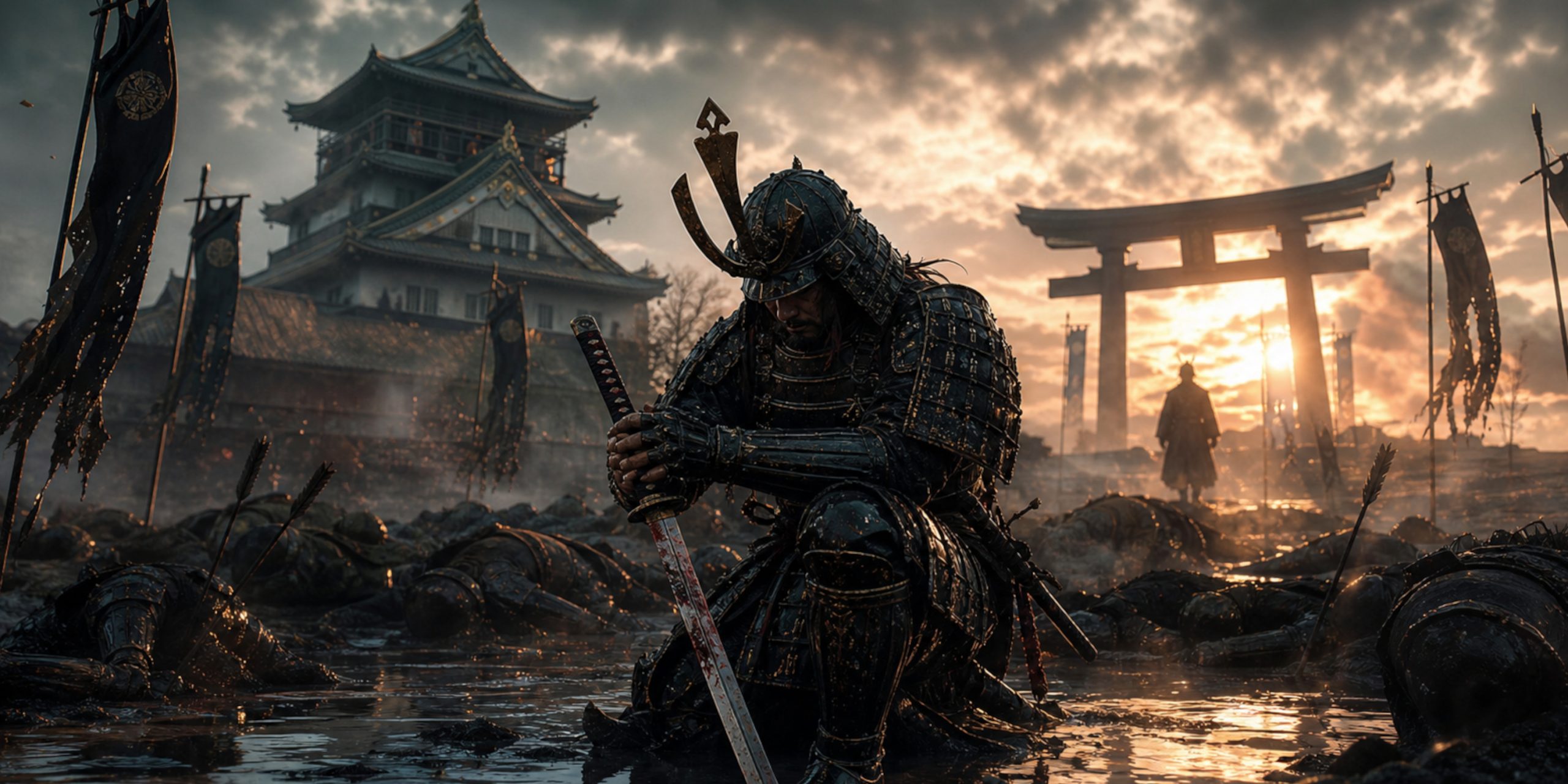
If you have spent any time with the Nioh series, you already know it does not invent its world out of thin air. It borrows, twists, and occasionally throws history into a blender with demons for good measure. What makes it interesting is how often the roots are real.
Nioh 3, assuming it follows the same pattern, will likely lean heavily on Japan’s Sengoku period, a time that feels almost designed for storytelling. Power struggles, betrayals, larger than life personalities, and just enough chaos to justify the appearance of supernatural horrors. It is not subtle, but it works.
The Sengoku Period, A Perfect Playground
The Sengoku period, roughly 1467 to 1615, was a long stretch of civil war in Japan. Authority collapsed, regional warlords rose, and alliances shifted like sand.
For a game like Nioh 3, this era offers everything. You get:
- Rival clans constantly fighting for dominance
- Legendary commanders with strong personalities
- Real battles that already feel dramatic without any embellishment
- A cultural backdrop rich with myth and superstition
It is the kind of history where you barely need to add anything. The series simply adds yokai and lets things spiral.
Oda Nobunaga, The Ruthless Unifier
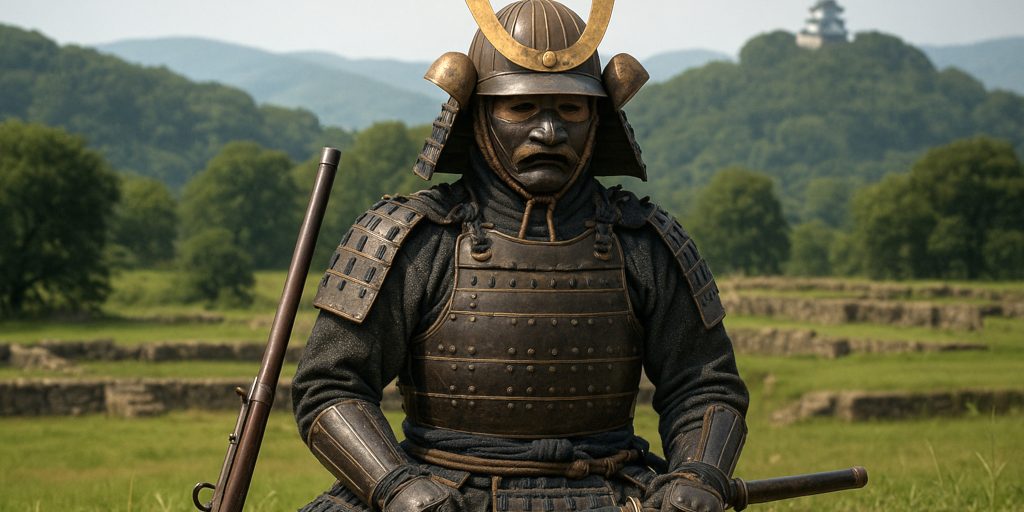
If Nioh 3 includes historical figures, Nobunaga is almost guaranteed to show up in some form. He is simply too important to ignore.
Nobunaga was the first of the three great unifiers of Japan. He broke traditional power structures, embraced firearms early, and had a reputation for being as pragmatic as he was ruthless.
In Nioh style storytelling, that often translates into a character who feels slightly unhinged or morally ambiguous. Not evil in a cartoon sense, just someone who sees victory as the only outcome that matters.
There is also a running theme in games and anime where Nobunaga gets linked to demonic forces. It is not historically accurate, but it fits his reputation a little too well.
Toyotomi Hideyoshi, The Strategist Who Rose from Nothing
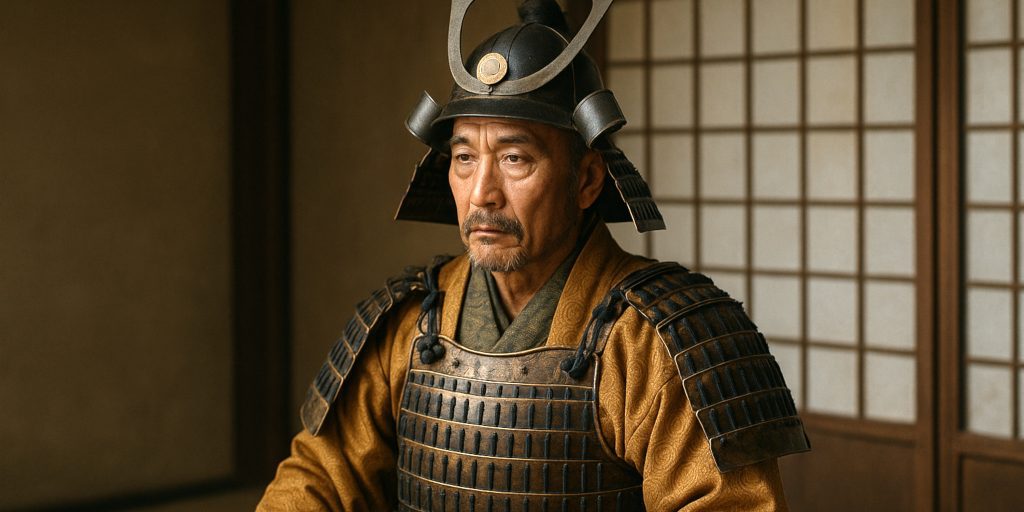
Hideyoshi’s story reads like fiction even before a game gets involved.
He started from relatively humble origins and climbed his way up to become the ruler of Japan. That alone makes him a perfect fit for a narrative focused on transformation and ambition.
In the Nioh series, Hideyoshi is often portrayed with a dual identity or symbolic transformation. Expect that idea to return, possibly with even more supernatural layers. The rise from nothing becomes something literal, not just political.
Tokugawa Ieyasu, The Patient Survivor

If Nobunaga is fire and Hideyoshi is momentum, Ieyasu is patience.
He outlasted his rivals and ultimately established the Tokugawa shogunate, which brought relative stability after decades of war. Not the flashiest figure, but arguably the most effective.
Games tend to portray him as calculating, reserved, and always thinking several steps ahead. In a Nioh setting, that kind of personality often hides deeper connections, sometimes even to spiritual or supernatural forces working behind the scenes.
William Adams, The Outsider Perspective
The original Nioh leaned heavily on William Adams, the English sailor who became a samurai.
Even if Nioh 3 moves away from him directly, the idea of an outsider navigating Japan’s political and spiritual landscape is too useful to abandon completely.
It gives players a natural entry point. You learn the world as the character does, which makes all the shifting alliances and supernatural chaos easier to follow.
Yokai and Folklore, Where History Bends
This is where Nioh stops pretending to be strictly historical.
Yokai are creatures from Japanese folklore. Some are mischievous, some are dangerous, and some feel like they wandered in from a nightmare after eating something questionable.
Common inspirations likely to appear include:
- Oni, large horned demons associated with destruction
- Tengu, mountain spirits often linked to martial skill
- Kitsune, fox spirits known for deception and intelligence
The clever part is how the series blends them with real events. A battlefield becomes haunted. A warlord’s ambition attracts something darker. Suddenly history feels unstable.
Weapons and Combat, Real Steel with a Twist
The weapons in Nioh are grounded in reality, even when the abilities are not.
You can expect to see:
- Katana and tachi as primary swords
- Dual blades reflecting the daisho tradition
- Naginata and yari for reach and control
- More exotic weapons like the kusarigama
The real inspiration comes from samurai combat schools, where technique and discipline mattered more than flashy moves. The game exaggerates this, of course, but the foundation is still there.
Why It Works So Well
There is something slightly addictive about seeing real history pushed just far enough to become strange.
You recognise the names, the places, the conflicts. Then a demon walks out of the fog and suddenly you are not entirely sure what is real anymore.
That balance is what gives Nioh its identity. It respects history just enough to ground the story, then happily breaks it for dramatic effect.
Takeaway
Nioh 3 will almost certainly continue this tradition. Familiar figures like Nobunaga, Hideyoshi, and Ieyasu will likely return in some form, reshaped to fit a darker and more supernatural narrative.
What makes it enjoyable is not accuracy in the strict sense. It is the way history is used as a starting point rather than a limit.
You begin with something grounded, then watch it unravel into something far more unpredictable. Honestly, that feels closer to how history often reads anyway, just with fewer demons.