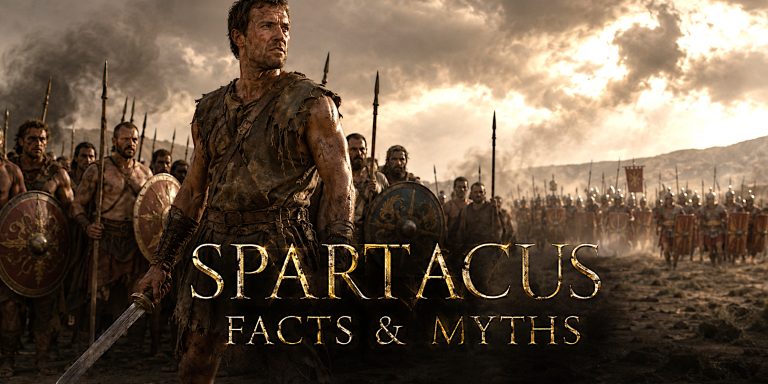
Spartacus was never subtle television.
This is a series where arguments regularly ended with someone being launched off a balcony or sliced dramatically across the chest while orchestral music screamed in the background. Yet beneath all the slow-motion violence and Roman chaos sat a genuinely gripping drama packed with revenge, loyalty, ambition, grief, and enough emotional damage to keep a therapist employed for centuries.
When the show first aired, some critics dismissed it as pure spectacle. Fans, meanwhile, were busy becoming emotionally attached to gladiators who solved most problems with swords and furious speeches.
Years later, IMDb ratings tell an interesting story. The episodes fans rate highest are not always the bloodiest. They are the episodes where character arcs finally explode into tragedy, triumph, or complete emotional ruin.
And honestly, Spartacus specialised in all three.
Victory (War of the Damned, Episode 10)
IMDb Rating: 9.7
This is the big one.
“Victory” is not just the highest-rated Spartacus episode on IMDb, it is also one of the most emotionally devastating finales in modern historical television.
The rebel army finally faces its inevitable reckoning against Crassus and Rome. From the opening moments, the episode carries this heavy sense of fatalism. Everybody knows where history leads, but the show somehow convinces you there might still be hope anyway.
That emotional contradiction gives the finale enormous weight.
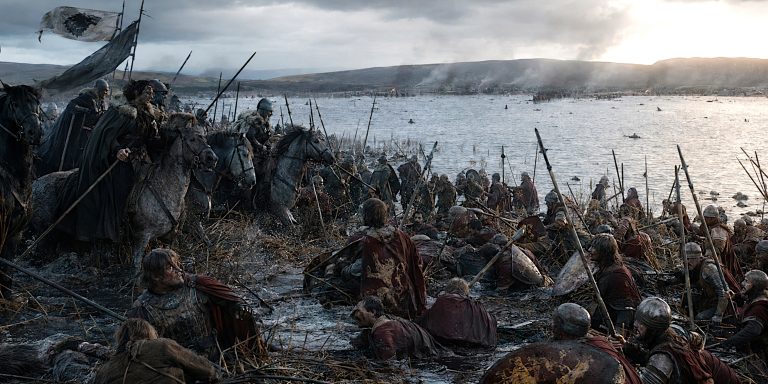
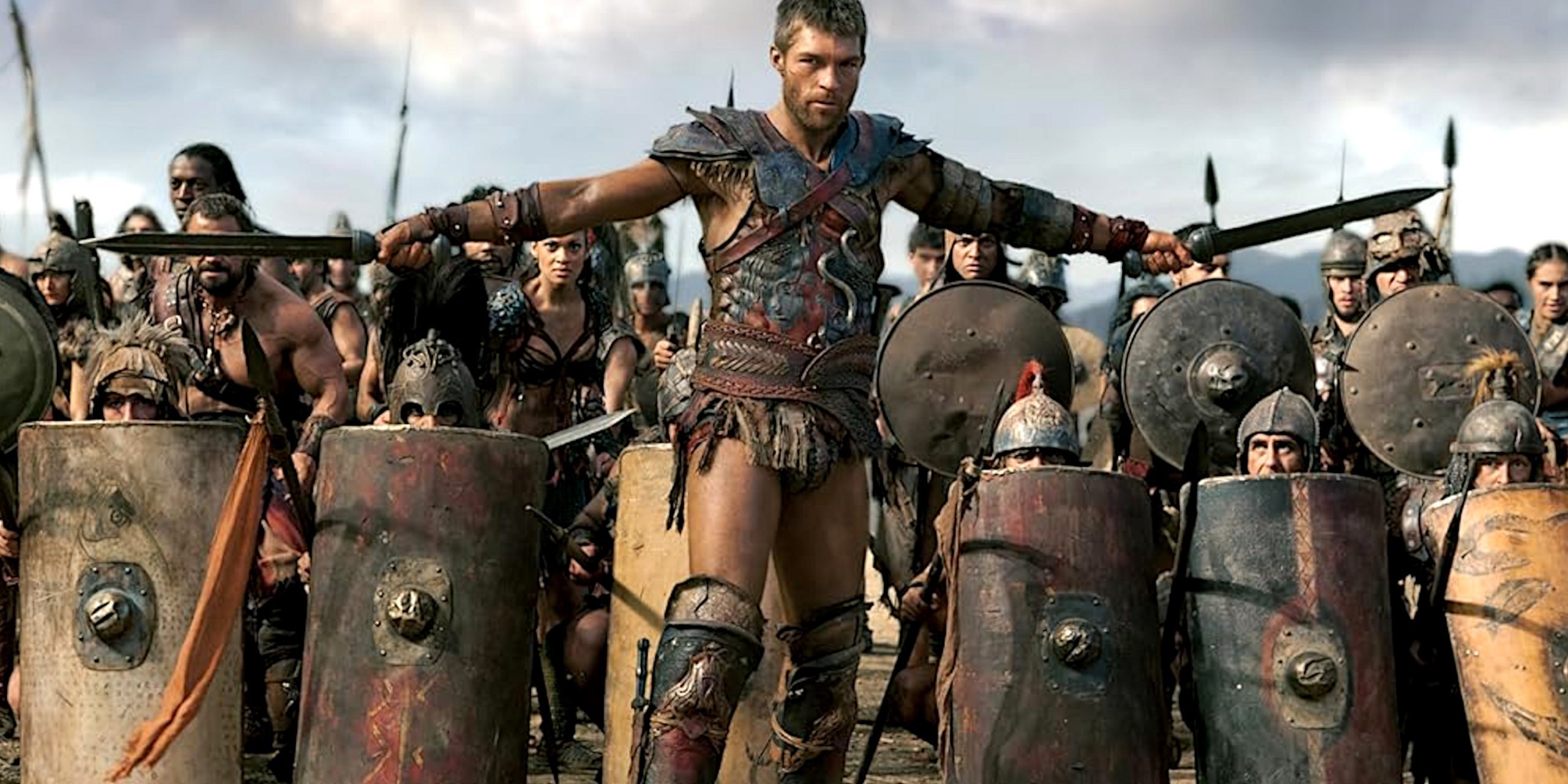
The battle sequences are huge for a television production of the time. Shield walls collapse, flaming projectiles tear through formations, and characters viewers have followed for years disappear in brutal fashion. Yet the episode works because it never loses sight of the people underneath the spectacle.
Liam McIntyre delivers his strongest performance as Spartacus here. There is exhaustion in him now, but also clarity. He no longer fights simply for revenge. He fights because the idea of freedom has become larger than his own survival.
The final scenes are especially powerful because they avoid melodrama. The series trusts the audience enough to let the tragedy breathe naturally.
It still hits hard.
Kill Them All (Blood and Sand, Episode 13)
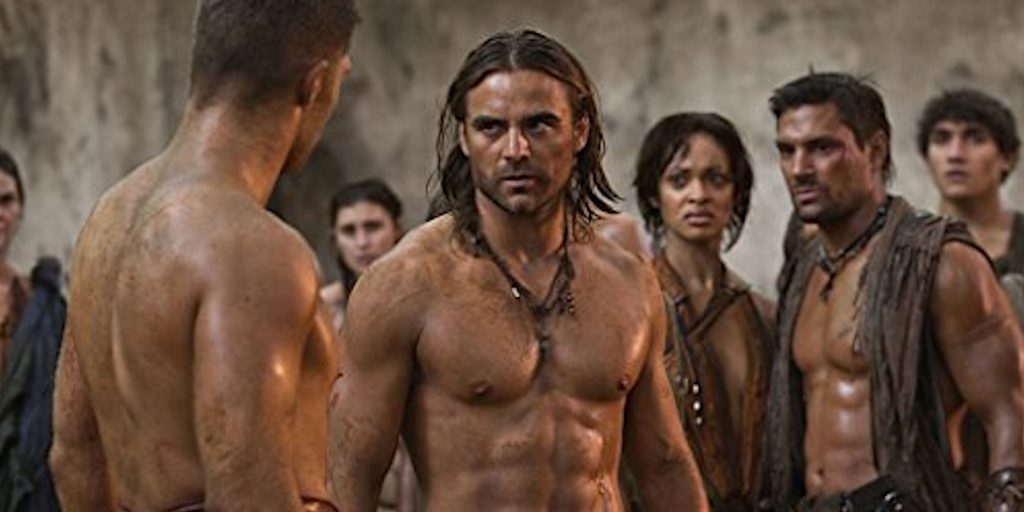
IMDb Rating: 9.6
This was the episode where Spartacus fully announced itself as elite television.
After an entire season of manipulation, cruelty, plotting, and humiliation inside the House of Batiatus, the rebellion finally erupts. And when it happens, the payoff feels incredibly earned.
The gladiators turning on their masters remains one of the most satisfying moments in the series. The show spent so long building tension between slaves and owners that the violence almost feels inevitable by the finale.
John Hannah is phenomenal as Batiatus throughout this episode. Watching his confidence gradually collapse as his carefully controlled world burns around him is genuinely fascinating.
Then comes the confrontation between Spartacus and Batiatus.
No fancy speeches. No elaborate tricks. Just years of rage finally unleashed.
Andy Whitfield’s performance elevates the entire finale. Even among a cast known for theatrical intensity, he brought unusual emotional sincerity to Spartacus. Rewatching these episodes now adds another layer entirely given his tragic death shortly after the first season.
The final uprising sequence still feels iconic over a decade later.
The Bitter End (Gods of the Arena, Episode 6)

IMDb Rating: 9.1
Prequels usually exist because studios enjoy money and fans enjoy nostalgia. Very few actually improve the original story.
Gods of the Arena somehow managed it.
“The Bitter End” closes the prequel with betrayal, heartbreak, political scheming, and arena violence that somehow becomes deeply emotional despite involving men trying to stab each other for public entertainment.
Classic Rome, honestly.
Gannicus dominates the episode emotionally. Dustin Clare brought enormous charisma to the role, but also this lingering sadness underneath all the swagger. The finale leans heavily into that tragedy.
Meanwhile, Batiatus and Lucretia continue proving they are one of television’s most toxic power couples. Their relationship remains strangely compelling because both characters genuinely love each other while simultaneously enabling the absolute worst instincts imaginable.
Which, in fairness, feels historically Roman.
The ending also deepens the original series retrospectively. You suddenly understand how much damage existed inside the ludus before Spartacus ever arrived.
Revelations (Blood and Sand, Episode 10)

IMDb Rating: 9.0
This episode is pure tension.
Secrets begin collapsing in every direction as Spartacus finally edges closer to discovering the truth about his wife’s death. The emotional pressure building underneath the surface becomes almost unbearable at times.
Andy Whitfield is outstanding here because Spartacus spends much of the episode internally unravelling rather than physically fighting. You can see suspicion and grief slowly consuming him.
Meanwhile, Batiatus continues manipulating absolutely everybody around him with the energy of a Roman man who has not slept properly in six years.
The episode also highlights how strong the political writing in Spartacus could be when it wanted to be. Alliances constantly shift, conversations feel dangerous, and every character seems trapped inside systems they barely control.
That complexity helped separate the show from simpler sword-and-sandal dramas.
Party Favors (Blood and Sand, Episode 9)
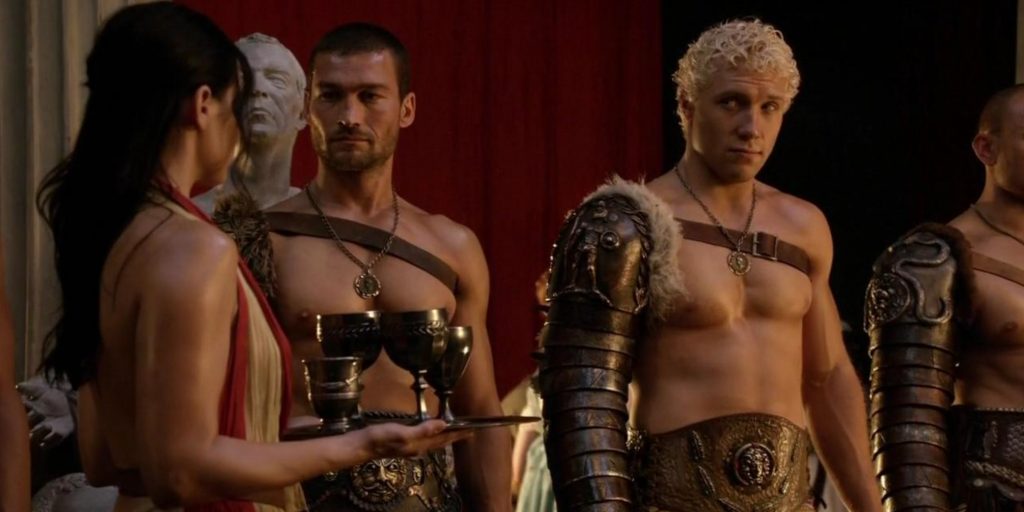
IMDb Rating: 9.0
“Party Favors” thrives on chaos.
The gladiatorial games themselves are brilliant television, packed with brutal choreography and mounting tension, but the real appeal comes from everything happening underneath the spectacle.
Relationships begin cracking apart. Rivalries intensify. Characters start making decisions that quietly set disasters into motion later in the season.
Crixus especially stands out here. Manu Bennett gave the character enormous physical presence, but what made him memorable was the pride underneath it all. Crixus constantly feels like a man trying to preserve dignity inside a system designed to strip it away.
Also, this episode contains enough political backstabbing to make the Roman Senate look like a secondary school group chat.
Shadow Games (Blood and Sand, Episode 8)
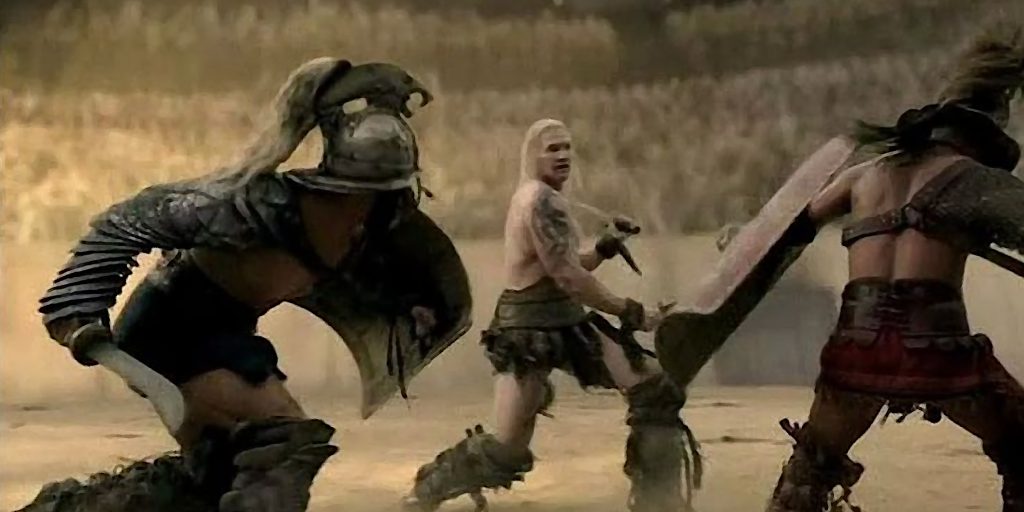
IMDb Rating: 8.9
“Shadow Games” is where the series proves it can balance action with genuine emotional storytelling.
The arena battle involving Spartacus and Crixus fighting together remains one of the show’s defining sequences. Their rivalry had driven so much tension earlier in the season that seeing them finally operate as allies feels enormously satisfying.
At the same time, the episode continues exploring themes of brotherhood and survival that become central to the wider rebellion later on.
There is also something fascinating about how Spartacus portrayed gladiators psychologically. These were not simply warriors. They were entertainers, prisoners, celebrities, and disposable property all at once.
The show occasionally became outrageous, yes, but episodes like “Shadow Games” revealed surprising depth beneath all the blood spray.
Why These Episodes Still Stand Out
The highest-rated episodes of Spartacus all share something important in common.
They pay off emotional investment.
The battles matter because viewers care about the people inside them. Betrayals hurt because relationships were carefully developed beforehand. Deaths land because characters felt genuinely human underneath the stylised dialogue and cinematic violence.
The series also committed completely to its tone. It never tried to be half-serious prestige television embarrassed by its own spectacle. Spartacus embraced excess fully, then backed it up with strong performances and surprisingly sharp writing.
That confidence made it memorable.
Modern television sometimes feels terrified of sincerity. Spartacus absolutely was not. Characters loved fiercely, hated openly, grieved loudly, and pursued revenge with terrifying commitment.
Sometimes all within the same afternoon.
The Legacy of Spartacus
More than ten years later, Spartacus still has one of the most loyal fanbases in television.
Part of that comes from how the series handled adversity behind the scenes. Following Andy Whitfield’s illness and death, many assumed the production would collapse entirely. Instead, the cast and crew rebuilt the series while respecting what Whitfield brought to the role originally.
That resilience gives later episodes extra emotional resonance.
The best-rated IMDb episodes reflect the show at its peak, emotionally raw, visually excessive, tragic, funny, violent, and strangely heartfelt beneath all the arena carnage.
Also, few series have ever made Romans yelling dramatic insults at each other this consistently entertaining.
That deserves respect on its own.