Some pirates became legends because they were successful. Others because they were terrifying. Mary Read occupies a stranger corner of history entirely. She became famous because she broke nearly every expectation society had for women in the early eighteenth century and then carried on as though none of it mattered in the slightest.
She fought as a soldier, sailed as a pirate, disguised herself as a man for years, and reportedly swore with enough enthusiasm to make hardened sailors uncomfortable. Even among pirates, who were hardly known for restraint or delicate manners, Mary Read stood out.
The frustrating thing for historians is that much of her story sits somewhere between truth and theatrical embellishment. The surviving records are tangled with sensationalism, courtroom gossip, and the sort of storytelling that London publishers adored after a few ales and a profitable print run.
Still, enough evidence survives to piece together the outline of an extraordinary life.
Who Was Mary Read?
Mary Read was born in England around 1685, probably in London. According to contemporary accounts, her mother disguised her as a boy after the death of Mary’s older brother. The reason was brutally practical. Financial support from relatives depended upon maintaining the illusion that the dead son still lived.
So Mary spent much of her childhood pretending to be male. Oddly enough, she appears to have become rather good at it.
By her teenage years, she was reportedly working as a footboy before eventually joining military service. Some accounts place her in the English army in Flanders during the War of the Spanish Succession. There, dressed as a man, she fought alongside soldiers who apparently never suspected the truth.
One suspects eighteenth-century military hygiene helped conceal quite a lot.
Eventually, Mary fell in love with a fellow soldier. She revealed her identity, married him, and briefly attempted something resembling a respectable life. It did not last. Her husband died young, and with few options available to widowed women of limited means, Mary drifted back toward military and maritime life.
By the 1710s, she had entered the violent and unstable world of Caribbean piracy.
Mary Read and the Golden Age of Piracy
The early eighteenth century Caribbean was crowded with smugglers, privateers, naval patrols, escaped sailors, and opportunists with pistols tucked into their belts and questionable ideas about long-term planning.
The so-called Golden Age of Piracy was already beginning to decline by the time Mary Read emerged. Governments had become increasingly determined to suppress piracy, particularly around the Bahamas and Jamaican trade routes.
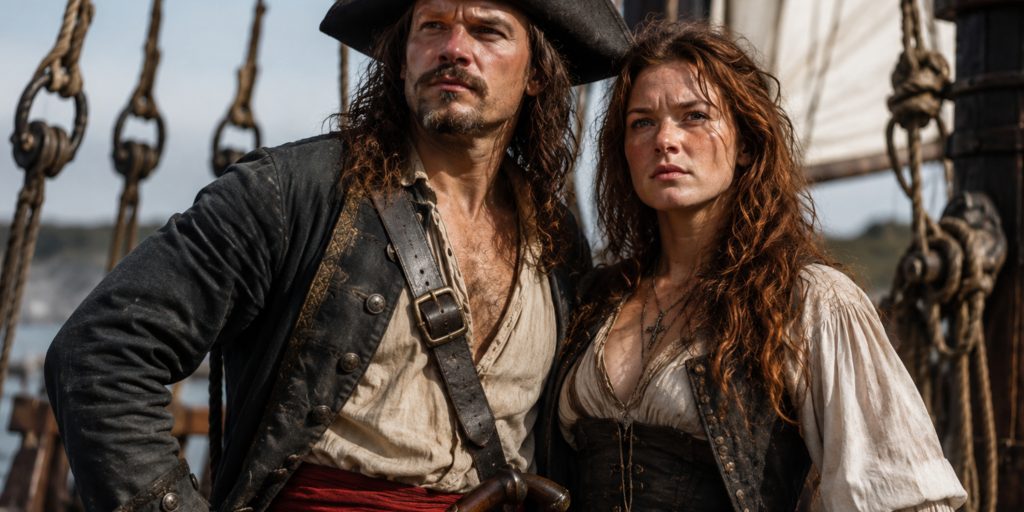
Mary eventually found herself aboard pirate vessels operating in the Caribbean, most famously alongside Captain John Rackham, better known as Calico Jack.
She also sailed beside Anne Bonny, another infamous female pirate. The relationship between the two women has fascinated writers for centuries. Contemporary reports suggest they fought together fiercely and openly mocked cowardice among male crew members.
That probably did not improve morale.

Contemporary Quotes About Mary Read
One of the most cited descriptions of Mary Read comes from Captain Charles Johnson’s A General History of the Pyrates from 1724:
“She was very ready and willing to undertake anything that was hazardous.”
Another passage described the fear she inspired during combat:
“No person upon occasion was more resolute, or ready to board or undertake anything desperate than she or Anne Bonny.”
The Jamaican authorities who captured the crew also recorded testimony suggesting that both women fought harder than many of the men around them during the final battle.
One witness claimed:
“The two women prisoners called to the men to murder him.”
It paints a vivid picture of chaos aboard a collapsing pirate ship in the dark Caribbean waters. Not exactly the glamorous tavern fantasy later fiction would invent.
Mary Read’s Weapons
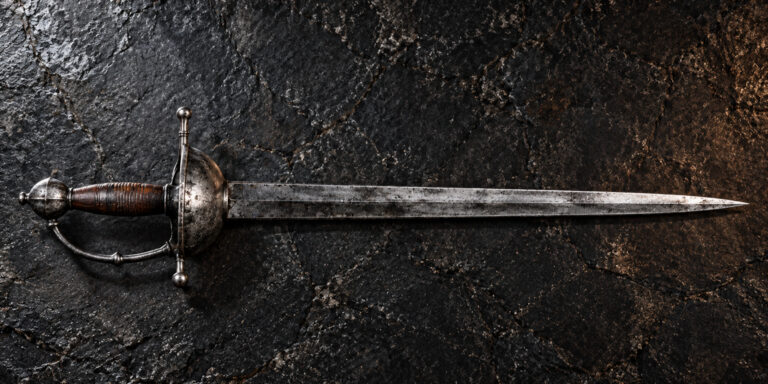
Pirates tended to favour practical weapons over elegant ones. Mary Read was reportedly no exception.
Common Weapons Used by Mary Read
| Weapon | Purpose |
|---|---|
| Cutlass | Close combat aboard ships |
| Flintlock pistols | Short-range fighting and intimidation |
| Boarding axe | Ship assaults and utility work |
| Daggers | Backup weapon in close quarters |
The cutlass was the defining pirate weapon of the era. Short, brutal, and efficient, it worked well in cramped shipboard combat where long swords became awkward liabilities.
Mary was also described as carrying pistols tucked into a sash, which matched common pirate fighting styles of the period. Fire once, throw the pistol aside, then close aggressively with blades.
Pirate combat was less fencing duel and more screaming collision of smoke, splinters, and panic.
Ships Mary Read Sailed On
Mary Read served aboard several vessels during her life, though records remain incomplete.
Notable Ships Associated with Mary Read
| Ship | Details |
|---|---|
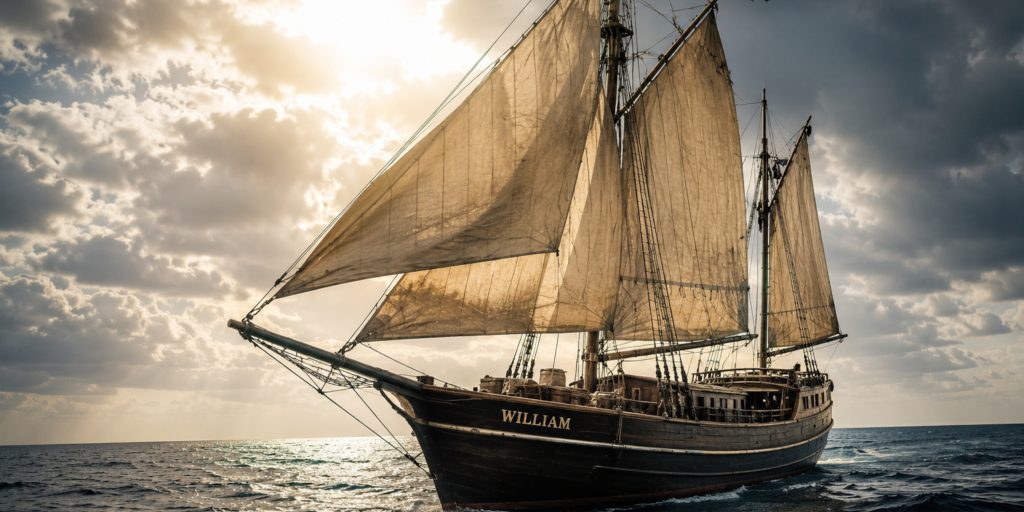
| William | Captured merchant vessel associated with Calico Jack |
| Kingston | A Jamaican merchant ship captured by Rackham’s crew |
| Revenge sloops | Small fast pirate craft used in Caribbean raids |
Pirates favoured sloops because they were fast, manoeuvrable, and ideal for escaping larger naval ships. They could also navigate shallow coastal waters where heavier warships struggled.
Rackham’s crews often relied on speed rather than overwhelming firepower. This made aggressive boarding tactics essential, which suited fighters like Mary Read perfectly.
Treasure and Pirate Bounty
Contrary to popular mythology, most pirates did not spend their days lounging atop mountains of glittering treasure.
Piracy was usually unstable, dangerous, and surprisingly short-lived.
Mary Read likely earned shares from captured cargoes including sugar, rum, textiles, spices, silver, and trade goods seized in the Caribbean. Pirate crews divided plunder according to agreed shares, with captains often receiving slightly larger portions.
There is no reliable evidence that Mary Read buried treasure or accumulated vast wealth. If she made substantial money, it vanished quickly into the same places pirate earnings usually disappeared: gambling, alcohol, weapons, repairs, and extremely poor life decisions.
Battles and Pirate Actions

Mary Read’s most famous action came during the final engagement that led to her capture in 1720.
Captain Jonathan Barnet, commanding a Jamaican privateer vessel authorised to hunt pirates, cornered Rackham’s ship near Jamaica.
Most of the pirate crew were reportedly drunk below deck when the attack began.
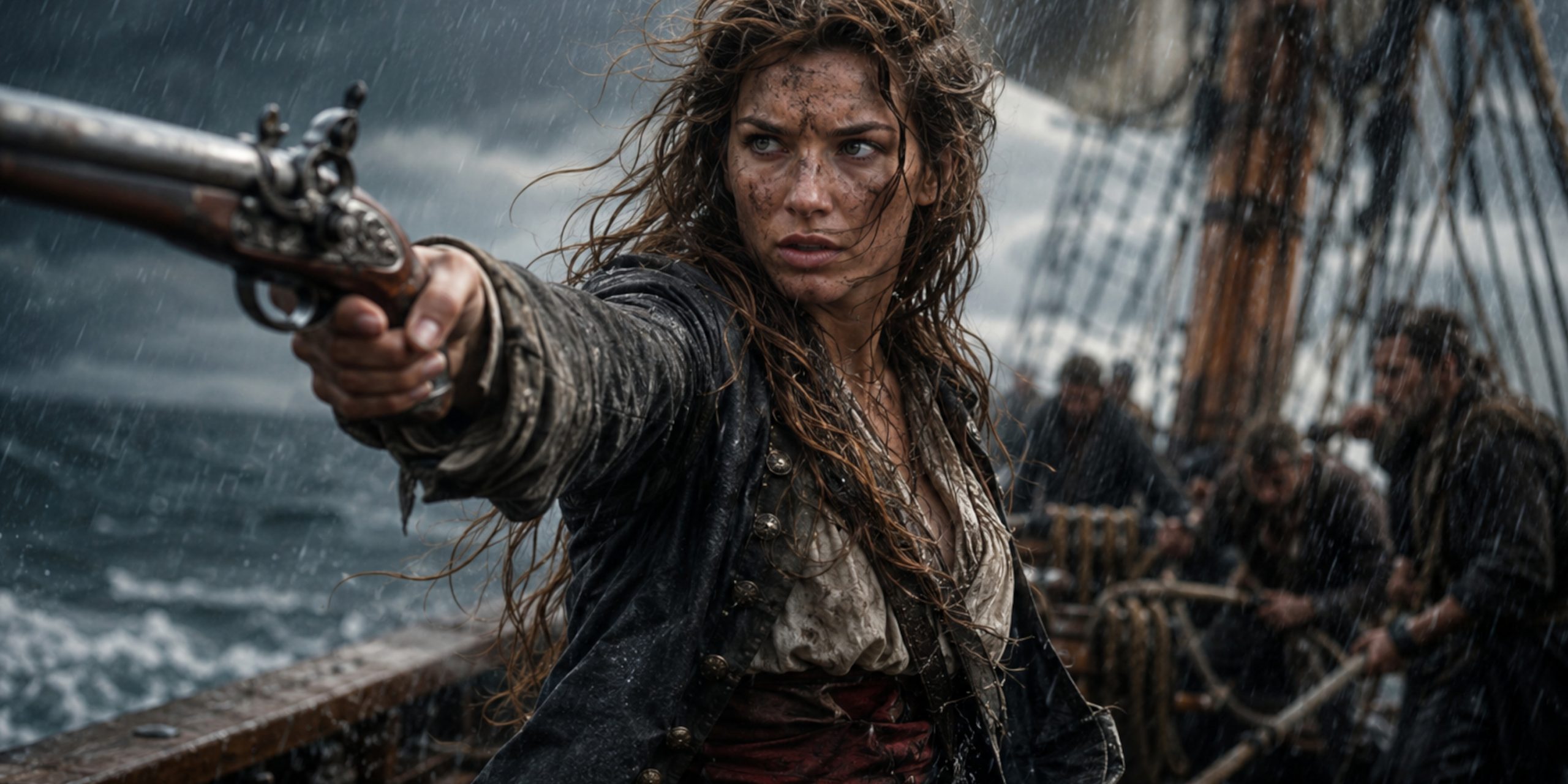
Mary Read and Anne Bonny allegedly resisted fiercely while many of the men hid. Multiple witnesses later testified that the two women fought with pistols and machetes while screaming at the others to join the defence.
It is one of the more embarrassing moments in pirate history, frankly. Being publicly shamed for cowardice by two furious women while half-conscious on rum was not the glorious outlaw ending most pirates imagined.
The battle ended quickly. Rackham’s crew surrendered and were taken prisoner.
The Trial of Mary Read

Mary Read was tried for piracy in Spanish Town, Jamaica, in November 1720.
Piracy remained one of the gravest crimes of the age. Conviction usually meant hanging.
Mary and Anne Bonny were both sentenced to death. However, they avoided immediate execution by “pleading the belly”, meaning they claimed to be pregnant.
Medical examination confirmed the pregnancies, delaying their executions.
Rackham himself was hanged shortly afterwards.
According to legend, Anne Bonny later told him:
“If you had fought like a man, you need not have been hanged like a dog.”
One suspects that conversation was rather tense.
Mary Read’s Fate
Mary Read never escaped prison.
She died in Jamaica in 1721, likely from fever while still imprisoned. Records from St Catherine Parish indicate a burial for a woman believed to be Mary Read in April of that year.
She was probably only in her mid-thirties.
No grave survives with certainty. No treasure map emerged. No dramatic final escape occurred.
In some ways, that ordinary and miserable ending feels strangely fitting for the pirate world itself. The reality of piracy was usually disease, violence, fear, and short life expectancy dressed up later as adventure.
Mary Read’s reputation endured because she seemed genuinely fearless within that brutal environment.
Anne Bonny and Mary Read
The partnership between Anne Bonny and Mary Read became legendary partly because it shattered contemporary assumptions about gender.
Eighteenth-century writers struggled to explain women who fought, swore, drank, and killed alongside pirates. Some accounts exaggerated their sexuality or behaviour simply because authors could not quite process them otherwise.
Yet beneath the sensationalism lies something historically valuable. Both women demonstrated how fluid identity could become in the unstable Atlantic world of piracy, war, and colonial expansion.
Mary Read in particular moved repeatedly between male and female identities depending on circumstance, survival, and opportunity. That makes her story feel surprisingly modern in some respects, even if the world around her remained viciously unforgiving.
Archaeology and Historical Evidence
Unlike famous naval battles or royal figures, Mary Read left behind very little directly connected archaeology.
However, pirate archaeology across the Caribbean has revealed much about the world she inhabited.
Artefacts Linked to Pirate Life
- Flintlock pistols
- Cutlasses
- Trade silver
- Navigation instruments
- Rum bottles
- Ship fittings from wrecked sloops
Sites around Nassau and Port Royal remain especially important for understanding pirate culture during the early eighteenth century.
Port Royal itself, partly destroyed by earthquake in 1692, has yielded remarkable underwater finds connected to the broader pirate era that shaped figures like Mary Read.
How Accurate Are the Stories?
Historians remain cautious about many details of Mary Read’s life.
The main source, Captain Charles Johnson’s A General History of the Pyrates, mixes reliable facts with theatrical storytelling. Some scholars even debate whether Johnson was a pseudonym for Daniel Defoe, though proof remains elusive.
Still, court records confirm Mary Read existed, sailed with Rackham, and faced trial in Jamaica.
That alone is remarkable enough without embellishment.
Even stripped of romantic myth, Mary Read remains one of the most unusual figures of the Golden Age of Piracy. Soldier, sailor, outlaw, survivor. A woman who repeatedly stepped into violent male worlds and somehow carved out a place within them.
Not peacefully, mind you. Usually with pistols.
Legacy of Mary Read
Mary Read’s legacy grew steadily across literature, film, television, and pirate mythology.
She became an enduring symbol of rebellion and defiance, though modern portrayals often soften the harsher realities of pirate life. The real Mary Read was not a swashbuckling fantasy heroine swinging gracefully from rigging while delivering witty one-liners.
She was probably exhausted, heavily armed, frequently terrified, and living in conditions that smelled unimaginably dreadful.
Which somehow makes her even more impressive.
Nearly three centuries later, her story still survives because it feels improbable. Yet enough evidence remains to show that she truly existed and genuinely fought her way through one of the most dangerous worlds of the eighteenth century.
That is rare enough in history.
And historians, particularly those of us from Yorkshire with a weakness for chaotic women carrying swords, tend to remember such people.