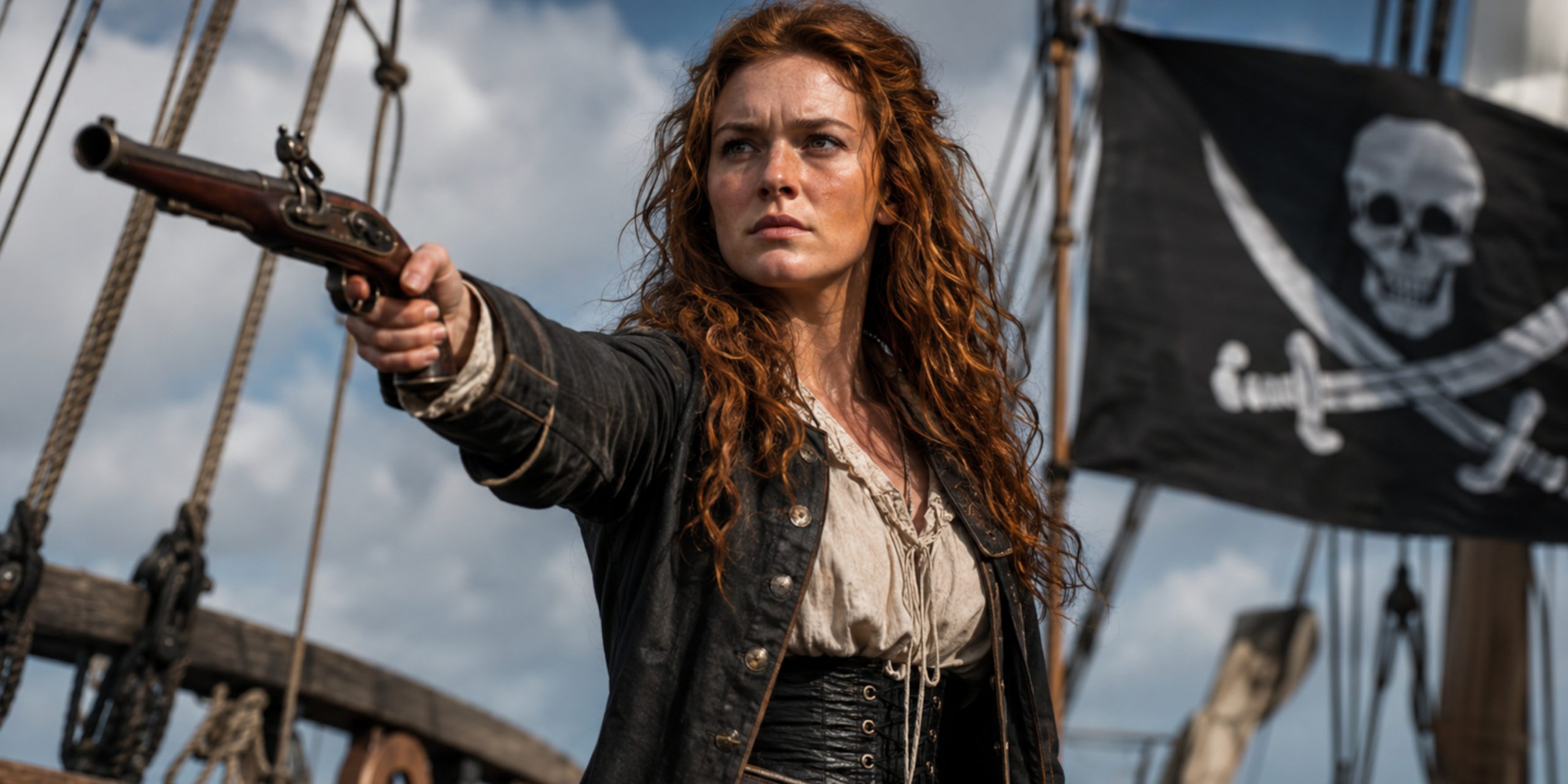
There are pirate names that drift quietly through history, and then there is Anne Bonny. Even now, three centuries later, her reputation still stomps about the place wearing stolen boots and swearing at authority.
Part of the fascination comes from how little we truly know. Anne Bonny exists somewhere between documented criminal, sailor, propagandist fantasy, and folk legend. The surviving records are patchy, contradictory, and occasionally written by men who seemed personally offended that a woman could fire a pistol at them while dressed better than they were.
Still, enough evidence survives to piece together a remarkably vivid story.
Anne Bonny was not just a woman aboard a pirate ship. She was an active combatant during the final violent years of the so-called Golden Age of Piracy, sailing alongside some of the most notorious pirates in Caribbean history.
And unlike many famous pirates, she never swung from the gallows.
That alone makes her dangerous to historians. We hate loose ends.
Who Was Anne Bonny?
Anne Bonny was an Irish-born pirate active in the Caribbean during the early eighteenth century. She became infamous for sailing with the pirate John Rackham, better known as “Calico Jack”, and fighting alongside fellow female pirate Mary Read.
Most historians believe Anne was born around 1697, probably near Cork in Ireland. Her father was believed to be lawyer William Cormac, though contemporary accounts differ wildly on the details of her upbringing.
According to Captain Charles Johnson’s famous 1724 work A General History of the Pyrates, Anne was born from an affair between Cormac and his servant Mary Brennan. That book remains one of the main sources for pirate history, though historians approach it carefully because Johnson occasionally wrote with the same relationship to accuracy as a tavern storyteller after six ales.
The family eventually relocated to the Province of Carolina in the American colonies, where Anne reportedly grew up in relative comfort.
Even early accounts describe her as fiercely aggressive and difficult to control. One story claims she stabbed a servant girl with a knife during an argument. Whether true or exaggerated, it reflects how contemporaries viewed her: volatile, fearless, and deeply unsuited to polite society.
Which, in fairness, was excellent preparation for piracy.
Anne Bonny Before Piracy
Anne married a small-time sailor and pirate named James Bonny while still young. The marriage caused friction with her father, who allegedly disowned her after learning James lacked money and ambition.
An understandable reaction perhaps, though one suspects “future pirate associate” also raised concerns.
The couple moved to Nassau in the Bahamas, which at the time functioned as one of the great pirate centres of the Caribbean. Nassau was chaotic, violent, overcrowded, and full of men who thought bathing counted as government oppression.
It was here that Anne encountered the pirate world directly.
She soon became involved with John Rackham, a flamboyant pirate captain known for brightly coloured clothing and a remarkable talent for making poor decisions under pressure.
Anne left her husband and joined Rackham. Contemporary reports suggest she dressed partly in male clothing during raids and combat, though the reality was likely more practical than theatrical. Pirate life was filthy, brutal, and physically exhausting. Loose dresses and decorative corsets were not ideal for climbing rigging while carrying pistols.
Anne Bonny and Calico Jack
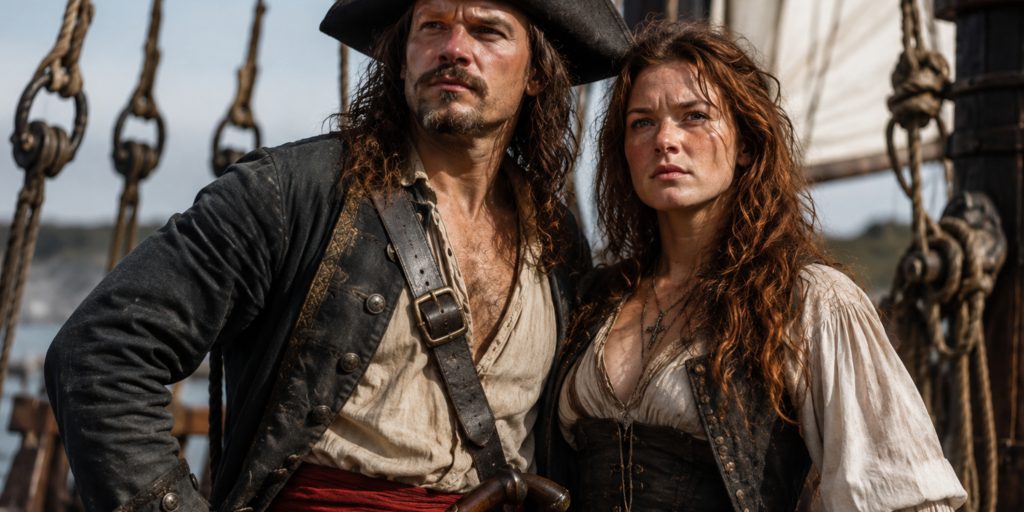
Anne Bonny’s fame became inseparable from John “Calico Jack” Rackham. Together they operated in the Bahamas and Jamaican waters around 1719 to 1720.
Rackham captained a small sloop crewed by pirates who attacked merchant vessels, fishing boats, and isolated shipping traffic. Unlike Blackbeard or Bartholomew Roberts, Rackham was not among the richest or most strategically successful pirate captains. His reputation survived largely because of his association with Anne Bonny, Mary Read, and the now iconic skull-and-crossed-cutlasses flag linked to him.
Their ship was small, fast, and ideal for coastal raids.
Pirates preferred manoeuvrable sloops because they could outrun heavier naval vessels and navigate shallow Caribbean waters. Speed mattered more than brute force. Pirates were thieves first and battlefield commanders second.
Anne reportedly fought directly during attacks. Witness testimony from Rackham’s captured crew described both Anne Bonny and Mary Read fighting with pistols and machetes during engagements.
One contemporary deposition stated:
“They wore men’s jackets and long trousers, and had handkerchiefs tied about their heads.”
Another witness added that the women were:
“Very active on board, and willing to do anything.”
That may sound oddly restrained to modern ears, but in eighteenth-century legal testimony it was essentially the equivalent of saying: these women terrified us.
Mary Read and Anne Bonny
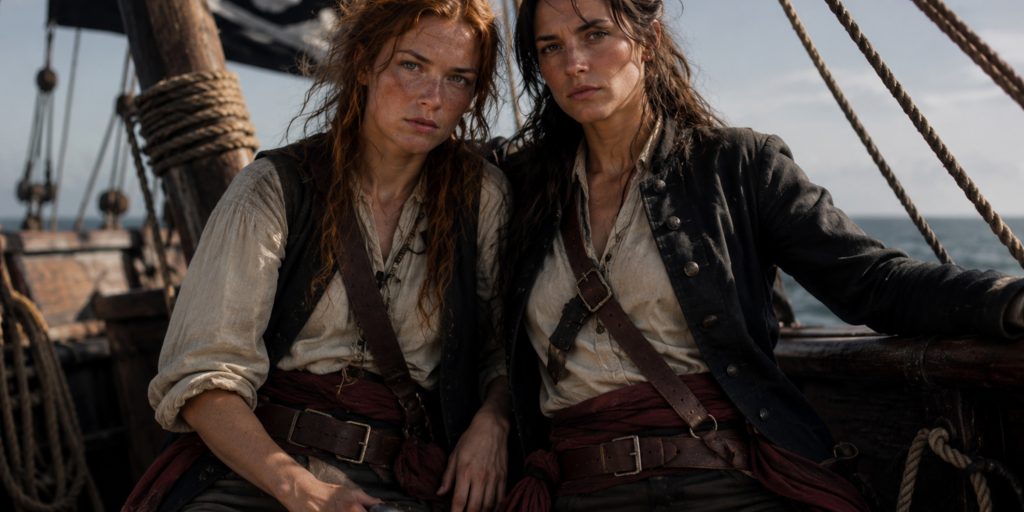
The friendship between Anne Bonny and Mary Read became one of the most famous partnerships in pirate history.
Mary Read herself had lived much of her life disguised as a man, serving as a soldier and sailor before entering piracy.
According to later accounts, Anne initially believed Mary was male and developed an attraction toward her before discovering the truth. Rackham allegedly became jealous until the misunderstanding was explained.
Historians debate how much of this story is factual, though it certainly reflects the fascination contemporaries had with gender roles among pirates.
What seems certain is this: both women fought aboard Rackham’s ship and earned reputations for courage under fire.
When pirate hunters attacked Rackham’s vessel in October 1720 near Jamaica, most of the crew reportedly hid below deck drunk while Anne Bonny and Mary Read continued resisting.
That detail appears in several accounts and has become central to their legend.
Frankly, it also makes the rest of the crew look absolutely pathetic.
Anne Bonny’s Weapons
Anne Bonny likely carried the same weapons commonly used by Caribbean pirates during the early eighteenth century.
Typical Weapons Included:
- Flintlock pistols
- Naval cutlasses
- Boarding axes
- Daggers and knives
- Muskets or carbines
The cutlass was particularly associated with pirates. It was short, heavy, and brutal in close quarters fighting aboard ships.
Unlike elegant cavalry swords, naval cutlasses were designed for hacking through rigging, wood, and occasionally people. Pirate combat was chaotic and intimate. Battles often ended in hand-to-hand fighting on slippery decks crowded with smoke and splintered timber.
Several accounts specifically mention Anne and Mary carrying pistols during engagements. Pirates frequently carried multiple pistols because reloading during combat was slow.
Fire once. Throw it at someone. Draw another.
A surprisingly efficient system.
Ships Sailed by Anne Bonny

Anne Bonny is most closely associated with the sloop commanded by Calico Jack Rackham.
The vessel was lightly armed but fast enough for raiding merchant traffic throughout Caribbean waters.
Characteristics of Pirate Sloops
| Feature | Description |
|---|---|
| Size | Small to medium |
| Speed | Extremely fast |
| Crew | Usually 20 to 40 men |
| Weapons | Small cannon and swivel guns |
| Strength | Coastal raids and pursuit |
| Weakness | Vulnerable to larger warships |
Pirate ships were rarely massive floating fortresses. Most pirates captured modest merchant vessels and modified them for speed and intimidation.
The romantic image of gigantic pirate fleets owes more to cinema than reality.
Anne Bonny’s Treasure and Wealth
No confirmed pirate treasure belonging to Anne Bonny has ever been discovered.
That disappoints treasure hunters enormously.
Pirates of the Caribbean often spent wealth rapidly on drink, gambling, weapons, repairs, and supplies. Most never accumulated vast hidden fortunes. Successful piracy depended on constant raiding rather than buried treasure maps.
Still, Rackham’s crew captured enough vessels to attract serious attention from colonial authorities.
Loot likely included:
- Sugar
- Cocoa
- Textiles
- Coin
- Weapons
- Jewellery
- Trade goods
The real economic damage caused by pirates came less from giant treasure hauls and more from disrupting Atlantic commerce.
Merchants hated uncertainty. Insurers hated pirates even more.
Anne Bonny’s Bounty and Criminal Reputation
Unlike Blackbeard, Anne Bonny does not appear to have carried an enormous individual bounty attached specifically to her name.
However, Rackham’s crew became officially hunted by British colonial authorities following renewed piracy crackdowns after 1718.
Woodes Rogers, the Governor of the Bahamas, aggressively pursued pirate suppression in Nassau. Former pirate havens became increasingly dangerous for outlaw crews.
By 1720, colonial governments wanted examples made of captured pirates.
Public executions were political theatre as much as punishment.
Battles and Raids
Anne Bonny participated in numerous small-scale raids across Caribbean waters, though exact details remain poorly documented.
Pirate attacks usually relied on intimidation rather than prolonged naval warfare.
A typical raid involved:
- Approaching under false colours
- Firing warning shots
- Boarding rapidly
- Seizing cargo
- Escaping before naval forces arrived
Rackham’s final battle occurred in October 1720 when pirate hunter Captain Jonathan Barnet surprised the crew near Jamaica.
According to testimony, much of Rackham’s crew were intoxicated when attacked.
Anne Bonny reportedly shouted at the men hiding below deck to fight “like men”.
Unfortunately for Rackham, they did not.
The pirates were captured and transported to Spanish Town, Jamaica, for trial.
Contemporary Quotes About Anne Bonny
Several contemporary statements survive regarding Anne Bonny and Mary Read.
From Captain Charles Johnson:
“There were two women pirates on board, Mary Read and Anne Bonny, who were both very profligate, cursing and swearing much.”
Another witness from the trial stated:
“No person on board was more ready or willing to board or undertake anything hazardous.”
Perhaps the most famous quote attributed to Anne came after Rackham was sentenced to death.
According to legend, she told him:
“If you had fought like a man, you need not have been hanged like a dog.”
Brutal. Concise. Very pirate.
Whether the quote is perfectly authentic is uncertain, but it survived because it perfectly captured her reputation.
The Trial of Anne Bonny
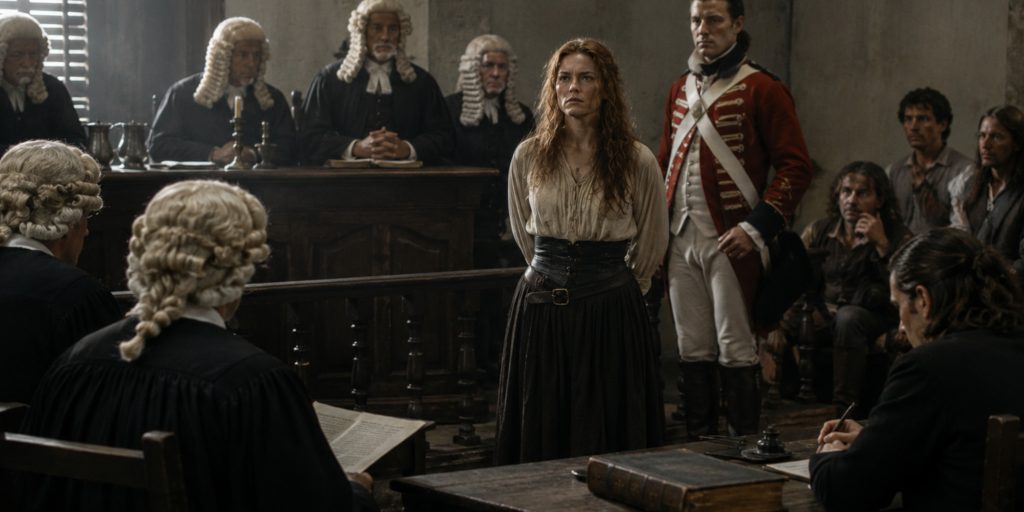
Anne Bonny and Mary Read were tried for piracy in Jamaica in November 1720.
Both women were convicted and sentenced to death.
However, they escaped immediate execution by “pleading the belly”, meaning they claimed to be pregnant.
Under English law, pregnant women could not be executed until after childbirth.
Mary Read later died in prison, likely from fever.
Anne Bonny’s fate afterwards becomes murky.
And historians absolutely despise murky.
What Happened to Anne Bonny?
No definitive record confirms Anne Bonny’s death.
Several theories exist.
Possible Fates
- Released through family influence
- Returned to Carolina
- Lived under a different name
- Died quietly in the colonies
- Remarried and lived into old age
One popular theory suggests Anne’s wealthy father arranged her release from prison and brought her back to Charles Town in Carolina.
Some records indicate a woman believed to be Anne Bonny later married Joseph Burleigh and lived a relatively ordinary life.
If true, it is one of history’s strangest retirements.
Imagine surviving Caribbean piracy only to end up discussing crop yields and local property disputes.
Anne Bonny in Popular Culture
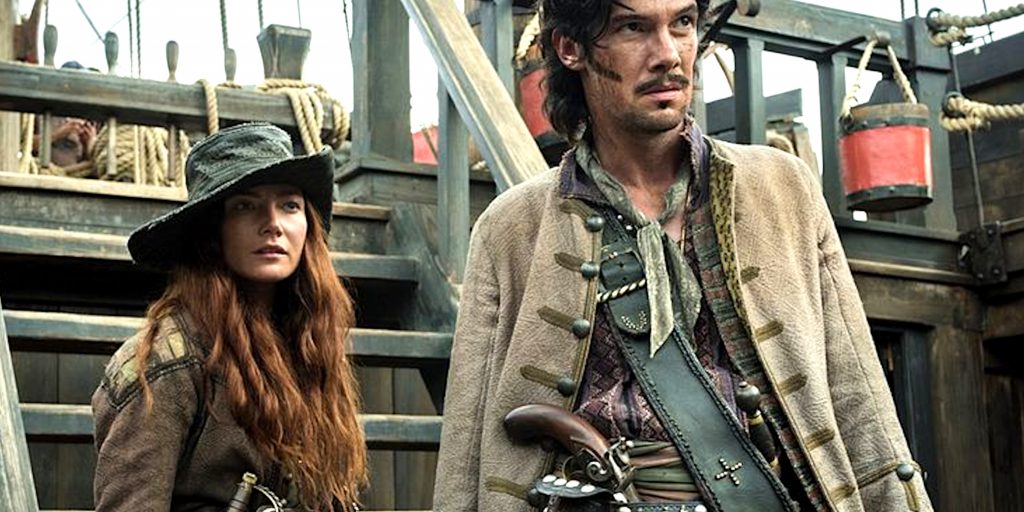
Anne Bonny became one of the most enduring pirate figures in literature, film, television, and gaming.
She appears in:
- Pirate novels
- Historical documentaries
- Video games
- Television dramas
- Academic studies of piracy and gender
Part of her appeal lies in how unusual her documented role was within eighteenth-century Atlantic piracy.
She was not merely adjacent to pirate history. She was inside it, armed and active.
That distinction matters.
Anne Bonny’s Historical Legacy
Anne Bonny survives because she challenged expectations that eighteenth-century society considered immovable.
Pirate crews were violent criminal enterprises, not democratic utopias, but they existed outside many normal social structures of the period. That made them oddly flexible in certain ways.
Anne and Mary Read became symbols precisely because they broke conventions that contemporaries believed natural and permanent.
Even now, historians continue debating where reality ends and mythology begins.
That uncertainty is part of the fascination.
Pirates themselves carefully cultivated fear and legend. Exaggeration was useful. Terrified merchant crews surrendered faster.
Still, beneath the mythology stands a real historical figure: an Irish-born woman who crossed the Atlantic, entered the pirate underworld, fought aboard armed vessels, survived capture, and then vanished from the historical record before the hangman could claim her.
History rarely offers endings that neat.
Sometimes the most dangerous people simply walk off the page.se she commanded a fleet or left behind vast wealth, but because she refused to be forgotten.