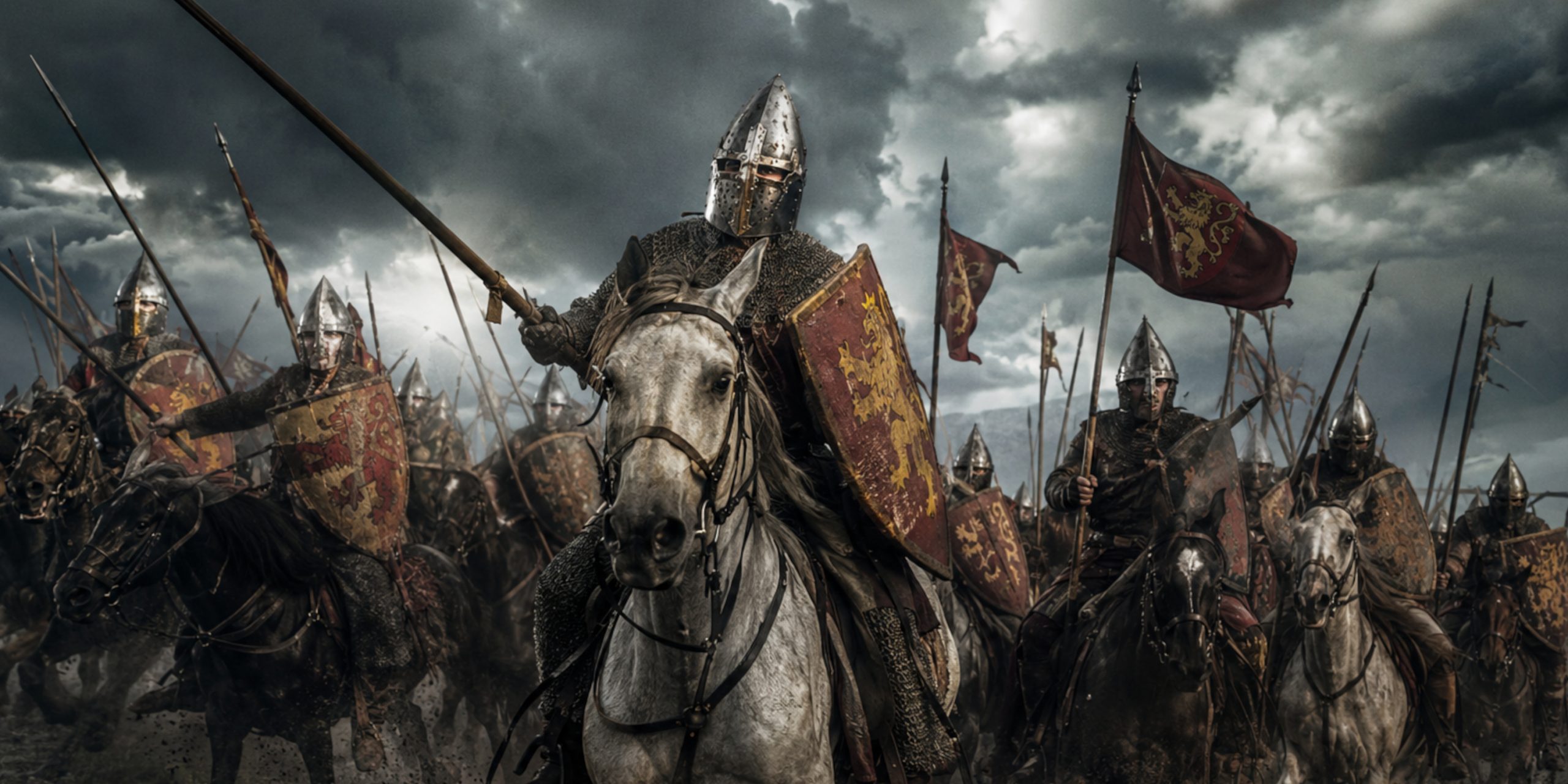
The Norman cavalryman has become one of the defining military figures of the Middle Ages. Conical helmet, kite shield, mail hauberk, lance tucked beneath the arm, horse charging through dust and panic. It is an image so familiar that it risks becoming myth. Yet behind the embroidered glory of the Bayeux Tapestry stood real men, real horses, and a style of warfare that genuinely altered the balance of power across Europe and the Mediterranean.
The Normans were not inventors of cavalry warfare from thin air. Medieval warfare rarely works like that, despite what Hollywood occasionally insists while throwing men into battle dressed like leather sofa samples. What the Normans did possess was an unusually effective blend of aggression, discipline, organisation, and opportunism. They adapted Frankish cavalry traditions, refined them, and then unleashed them from England to Sicily with alarming efficiency.
By the 11th century, a Norman mounted charge could break infantry formations, terrify levies, and decide kingdoms.
Who Were the Normans?
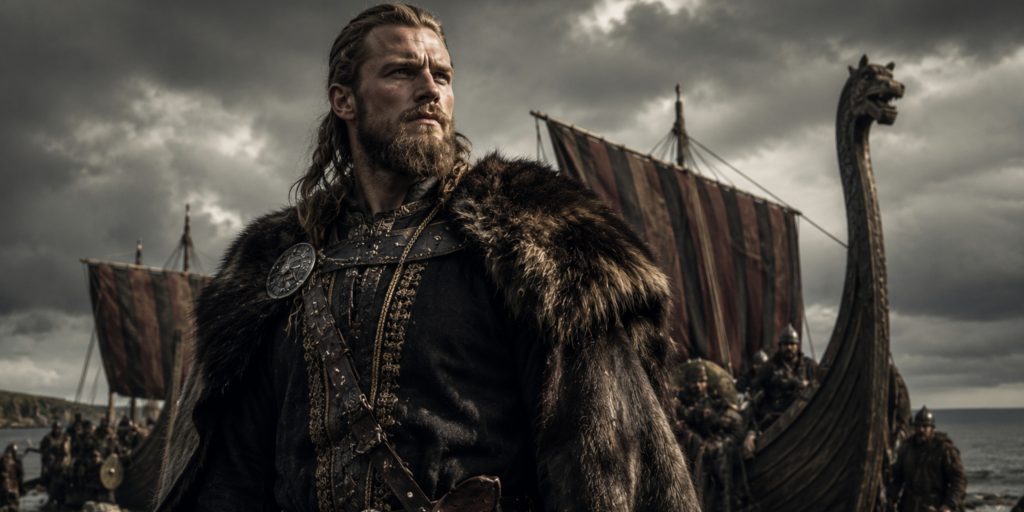
The Normans originated from Scandinavian settlers who established themselves in northern France during the 10th century. Their homeland became known as Normandy, literally the “land of the Northmen”. Over generations they adopted the French language, Christianity, and Frankish military customs, though traces of their Viking ancestry lingered in their appetite for conquest and family feuding.
By the 11th century the Normans had become one of the most expansionist warrior elites in Europe.
Their cavalry forces appeared in:
- Northern France
- England
- Southern Italy
- Sicily
- The Byzantine frontier
- The Crusader states
Norman knights fought Muslims, Anglo-Saxons, Byzantines, Lombards, Bretons, Scots, and often each other. Medieval chroniclers occasionally describe them with admiration and exhaustion in equal measure.
Why Norman Cavalry Became So Effective
Several factors gave Norman cavalry its formidable reputation.
Feudal Structure
Norman society revolved around landholding and military obligation. Lords granted land in exchange for mounted service. This created a warrior aristocracy trained from youth for combat.
Horse Breeding and Equipment
Warhorses became increasingly valuable. A mounted knight was an expensive military investment requiring armour, weapons, retainers, and trained horses.
Tactical Flexibility
Norman cavalry was not merely a blunt instrument. At Hastings and elsewhere they combined:
- Mounted charges
- Feigned retreats
- Missile support
- Coordinated infantry action
This adaptability often distinguished them from less organised opponents.
Ruthless Leadership
Norman commanders were frequently experienced campaigners with little patience for hesitation. Men like William the Conqueror and Robert Guiscard understood battlefield morale exceptionally well. They knew when to press an advantage and when to exploit fear.
Arms and Armour
The appearance of Norman cavalry is preserved most famously in the <span>Bayeux Tapestry</span>, though archaeology and manuscript evidence add further detail.
Armour of the Norman Knight
Mail Hauberk
The classic Norman knight wore a knee-length mail hauberk constructed from interlinked iron rings. This offered substantial protection against slashing attacks while remaining flexible enough for mounted combat.
By the late 11th century some hauberks included:
- Long sleeves
- Integrated mittens
- Split skirts for riding
Mail was labour-intensive and expensive. A well-made hauberk represented serious wealth.
Helmets
The typical Norman helmet was the conical nasal helm.
Features included:
- Iron construction
- Nasal guard protecting the face
- Simple but effective design
- Excellent visibility compared to later enclosed helms
Some helmets likely retained Scandinavian influences in shape and decoration.
Shields
The iconic kite shield became closely associated with Norman cavalry.
Advantages included:
- Protection for the rider’s leg while mounted
- Broad defensive coverage
- Useful against arrows and spears
Shields were often brightly painted with heraldic or geometric designs, though full heraldry was still developing.
Weapons Used by Norman Cavalry
The Lance
The lance became the defining weapon of Norman mounted warfare.
Early Norman cavalry likely used overarm and underarm techniques. By the late 11th century the couched lance charge was becoming increasingly important, allowing riders to transfer the horse’s momentum directly into impact.
A disciplined cavalry charge could shatter poorly prepared infantry.
At least in theory.
In practice, medieval charges were chaotic, loud, and deeply dangerous for everyone involved, including the horse attempting to avoid a wall of sharpened sticks.
Sword Types Used
Norman cavalry commonly carried swords derived from earlier Carolingian traditions.
Carolingian Sword
The most recognisable Norman sword type.
Characteristics:
- Straight double-edged blade
- Broad fuller
- One-handed grip
- Wheel or brazil-nut pommel
These swords balanced cutting and thrusting capability.
Early Arming Sword
By the 12th century swords gradually evolved toward the classic medieval arming sword associated with knightly warfare.
Features included:
- Improved point control
- Better balance for mounted combat
- Strong cruciform hilt
Spears and Javelins
Some cavalry carried lighter throwing spears or javelins, especially during skirmishing phases.
Maces and Axes
Blunt-force weapons gained popularity against increasingly effective armour.
Norman cavalrymen occasionally used:
- Iron maces
- Hand axes
- War hammers in later periods
Horses and Cavalry Culture
Norman warfare depended heavily upon horses.
Warhorses were carefully bred, trained, and maintained. Contrary to popular imagination, most medieval destriers were not gigantic beasts resembling modern draft horses. They were powerful but relatively agile animals suited to shock combat and manoeuvre.
Knighthood itself became deeply tied to horsemanship. Noble boys trained from childhood in riding, hunting, weapon handling, and mounted combat.
A mounted knight represented status as much as military utility. The horse was both weapon and social symbol.
Battlefield Tactics
The Charge
The classic Norman cavalry tactic involved coordinated mounted charges intended to disrupt enemy formations.
Timing mattered enormously.
A charge delivered too early could collapse into disorder. Too late, and the enemy might stabilise. Medieval commanders constantly wrestled with morale, terrain, and visibility.
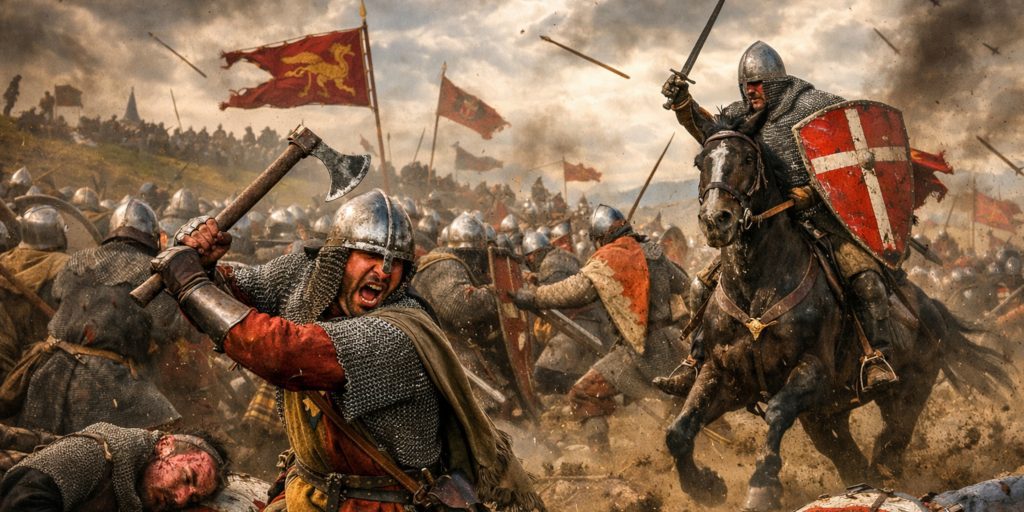
At Hastings in 1066, Norman cavalry repeatedly attacked Anglo-Saxon shield walls. Initial assaults struggled, but sustained pressure, missile support, and eventual breaches gradually weakened English resistance.
Feigned Retreats
Norman forces became famous for tactical withdrawals.
Whether always intentional remains debated. Medieval chroniclers often loved clever battlefield tricks almost as much as monks loved complaining about taxation.
Still, feigned retreats clearly occurred in some engagements. Cavalry would withdraw, lure pursuing infantry into disorder, then wheel around and counterattack.
Against inexperienced troops this could be devastating.
Combined Arms Warfare
Norman armies were rarely pure cavalry forces.
Successful Norman commanders integrated:
- Infantry
- Archers
- Crossbowmen
- Mounted knights
This coordination gave them a considerable edge over opponents relying too heavily on one style of warfare.
Famous Battles Involving Norman Cavalry
Battle of Hastings (1066)
The defining Norman victory.
William of Normandy invaded England and defeated King Harold Godwinson near Hastings. Norman cavalry played a decisive role, though the battle was far from a simple mounted triumph.
The English shield wall initially held firm. Repeated Norman assaults eventually wore it down.
The battle reshaped England permanently.
Battle of Civitate (1053)
Norman cavalry defeated a papal coalition in southern Italy.
The victory shocked contemporaries and demonstrated the growing military power of Norman adventurers in the Mediterranean.
Battle of Dyrrachium (1081)
Robert Guiscard’s Norman cavalry fought Byzantine forces during the invasion of the Balkans.
The battle showed both the strengths and limitations of Norman heavy cavalry against disciplined imperial armies.
Norman Cavalry in the Crusades
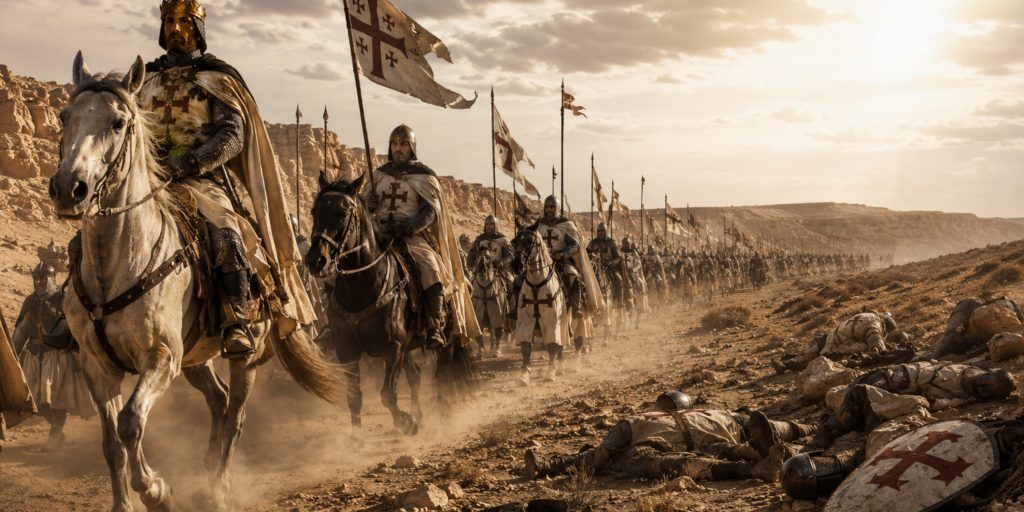
Norman descendants and related knightly traditions participated heavily in the Crusades.
Their mounted tactics influenced the emerging military culture of the Crusader states.
Frankish heavy cavalry charges became one of the most feared battlefield manoeuvres in the eastern Mediterranean.
Though, admittedly, charging repeatedly into the Levantine heat while wrapped in mail was not ideal long-term career planning.
Archaeology and Material Evidence
Archaeology has revealed substantial evidence for Norman cavalry equipment and military life.
The Bayeux Tapestry
The single most valuable visual source for Norman cavalry.
Created in the 11th century, it depicts:
- Mounted knights
- Kite shields
- Helmets
- Horses
- Lances
- Sword types
- Battle formations
While stylised, it remains remarkably informative.
Weapon Finds
Archaeological excavations across Normandy, England, and Italy have uncovered:
- Carolingian swords
- Lance heads
- Spurs
- Mail fragments
- Horse fittings
These finds support written accounts of heavily equipped mounted warriors.
Spurs
Spurs are particularly associated with knightly identity.
Gilded examples found in aristocratic burials suggest cavalry status carried immense prestige.
Castle Archaeology
Norman cavalry warfare depended on fortifications.
Excavations at motte-and-bailey castles reveal how rapidly Norman military infrastructure spread after conquest.
These castles acted as:
- Cavalry bases
- Supply centres
- Symbols of domination
- Administrative hubs
The Normans built castles with astonishing enthusiasm. If they paused long enough to admire the scenery, they usually built a fortress on it.
Contemporary Quotes
William of Poitiers, describing the Norman charge at Hastings:
“The knights rode boldly among the enemy, striking down all before them.”
Orderic Vitalis wrote of Norman warriors:
“They were fierce in battle and eager for glory.”
Anna Komnene, describing Norman forces in Byzantine territories:
“Their assault was irresistible and their charge terrible to behold.”
These accounts naturally contain exaggeration. Medieval chroniclers were not neutral observers. Many wrote with political or religious agendas. Still, the repeated emphasis on Norman cavalry shock tactics appears consistent across sources.
Weaknesses of Norman Cavalry
Norman cavalry was formidable, but hardly invincible.
Weaknesses included:
- Vulnerability to disciplined spear formations
- Difficulty operating in rough terrain
- Heavy logistical demands
- Reliance on horse quality and cohesion
Battles throughout the Middle Ages repeatedly showed that unsupported cavalry could fail catastrophically.
A charging knight looked magnificent until his horse tripped in mud and transformed him into an extremely expensive metal turtle.
Legacy of Norman Cavalry
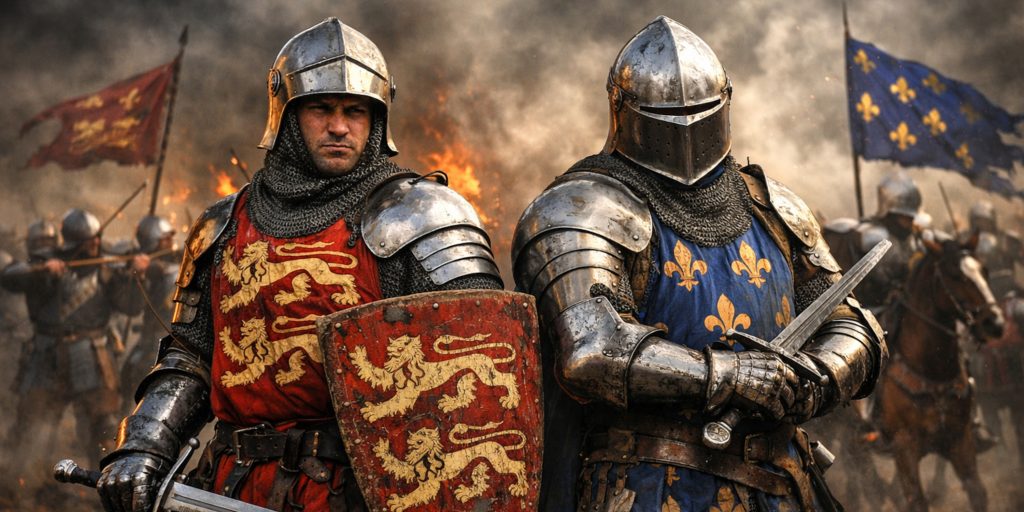
The Norman cavalry tradition helped shape medieval knighthood across Europe.
Its influence can be seen in:
- Feudal military systems
- Castle warfare
- Chivalric culture
- Mounted combat doctrine
- Crusader warfare
The image of the armoured mounted knight became one of the defining military symbols of medieval Europe.
Norman success also accelerated broader changes in warfare, particularly the growing dominance of heavily armoured cavalry elites during the High Middle Ages.
Yet their victories were never solely about equipment. Organisation, leadership, adaptability, and relentless ambition mattered just as much.
The Normans did not conquer because they possessed magical horses or superior moustaches. Though some moustaches were admittedly impressive. They succeeded because they combined military skill with political ruthlessness and an unusual ability to exploit fractured societies.
That combination changed medieval history.