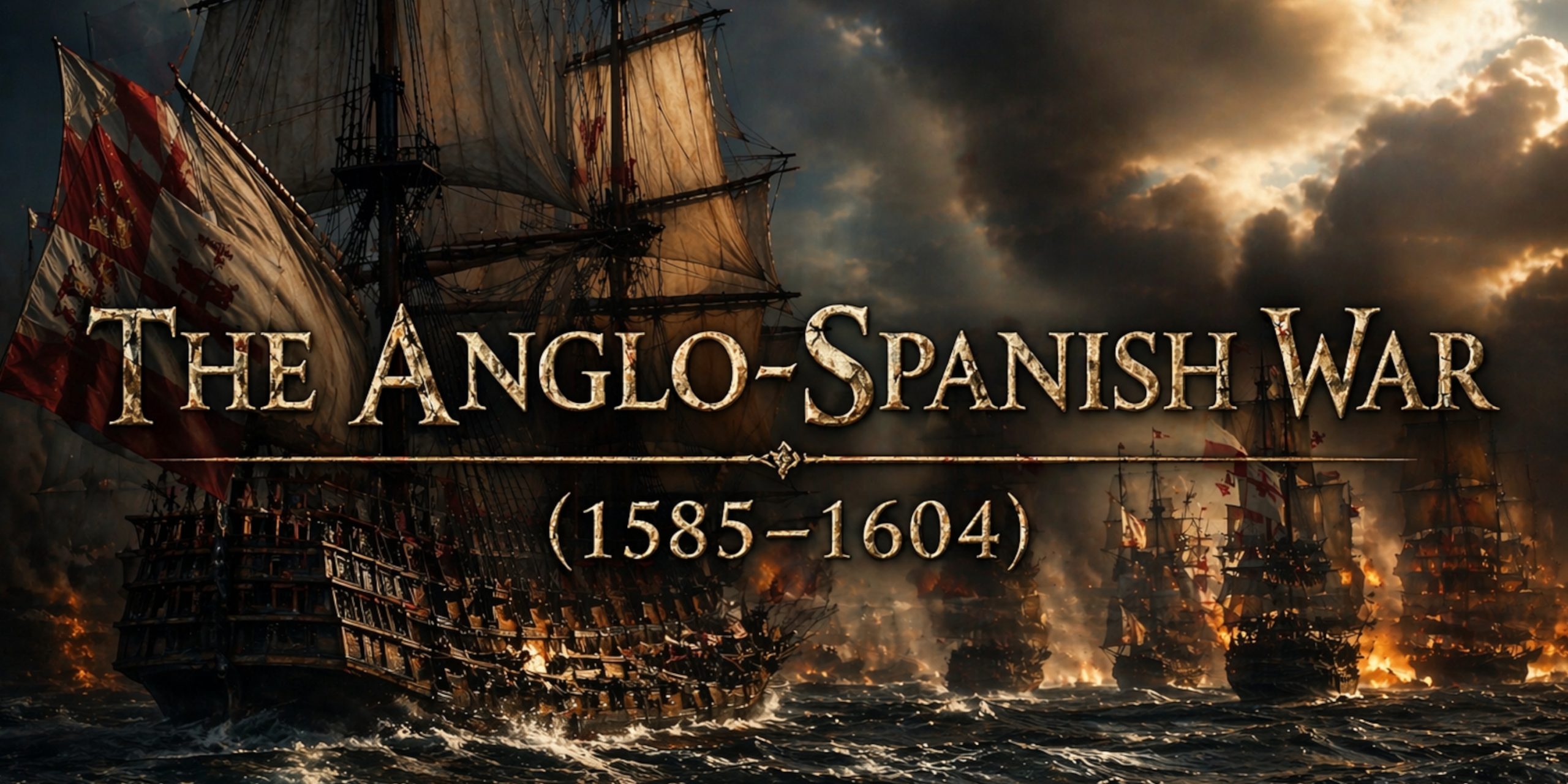
The Anglo-Spanish War of 1585 to 1604 is often remembered as the story of the Spanish Armada and little else. That is a shame, because the Armada was only one chapter in a long, bitter and expensive conflict fought across the Atlantic, the English Channel, Ireland, the Low Countries and the Caribbean.
For nearly twenty years, England and Spain battered one another with raids, sieges, privateering expeditions and failed invasions. There were moments of triumph, moments of catastrophe, and rather a lot of men discovering that enthusiasm is no substitute for planning. The war left both kingdoms financially strained and physically exhausted. It also helped turn England into a serious naval power while exposing the limits of Spanish imperial strength.
Why the War Began
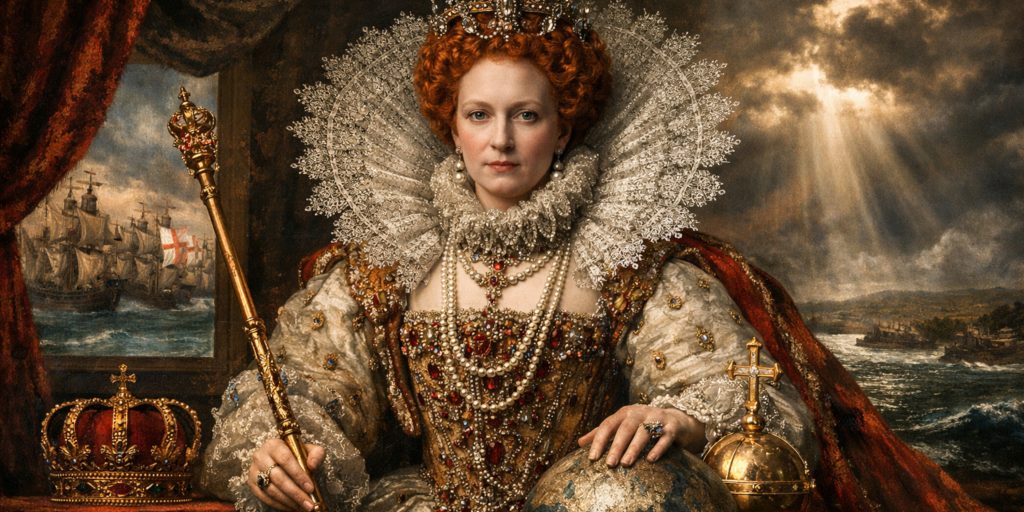
The roots of the war stretched back well before 1585. England under Elizabeth I had become increasingly Protestant, while Spain under Philip II saw itself as the great defender of Catholic Europe. Religion mattered, but politics and money mattered just as much.
England supported the Dutch Revolt against Spanish rule in the Low Countries. English privateers, men such as Francis Drake and John Hawkins, attacked Spanish treasure fleets and colonies with almost cheerful regularity. Philip II, meanwhile, supported Catholic plots against Elizabeth.
The immediate trigger came in 1585 when Elizabeth openly intervened in the Netherlands through the Treaty of Nonsuch. English troops were sent to aid the Dutch rebels. Philip regarded this as open war.
By that point, relations had become impossible to repair. Spain believed England was encouraging piracy and rebellion. England believed Spain intended to overthrow Elizabeth and return the country to Catholicism, probably at sword-point.
The Main Causes of the Conflict
- Religious tension between Protestant England and Catholic Spain
- English support for the Dutch Revolt
- English privateering against Spanish shipping
- Spanish backing for Catholic conspiracies against Elizabeth I
- Rivalry for influence in the Atlantic and the New World
None of these issues disappeared during the war. In fact, they became steadily worse.
England and Spain at the Start of the War
In 1585 Spain appeared vastly stronger. Philip II ruled a huge empire stretching from Iberia to the Americas, Italy and the Low Countries. Spain possessed experienced armies, enormous resources and the most feared infantry in Europe.
England looked weaker. Elizabeth had a smaller population, fewer soldiers and far less money. Yet England had advantages of its own. The Royal Navy was becoming more effective, English ship design was improving, and private captains had a habit of turning warfare into a profitable business venture.
Spanish strength lay in disciplined armies and imperial wealth. English strength lay in mobility, naval aggression and a willingness to improvise. Sometimes that improvisation produced victory. Sometimes it produced disasters dressed up as bold ideas.
Major Battles and Campaigns
The English Intervention in the Netherlands, 1585–1587
The first stage of the war was fought in the Low Countries. English troops under the Earl of Leicester attempted to support the Dutch rebels.
The campaign went badly. Leicester was brave and politically well-connected, which is not quite the same thing as being a capable commander. English troops struggled with poor supply, confusion and arguments with their Dutch allies.
The most notorious setback came at the Battle of Zutphen in 1586. English and Dutch forces failed to stop a Spanish convoy. The battle is remembered chiefly because Sir Philip Sidney was mortally wounded. His death turned him into something close to a Protestant martyr.
Despite early failures, the English presence helped prevent complete Spanish control of the Netherlands.
Drake’s Raid on Cadiz, 1587
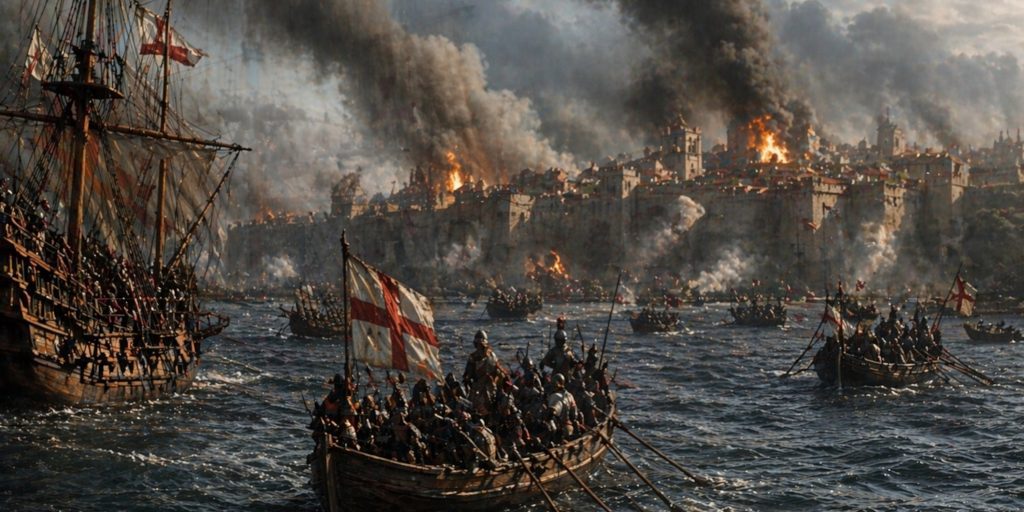
In 1587 Francis Drake launched a daring attack on Cadiz. He destroyed or captured dozens of Spanish ships and supplies.
Drake later joked that he had “singed the King of Spain’s beard”. It was exactly the sort of line that sounds splendid in a history book and deeply irritating if you happen to be Philip II.
The raid delayed Spanish invasion plans by at least a year and proved that England could strike directly at Spain.
The Spanish Armada, 1588
The most famous campaign of the war came in 1588 when Philip II sent the Spanish Armada to invade England.
The plan was ambitious. The Armada would sail through the Channel, link up with the Duke of Parma’s army in the Netherlands, and escort the invasion force into England.
It did not happen.
The English fleet harassed the Armada as it sailed up the Channel. English ships were generally faster and easier to manoeuvre. At Gravelines, English fireships broke the Spanish formation. The following battle damaged the Armada badly.
Bad weather then finished the work. The Spanish fleet was forced to sail around Scotland and Ireland, where many ships were wrecked.
Key Results of the Armada Campaign
- Spain failed to invade England
- Roughly half the Armada was lost
- English morale soared
- Philip II began planning further campaigns rather than giving up
The defeat of the Armada was not the end of the war, despite what generations of school textbooks rather lazily implied.
The English Armada, 1589
The year after the Spanish Armada, England attempted its own great expedition against Spain and Portugal.
This campaign, sometimes called the English Armada, was intended to destroy the remaining Spanish fleet, capture Lisbon and encourage a Portuguese uprising against Philip II.
Instead it collapsed into confusion, disease and failure.
English forces under Drake and Norris achieved little and lost thousands of men. The expedition was one of England’s worst military disasters of the sixteenth century. It also receives far less attention than 1588, perhaps because triumph is easier to commemorate than embarrassment.
Naval Warfare in the Atlantic and Caribbean
Throughout the 1590s the war spread across the Atlantic.
English privateers attacked Spanish treasure fleets and colonies. Drake and Hawkins launched expeditions into the Caribbean. The Spanish responded with increasing efficiency.
The 1595 expedition against Puerto Rico failed. In 1596 Drake and Hawkins attacked Panama, but the campaign ended disastrously. Hawkins died at sea and Drake soon followed.
Spanish forces also struck back against England.
The Spanish Raid on Cornwall, 1595
In 1595 a Spanish force landed in Cornwall and burned several villages near Penzance.
The raid caused alarm because it showed that Spanish ships could still reach the English coast. Fortunately for England, the attack was small. Had it been larger, the reaction might have been rather more dramatic than a few anxious letters and a great deal of shouting.
The Capture of Cadiz, 1596
One of England’s greatest successes came in 1596 when an Anglo-Dutch fleet captured Cadiz.
The city was stormed and much of the Spanish fleet in harbour was destroyed. The victory damaged Spanish prestige and hurt its finances.
Yet England again failed to hold the city or force Spain out of the war.
The Irish Campaign and the Battle of Kinsale, 1601–1602
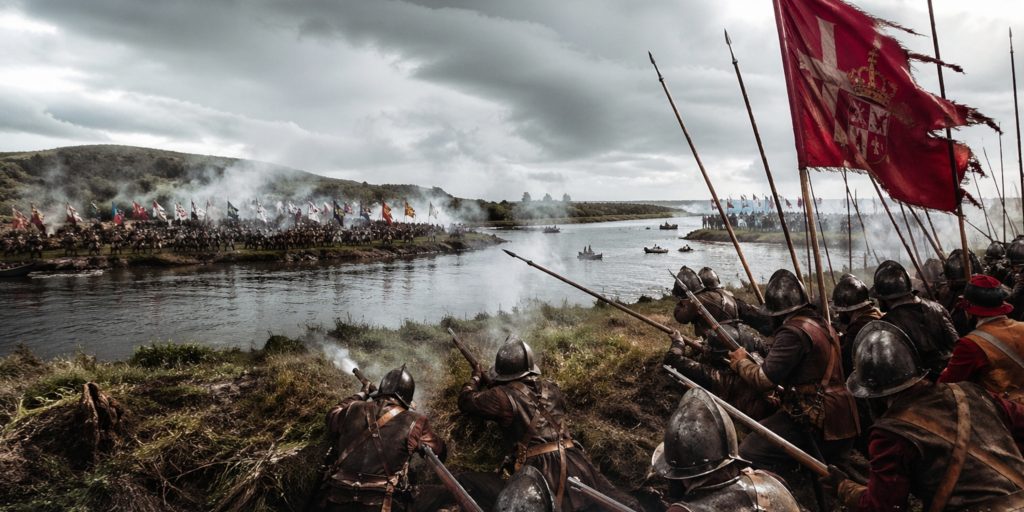
The final major phase of the war took place in Ireland.
Spanish troops landed at Kinsale in support of the Irish rebellion led by Hugh O’Neill and Hugh Roe O’Donnell. Spain hoped that Ireland would become a base for future attacks on England.
The result was the Battle of Kinsale in 1601.
English forces under Charles Blount and George Carew defeated the combined Irish and Spanish army. The defeat effectively ended Spanish hopes in Ireland.
Kinsale was one of the decisive battles of the war. It ensured English control of Ireland and removed the last realistic chance of a Spanish-backed invasion.
Important Battles and Campaigns at a Glance
| Year | Event | Result |
|---|---|---|
| 1586 | Battle of Zutphen | Spanish tactical success |
| 1587 | Drake’s raid on Cadiz | English victory |
| 1588 | Spanish Armada and Gravelines | English victory |
| 1589 | English Armada | Spanish victory |
| 1595 | Spanish raid on Cornwall | Spanish success |
| 1596 | Capture of Cadiz | English victory |
| 1601 | Battle of Kinsale | English victory |
Weapons, Ships and Warfare
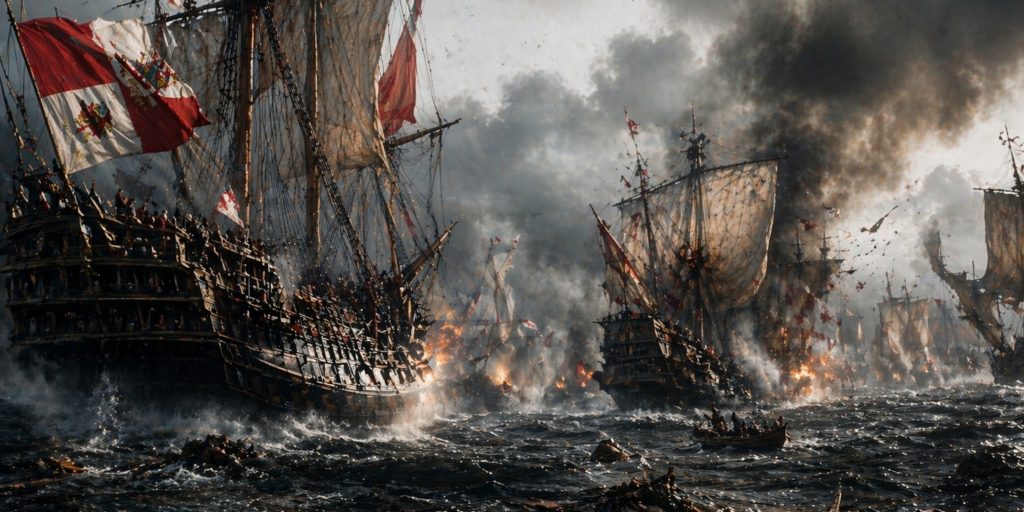
The war saw important changes in how battles were fought.
At sea, the English increasingly relied on lighter, faster ships armed with long-range cannon. These vessels could attack from a distance and avoid boarding actions.
Spanish ships were larger and more heavily built. They often carried soldiers intended for boarding and close combat.
On land, armies still relied on pike and shot formations.
Common Weapons Used During the War
- Matchlock muskets
- Pikes up to sixteen feet long
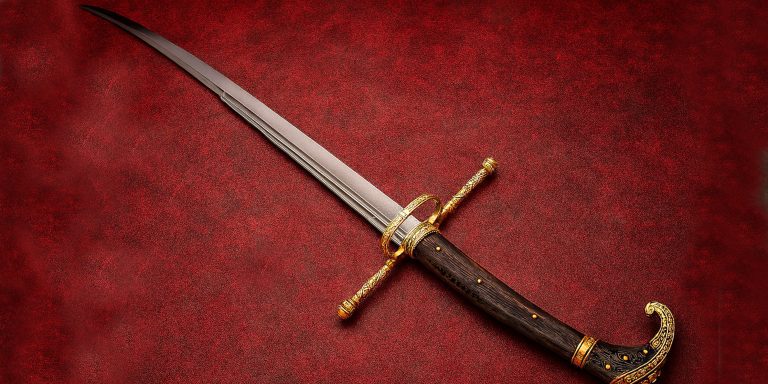
- Swords such as the rapier and military cut-and-thrust swords
- Cannon and culverins
- Arquebuses
English sailors often preferred repeated cannon fire, while Spanish commanders still favoured closing with the enemy and boarding. The Armada campaign exposed the weaknesses of that approach against a fast-moving opponent.
Contemporary Quotes
Several comments from the war have become famous.
Elizabeth I’s speech to the troops at Tilbury in 1588 remains one of the best known:
“I know I have the body of a weak and feeble woman, but I have the heart and stomach of a king, and of a king of England too.”
Francis Drake’s remark after Cadiz in 1587 captured his confidence perfectly:
“I have singed the King of Spain’s beard.”
Philip II, after the Armada failed, reportedly observed:
“I sent my ships to fight against the English, not against the winds and waves.”
That may sound dignified, though it also suggests that even emperors occasionally discover that the weather has very little respect for royal plans.
Archaeology and What We Have Found
Archaeology has transformed our understanding of the war.
Along the coasts of Ireland and Scotland, divers have found wrecks from the Spanish Armada. Cannons, anchors, personal belongings and even fragments of ship timbers have been recovered.
The wreck of La Girona off the coast of Antrim produced one of the richest collections of Armada artefacts ever discovered. Gold jewellery, cannon and personal possessions reveal both the wealth and desperation of the men aboard.
Excavations at Tilbury have uncovered traces of the English camp where Elizabeth addressed her troops.
At Kinsale, archaeologists have identified battlefields, fortifications and musket balls linked to the campaign. These finds help historians reconstruct the positions of English, Irish and Spanish forces.
Cadiz and other Spanish ports have also yielded remains of ships destroyed during English raids.
Important Archaeological Discoveries
- Armada shipwrecks off Ireland and Scotland
- Artefacts from La Girona
- Remains of Tilbury camp defences
- Battlefield evidence from Kinsale
- Naval remains from Cadiz harbour
The archaeology reminds us that the war was not a neat contest between two flags on a map. It was a brutal, physical struggle experienced by thousands of ordinary people who often ended up hungry, wet, ill and very far from home.
Why the War Finally Ended
By the early seventeenth century both kingdoms were exhausted.
Spain had spent vast sums on repeated campaigns. England had done much the same. Neither side had achieved everything it wanted.
Elizabeth I died in 1603 and was succeeded by James I. Unlike Elizabeth, James preferred peace.
In 1604 England and Spain signed the Treaty of London.
The treaty ended the war. England agreed to stop supporting the Dutch rebels directly and to restrain privateering. Spain accepted that it could not overthrow the English monarchy.
The war ended not because one side won completely, but because both sides were tired, short of money and increasingly aware that twenty years of conflict had produced very little except debt and funerals.
The Legacy of the Anglo-Spanish War
The war changed both England and Spain.
For England, the conflict strengthened the Royal Navy and encouraged overseas expansion. English confidence grew, especially after the Armada.
For Spain, the war exposed the difficulties of maintaining a vast empire. Spain remained powerful, but the image of invincibility had been damaged.
The war also shaped the future of Ireland, the Netherlands and the Atlantic world.
Most importantly, it marked the beginning of a new age in which naval power would become increasingly important. England did not immediately replace Spain as the leading power in Europe, but the direction of travel had become clear.
Historians sometimes search for a single turning point in the conflict. There probably was not one. The Anglo-Spanish War was a long contest of endurance. England survived, Spain endured, and both kingdoms emerged somewhat poorer and rather more cynical than when they began.
That, in its own way, may be the most accurate summary of sixteenth-century warfare imaginable.