There is something inherently funny about a TV series trying to make medieval monks look cool. Not impossible, just difficult. These were men who took vows of poverty and then somehow ended up operating Europe’s closest thing to a medieval banking empire while charging into battle dressed like holy refrigerators.
Yet Knightfall absolutely commits to the bit.
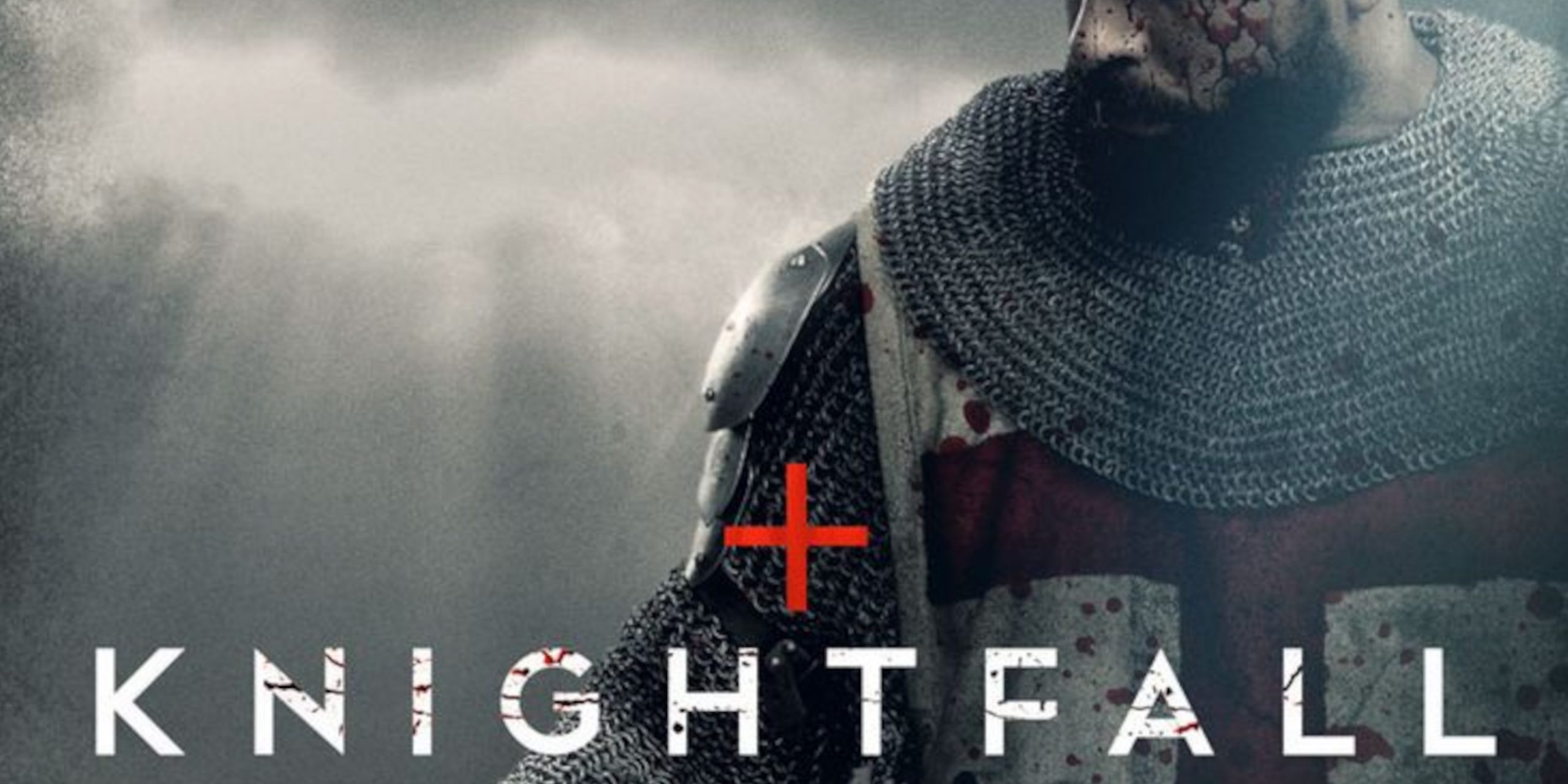
Released by the History Channel in 2017, the series attempts to blend crusader politics, gritty warfare, secret conspiracies, and soap-opera-level betrayals into one big medieval spectacle. Sometimes it works brilliantly. Sometimes it looks like somebody played too much Assassin’s Creed before entering the writers’ room. But either way, it is rarely boring.
And honestly, that counts for a lot.
What Is Knightfall About?
Knightfall follows Landry du Lauzon, a fictional Knights Templar leader living in Paris during the final years of the order.
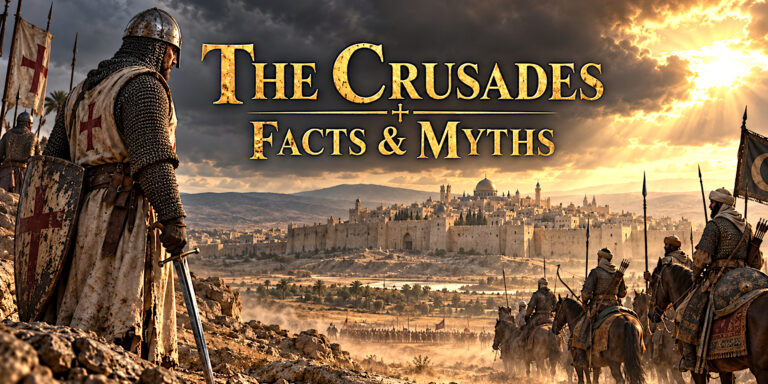
The series opens after the disastrous fall of Acre in 1291, one of the defining moments of the Crusades. The Holy Land is gone. The Templars are struggling to maintain influence. Europe’s kings are circling like vultures around a treasury they very much want access to.
Meanwhile, Landry becomes obsessed with finding the Holy Grail because medieval television producers apparently cannot resist the phrase “Holy Grail.”
Still, beneath the conspiracies and relic hunting sits a surprisingly compelling political drama about the collapse of one of history’s most fascinating military orders.
The Best Thing About Knightfall, The Atmosphere
This show absolutely understands mood.
Paris feels muddy, paranoid, overcrowded, and dangerous. Castles look cold rather than glamorous. Churches feel oppressive instead of comforting. Even the lighting often resembles a world permanently stuck beneath storm clouds and candle smoke.
It helps enormously that the production leans into grounded medieval textures instead of fantasy excess. Armour looks battered. Streets look filthy. Swords feel heavy.
There is a tactile quality to Knightfall that many historical dramas miss entirely.
At times it genuinely resembles a moving medieval painting that somebody spilled blood onto.
The Action Scenes Are Better Than Expected
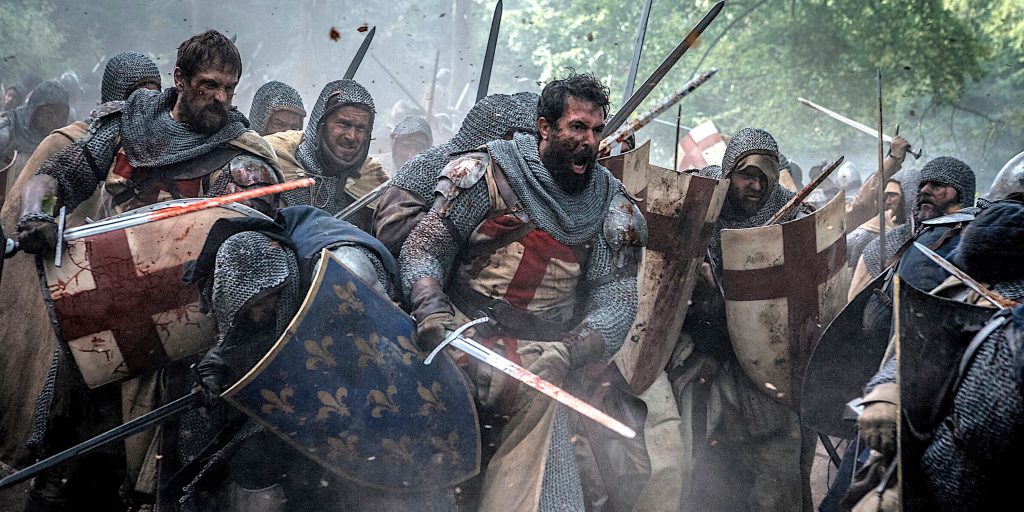
The fight choreography deserves more credit than the series usually receives.
Templar combat in Knightfall often feels chaotic and desperate rather than elegant. Swords clash awkwardly. Shields splinter. Men panic. Horses crash through formations like runaway tanks.
The series also avoids one of the worst modern historical drama habits, everyone fighting like a superhero with dual daggers and infinite stamina.
Instead, combat feels weighty.
Fans of medieval weapons will spot arming swords, kite shields, maces, spears, and heavy cavalry tactics throughout the series. The armour itself evolves nicely between ceremonial scenes and battlefield conditions.
Some battles are genuinely excellent television. The siege sequences especially carry real intensity.
You occasionally get moments where a knight removes his helmet mid-fight because television actors apparently require oxygen and facial visibility at all times, but we can forgive a little theatrical vanity.
Barely.
Landry Is A Messy Main Character, Which Actually Helps
Landry, played by Tom Cullen, is not a perfect hero.
That is probably why the character works.
He spends much of the series making questionable decisions, violating vows, creating political disasters, and generally behaving like a man trying to juggle religion, warfare, guilt, and emotional instability with very mixed success.
Which, to be fair, sounds exhausting.
Cullen gives Landry enough vulnerability to stop him becoming insufferable. There is always a sense that the character is trapped between genuine faith and overwhelming human weakness.
That tension carries much of the show.
Mark Hamill Quietly Steals Season 2
Season 2 receives a major boost from Mark Hamill as Talus, a brutal Templar training master.
Yes, Star Wars fans, Luke Skywalker turns up to psychologically destroy trainee crusaders.
And somehow it works brilliantly.
Hamill brings genuine gravitas to the role. Talus feels dangerous, disciplined, and emotionally scarred by decades of warfare. He also injects some badly needed intensity into the later episodes.
His arrival noticeably sharpens the series.
Without him, Season 2 probably collapses under its own melodrama.
How Historically Accurate Is Knightfall?
This is where things become complicated.
If you watch Knightfall expecting a documentary-level recreation of the Knights Templar, you are going to have a rough time.
The show takes enormous liberties with chronology, personalities, events, and politics. Real historical figures are heavily fictionalised. Timelines are compressed. Entire subplots are invented outright.
But oddly enough, the series still captures something emotionally true about the era.
The paranoia surrounding the Templars feels authentic. The growing power of the French crown feels believable. The sense of a medieval world entering transition also lands surprisingly well.
King Philip IV especially comes across as cold, calculating, and terrifyingly patient, which aligns reasonably well with historical reputation.
The series understands the central tragedy of the Templars even when it bends the facts around it.
That matters more than perfect historical detail.
The Show Sometimes Feels Like Medieval Soap Opera
Let us be honest.
There are moments where Knightfall fully embraces melodrama.
Secret affairs. Hidden children. Forbidden romances. Political betrayals every eleven minutes.
At times Paris feels less like medieval France and more like the world’s most violent monastery dating simulator.
Some viewers will love this energy. Others may find it ridiculous.
Personally, I think the chaos becomes part of the charm.
The show knows exactly what kind of entertainment it wants to be. It is not trying to become an academic lecture about medieval taxation systems. It wants conspiracies, battles, betrayal, tortured knights, and morally questionable monarchs.
And thankfully, it commits completely.
The Knights Templar Have Rarely Looked This Interesting
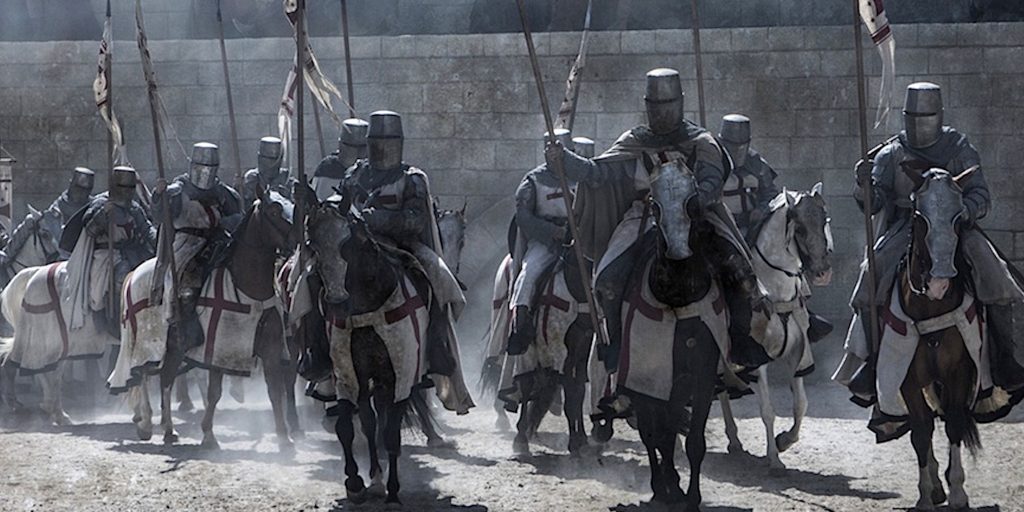
One thing Knightfall undeniably achieves is making audiences curious about the real Knights Templar.
The order itself remains endlessly fascinating because reality already sounds fictional.
Warrior monks. Vast wealth. Secretive rituals. International influence. Sudden destruction orchestrated by the French crown.
You barely need to exaggerate the source material.
The series occasionally slips into conspiracy territory that borders on fantasy, but it still captures the strange mystique surrounding the Templars better than many larger productions.
After watching, most people immediately start searching historical articles about Philip IV, the fall of Acre, Jacques de Molay, and the suppression of the order.
That alone makes the series culturally effective.
Does Knightfall Hold Up Today?
Surprisingly, yes.
It never reached the prestige heights of Game of Thrones or the raw emotional power of The Last Kingdom, but Knightfall remains far more entertaining than many people remember.
The pacing moves quickly. The action remains strong. The medieval atmosphere still looks excellent. And the Templar subject matter gives the series a distinct identity.
It also benefits from being relatively short.
There is no ten-season collapse into narrative exhaustion. No endless filler episodes involving people staring at maps for forty minutes.
Just two seasons of crusader conspiracies and increasingly stressed monks with swords.
A respectable arrangement, honestly.
Final Verdict
Knightfall is messy, dramatic, historically loose, and occasionally absurd.
It is also genuinely entertaining.
The series succeeds because it understands the emotional appeal of the medieval world. Faith, violence, ambition, guilt, loyalty, and power all collide constantly beneath torchlight and chainmail.
Is it accurate? Not particularly.
Is it compelling? Absolutely.
If you enjoy crusader history, medieval warfare, Templar mythology, or historical dramas willing to lean into spectacle without becoming total fantasy nonsense, Knightfall is worth your time.
Even if the Holy Grail subplot occasionally feels like it wandered in from another franchise entirely.
Knightfall Review Score
| Category | Score |
|---|---|
| Historical Atmosphere | 8.5/10 |
| Action & Battles | 8/10 |
| Historical Accuracy | 5.5/10 |
| Characters | 7.5/10 |
| Entertainment Value | 8/10 |
| Overall | 7.8/10 |
Where To Watch Knightfall
Knightfall is available on various streaming platforms depending on region, including services that carry History Channel content and historical drama libraries.
Availability changes regularly, which feels appropriately medieval somehow. One moment a kingdom exists, the next it has vanished behind a subscription paywall.