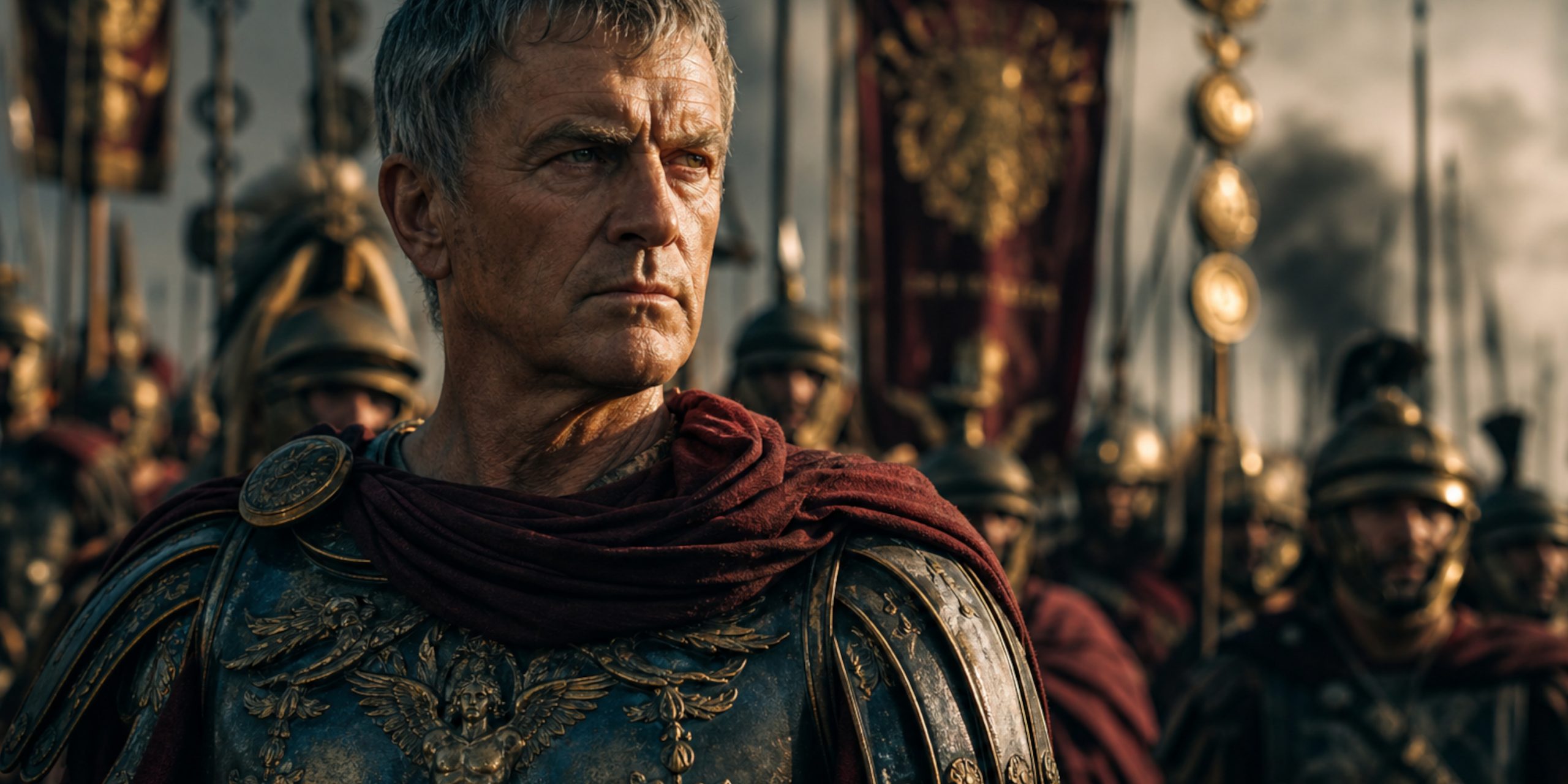
Marcus Licinius Crassus has the awkward distinction of being both one of Rome’s most powerful men and one of its most frustratingly misunderstood. He is often reduced to a single trait, wealth. That is fair, to a point. He was likely the richest man in Roman history. Yet that fortune funded armies, secured influence, and ultimately propelled him into the same political orbit as Julius Caesar and Pompey.
As a historian, I find Crassus less dull than his reputation suggests. He was cautious when it suited him, ruthless when required, and ambitious enough to march east into a war he barely understood. That final decision has coloured everything that came before it.
Early Life and Rise to Power
Crassus was born around 115 BCE into a prominent but not untouchable Roman family. His father and brother died during the civil conflicts involving Marius and Sulla, forcing Crassus into exile in Spain. He returned under the banner of Sulla and began the careful, deliberate work of rebuilding his fortunes.
His wealth came from a mix of property speculation, mining, and a famously opportunistic approach to disaster. Fires in Rome were frequent. Crassus owned private fire brigades who would only intervene once he had negotiated the purchase of the burning property at a reduced price. It sounds almost comic, until one considers how effective it was.
By the 60s BCE, he had secured political dominance alongside Caesar and Pompey in what modern historians call the First Triumvirate.
Arms and Armour
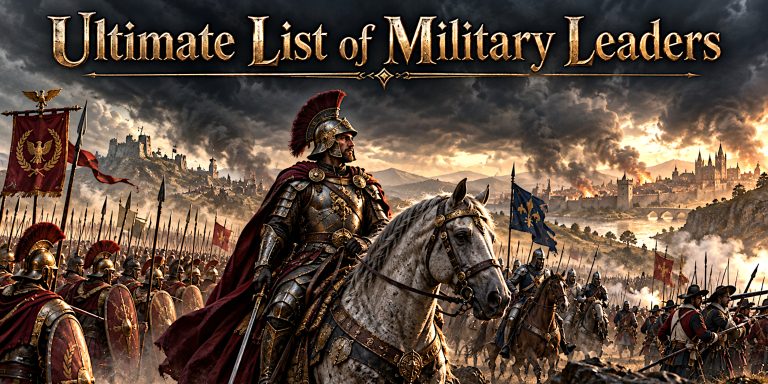
Crassus did not fight as a front line hero in the mould of earlier Republican commanders. Even so, he would have been equipped in a manner befitting a Roman general of high status.
Personal Equipment
- Helmet, typically a decorated bronze or iron galea, often with a crest to denote rank
- Body armour, likely a muscled cuirass or high quality lorica hamata
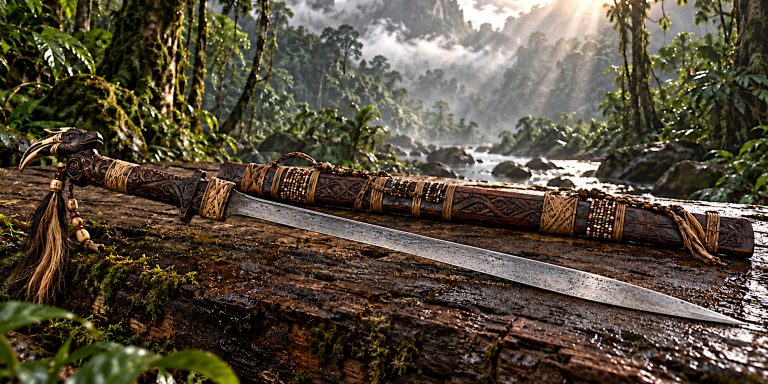
- Sword, a finely crafted gladius, more ceremonial at his level but still functional
- Dagger, a pugio, standard for Roman officers
- Cloak, the paludamentum, marking him as a commanding general
Legionary Equipment Under His Command
- Primary weapon: Gladius Hispaniensis, designed for thrusting in close formation
- Secondary weapon: Pugio
- Missile weapon: Pilum, heavy javelin intended to disrupt enemy lines
- Armour: Lorica hamata predominated, with increasing use of lorica segmentata in later years
- Shield: Scutum, large and rectangular, forming the backbone of Roman infantry tactics
Crassus relied on standard Roman military doctrine, heavy infantry supported by limited cavalry. This would prove disastrously insufficient against Parthian tactics.
Battles and Military Acumen
Crassus was not an incompetent commander, though he was not in the same league as Caesar or Pompey. His record shows a man capable of discipline and recovery, but less adept at adaptation.
The Third Servile War
His most notable success came against Spartacus.
- Crassus was given command after earlier Roman forces failed
- He restored discipline through harsh measures, including decimation
- He avoided reckless engagement, gradually containing the slave army
- Final victory came after a series of engagements that broke Spartacus’ forces
There is a certain grim efficiency here. Crassus understood Roman strengths and used them well. He also understood fear as a tool, sometimes too well.
Political and Military Rivalry
Crassus was overshadowed by Pompey, who returned from Spain and claimed credit for ending the revolt. This rivalry lingered. It is hard not to see Crassus’ later eastern campaign as partly driven by a desire to match or surpass Pompey’s military glory.
The Parthian Campaign and Carrhae
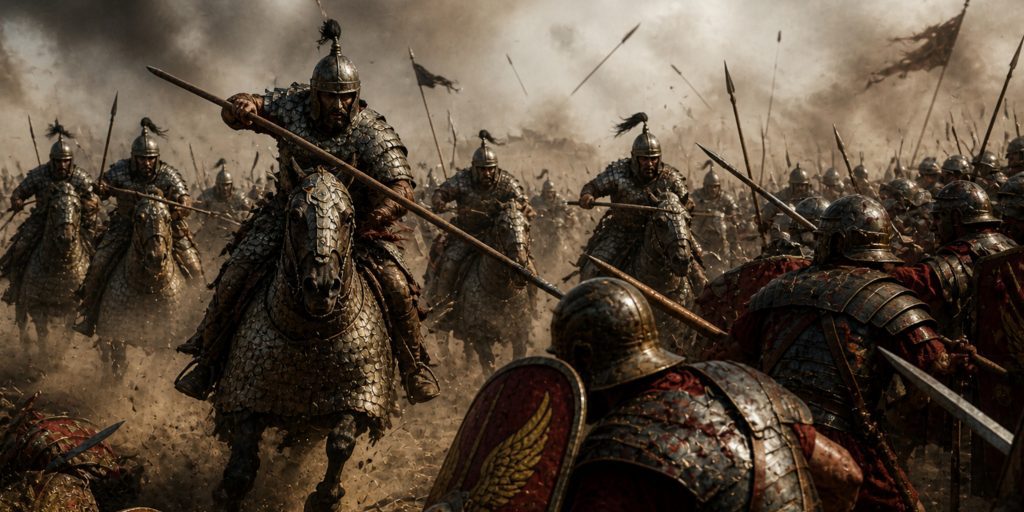
This is where his reputation collapses.
- Crassus invaded Parthian territory in 53 BCE
- He ignored advice to follow a safer, northern route
- His army advanced into open desert terrain
- Parthian forces used mounted archers and cataphracts to devastating effect
Roman infantry formations, so effective in close combat, struggled against mobile cavalry that refused to engage on their terms. The result was catastrophic.
Crassus lost tens of thousands of men. He himself was killed during negotiations that turned violent. His head was reportedly used as a prop in a theatrical performance. Rome had seen defeats before, but Carrhae was humiliating in a way that lingered.
Strengths and Weaknesses as a Commander
Strengths
- Strong organisational ability
- Ruthless discipline when required
- Effective in conventional Roman warfare
- Capable of long term planning and containment
Weaknesses
- Limited adaptability to unfamiliar tactics
- Overconfidence in Roman superiority
- Strategic impatience late in life
- Susceptibility to political rivalry influencing decisions
Crassus was at his best when controlling known variables. Carrhae offered none.
Wealth and Influence
Crassus’ fortune was not just personal indulgence. It was political capital.
- He financed armies and political campaigns
- He supported Caesar during his early career
- He secured influence in the Senate through patronage
Rome ran on money as much as it did on legions. Crassus understood this better than most. If anything, his wealth bought him a seat at a table where he struggled to match the military achievements of his peers.
Artefacts and Where to See Them
No single artefact can be definitively tied to Crassus himself, which is not unusual for Roman figures of this period. However, material culture from his lifetime is well represented.
Key Locations
- The Roman Forum, remains connected to the political world Crassus operated within
- Museums in Rome housing late Republican arms and armour
- Collections featuring Roman coinage from the 1st century BCE, offering insight into elite propaganda and identity
Items associated with Roman officers, including swords, helmets, and ceremonial gear, provide a reasonable impression of the equipment Crassus would have used or commanded.
Latest Archaeology and Historical Insights
Recent archaeological work has focused less on Crassus as an individual and more on the broader context of his campaigns.
Carrhae and the Eastern Frontier
- Studies of Parthian military equipment confirm the effectiveness of composite bows and armoured cavalry
- Excavations and landscape analysis suggest how terrain contributed to Roman vulnerability
- Ongoing debate surrounds the fate of captured Roman soldiers, with some theories proposing resettlement far to the east
Roman Military Evolution
Carrhae is often cited in discussions about how Rome adapted to eastern warfare. Later campaigns show increased emphasis on cavalry and flexibility, suggesting that defeats such as this were not ignored.
Legacy
Crassus’ legacy is awkward.
He helped stabilise Rome after internal chaos. He crushed a major slave revolt. He funded political alliances that reshaped the Republic. Yet he is remembered primarily for a single disastrous campaign.
There is a certain irony in that. Wealth brought him power, but also expectation. He had to prove himself in the field, and when he finally sought that validation, he chose the wrong opponent and the wrong ground.
If Caesar represents calculated brilliance and Pompey represents fading greatness, Crassus represents ambition that slightly outran judgement. Not by much, but enough to be fatal.
Seven Swords Takeaway
Crassus is often treated as the least interesting member of the Triumvirate. That feels unfair. His story offers something different. It is about limits, about what happens when a man who excels in one domain tries to master another too quickly.
History has a habit of remembering endings more vividly than careers. In Crassus’ case, that ending was loud, public, and impossible to ignore. Yet if you look past Carrhae, you find a figure who understood power in ways that shaped Rome long before his final gamble.
And perhaps that is the more useful lesson. Even in a system built on conquest, not every powerful man needed to be a great general. Crassus tried to become one anyway.