There is a version of Black Sails that lives entirely in chaos and rum. Then there is the version quietly doing its homework in the background. That second version is the one worth paying attention to.
For a show that leans into drama and myth, it gets surprisingly close to reality more often than you might expect. Not perfectly, not always, but often enough that you start second guessing what you thought you knew about pirates.
Here are the moments where it actually lines up with history, sometimes uncomfortably well.
Nassau as a Pirate Republic

The show’s portrayal of Nassau as a lawless pirate stronghold is not exaggeration. It is toned down, if anything.
In the early 18th century, Nassau really did function as a loose pirate republic. After the War of the Spanish Succession, unemployed sailors and privateers flooded the Caribbean. Many settled in New Providence, where British authority had effectively collapsed.
Figures like Charles Vane and Jack Rackham were part of this world. Governance was informal, alliances shifted constantly, and violence was a daily currency.
The show captures that instability well. There is no illusion of order. Power sits with whoever can hold it for the moment.
The Real Pirates Behind the Characters
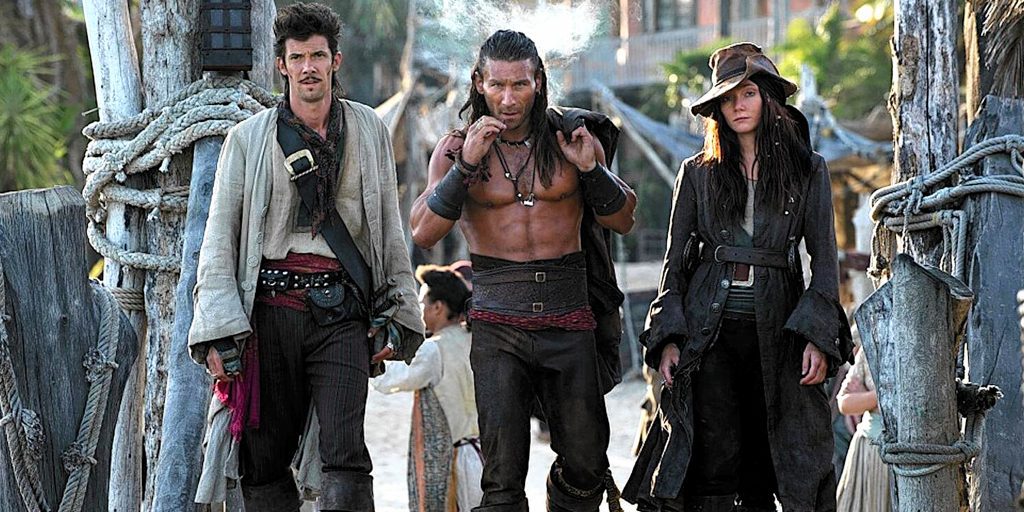
Several major characters are not invented at all. They are drawn straight from historical records, though the details get sharpened for television.
Edward Teach, better known as Blackbeard, is one of the clearest examples. His theatrical use of slow burning fuses in his beard to create a terrifying presence is well documented. The show leans into this without turning it into pure fantasy.
Anne Bonny is another standout. Her presence as a female pirate is not a modern invention. Contemporary accounts confirm she fought alongside men and was far from a passive figure.
Even Calico Jack Rackham, often dismissed as less formidable, is portrayed in a way that reflects his real reputation. Charismatic, opportunistic, and occasionally outmatched.
The show does take liberties with timelines and relationships, but the personalities feel rooted in something real.
Pirate Codes and Shipboard Democracy
One of the more surprising truths is how organised pirates could be.
Many crews operated under written agreements known as articles. These outlined rules, compensation, and even injury insurance. Yes, pirates had a form of workers’ compensation before it was fashionable.
Captains were often elected and could be removed if they lost the crew’s confidence. The quartermaster acted as a counterbalance to the captain’s authority.
Black Sails reflects this dynamic well. The tension between leadership and crew is not just drama, it is historically grounded. Pirate ships were not chaotic free for alls. They were structured, just not in ways governments liked.
Naval Warfare and Ship Combat

The ship battles in Black Sails are one of its strongest areas for accuracy.
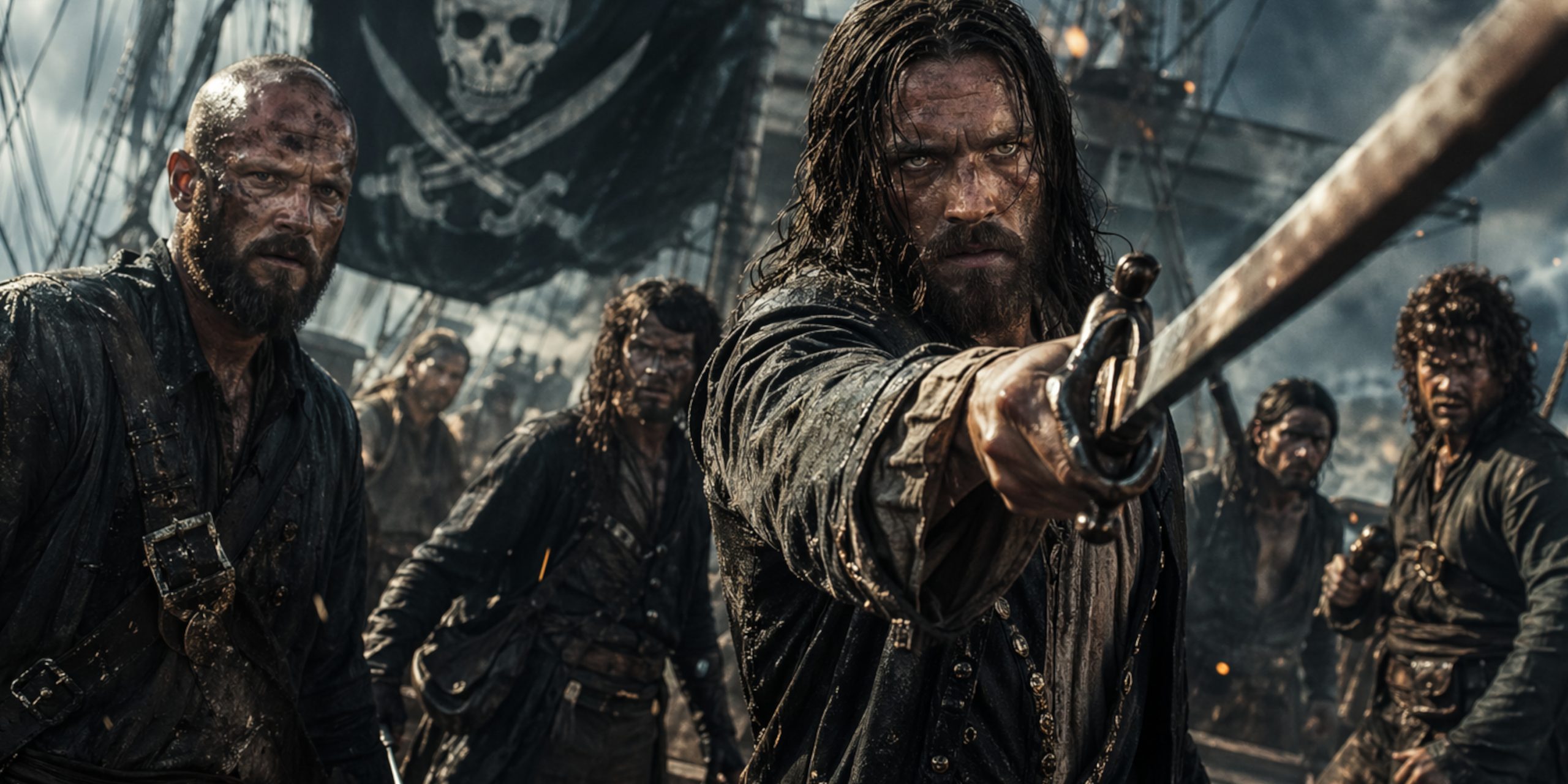
Combat in the Age of Sail was slow, tactical, and often brutal at close range. Cannons were used to disable rather than instantly destroy. Boarding actions decided many engagements, turning naval battles into hand to hand fights in tight spaces.
The show captures this rhythm. Ships manoeuvre for position, damage matters, and fights feel messy rather than choreographed.
It avoids the trap of turning every encounter into an explosion filled spectacle. Instead, it shows how exhausting and unpredictable these battles really were.
The Economic Reality of Piracy
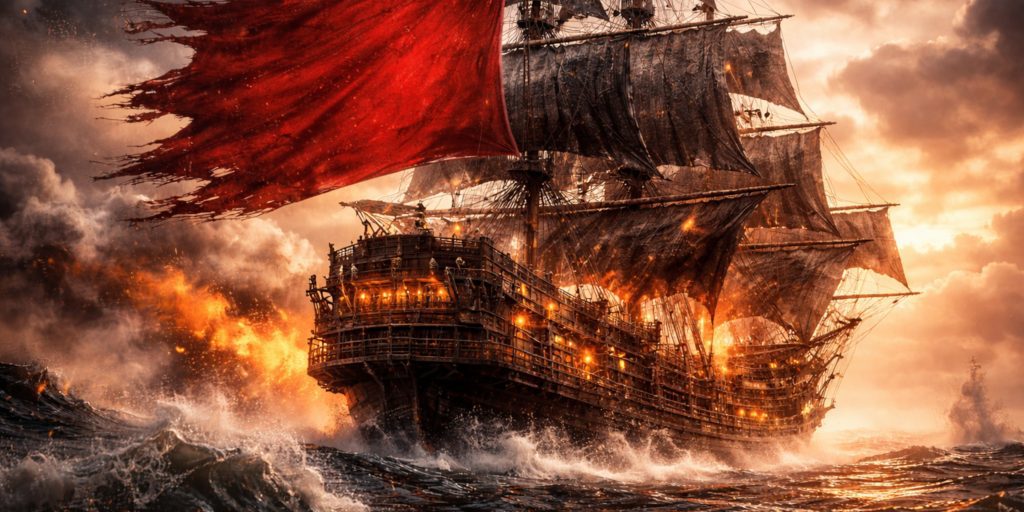
Piracy was not just violence for its own sake. It was driven by economics, and often desperation.
The show’s focus on the Spanish treasure fleet reflects real targets. These ships carried enormous wealth from the Americas to Europe. Intercepting even one could change lives overnight.
What the series gets right is the uncertainty. Most pirates did not strike it rich. Many spent months chasing rumours or scraping by on minor prizes.
There is also a constant sense of pressure from expanding European control. As naval patrols increased, the window for piracy began to close. The show captures that looming decline without spelling it out too neatly.
The Gradual End of the Golden Age of Piracy
The Golden Age of Piracy did not end in one dramatic moment. It faded under pressure.
Governments, particularly Britain, began to take the Caribbean more seriously. Figures like Woodes Rogers were sent to restore order in places like Nassau.
Pardons were offered. Those who refused faced increasingly coordinated military action. Executions became more public and more frequent.
Black Sails builds toward this shift gradually. The sense that the world is closing in on the pirates feels earned. It is less about a final battle and more about inevitability.
Where the Show Bends the Truth
For all its strengths, the series still prioritises storytelling.
Characters like Captain Flint are fictional, though cleverly woven into real events. Timelines are compressed, alliances exaggerated, and personal relationships heightened for effect.
That said, the foundation remains solid. The fiction sits on top of a recognisable historical framework rather than replacing it entirely.
Seven Swords Takeaway
What makes Black Sails stand out is not that it is perfectly accurate. It is that it respects the reality it draws from.
It shows pirates as flawed, strategic, sometimes desperate people rather than caricatures. It treats the Caribbean as a contested political space rather than a playground.
And every now and then, it reminds you that the truth behind the legend is just as chaotic as the fiction.