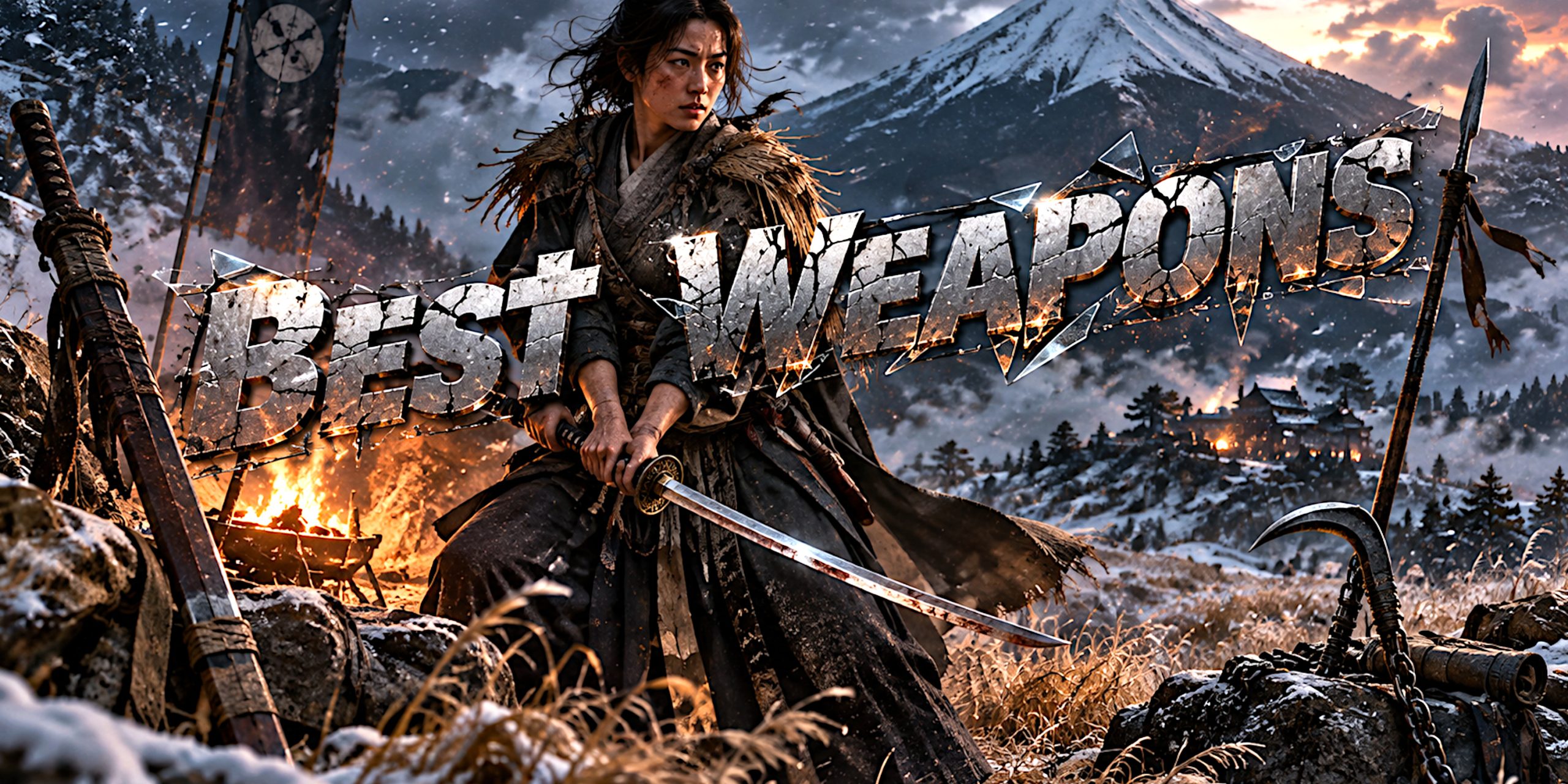
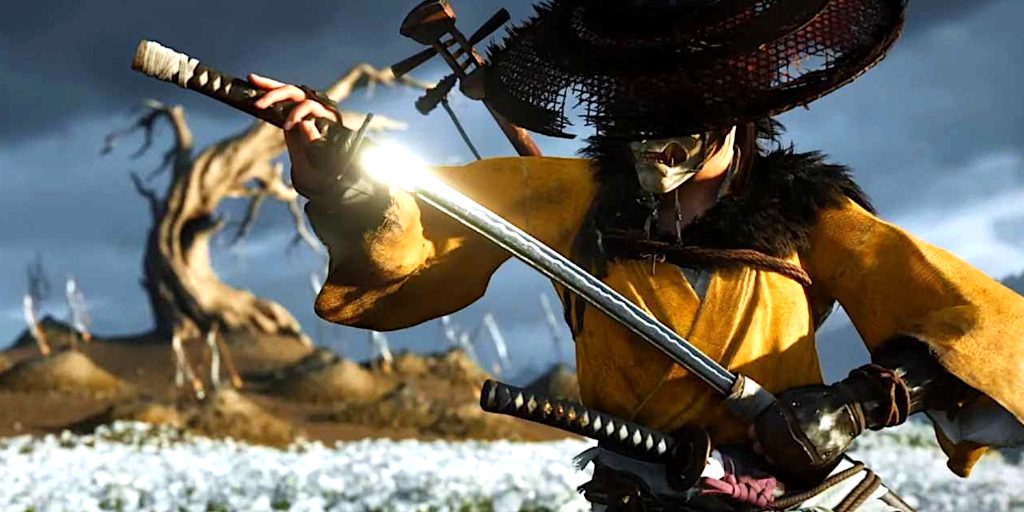
Ghost of Yōtei replaces the stance system from Ghost of Tsushima with a far more physical solution. Instead of changing Jin Sakai’s posture, Atsu changes the weapon in her hands.
Each main melee weapon counters a particular enemy type. The katana deals efficiently with swordsmen, the kusarigama tears through shields and the massive ōdachi gives brutes something substantial to worry about. You can remain loyal to one weapon, but switching intelligently makes difficult encounters considerably easier.
For this ranking, I considered damage, speed, stagger, reach, crowd control, defensive safety and general usefulness. The katana takes the top spot because it has remarkably few weaknesses, although the kusarigama comes close once its unusual rhythm clicks.
Ghost of Yōtei weapon tier list
| Tier | Weapons |
|---|---|
| S | Katana, Kusarigama |
| A | Dual Katana, Yari, Tanzutsu |
| B | Ōdachi, Yumi, Kunai |
| C | Tanegashima, Hankyu, Metsubushi |
| Situational | Bombs, Smoke Bombs, Sake Jar |
The five primary melee weapons are ranked separately before the ranged and quickfire arsenal. Comparing a smoke bomb directly with an ōdachi would be slightly unfair to both, and frankly sounds like an argument that should never have left the pub.
Best melee weapons ranked
| Rank | Weapon | Best against | Main strength |
|---|---|---|---|
| 1 | Katana | Single-sword enemies | Versatility |
| 2 | Kusarigama | Shielded enemies | Crowd control |
| 3 | Dual Katana | Polearm users | Speed |
| 4 | Yari | Sickle users | Reach |
| 5 | Ōdachi | Brutes | Stagger damage |
Katana
Rank: First
Best for: General combat and duels
Strong against: Enemies carrying a single sword
Main weakness: Less efficient against specialist opponents
The katana is the best overall weapon in Ghost of Yōtei. It may lack the spectacular range of the kusarigama or the crushing power of the ōdachi, but it works reliably in almost every encounter.
Its attacks are fast enough to exploit short openings without trapping Atsu in lengthy animations. The defensive rhythm is also wonderfully natural. Parries flow into counters, dodges create immediate attack opportunities and short combinations can be stopped before enthusiasm develops into a terrible tactical decision.
That flexibility matters when a fight includes several enemy types. A specialist weapon may destroy its preferred target, but the katana rarely feels badly mismatched. It is equally comfortable during formal duels, roadside attacks and messy camp battles.
Players arriving from Ghost of Tsushima will also understand its rhythm immediately. That familiarity makes it tempting to ignore the rest of Atsu’s arsenal, although doing so means missing some of the sequel’s best combat ideas.
The katana’s limitation is efficiency. It can defeat shield bearers, brutes and polearm users, but their proper counters will break their defence faster. Remaining with the katana is viable. It just occasionally resembles refusing to use the correct screwdriver because the familiar one has sentimental value.
Verdict: The safest first upgrade and the strongest all-purpose weapon.
Kusarigama
Rank: Second
Best for: Shields, groups and battlefield control
Strong against: Shielded enemies
Main weakness: Unusual timing and recovery
The kusarigama is the most distinctive weapon in Atsu’s collection. Its combination of a sickle and weighted chain gives it reach, disruption and strong crowd-control potential.
Against shielded opponents, it is exceptional. The chain interferes with their guard before the sickle follows with rapid close-range attacks. An enemy who felt irritatingly secure a few seconds earlier can suddenly look rather exposed.
Its broader value comes from controlling space. The katana answers threats as they arrive, while the kusarigama can interrupt movement and prevent groups from settling around Atsu. That makes it particularly strong during camp battles where attackers are arriving from several directions.
There is a learning curve. The weapon’s range can encourage sloppy spacing, while its longer motions demand more commitment than a quick sword cut. It feels less instinctive during tight duels and can leave Atsu vulnerable if an ambitious attack misses.
Once mastered, though, it offers the best mixture of reach, stagger and group control in the game. It also looks gloriously dangerous, like someone examined an ordinary sickle and decided it needed a more complicated personality.
Verdict: The best specialist weapon and arguably the strongest choice for large battles.
Dual Katana
Rank: Third
Best for: Aggressive play and sustained pressure
Strong against: Yari and other polearms
Main weakness: Limited reach and easy overcommitment
Dual katana turn Atsu into a fast, relentlessly aggressive fighter. Their combinations exploit narrow openings and keep enemies under pressure before slower weapons have properly begun their first attack.
They are especially effective against polearm users. Closing distance quickly denies these enemies the space they need, while repeated strikes break their defence and prevent them from resetting.
The dual blades also work well when moving between targets. Their speed allows Atsu to finish one opponent, turn and immediately pressure another. They feel brilliant in the hands of someone who prefers advancing after a parry rather than calmly reassessing the battlefield.
Their greatest strength is also their trap. Rapid combinations make it incredibly easy to press the attack button one more time than good judgement recommends. Enemies remain surprisingly committed to fighting back, even when Atsu is doing something very stylish.
Individual hits lack the weight of the ōdachi, while the shorter reach can become uncomfortable against mobile opponents. Still, their speed makes them useful well beyond the intended polearm match-up.
Verdict: The best aggressive weapon and perhaps the most satisfying when its rhythm clicks.
Yari
Rank: Fourth
Best for: Reach, spacing and controlled pressure
Strong against: Kusarigama and sickle users
Main weakness: Awkward when enemies close from several directions
The yari gives Atsu control over the space directly in front of her. Its thrusts punish approaching enemies, interrupt attacks and allow her to inflict damage without standing within easy sword range.
That reach is particularly useful against kusarigama users. Their chain attacks can be difficult to read at first, but the yari’s alignment helps break their defence and keeps their sickles at a manageable distance.
The spear rewards patience. Rather than forcing an opening, you can maintain range, watch for movement and answer with a precise thrust. It feels measured and disciplined, which is very satisfying until somebody attacks from behind and ruins the atmosphere.
That exposes its main weakness. The yari performs best when threats remain in front of Atsu. Once several enemies close from different directions, the quicker swords or disruptive kusarigama are easier to manage.
It ranks below dual katana because it is less adaptable when orderly combat collapses into chaos. In the right hands, however, it is one of the safest weapons available.
Verdict: Excellent for deliberate players who prefer range and positioning over constant aggression.
Ōdachi
Rank: Fifth
Best for: Brutes and heavy stagger damage
Strong against: Large enemies
Main weakness: Slow attacks and long recovery
The ōdachi follows a beautifully simple philosophy. If an enemy is too large to intimidate with an ordinary sword, bring a much larger sword.
Its heavy attacks inflict considerable health and stagger damage. Against brutes, it is the clear answer. The broad blade breaks their resistance and gives Atsu the power needed to stop these enemies from dictating the encounter.
Its sweeping attacks can also catch multiple targets, provided they are positioned conveniently and nobody interrupts the lengthy wind-up. Successful hits feel wonderfully decisive, especially after spending several minutes bouncing lighter weapons off a brute’s defence.
The cost is speed. Every attack requires commitment, missed swings are dangerous and agile enemies can move away before the strongest sequences land. The ōdachi asks the player to anticipate an opening rather than merely react to one.
It finishes fifth because the other melee weapons are easier to use outside their preferred match-ups. That does not make the ōdachi weak. Against brutes it is outstanding. Against a quick swordsman, Atsu may spend slightly too much time attacking the memory of where they were standing.
Verdict: A devastating counter to brutes, but the least versatile primary weapon.
Best ranged weapons ranked
| Rank | Weapon | Best use |
|---|---|---|
| 1 | Tanzutsu | Close-range interruption |
| 2 | Yumi | Powerful long-range shots |
| 3 | Tanegashima | Heavy opening damage |
| 4 | Hankyu | Fast ranged attacks |
Tanzutsu
The tanzutsu matchlock pistol is the best firearm and the strongest supporting weapon in ordinary combat.
Its main advantage is immediacy. Atsu can use it at close range to interrupt a dangerous attacker, inflict heavy damage or recover control of a fight that is beginning to unravel. It fits naturally between melee exchanges rather than demanding a complete change of pace.
Limited ammunition prevents the pistol from replacing swordplay. Used selectively, however, it can remove a priority target or stop an otherwise unavoidable attack.
Verdict: The best ranged weapon for active combat.
Yumi
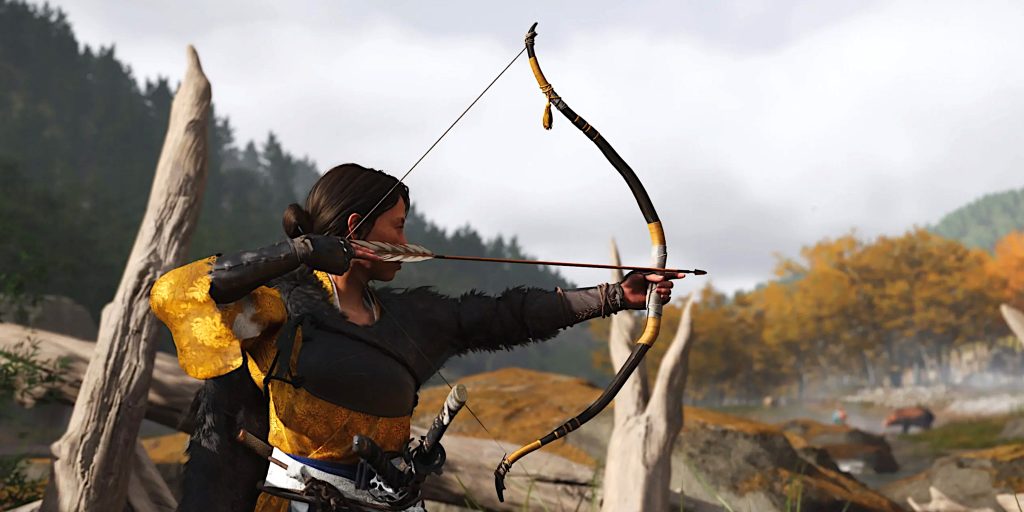
The yumi is the strongest conventional bow. Its power and range make it ideal for eliminating tougher enemies before Atsu enters a camp.
A carefully placed shot can remove an archer, weaken a leader or reduce the number of opponents waiting below. That makes the yumi particularly valuable for players who prefer to prepare an encounter rather than immediately dropping into the middle and trusting enthusiasm to carry them.
Its slower draw makes it less useful after enemies have closed the distance. At that point, the tanzutsu or a quickfire weapon offers a safer response.
Verdict: The best long-range stealth weapon.
Tanegashima
The tanegashima matchlock rifle delivers excellent damage and a satisfyingly violent report. It can remove or badly injure a dangerous enemy before the main fight begins.
The drawbacks are considerable. Reloading is slow, ammunition is limited and firing it announces Atsu’s location with impressive confidence. It works best from a prepared position where one powerful shot can shape the encounter.
Once several enemies are charging, the rifle becomes much less attractive. Firearms transformed warfare, but apparently nobody informed the enemy that they should wait politely during the reload.
Verdict: Extremely powerful as an opening weapon, but too slow for regular close combat.
Hankyu
The hankyu is quicker and more responsive than the yumi. It is useful for lightly armoured enemies, distant archers and fast shots during a moving encounter.
That speed comes at the cost of power. As enemies become tougher, the hankyu struggles to match the yumi’s ability to remove a target cleanly. It remains convenient, but convenience matters less when the arrow only makes an opponent angry.
Verdict: A fast and flexible bow that loses effectiveness against stronger enemies.
Best quickfire weapons ranked
| Rank | Weapon | Best use |
|---|---|---|
| 1 | Kunai | Fast interruption |
| 2 | Metsubushi | Blinding strong enemies |
| 3 | Bombs | Damaging groups |
| 4 | Smoke Bombs | Escaping and resetting combat |
| 5 | Sake Jar | Distraction and improvised openings |
Kunai
Kunai are the most dependable quickfire weapons in Ghost of Yōtei. They interrupt attacks, pressure several enemies and create openings for melee finishers.
Their speed is what makes them so useful. There is almost no delay between identifying a problem and putting a sharp object into it. When Atsu becomes surrounded, that immediate interruption can be more valuable than raw damage.
Kunai also combine well with every primary weapon. Throw them to disrupt a group, then switch to the appropriate melee counter before the enemies recover.
Verdict: The best quickfire weapon and one of the strongest tools in Atsu’s arsenal.
Metsubushi
Metsubushi disables and disorients enemies rather than relying on direct damage. It is particularly effective against a dangerous target whose guard is proving difficult to break.
Blinding an enemy creates time to attack, heal or change position. It can also neutralise a priority opponent while Atsu handles the rest of a group.
It ranks below kunai because interruption is useful in virtually every battle, while metsubushi requires more deliberate timing and follow-up.
Verdict: Excellent control against strong individual enemies.
Bombs
Bombs deliver area damage and are particularly effective when enemies gather in a confined space. They can soften a group before combat or punish opponents clustered around a narrow entrance.
Their value depends heavily on positioning. Against scattered enemies, a kunai attack is often quicker and more reliable. Against a tightly packed patrol, the bomb suddenly looks like the finest invention in Ezo.
Verdict: Strong area damage, provided the enemies cooperate with basic geometry.
Smoke Bombs
Smoke bombs offer control rather than direct damage. They can conceal Atsu, break enemy pressure and create opportunities to escape or return to stealth.
This makes them especially valuable on higher difficulty settings. A smoke bomb can turn a collapsing encounter into a fresh attack opportunity, although ideally battles do not collapse often enough for this to become Atsu’s main strategy.
Verdict: The best defensive tool for resetting crowded encounters.
Sake Jar
The throwable sake jar is a creative distraction and disruption weapon. It can manipulate enemy attention, create a brief opening or add a slightly insulting conclusion to an otherwise serious battle.
It lacks the reliable stopping power of kunai and bombs, so it is rarely the most efficient option. Creative players will still find entertaining uses for it.
Atsu carries several beautifully crafted weapons. Defeating someone with a drinks container feels almost pointedly rude.
Verdict: Amusing and occasionally useful, but heavily situational.
Which weapon should you upgrade first?
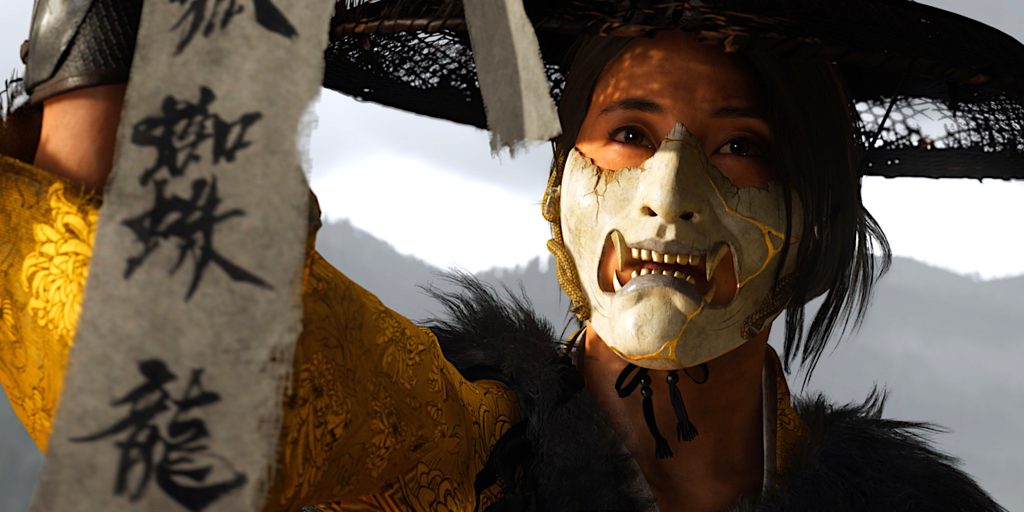
The katana should receive your first major upgrades. It is available from the beginning, performs well against every enemy class and remains useful during duels where crowd-control weapons lose some of their advantages.
After improving the katana, choose your next weapon according to the encounters causing the most trouble:
- Upgrade the kusarigama for better shield breaking and group control.
- Upgrade dual katana if you favour speed and sustained aggression.
- Upgrade the yari if you prefer reach and careful counterattacks.
- Upgrade the ōdachi if brutes are proving difficult.
- Improve the tanzutsu or kunai if you need dependable interruption tools.
Spreading resources evenly keeps every counter available, but strengthening one reliable melee weapon first produces a more noticeable early benefit.
How weapon counters work
Every primary melee weapon is aligned against a particular enemy class.
| Atsu’s weapon | Best used against |
|---|---|
| Katana | Single-katana fighters |
| Dual Katana | Polearm users |
| Yari | Kusarigama and sickle users |
| Kusarigama | Shielded enemies |
| Ōdachi | Brutes and large enemies |
Using the aligned weapon breaks an enemy’s defence more efficiently. It is an advantage rather than a hard restriction, so an experienced player can still defeat any opponent with a favourite weapon.
The most effective approach is to identify the most disruptive enemy in a group, switch to the correct counter and remove that opponent first. Once the immediate threat is gone, return to whichever weapon suits your style.
Constant switching is powerful, but you do not need to treat the weapon wheel like unpaid office administration.
Best weapon for bosses and duels
The katana is the best weapon for most bosses and formal duels. Its speed, controlled combinations and short recovery make it easier to respond to changing attack patterns.
Bosses punish overcommitment quite enthusiastically. The katana lets Atsu land one or two strikes before returning to defence, rather than gambling everything on a longer animation.
The ōdachi can perform brilliantly against slower, heavier bosses. Dual katana are also effective for confident players who can maintain pressure without becoming greedy.
Weapon alignment still matters, but the katana remains the strongest default choice.
Best weapon for fighting groups
The kusarigama is the best melee weapon for groups. Its reach and disruptive chain attacks help prevent enemies from comfortably surrounding Atsu.
Pair it with kunai or bombs to interrupt attacks from several directions. Smoke bombs provide an emergency reset when the group becomes unmanageable.
Dual katana offer a strong alternative for players who prefer mobility and fast target changes. The ōdachi can strike several enemies with broad swings, but its slow recovery becomes dangerous if an attack misses.
Takeaway
The katana is the best weapon in Ghost of Yōtei. It combines speed, damage, defence and versatility without imposing a major weakness. It works in ordinary encounters, performs beautifully in duels and remains dependable throughout the game.
The kusarigama takes second place due to its exceptional shield-breaking and crowd-control abilities. Dual katana are the best aggressive option, while the yari rewards careful spacing and the ōdachi delivers the heaviest answer to brutes.
Among supporting weapons, the tanzutsu and kunai have the greatest general value. Both can interrupt danger immediately, which becomes increasingly important when several enemy types attack together.
Choose a favourite weapon and build around it, but learn the counter system. Atsu’s arsenal becomes genuinely impressive when every weapon has a purpose and switching feels deliberate rather than panicked.
Frequently asked questions
What is the best weapon in Ghost of Yōtei?
The katana is the best overall weapon because it offers excellent speed, damage, defence and versatility. It is particularly effective against other single-sword fighters but remains reliable in almost every encounter.
What is the best weapon against shields?
Use the kusarigama against shielded enemies. Its chain and sickle attacks disrupt their defence and build stagger efficiently.
What is the best weapon against brutes?
The ōdachi is designed to counter brutes and other large enemies. Its slower attacks deliver heavy damage and considerable stagger pressure.
Can you complete Ghost of Yōtei with one weapon?
Yes. The combat system encourages weapon switching, but it does not force it. You can complete the game with a favourite weapon, although some enemy match-ups will take longer.
Are dual katana better than the katana?
Dual katana are faster and particularly effective against polearm users. The single katana is more balanced, easier to control and useful across a wider range of encounters.
Is the kusarigama worth upgrading?
Yes. The kusarigama is one of the best weapons in the game, especially against shields and groups. Its timing takes practice, but its reach and control justify the investment.