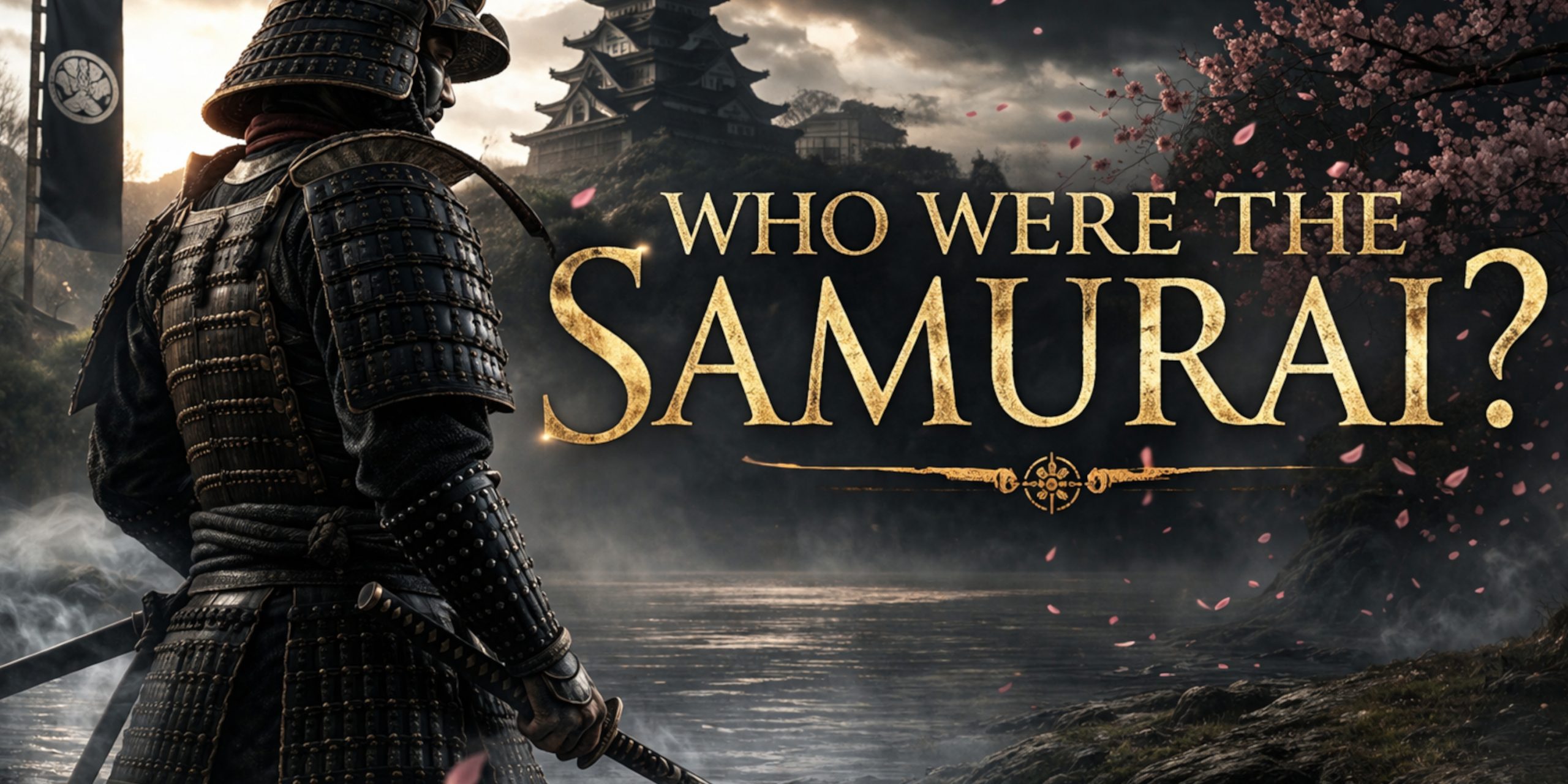
There is something about the samurai that feels almost unfairly cool.
They had the armour, the swords, the dramatic last stands, the impossible loyalty and, occasionally, the habit of making every problem in Japanese history considerably more complicated. Popular culture has turned them into mysterious warrior-monks who spent their lives wandering misty mountains waiting for an honourable duel at sunrise.
The reality is rather messier, and far more interesting.
The samurai were not simply swordsmen. They were soldiers, aristocrats, officials, landowners, poets, bureaucrats and, in some cases, people who spent more time doing paperwork than fighting. For centuries they dominated Japanese society and shaped the country’s politics, warfare and culture.
If you have ever wondered who the samurai actually were, where they came from and why they became such a powerful force, here is the full story.
Who Were the Samurai?
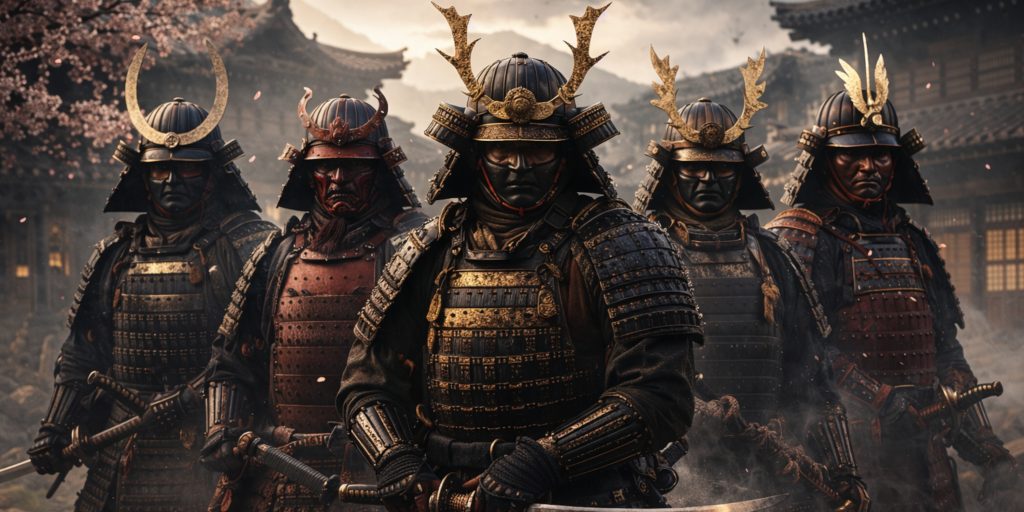
The samurai were the military elite of Japan. From roughly the late Heian period in the 12th century until the 19th century, they served powerful lords, fought in wars and eventually became the ruling class.
The word “samurai” comes from the Japanese verb saburau, meaning “to serve”. That tells you a great deal about what they were supposed to be. A samurai was expected to serve his lord with complete loyalty, even if that meant risking everything.
At first, samurai were provincial warriors employed by noble families and local rulers. Over time, they grew so powerful that they overshadowed the old court aristocracy in Kyoto. By the late 12th century, military leaders rather than emperors held the real power in Japan.
The emperor still existed, of course. He remained an important figure and a symbol of legitimacy. But while the emperor sat in Kyoto, the samurai and their leaders were often the ones actually running the country.
How the Samurai First Appeared
The samurai emerged during a period when Japan’s central government was losing control over the countryside.
By the 10th and 11th centuries, wealthy landowners and regional clans needed men who could protect their estates. Bandits, rival families and local uprisings were common. It was not exactly a peaceful age.
These landowners hired mounted warriors, usually drawn from influential families with military experience. Over time, those warriors developed into a distinct class.
Two clans became especially powerful:
- The Taira
- The Minamoto
Their rivalry eventually exploded into the Genpei War between 1180 and 1185. This conflict changed Japan forever.
When the Minamoto clan won, its leader, Minamoto no Yoritomo, established the first shogunate in Kamakura. From that point on, Japan was largely ruled by military governments led by samurai.
The emperor still had the title. The samurai now had the power.
The Shogun and the Samurai Government
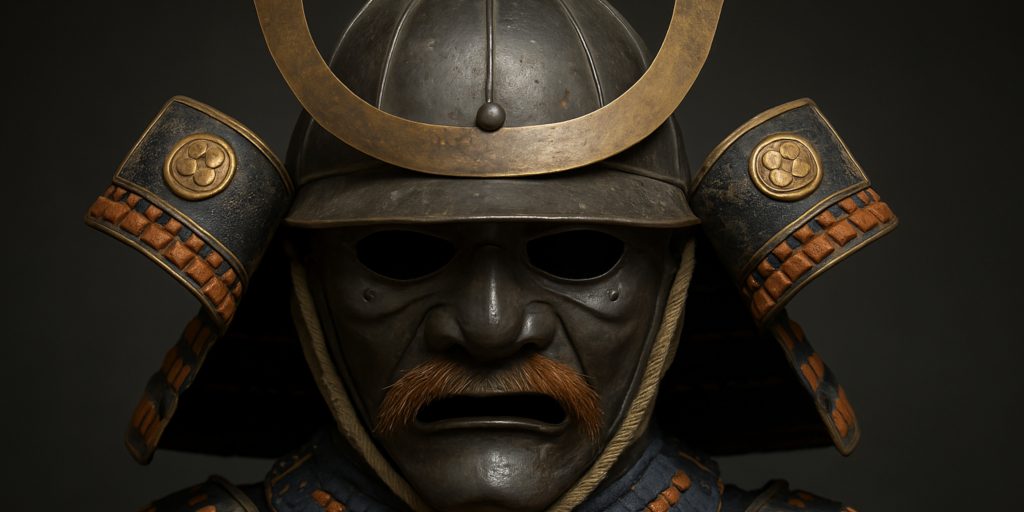
At the top of samurai society stood the shogun.
The shogun was effectively Japan’s military ruler. Beneath him were powerful regional lords called daimyo, who controlled large territories. The daimyo employed samurai to protect their lands and fight in their wars.
The whole system looked rather like a pyramid:
- Emperor at the top as the symbolic ruler
- Shogun as the real political and military leader
- Daimyo controlling regions and armies
- Samurai serving the daimyo
- Peasants, craftsmen and merchants below them
This created a feudal system that lasted for centuries.
Samurai were rewarded with land, rice or income in exchange for military service. Their status gave them privileges that ordinary people did not have. They could wear swords, receive stipends and hold positions of authority.
They also had responsibilities. A samurai who failed his lord could lose everything, including his reputation. In samurai culture, that could be even worse.
What Weapons Did the Samurai Use?
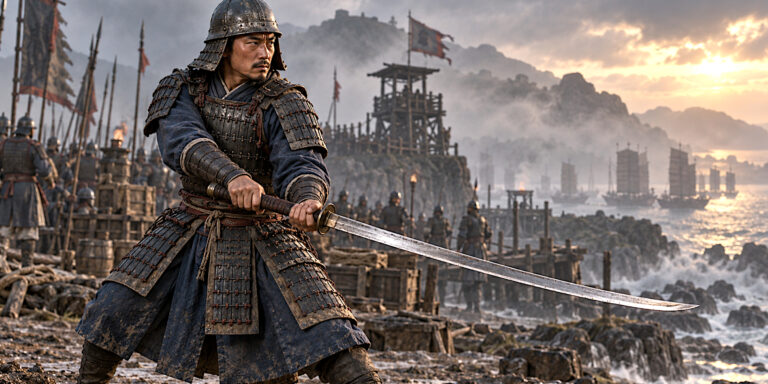
People instantly think of the katana when they picture a samurai. Fair enough. The katana is one of the most famous samurai weapons in history.
But the samurai did not spend every battle dramatically unsheathing a sword while cherry blossoms floated through the air. Most of the time they used whatever weapon made the most sense.
Early samurai were primarily mounted archers. During the Heian and Kamakura periods, the bow was their most important weapon.
The Yumi
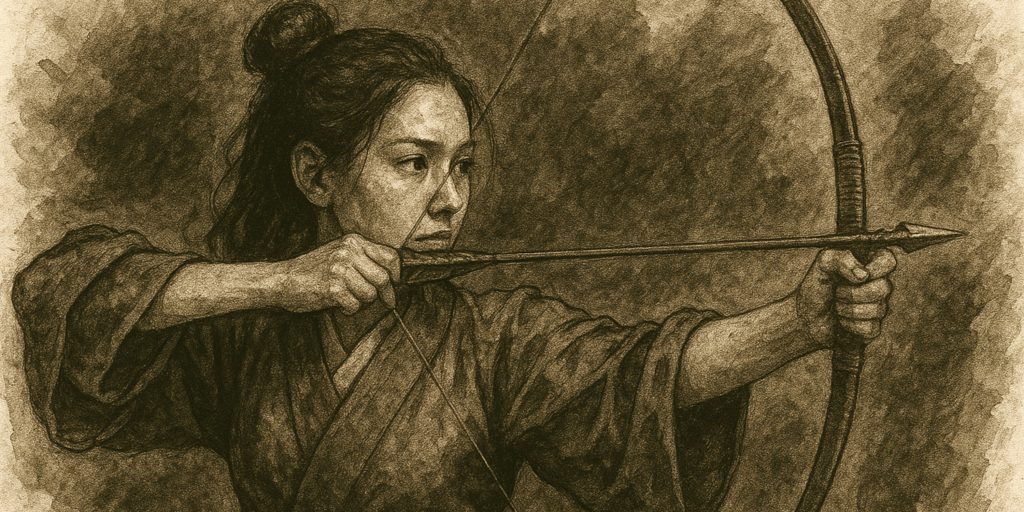
The yumi was the traditional Japanese longbow. It was unusually tall and asymmetrical, with the grip below the centre. Samurai used it from horseback and on foot.
Skilled archers could fire quickly and accurately. Early samurai warfare often revolved around archery rather than close combat.
The Katana
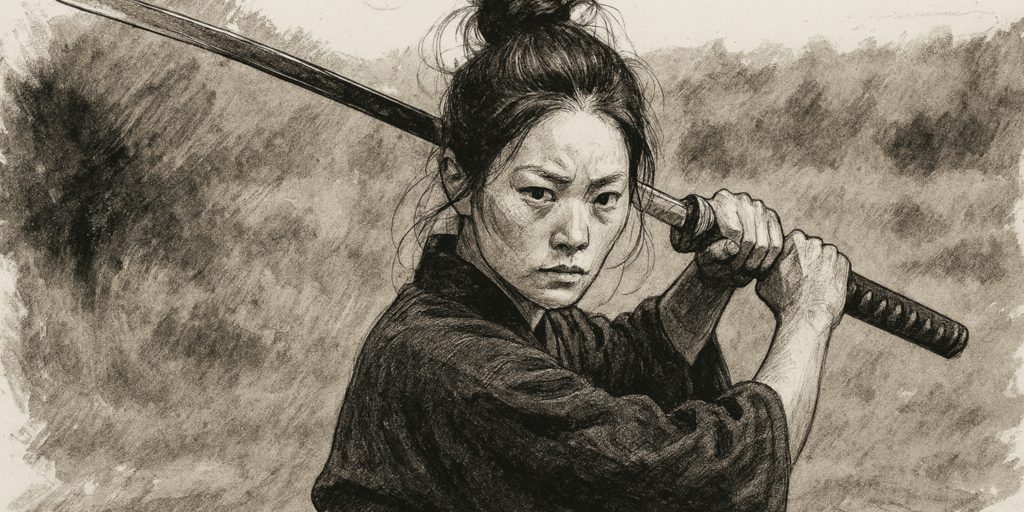
The katana became the signature samurai sword during the later medieval period.
It had a curved blade, usually around 60 to 80 centimetres long, designed for fast, powerful cuts. Samurai often wore it together with a shorter sword called the wakizashi.
This pair was known as the daisho, meaning “big and small”. It was one of the clearest signs that someone belonged to the samurai class.
There is a tendency to imagine the katana as some magical super-weapon that could slice through anything from armour to common sense. In reality, it was an excellent sword, but still a sword. Against heavy armour, spears and arrows often mattered far more.
Spears and Polearms
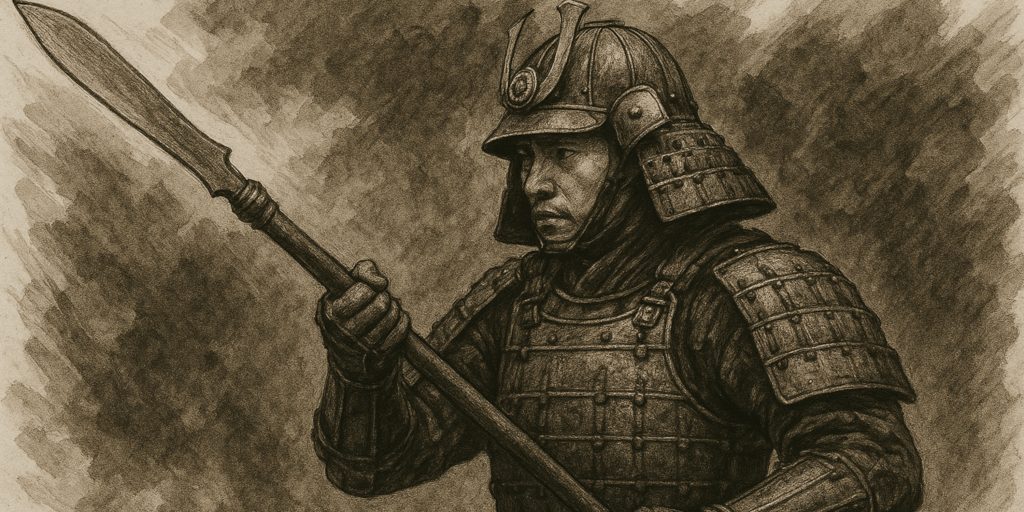
In large battles, the spear was often more useful than the sword.
The yari was a straight spear used by samurai and foot soldiers alike. It gave greater reach and was highly effective in formations.
Another common weapon was the naginata, a polearm with a curved blade at the end. It was especially associated with warrior monks and women from samurai families.
By the Sengoku period, when Japan was torn apart by civil war, large armies armed with spears had become common. The glamorous sword duel was usually not how battles were actually fought.
Firearms
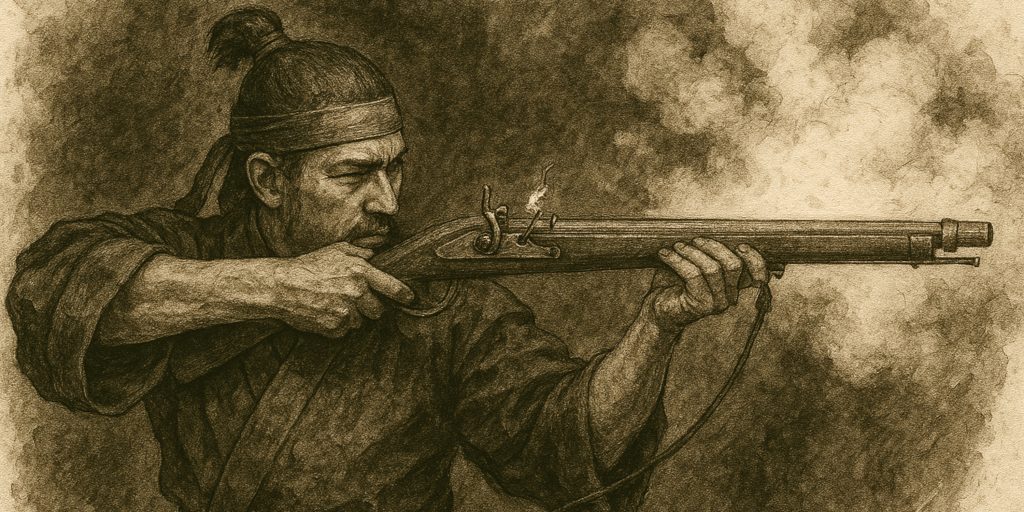
One of the biggest surprises in samurai history is how quickly they adopted guns.
Firearms arrived in Japan in the 16th century after Portuguese traders introduced the arquebus. Japanese warlords embraced them almost immediately.
By the late 1500s, some samurai armies used thousands of firearms. At the Battle of Nagashino in 1575, organised gunfire helped destroy the cavalry of Takeda Katsuyori.
The samurai were not stubborn traditionalists refusing to change. They were practical. If a new weapon worked, they used it.
What Did Samurai Armour Look Like?
Samurai armour changed over the centuries.
Early armour was designed for mounted archers. It was made from small scales of leather or metal tied together with silk cords. The result was flexible and surprisingly colourful.
A full set of samurai armour could include:
- A helmet, or kabuto
- A face mask, or menpo
- Shoulder guards
- Armoured sleeves
- A cuirass protecting the chest and torso
- Thigh and shin guards
Many helmets had elaborate crests or decorations. Some looked intimidating. Others looked as though someone had decided the best way to terrify the enemy was to wear a giant pair of antlers into battle.
Later armour became heavier and more protective, especially once firearms became common.
Despite what films sometimes suggest, samurai armour was not impossibly restrictive. A trained warrior could still move, ride and fight effectively while wearing it.
Bushido and the Samurai Code
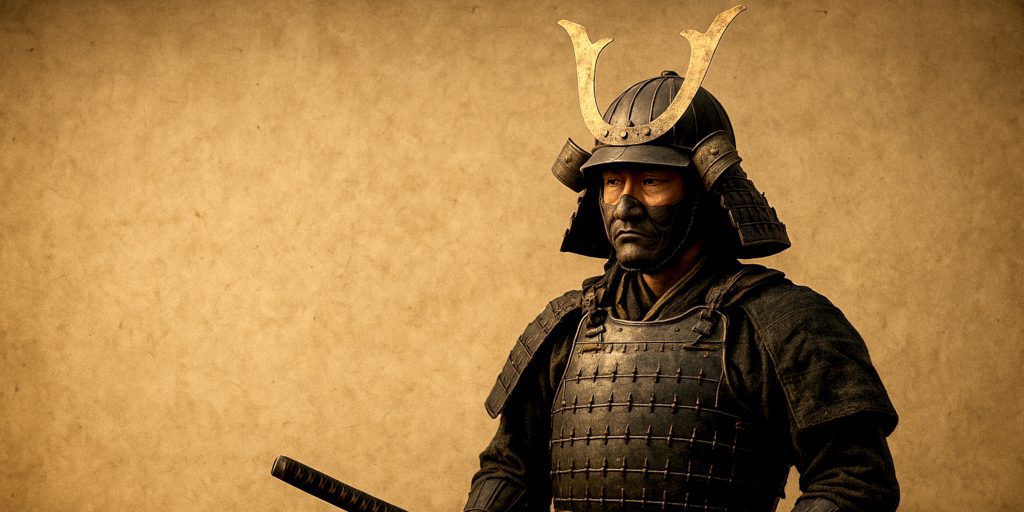
You cannot talk about the samurai without mentioning bushido.
Bushido is usually translated as “the way of the warrior”. It was a code of conduct that emphasised:
- Loyalty
- Courage
- Honour
- Discipline
- Self-control
According to bushido, a samurai should place duty above personal comfort or even survival.
There is one important catch, though. The famous version of bushido that people know today developed gradually and was shaped by later writers. Samurai in the 12th century did not walk around carrying a neat handbook labelled “Bushido Rules”.
Some samurai were noble and loyal. Others were ambitious, ruthless and perfectly willing to betray their rivals when it suited them. They were human beings, not wandering philosophy quotes.
Still, ideals of loyalty and honour mattered deeply in samurai culture. A warrior who lost his reputation could face disgrace for life.
Seppuku and the Meaning of Honour
One of the most dramatic parts of samurai culture was seppuku, sometimes called ritual suicide.
If a samurai had failed his lord, been defeated or faced disgrace, he might be expected to take his own life in order to preserve his honour.
The act involved cutting the abdomen with a short blade. In many cases, another samurai would then deliver a quick death.
It was brutal and difficult to imagine today. Yet in samurai society it was seen as preferable to living in shame.
The practice became deeply tied to the idea that honour mattered more than life itself.
That said, not every samurai willingly embraced this fate. Some ran away, switched sides or tried very hard to avoid it. Human nature has always had a remarkable talent for surviving lofty principles.
Famous Samurai in Japanese History
Many samurai became legendary.
Minamoto no Yoshitsune
Yoshitsune was one of Japan’s greatest military commanders. He helped defeat the Taira clan during the Genpei War and became famous for his daring tactics.
His life later turned tragic after he fell out with his brother, the shogun Minamoto no Yoritomo.
Oda Nobunaga
Oda Nobunaga was one of the key figures who began the unification of Japan in the 16th century.
He was ruthless, brilliant and deeply feared. Nobunaga embraced firearms and modern tactics at a time when many rivals still clung to older methods.
Toyotomi Hideyoshi
Hideyoshi rose from relatively humble origins to become one of the most powerful men in Japan.
His career is extraordinary because Japan’s social system rarely allowed someone to climb so far.
He continued the work of unifying Japan after Nobunaga’s death.
Tokugawa Ieyasu
Tokugawa Ieyasu finally secured control of Japan after the Battle of Sekigahara in 1600.
He founded the Tokugawa shogunate, which ruled for more than 250 years.
Under the Tokugawa family, the samurai shifted from warriors into administrators and officials.
Miyamoto Musashi
Perhaps the most famous swordsman of all, Musashi became legendary for his duels and writings.
He wrote The Book of Five Rings, a work on strategy and combat that is still widely read today.
Musashi has become almost larger than life. If samurai history had its own celebrity section, he would absolutely be on the cover.
What Was Daily Life Like for a Samurai?
Not every samurai spent his days fighting battles.
During long periods of peace, especially under the Tokugawa shogunate, many samurai worked as officials, clerks and administrators.
They lived in castle towns, managed taxes, oversaw local government and studied literature, calligraphy and philosophy.
Education was important. Samurai were expected to be cultured as well as capable of fighting.
A samurai might spend one part of the day practising with a sword and another part carefully writing poetry. It is an oddly intimidating combination.
Many samurai families lived quite modestly. By the 18th and 19th centuries, some samurai were heavily in debt because their income had not kept pace with rising prices.
The image of every samurai living in luxury simply is not true.
Why Did the Samurai Disappear?
The samurai did not vanish overnight.
Their decline came during the 19th century, when Japan began to modernise.
After the Meiji Restoration in 1868, the new government wanted to build a modern state with a national army.
The privileges of the samurai were gradually removed:
- Their stipends were abolished
- They lost the right to wear swords in public
- Military service was opened to ordinary citizens
By the 1870s, the samurai class officially no longer existed.
Some former samurai adapted and became soldiers, politicians or businessmen. Others resisted.
The most famous rebellion was the Satsuma Rebellion of 1877, led by Saigo Takamori. It is often seen as the final stand of the samurai.
After that, their era was over.
Why Are Samurai Still So Fascinating?
The samurai remain popular because they represent something larger than themselves.
They are tied to ideas of honour, skill, discipline and personal courage. Even if the reality was often more complicated, those ideals still have enormous appeal.
Samurai continue to appear in films, games, anime and television because they make for brilliant stories. Sometimes they are shown accurately. Sometimes they are turned into almost mythical figures.
The truth sits somewhere in the middle.
The real samurai were not flawless heroes. They could be brave, cruel, loyal, ambitious, cultured and violent, sometimes all at once. That complexity is exactly what makes them interesting.
A warrior carrying a sword is memorable. A warrior carrying a sword while navigating politics, family loyalties, shifting alliances and the possibility that his boss might order him to do something dreadful at any moment, that is much more compelling.
Takeaway
The samurai were far more than sword-wielding warriors.
For centuries they shaped Japan through war, politics and culture. They created governments, fought civil wars, built castles, wrote poetry and eventually helped transform Japan into a modern nation.
Their world was often brutal, contradictory and deeply human.
That is why the samurai still matter. Not because they were perfect, but because they were not.
They were real people living through extraordinary times, trying to survive, win, serve and leave their mark on history. Sometimes they succeeded magnificently. Sometimes they failed spectacularly.
History tends to remember both.