The Witcher universe has never been shy about giving weapons dramatic names. Some sound noble, some sound ancient, and then there is Widowmaker, a blade that basically walks into the room wearing a black cloak before anyone has even drawn it.
Found within the world of The Witcher games, Widowmaker is one of those weapons that catches attention because of its name alone. It suggests a sword with a grim reputation, a weapon associated with violence, loss and the harsh reality of the Continent.
Geralt of Rivia has handled plenty of swords during his career. Most get replaced as better equipment appears, but certain weapons remain memorable because they feel like they belong in a monster hunter’s brutal world. Widowmaker fits that category.
What is Widowmaker?
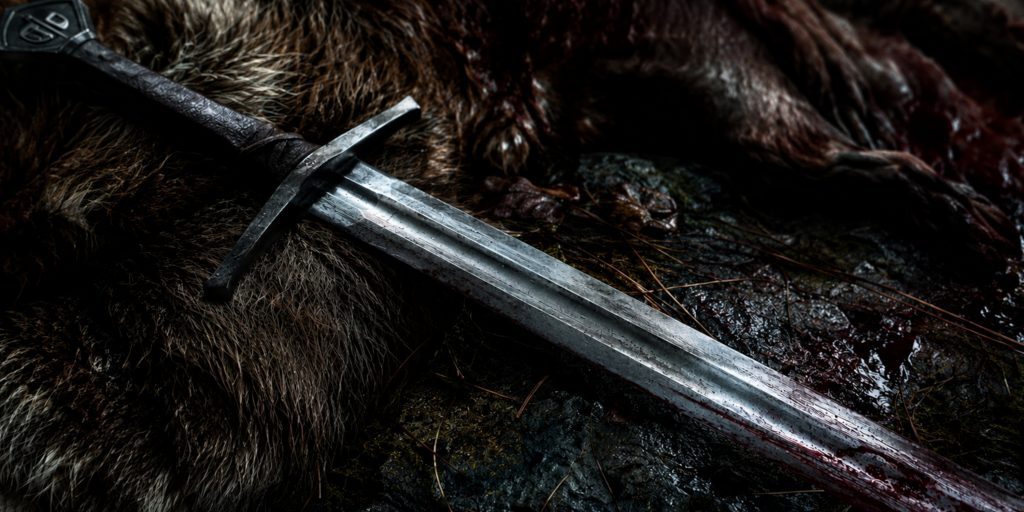
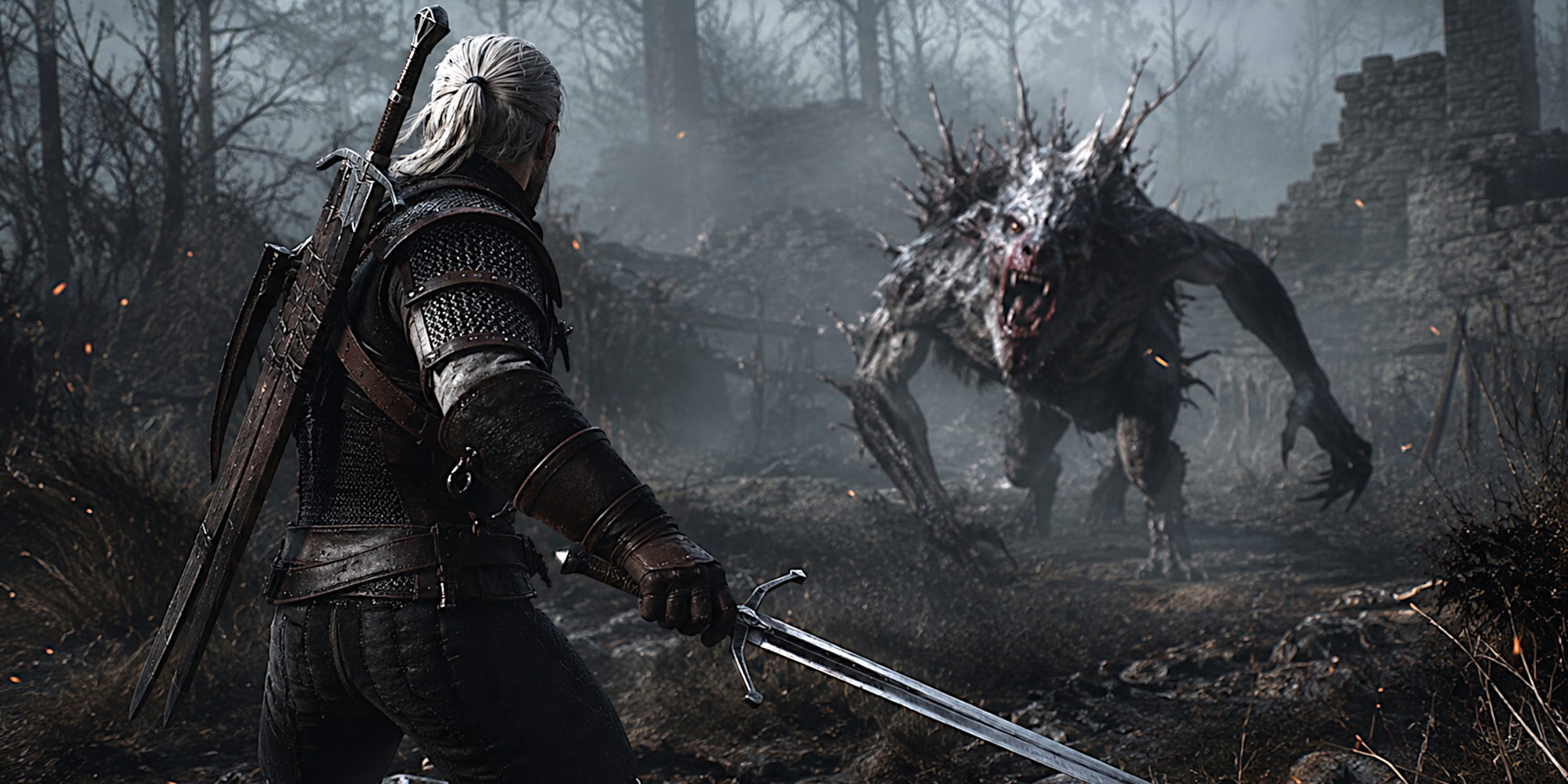
Widowmaker is a steel sword found in The Witcher series, designed primarily for fighting human and nonhuman opponents rather than monsters.
Like all witchers, Geralt follows the famous tradition of carrying two blades:
- Steel sword: Used against humans, elves, dwarves, bandits and ordinary creatures
- Silver sword: Used against monsters vulnerable to silver
The idea that witchers always use silver for every monster is actually a little exaggerated. The books are more practical about this, while the games make the two sword system more iconic for gameplay reasons.
Widowmaker belongs firmly to the steel side of Geralt’s arsenal.
Design and Appearance
Widowmaker follows the visual style that makes Witcher weapons instantly recognisable. It is not an absurd fantasy blade covered in unnecessary spikes, which is refreshing because Geralt actually needs to swing the thing without needing a medical appointment afterwards.
Typical features include:
- Long double edged blade
- Practical handguard
- Two handed grip suitable for powerful cuts
- Balanced medieval inspired profile
- Dark, intimidating appearance fitting its name
The Witcher games often blend historical European sword designs with fantasy details. Many steel swords resemble late medieval longswords, giving them a grounded feel even when they carry legendary names.
Widowmaker Stats and Gameplay Value
The exact usefulness of Widowmaker depends on the game version, level scaling and player progression.
Generally, named swords in The Witcher are valued because they can include bonuses such as:
- Increased damage
- Critical hit improvements
- Status effects
- Armour piercing bonuses
- Additional combat modifiers
Like many RPG weapons, Widowmaker faces the classic problem: you discover an amazing looking sword, love it for several hours, then find a random blade in a chest that somehow hits harder. The life of an RPG hero is strangely disrespectful to legendary craftsmanship.
Still, named swords help create a stronger connection between the player and the world.
The Meaning Behind the Name Widowmaker
The name Widowmaker is simple, brutal and very fitting for The Witcher.
The Continent is not a traditional fantasy world where every sword has a glorious heroic story. Weapons often pass between soldiers, criminals, mercenaries and survivors.
A name like Widowmaker suggests:
- A battlefield weapon with a bloody history
- A sword feared by opponents
- A reputation built through death rather than honour
It feels less like a royal treasure and more like something found beside the last person unlucky enough to carry it.
Historical Inspiration Behind Widowmaker
Although Widowmaker itself is fictional, its design draws from real European swords.
The closest historical comparisons include:
Longsword
The classic knightly weapon of late medieval Europe. These swords were versatile, capable of powerful cuts, thrusts and complex fencing techniques.
Bastard Sword
A hand and a half sword that could be used with either one or two hands. Its flexibility matches the fast changing combat style associated with witchers.
Estoc
A specialised thrusting sword designed against armour. Some Witcher blades share the narrow, lethal appearance associated with armour piercing weapons.
The Witcher series works because the weapons feel slightly exaggerated but still connected to genuine martial history.
How Widowmaker Fits Geralt’s Fighting Style
Geralt’s swordsmanship is not about brute strength. Witchers combine speed, precision, signs, potions and supernatural reflexes.
Widowmaker suits this style because it represents controlled violence rather than raw power.
A witcher sword needs to:
- Move quickly
- Handle repeated combat
- Survive against armoured opponents
- Allow fast transitions between attacks
Geralt fights like someone who has spent decades surviving impossible situations. The dramatic spins may be questionable from a historical fencing perspective, but they definitely score points for style.
Widowmaker Compared to Other Witcher Swords
| Sword | Type | Known For |
|---|---|---|
| Widowmaker | Steel sword | Dark reputation and aggressive name |
| Aerondight | Silver sword | Legendary status and magical qualities |
| Iris | Steel sword | Connection to Olgierd von Everec |
| Viper Swords | Steel and silver | Witcher school design |
| Toussaint Knight’s Steel Sword | Steel | High damage potential |
Widowmaker is not necessarily the most powerful sword in the series, but it belongs among the memorable named weapons that add flavour to the world.
Is Widowmaker Worth Using?
Widowmaker is worth using if you enjoy collecting unique weapons and playing Geralt with swords that feel connected to the atmosphere of The Witcher.
Players focused entirely on stats may eventually move on to stronger options. Players interested in roleplaying, collecting and exploring every corner of the Continent will probably appreciate it more.
Some swords are remembered because they break the game. Others are remembered because they sound like they have a story behind them.
Widowmaker definitely belongs to the second group.
Legacy of Widowmaker
Widowmaker represents one of the strongest parts of The Witcher’s world building: ordinary objects feel like they have history.
A sword is rarely just a sword. It might have belonged to a knight, a murderer, a desperate soldier or someone who thought giving a weapon an extremely threatening name was a sensible branding decision.
The Continent is full of forgotten blades and forgotten owners. Widowmaker is another reminder that behind every weapon is usually a story, and in The Witcher, it is rarely a cheerful one.