Rediscovering Europe’s Martial Past
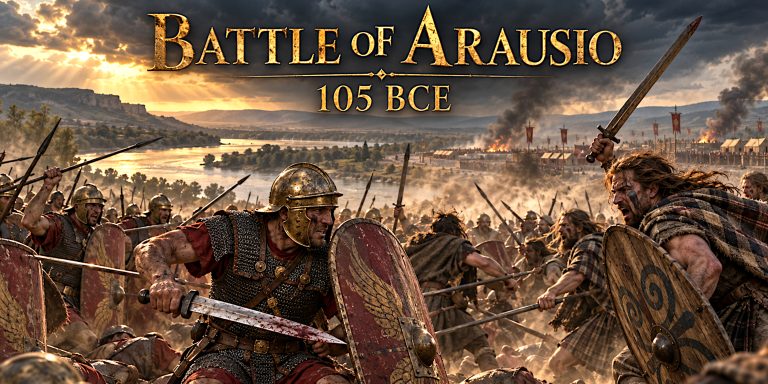
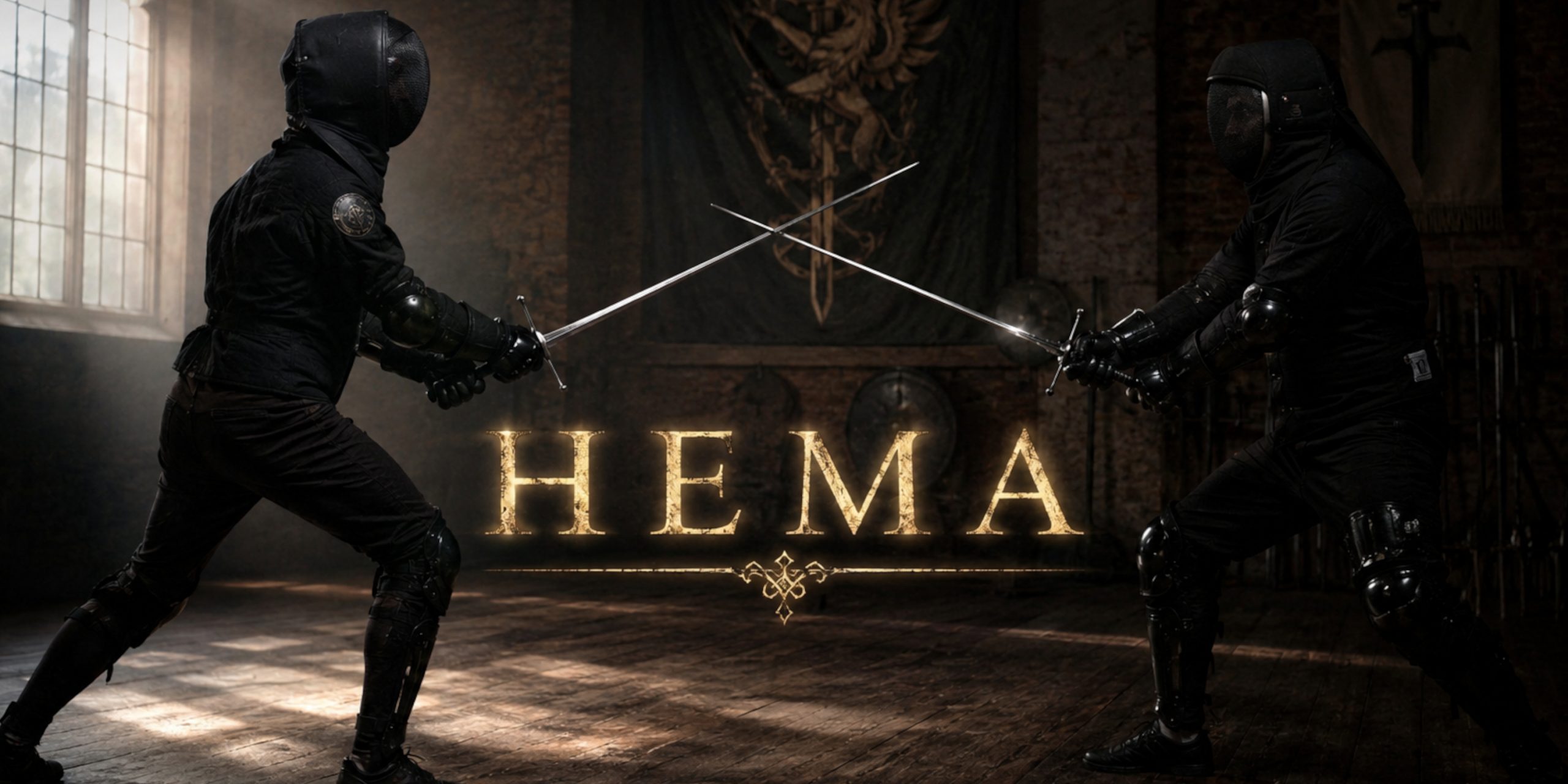
Historical European Martial Arts, better known as HEMA, is the study and practice of Europe’s historical fighting systems. It brings back techniques once used by knights, soldiers, duelists and civilians through surviving manuscripts, archaeology and practical reconstruction.
For a long time, European swordsmanship suffered from a rather unfair reputation. Popular culture often presented medieval combat as two armoured people hitting each other until one became too tired to continue. Thankfully, the surviving sources tell a much more interesting story. Medieval and Renaissance fighters were technical, tactical and sometimes terrifyingly efficient.
As a historian, one of the most fascinating parts of HEMA is that it sits somewhere between research and physical experimentation. Reading a 15th century fencing manual is one thing. Trying to perform the technique while someone enthusiastically swings a longsword at you is quite another.
What Is HEMA?
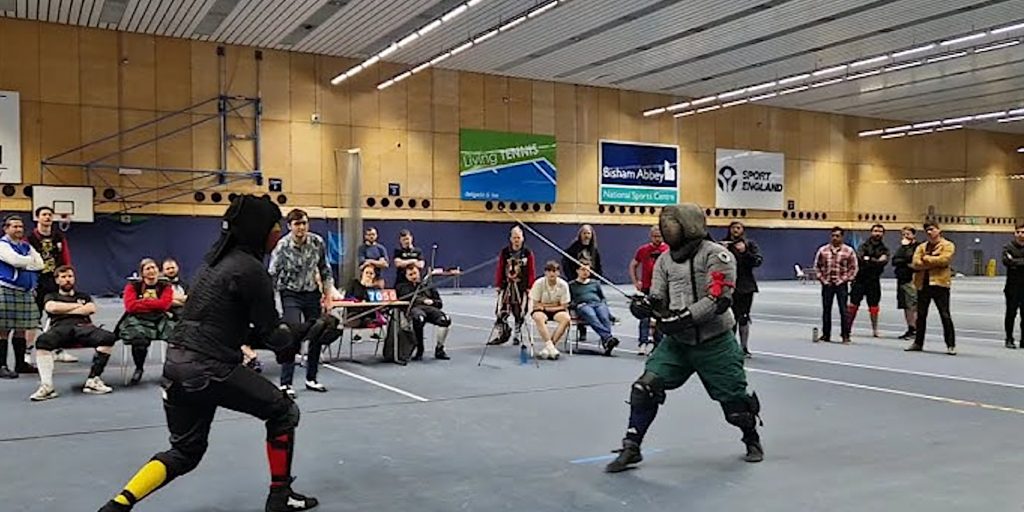
HEMA focuses on reconstructing historical European combat methods using original sources. Practitioners study old fencing books, experiment with techniques, train with modern safety equipment and compete in tournaments.
The main goals include:
- Understanding historical fighting techniques
- Preserving martial traditions
- Testing interpretations through sparring
- Studying historical weapons and armour
- Connecting physical practice with historical research
Unlike theatrical sword fighting, HEMA is not designed around looking impressive for an audience. The priority is whether a technique would actually work.
Sometimes that means elegant swordplay. Sometimes it means wrestling someone to the ground because medieval fighters were wonderfully practical and had very little interest in fighting fairly.
The Origins Of European Martial Arts
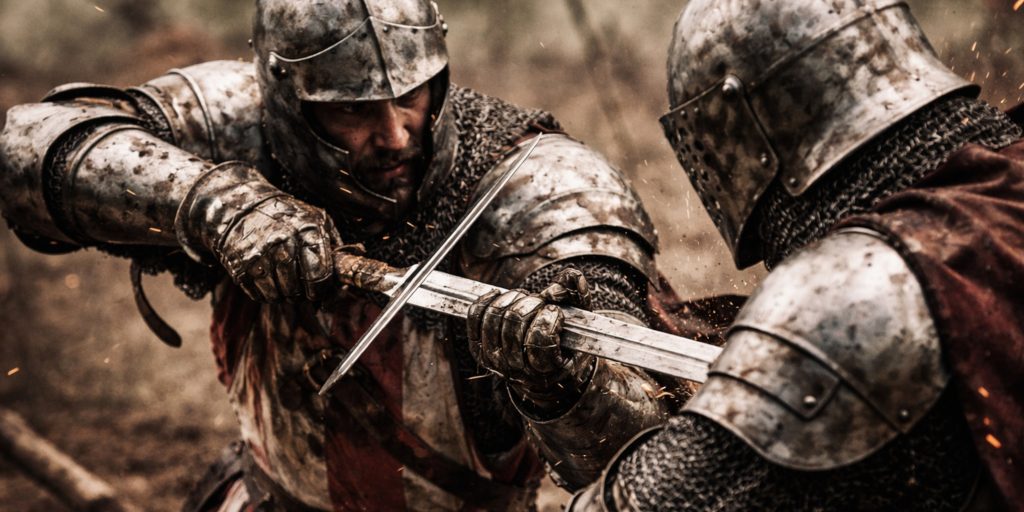
European martial traditions existed for thousands of years, but the best documented systems appear from the medieval and Renaissance periods.
Combat training covered:
- Battlefield warfare
- Civilian self-defence
- Judicial duels
- Personal honour disputes
- Tournament fighting
Professional fencing masters recorded their knowledge in detailed manuals called fight books or Fechtbücher. These texts preserved sophisticated systems involving timing, distance, body mechanics and psychological control.
The idea that Europe lacked advanced martial arts is a modern misunderstanding. Medieval masters were analysing combat with almost scientific attention centuries ago.
Important Historical HEMA Masters
Several fencing masters shaped what modern practitioners study today.
| Master | Period | Region | Known For |
|---|---|---|---|
| Johannes Liechtenauer | 14th century | German states | Longsword tradition and German fencing systems |
| Fiore dei Liberi | Late 14th to early 15th century | Italy | Complete knightly combat system |
| Hans Talhoffer | 15th century | German states | Illustrated fighting manuals and duelling techniques |
| Joachim Meyer | 16th century | Germany | Renaissance fencing and training methods |
| Achille Marozzo | 16th century | Italy | Sword and buckler, sidesword traditions |
| George Silver | Late 16th century | England | English swordsmanship and defence theory |
Their manuals reveal a martial world that was far more organised than many people expect. Medieval Europe apparently had plenty of paperwork, even when teaching someone how to remove another person’s helmet with enthusiasm.
Main Weapons Used In HEMA
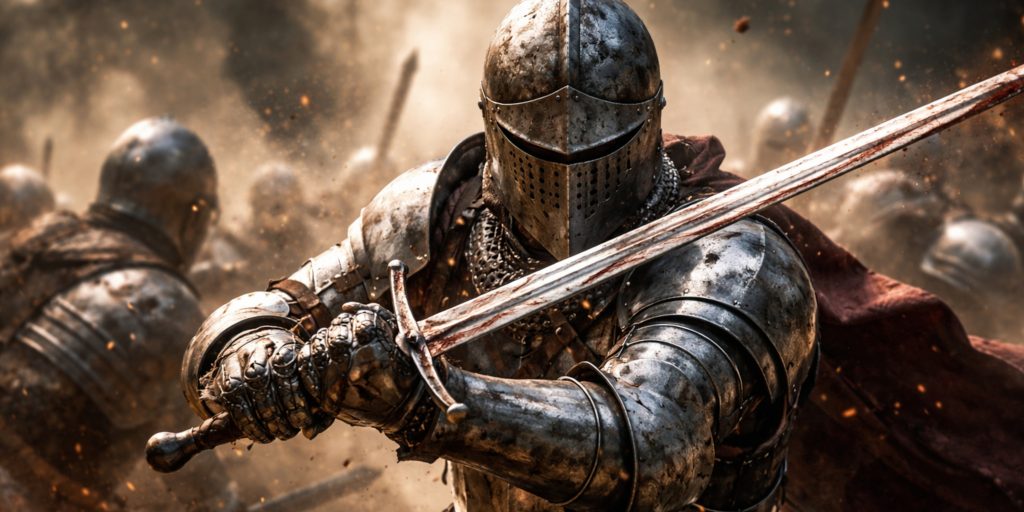
HEMA covers a wide range of weapons from different eras.
Longsword
The longsword is probably the most recognisable HEMA weapon.
Typical features:
- Two-handed grip
- Straight double-edged blade
- Length around 100 to 140 cm
- Used from the late medieval into Renaissance periods
Historical techniques included:
- Cutting
- Thrusting
- Grappling
- Binding blades
- Half-swording against armour
The longsword was not a heavy, clumsy weapon. Most examples weighed roughly 1.2 to 1.8 kg and relied heavily on speed, control and precision.
Sword And Buckler
The sword and buckler combination was one of medieval Europe’s most popular civilian fighting styles.
It combined:
- One-handed sword attacks
- Small shield defence
- Close-range movement
- Rapid offensive actions
One of the earliest surviving European combat manuals, the I.33 manuscript, focuses on this style.
Rapier
The rapier developed during the Renaissance and became associated with civilian duelling.
Strengths:
- Excellent reach
- Precise thrusting attacks
- Advanced footwork
- Complex blade control
Despite its elegant appearance, the rapier was not a delicate costume weapon. Historical rapiers were serious fighting tools designed for lethal encounters.
Messer And Falchion Traditions
Single-edged swords also feature heavily in HEMA.
The messer, especially popular in German regions, combined sword techniques with brutal close-range actions.
Techniques included:
- Powerful cuts
- Blade trapping
- Throws
- Joint attacks
It is a reminder that historical fencing masters were often less concerned with looking heroic and more concerned with making sure they were the person walking home.
Polearms
HEMA also studies battlefield weapons including:
- Spear
- Halberd
- Poleaxe
- Quarterstaff
The poleaxe was especially important in armoured combat. Knights trained extensively with it because armour made simple sword cuts far less effective.
Arms And Armour In HEMA
Understanding armour is essential because fighting techniques changed depending on protection.
Unarmoured Combat
Known as Blossfechten, this focused on fighters without full armour.
Common weapons:
- Longsword
- Messer
- Rapier
- Sword and buckler
Speed, distance and avoiding injury were vital.
Armoured Combat
Known as Harnischfechten, this involved fighting opponents wearing plate armour.
Techniques changed dramatically:
- Half-swording for accuracy
- Thrusting into armour gaps
- Wrestling
- Using weapons as levers
Contrary to the old myth, knights in armour were not helpless metal statues. Well-made armour allowed running, climbing and complex movement.
The medieval knight was closer to an elite athlete than a walking kitchen appliance.
How HEMA Techniques Are Reconstructed
Modern HEMA relies on several areas of research:
- Historical manuscripts
- Museum collections
- Archaeological finds
- Biomechanics
- Controlled sparring
Practitioners constantly debate interpretations because medieval authors did not always explain every detail.
A manuscript might casually mention a movement that made perfect sense to a trained 15th century student. Five hundred years later, everyone else gets the joy of arguing about exactly where someone’s elbow should be.
HEMA Training Today
Modern clubs usually train with:
- Synthetic practice swords
- Blunt steel weapons called feders
- Protective jackets
- Fencing masks
- Gloves
- Throat and joint protection
Training often includes:
- Footwork drills
- Technique practice
- Partner exercises
- Sparring
- Tournament preparation
Safety equipment allows techniques to be tested while avoiding the traditional medieval downside of needing a surgeon afterwards.
HEMA Competitions
Modern HEMA has grown into an international competitive sport.
Events usually involve:
- Longsword tournaments
- Rapier competitions
- Sword and buckler divisions
- Wrestling
- Cutting tests
Judges score fighters based on successful strikes, control and technical quality.
Competitive HEMA is still evolving because recreating extinct martial traditions is complicated. The community constantly balances historical accuracy with modern sporting needs.
Famous Historical Manuscripts
Important sources include:
| Manuscript | Date | Importance |
| Royal Armouries MS I.33 | Around 1300 | Earliest known European fencing manual |
| Fior di Battaglia | Around 1409 | Italian knightly combat system |
| Codex Wallerstein | 15th century | German fencing and wrestling techniques |
| Talhoffer Fechtbuch | 15th century | Duelling and combat illustrations |
| The Art of Combat by Joachim Meyer | 1570 | Renaissance martial training |
Where To See HEMA Weapons And Manuscripts
Important collections include:
- Royal Armouries, Leeds
- Wallace Collection, London
- Metropolitan Museum of Art, New York
- Kunsthistorisches Museum, Vienna
- Bayerische Staatsbibliothek, Munich
These collections preserve original swords, armour and fighting texts that continue to influence modern research.
HEMA Compared With Modern Fencing
| Feature | HEMA | Modern Olympic Fencing |
| Source | Historical manuals | Modern sporting rules |
| Weapons | Many historical types | Foil, épée, sabre |
| Grappling | Often included | Not included |
| Armour study | Important | Not relevant |
| Objective | Reconstruction and competition | Competitive sport |
Both require great skill, but they developed for different purposes.
How to Take Part in HEMA
If you’re interested in joining HEMA, follow these steps:
- Find a Local Club: Search for HEMA schools or clubs in your area through organisations like the HEMA Alliance or the Academy of Historical Arts.
- Get Basic Gear: Most clubs provide training swords, but you may need your own protective equipment over time.
- Study Historical Manuals: Read sources like Fiore dei Liberi’s Fior di Battaglia or Joachim Meyer’s Art of Combat to understand techniques.
- Train Regularly: Practise footwork, drills, and sparring under experienced instructors.
- Join Tournaments: Once proficient, test your skills in regional or international competitions.
UK HEMA Groups to Join

Below is a list of active HEMA clubs across the UK, ideal for beginners and seasoned practitioners alike:
| Group Name | Location | Specialisations | Website |
|---|---|---|---|
| Academy of Historical Arts | Glasgow, Scotland | Longsword, Rapier, Polearms | www.aha.org.uk |
| London Historical Fencing | London, England | Rapier & Dagger, Sabre, Bolognese Swordsmanship | www.londonhistoricalfencing.com |
| Cambridge HEMA | Cambridge, England | German Longsword, Sword & Buckler | www.cambridgehema.co.uk |
| Schola Gladiatoria | London, England | Armoured Combat, Italian Longsword | www.fightcamp.co.uk |
| York School of Defence | York, England | I.33 Sword & Buckler, Messer | www.yorkschoolofdefence.org |
| Edinburgh HEMA | Edinburgh, Scotland | Fiore dei Liberi, Lichtenauer | www.edinburghhema.com |
Further Resources:
- The Medieval Longsword by Guy Windsor (UK-based HEMA instructor).
- Visit the British Federation for Historical Swordplay for national tournament listings.
- Explore armour reproductions at Armour Class (UK supplier).
The Future Of HEMA
HEMA has grown rapidly because it combines history, sport and detective work. It appeals to people who want more than reading about the past. They want to understand how it moved, sounded and functioned.
There are still unanswered questions. Every manuscript translation, archaeological discovery and tournament adds another piece to the puzzle.
For historians, that uncertainty is part of the attraction. The past rarely hands over perfect answers. Sometimes it gives us a faded drawing of two people fighting with swords and leaves us to figure out exactly what chaos is happening.
Thankfully, HEMA practitioners seem perfectly happy spending years finding out.