Sword fighting is one of humanity’s oldest martial traditions. Long before the sword became a symbol hanging above a fireplace or appearing dramatically in fantasy films, it was a practical tool of survival, status and war.
Across continents, warriors developed systems for using blades with remarkable sophistication. These were not wild clashes of steel where the strongest person simply swung hardest and hoped for the best. Historical swordsmanship involved timing, distance, psychology, body mechanics and a surprising amount of patience. Anyone who has attempted a proper sword drill quickly learns that looking heroic is much easier when nobody is trying to hit you back.
As a historian, I find sword martial arts fascinating because they reveal how different cultures approached the same problem: how to survive a fight where a single mistake could be fatal. The answers varied enormously, creating some of the richest combat traditions in history.
What Are Sword Martial Arts?
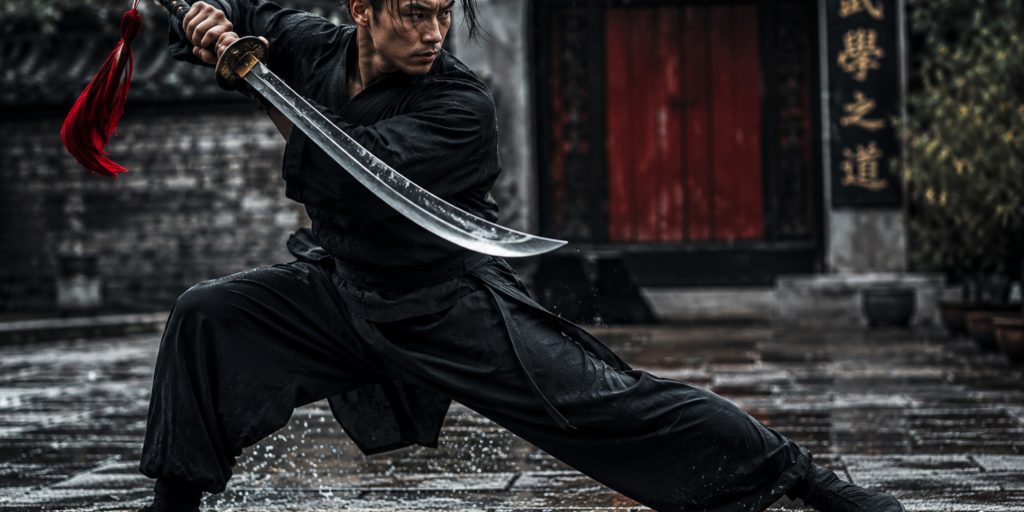
Sword martial arts are structured combat systems built around the use of bladed weapons. They teach:
- Footwork and movement
- Attacking techniques
- Defensive actions
- Timing and distance control
- Awareness and strategy
- Mental discipline
Many developed directly from battlefield requirements, while others evolved from duelling cultures, personal defence systems or spiritual practices.
Modern sword martial arts generally fall into two broad groups:
Living traditions:
Systems that have continued through direct teaching lines for centuries.
Reconstructed traditions:
Historical fighting arts revived through manuscripts, archaeology and experimental research.
Both approaches offer valuable insight into how swords were actually used rather than how films imagine they were used.
The Origins of Sword Fighting
The earliest sword traditions emerged after the development of bronze weapons during the Bronze Age. Civilisations in Egypt, Mesopotamia, China and the Mediterranean created specialised fighting methods as swords became more common among warriors.
Early swords were shaped by technology:
- Bronze blades required careful handling due to material limitations
- Iron allowed longer and stronger weapons
- Steel revolutionised sword design and durability
The sword was rarely the main battlefield weapon throughout history. Spears, bows and later firearms often dominated warfare. The sword, however, held a special position because it was portable, versatile and deeply connected to identity.
A spear might win a battle, but a sword was the weapon people wrote poems about. History has always enjoyed a little drama.
Japanese Sword Martial Arts

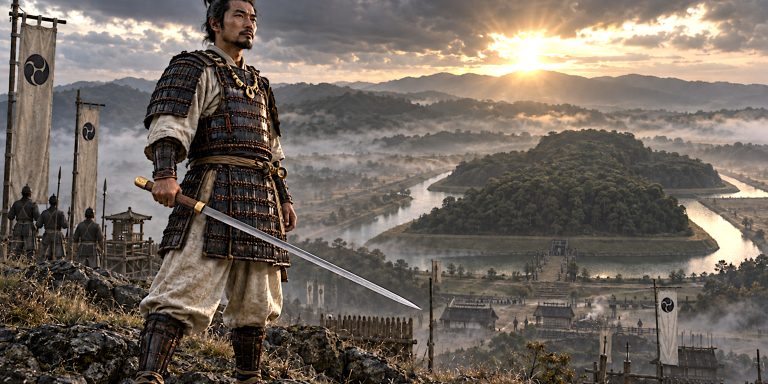
Japanese swordsmanship is among the most famous sword traditions in the world, largely because of the cultural legacy of the samurai.
The Japanese katana became associated with precision, discipline and warrior philosophy. The reality was more complex than popular culture suggests. Samurai used bows, spears and firearms extensively, but sword training remained an important part of martial education.
Major Japanese sword arts include:
Kenjutsu
Kenjutsu means “sword technique” and refers to traditional schools focused on practical combat with the Japanese sword.
Training includes:
- Cutting techniques
- Defensive movements
- Partner drills
- Tactical positioning
Many historical schools preserve techniques developed during Japan’s feudal conflicts.
Kendo
Kendo is a modern martial sport derived from older sword traditions.
Practitioners use:
- Shinai bamboo swords
- Protective armour called bogu
- Competitive sparring formats
Although modernised, kendo retains concepts linked to traditional swordsmanship.
Iaido
Iaido focuses on drawing the sword and responding instantly to an attack.
Training emphasises:
- Precision
- Awareness
- Controlled movement
- Mental focus
It is often quiet, deliberate and almost meditative, although anyone who thinks it is easy has clearly never attempted hundreds of controlled sword draws in one session.
European Sword Martial Arts
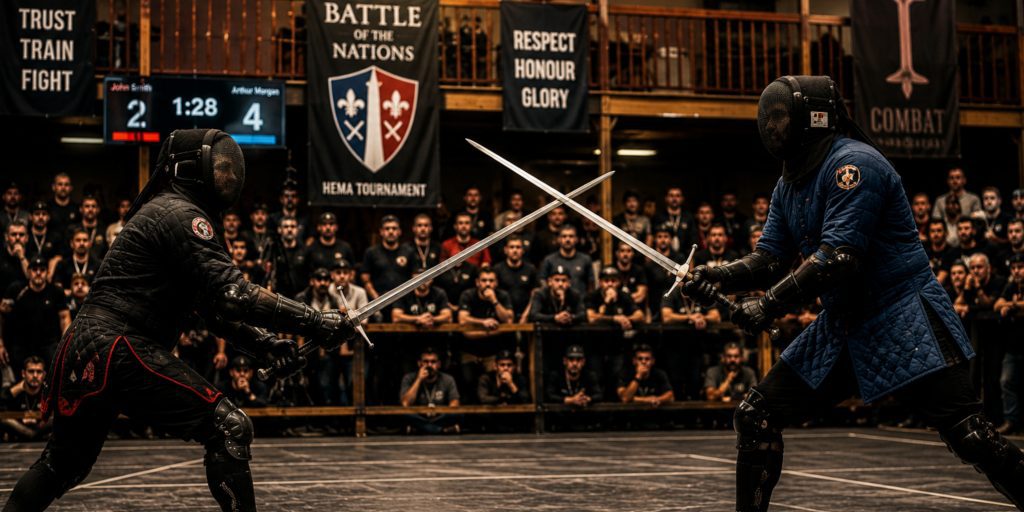
European swordsmanship was once incredibly diverse. For many years it was overshadowed by myths that medieval combat involved brute strength rather than skill.
Historical evidence shows the opposite.
Medieval and Renaissance fight books reveal advanced combat systems with detailed techniques for swords, daggers, polearms and wrestling.
Historical European Martial Arts (HEMA)
Historical European Martial Arts, commonly known as HEMA, reconstructs old European fighting systems through surviving manuals.
Sources include works by masters such as:
HEMA practitioners study weapons including:
The European longsword tradition is especially popular. Contrary to fantasy stereotypes, longswords were not slow metal clubs. They were balanced, responsive weapons designed for quick attacks, counters and technical exchanges.
Medieval warriors were many things, but they were not simply people hitting each other until someone fell over.
Chinese Sword Martial Arts

Chinese swordsmanship has a history stretching back thousands of years.
Two famous Chinese swords dominate martial traditions:
Jian
The jian is a straight, double-edged sword sometimes called the “gentleman of weapons.”
It is associated with:
- Precision
- Fluid movement
- Thrusting techniques
- Controlled cuts
The jian appears throughout Chinese history as both a military weapon and a symbol of education and refinement.
Dao
The dao is a single-edged sword often associated with military use.
It emphasises:
- Powerful cuts
- Momentum
- Practical battlefield movements
Chinese martial arts preserved sword techniques through styles such as kung fu, tai chi sword forms and traditional weapon schools.
Korean Sword Martial Arts
Korea developed its own sword traditions influenced by native practices and interactions with neighbouring cultures.
Important arts include:
Haidong Gumdo
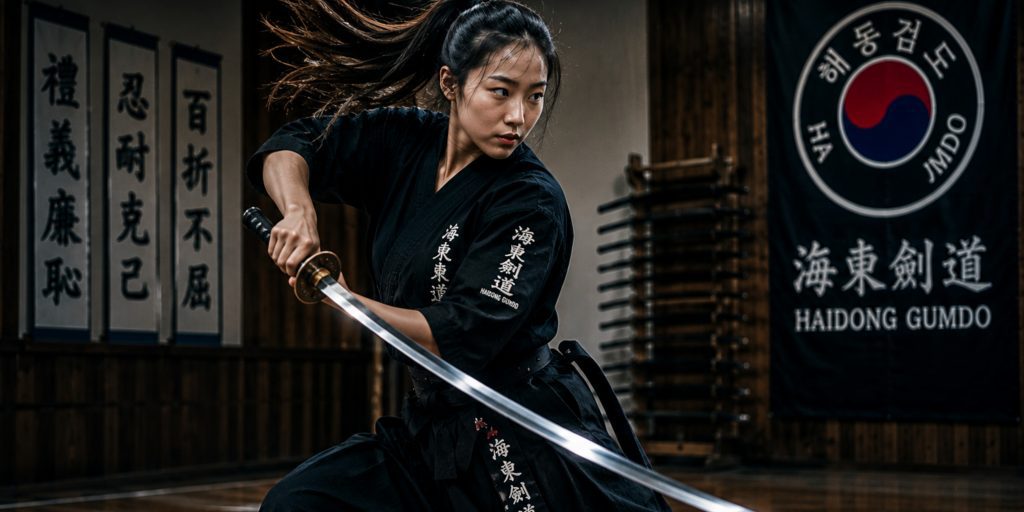
A modern Korean sword art focused on:
- Cutting practice
- Forms
- Movement drills
- Multiple opponent scenarios
Traditional Korean Swordsmanship
Historical Korean military texts such as the Muyedobotongji preserve techniques involving weapons including:
- Ssangsudo
- Jedok geom
- Wol-do
- Spears and polearms
Korean sword history is sometimes overlooked internationally, but its military manuals provide some of East Asia’s most valuable combat records.
Filipino Sword and Blade Arts
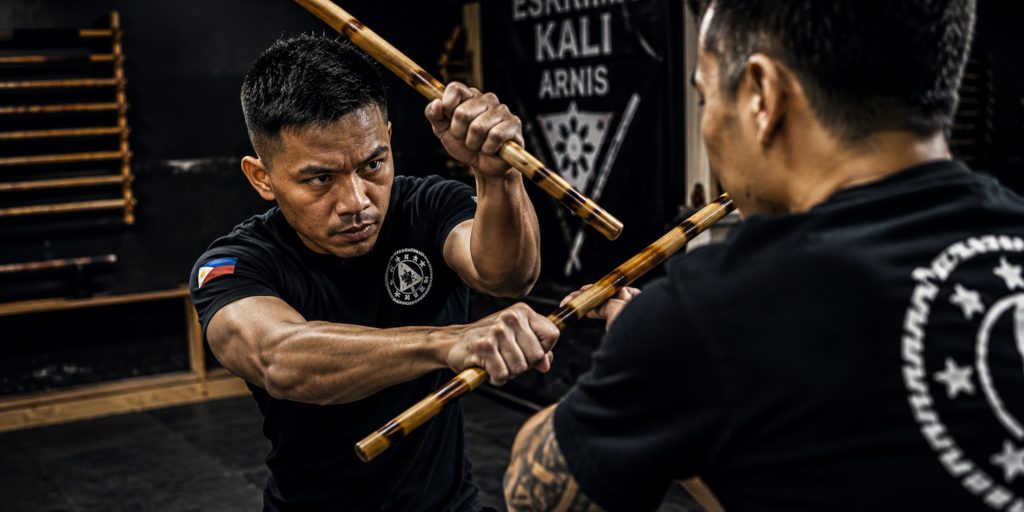
The Philippines developed highly practical blade systems shaped by local warfare and colonial encounters.
Arts such as Eskrima, Kali and Arnis teach:
- Sword and stick techniques
- Knife defence
- Dual weapon fighting
- Flow drills
Unlike some ceremonial sword systems, Filipino martial arts retained a strong focus on practical combat application.
Modern Olympic Fencing
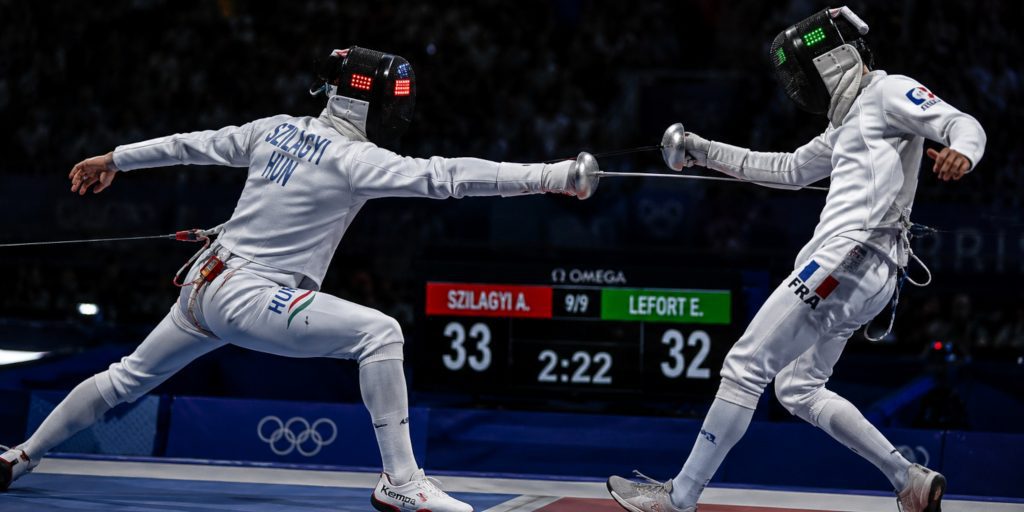
Modern fencing evolved from European duelling traditions.
The three main weapons are:
| Weapon | Origin | Characteristics |
|---|---|---|
| Foil | Training sword | Precision thrusting |
| Épée | Duelling sword | Full target area |
| Sabre | Cavalry sword influence | Cuts and thrusts |
Sport fencing is very different from battlefield swordsmanship, but it preserves important principles of timing, distance and reaction.
Sword Training Equipment
Modern practitioners train with different tools depending on the martial art.
Common examples include:
- Wooden swords for drills
- Blunt steel trainers for historical practice
- Bamboo weapons for safer sparring
- Protective armour
- Cutting swords for target practice
Training weapons are essential because historical swords were designed to injure. A shocking discovery, I know.
Were Historical Sword Fights Like Films?
Usually, no.
Real sword fights were often:
- Short
- Aggressive
- Tactical
- Decided by small mistakes
Long exchanges with spinning attacks and dramatic pauses are mostly entertainment.
Historical fighters focused on:
- Controlling distance
- Creating openings
- Protecting themselves
- Ending fights quickly
Survival mattered more than looking impressive.
The Revival of Sword Martial Arts
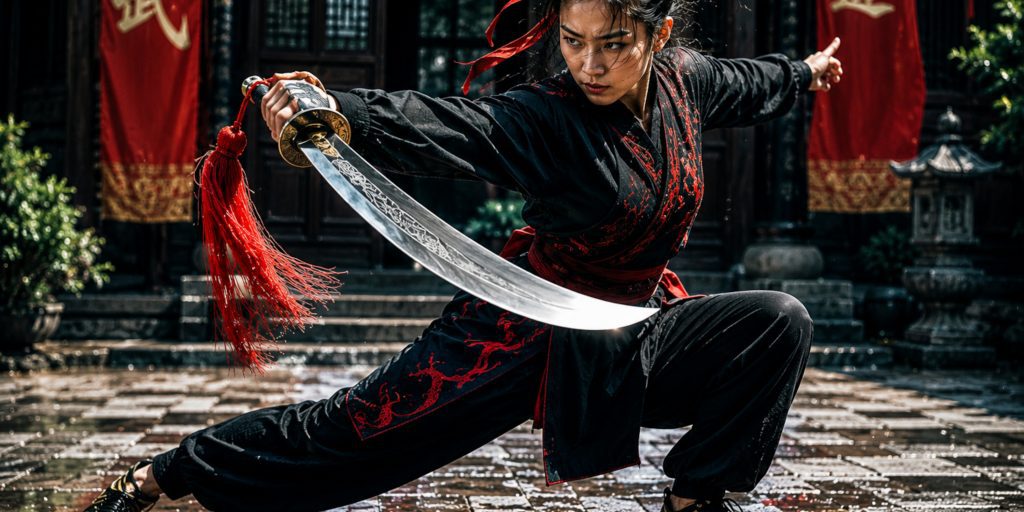
Sword martial arts have seen major growth in recent decades.
Reasons include:
- Increased access to historical sources
- Interest in traditional martial arts
- Better protective equipment
- Online communities sharing research
- Popularity from games, films and fantasy media
The difference today is that historians, martial artists and researchers can compare evidence globally.
A medieval German fencing manuscript can now be studied alongside Japanese sword traditions or Chinese military texts. For anyone interested in martial history, that is rather wonderful.
Are Sword Martial Arts Still Useful?
For modern self-defence, swords obviously have limited relevance. Carrying a longsword around town tends to attract attention, and not usually the admiration kind.
However, sword martial arts still develop:
- Coordination
- Fitness
- Discipline
- Historical understanding
- Strategic thinking
They also preserve knowledge that could otherwise disappear.
Sword Martial Arts Table: Key Styles, Examples, and Dates
| Martial Art | Region | Weapon | Key Example/Figure | Date | Characteristics |
|---|---|---|---|---|---|
| HEMA | Europe | Longsword, Rapier | Fiore dei Liberi’s Flos Duellatorum | 14th–15th century | Combines cuts, thrusts, and grappling from medieval manuscripts. |
| Olympic Fencing | Europe | Foil, Épée, Sabre | Introduction to the Olympics | 1896 (modern) | Sport-focused with electronic scoring; emphasises speed and precision. |
| Spanish Destreza | Spain | Rapier, Dagger | Don Jerónimo Sánchez de Carranza’s treatise | 16th century | Geometrical footwork and calculated thrusts; “The Skill” philosophy. |
| Scottish Highland Broadsword | Scotland | Basket-hilted Broadsword, Targe | Jacobite risings | 16th–18th century | Aggressive cuts paired with a shield; used in clan warfare. |
| Kenjutsu | Japan | Katana | Miyamoto Musashi’s The Book of Five Rings | Feudal era (12th–19th c.) | Samurai battlefield art focused on decisive strikes and counterattacks. |
| Kendo | Japan | Shinai (bamboo sword) | Dai Nippon Butoku Kai standardisation | 1895 (formalised) | Competitive sport targeting head, wrists, and torso; emphasises discipline. |
| Iaido | Japan | Katana | Hayashizaki Jinsuke Minamoto no Shigenobu | 16th century | Solo forms (kata) for drawing, cutting, and sheathing in one motion. |
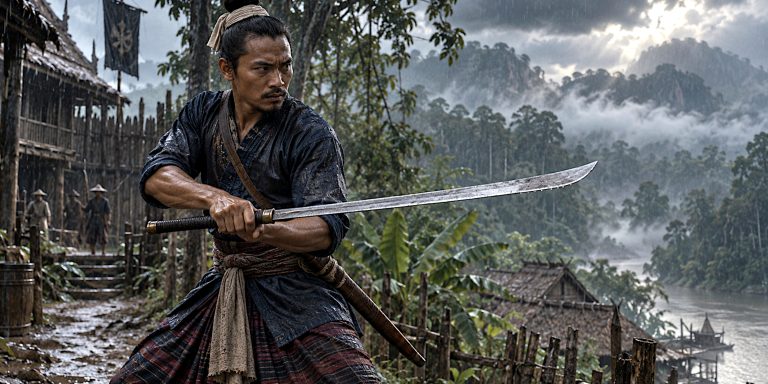
| Escrima | Philippines | Bolo, Kampilan | Lapu-Lapu’s resistance against Spanish | 16th century | Fluid stick-to-blade transition; emphasises dual weapons and disarms. |
| Tai Chi Jian | China | Jian (straight sword) | Wudang Mountain traditions | Ming Dynasty (1368–1644) | Graceful, circular movements integrated with internal energy (Qi). |
| Silambam | India | Urumi (whip-sword) | Sangam literature references | 2nd century BCE | Spinning strikes and acrobatics; the urumi’s flexibility disorients opponents. |
| Egyptian Saif | Egypt/Arab regions | Saif (curved sword) | New Kingdom cavalry | 16th–11th century BCE | Slashing techniques optimised for horseback combat. |
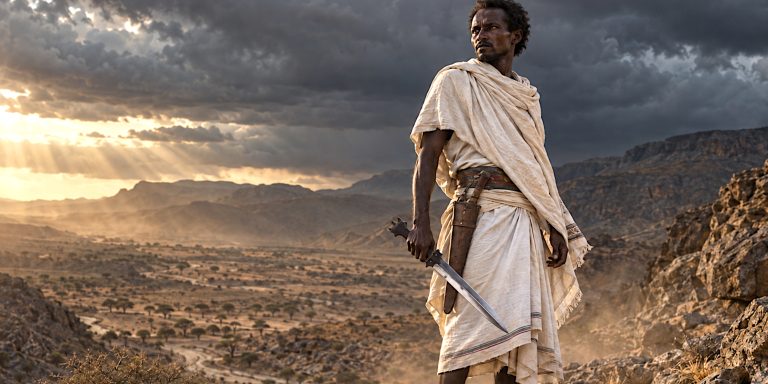
| Ethiopian Shotel | Ethiopia | Shotel (sickle-shaped sword) | Zagwe Dynasty warriors | 12th century CE | Hooked strikes to bypass shields; favoured by Ethiopian royals. |
| Lightsaber Combat | Global (fictional) | Lightsaber | Star Wars Form III: Soresu | 1977 (film debut) | Blends kendo footwork with European parries; popularised by Jedi lore. |
| HEMA Revival | Global (modern) | Longsword, Messer | Swordfish Championship (Gothenburg) | 2000s | Tournament-based reconstructions of historical duelling techniques. |
VIDEO: HEMA Longsword category