History is full of rulers who believed they were secure, right up until a peasant, outlaw, pirate or angry queen appeared and proved otherwise.
Some rebels fought for freedom. Others fought for land, religion or survival. A few were mythologised beyond recognition. Others have been remembered precisely because they died horribly and refused to give in.
Here are ten of the greatest rebels and militant uprisings in history, drawn from across the medieval and early modern world.
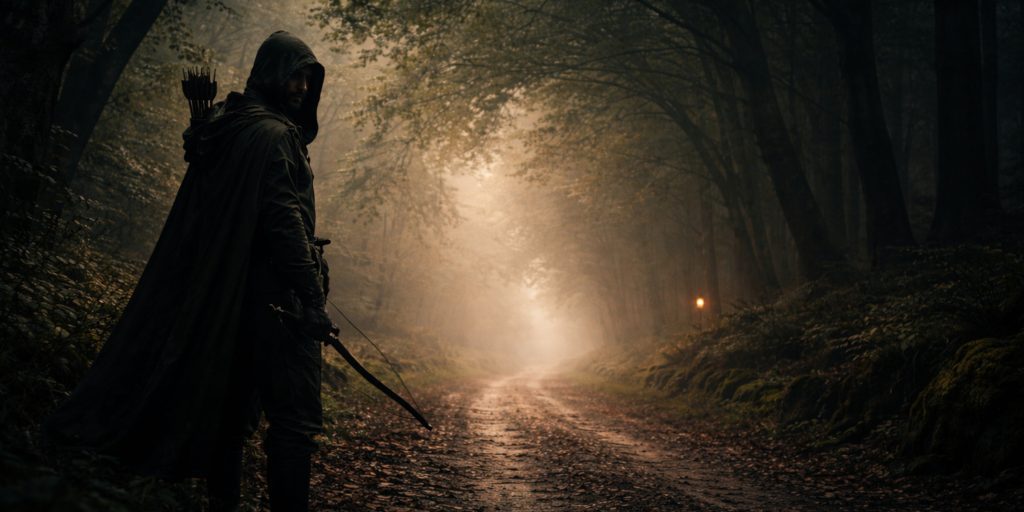
10. Robin Hood, The Outlaw Who Robbed the Rich
Dates: c. 1160-1247
Location: Sherwood Forest and Nottinghamshire, England
Fate: Unknown. If Robin Hood existed, he likely died as an outlaw or minor landholder. The legendary Robin simply rides off into folklore.
According to the stories, he lived in medieval England, probably sometime between the late twelfth and early thirteenth centuries. From his base in Sherwood Forest, Robin and his Merry Men robbed corrupt nobles, defied the Sheriff of Nottingham and helped the poor.
Whether Robin Hood existed as a real person remains uncertain. Medieval records mention several outlaws with similar names, but none can be tied conclusively to the famous archer.
Yet the uncertainty hardly matters. Robin Hood became the ultimate rebel in English folklore. He fought not against England itself, but against injustice, greedy officials and the sort of local lord who could make a tax collector look almost charming.
Legacy: Robin Hood became folklore’s champion of the poor and remains one of the most famous rebels in history.
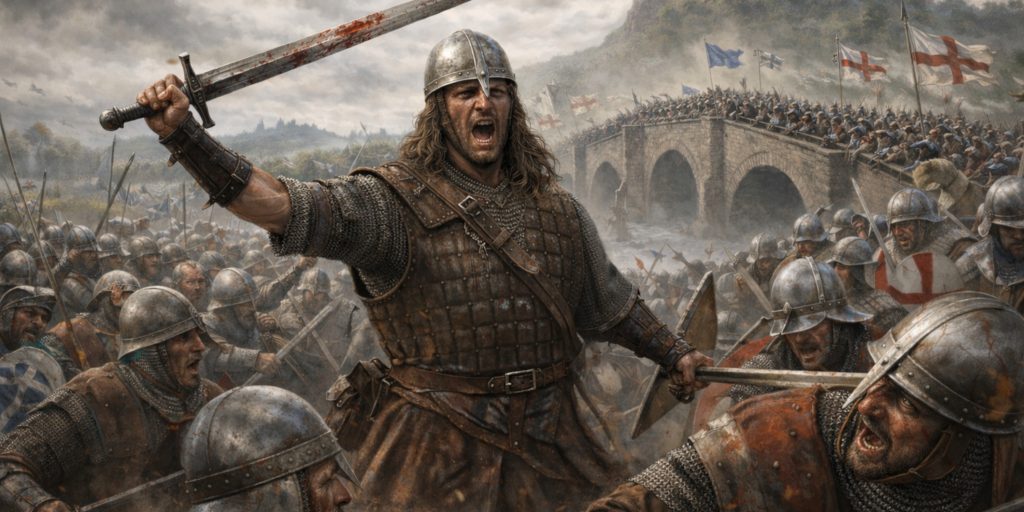
9. William Wallace, Scotland’s Sword of Freedom
Dates: 1270-1305
Location: Scotland, particularly Stirling, Falkirk and the Lowlands
Fate: Captured by the English and executed in London in 1305.
William Wallace emerged during the Wars of Scottish Independence.
After Edward I of England attempted to dominate Scotland, Wallace led a growing resistance movement. In 1297 he achieved a remarkable victory at the Battle of Stirling Bridge, where a smaller Scottish force destroyed a much larger English army.
Wallace became Guardian of Scotland, though his fortunes later declined. He was defeated at Falkirk in 1298 and eventually betrayed, captured and taken to London.
His execution in 1305 was exceptionally brutal, even by medieval standards, which is saying something. Edward I intended to make an example of him. Instead, he created a martyr.
Legacy: Wallace became the enduring symbol of Scottish independence and resistance to English rule.
8. Joan of Arc, The Girl Who Commanded Armies

Dates: 1412-1431
Location: France, especially Orléans, Reims and Rouen
Fate: Captured, tried for heresy and burned at the stake in Rouen in 1431.
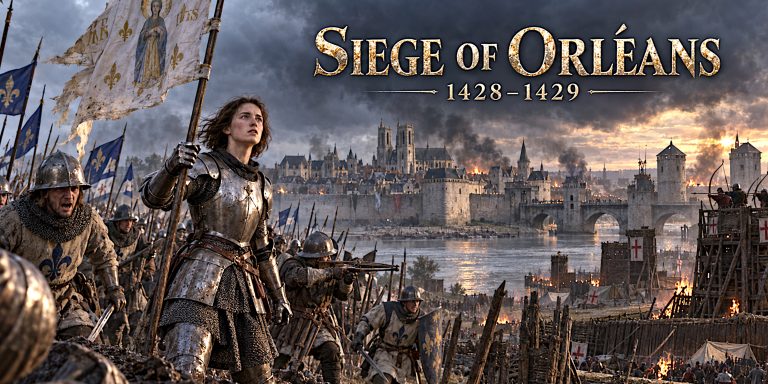
Joan of Arc was only a teenager when she changed the course of the Hundred Years’ War.
Claiming to have received divine visions, Joan persuaded the future Charles VII to let her accompany the French army. In 1429 she helped lift the siege of Orléans and inspired a series of French victories.
Her presence transformed French morale. Medieval armies were not generally accustomed to taking military advice from teenage peasant girls, yet Joan repeatedly proved more effective than many noble commanders.
Captured by the Burgundians and handed over to the English, Joan was tried for heresy and burned alive in 1431.
Legacy: Joan became a saint, a national heroine and one of history’s most extraordinary rebel figures.
7. Wat Tyler and the Peasants’ Revolt
Dates: 1381
Location: South-East England, especially Kent, Essex and London
Fate: Wat Tyler was killed at Smithfield. The revolt collapsed and many rebel leaders were executed.
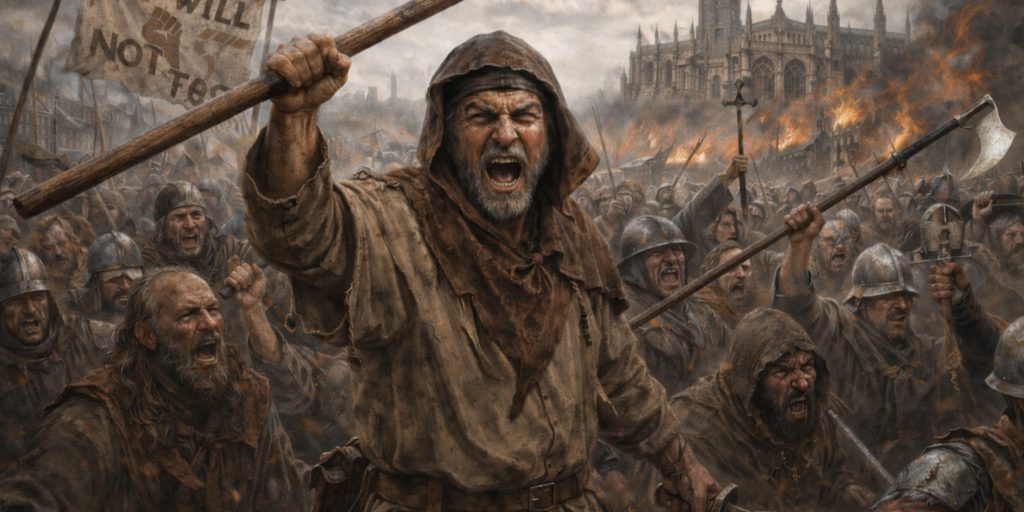
The Peasants’ Revolt of 1381 was the closest medieval England came to a full social revolution.
Driven by poll taxes, serfdom and years of frustration after the Black Death, tens of thousands of peasants marched on London under Wat Tyler and the radical priest John Ball.
The rebels entered the capital, attacked royal officials and forced the young Richard II to negotiate.
For several days, the English government appeared to be held together by little more than nerves and wishful thinking.
Then Wat Tyler was killed at Smithfield and the revolt collapsed.
“When Adam delved and Eve span, who was then the gentleman?”
John Ball’s famous words still capture the spirit of the uprising.
Legacy: The revolt failed, but it exposed the fragility of the feudal system and hastened the decline of serfdom.
6. Thomas Müntzer, The Radical Who Challenged Heaven and Earth
Dates: 1489-1525
Location: Central Germany, particularly Thuringia and Saxony
Fate: Captured after the Battle of Frankenhausen and executed in 1525.
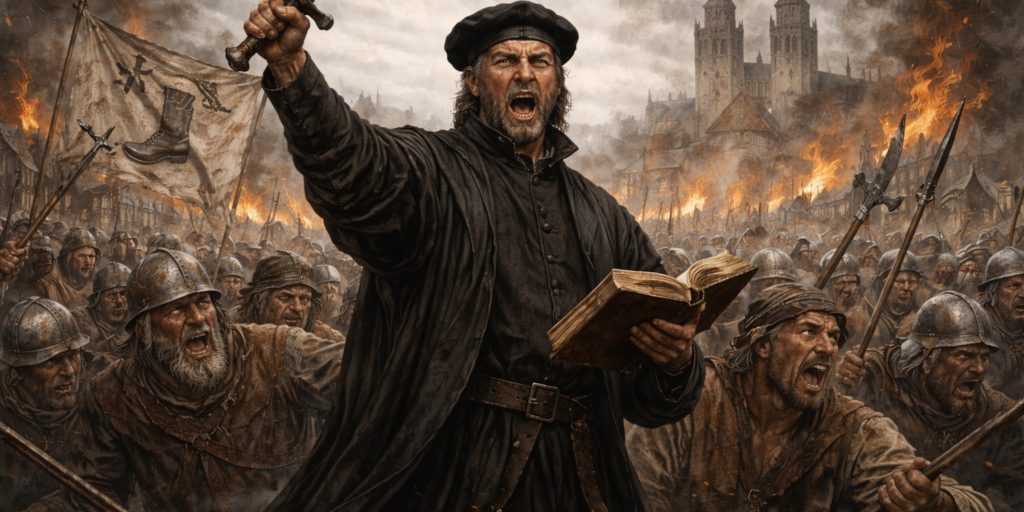
Thomas Müntzer was one of the most radical figures of the German Reformation.
Unlike Martin Luther, who wanted reform within society, Müntzer wanted to overturn society entirely. He preached that peasants should rise against princes, bishops and the wealthy.
During the German Peasants’ War of 1524 to 1525, Müntzer became one of the rebellion’s leading voices.
He called for a world without lords or bishops. Unsurprisingly, the lords and bishops were not enthusiastic.
The rebellion was defeated, Müntzer was captured and executed.
Legacy: Though he died, Müntzer later became an icon for radicals, revolutionaries and socialists.
5. Koxinga, The Pirate King Who Defied Empires
Dates: 1624-1662
Location: Coastal China, Fujian and Taiwan
Fate: Died in Taiwan in 1662, probably from illness, shortly after capturing the island.
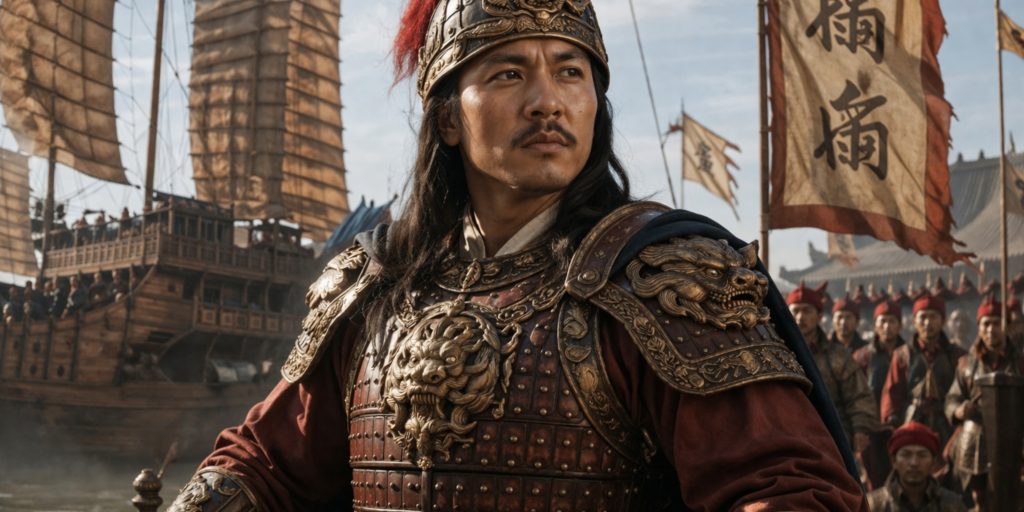
Koxinga, born Zheng Chenggong, was a Ming loyalist during the collapse of the Ming dynasty in China.
As the Qing conquered the mainland, Koxinga refused to surrender. From a base at sea, he built a powerful fleet and continued the struggle.
In 1662 he seized Taiwan from the Dutch and turned it into his last stronghold.
For a remarkable moment, one determined pirate admiral managed to defy both a Chinese empire and a European colonial power at the same time. History occasionally rewards sheer audacity.
Legacy: Koxinga became a folk hero in China and Taiwan, remembered as the man who refused to surrender.
4. The Irish Rebellion of 1641
Dates: 1641-1653
Location: Ireland, especially Ulster and Leinster
Fate: The rebellion was eventually crushed by Oliver Cromwell’s campaign in Ireland.
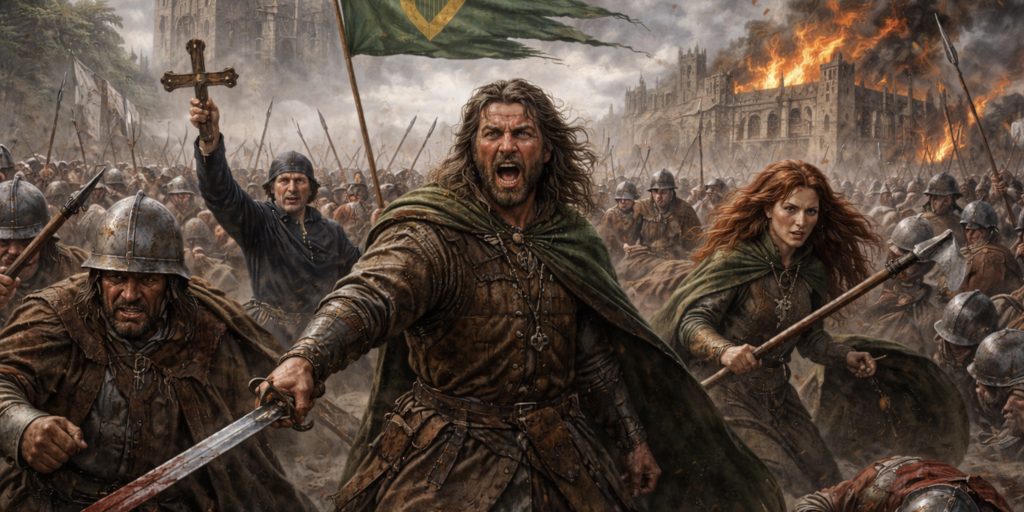
The Irish Rebellion began in 1641 when Irish Catholics rose against English and Scottish Protestant settlers.
The rebellion was driven by resentment at land seizures, religious discrimination and colonial rule.
What began as an attempted coup quickly descended into years of bitter violence. Massacres, reprisals and civil war followed.
The rebellion eventually merged into the wider Wars of the Three Kingdoms.
Legacy: The rising became a defining moment in Irish history and deepened centuries of conflict between Ireland and England.
3. Boudicca, The Queen Who Burned Rome’s Cities
Dates: c. AD 30-61
Location: Roman Britain, especially East Anglia, Colchester, London and St Albans
Fate: Probably died by poison after her defeat by the Romans.
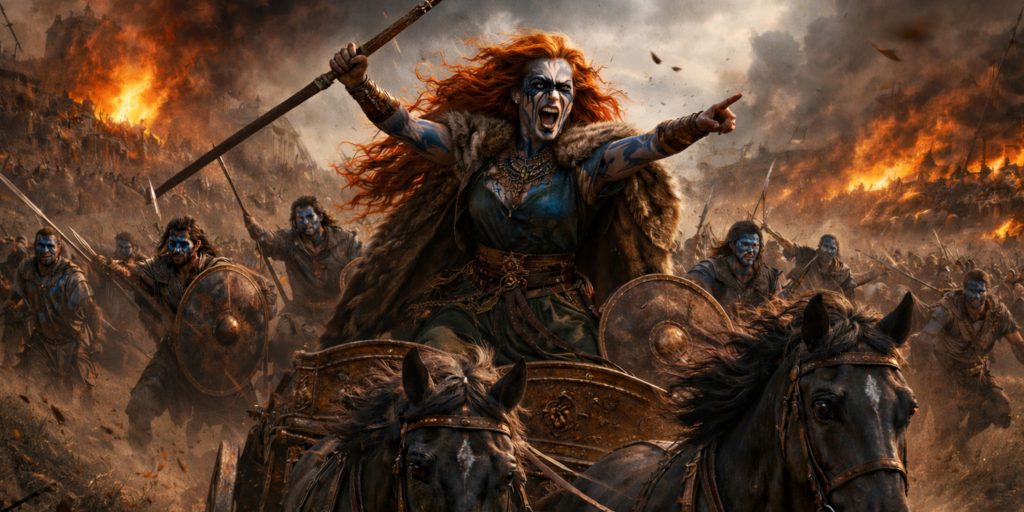
Boudicca led the most famous revolt against Roman rule in Britain.
After the Romans flogged her and abused her daughters, she united several British tribes and launched a devastating uprising in AD 60 or 61.
Her forces destroyed Camulodunum, Londinium and Verulamium. Roman Britain came close to complete collapse.
Eventually, Suetonius Paulinus defeated the rebels in a final battle.
Boudicca probably took poison rather than be captured.
Legacy: Boudicca became a timeless symbol of resistance against imperial abuse.
2. The Taiping Rebellion, China’s Bloodiest Revolution
Dates: 1850-1864
Location: Southern and Central China, especially Nanjing and the Yangtze Valley
Fate: The rebellion was crushed by Qing forces in 1864. Hong Xiuquan died shortly before the fall of Nanjing.
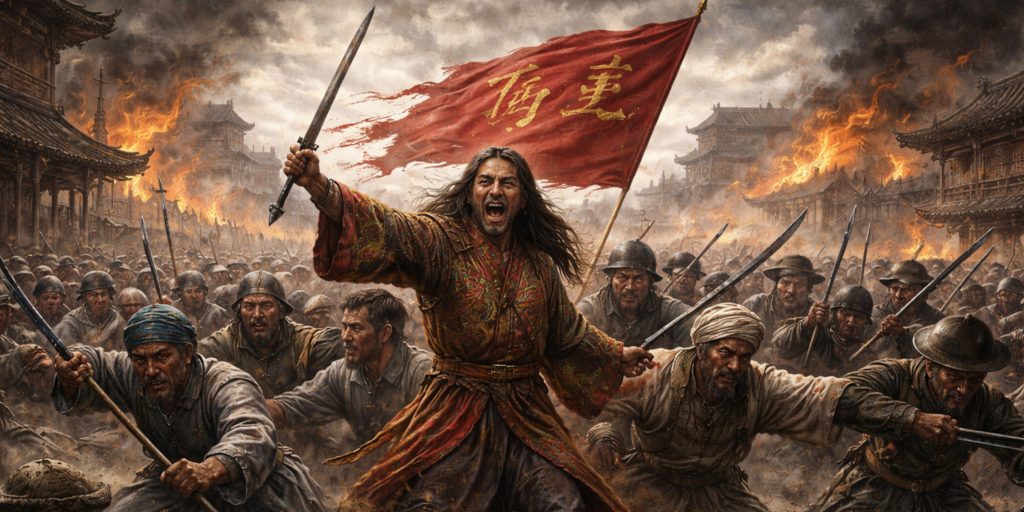
The Taiping Rebellion was one of the deadliest conflicts in human history.
Led by Hong Xiuquan, who claimed to be the younger brother of Jesus, the movement sought to overthrow the Qing dynasty and build a heavenly kingdom.
The rebellion spread across China and killed between twenty and thirty million people.
Even by the standards of history, which has a worrying tendency to overachieve in these matters, that number is extraordinary.
Legacy: The Taiping Rebellion nearly destroyed the Qing dynasty and proved that even mighty empires could bleed.
1. The Hussite Revolt, The Warriors Who Defied Crusades
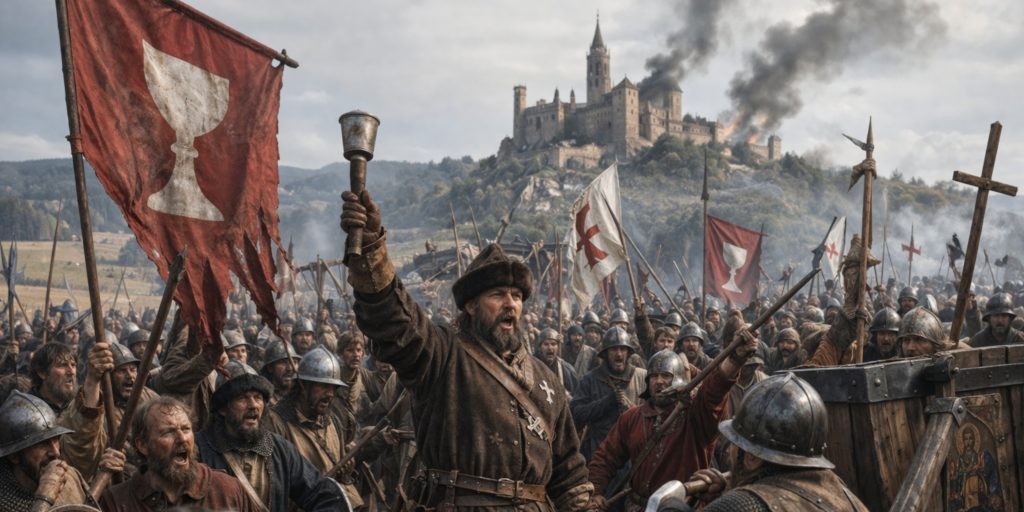
Dates: 1419-1434
Location: Bohemia, in modern-day Czech Republic
Fate: The radical Hussites were eventually defeated at the Battle of Lipany in 1434, though moderate Hussites secured concessions.
The Hussite Revolt began after the execution of the Czech reformer Jan Hus.
Bohemia erupted in rebellion against the Holy Roman Empire and the Catholic Church. Under the leadership of Jan Žižka, the Hussites created one of the most effective rebel armies of the medieval world.
Using wagon forts, disciplined infantry and early firearms, they repeatedly defeated armies sent to crush them.
The crusading armies sent against the Hussites had all the confidence of men convinced that God was on their side. Unfortunately for them, the Hussites had cannons.
Legacy: The Hussite Revolt transformed medieval warfare and helped lay the foundations for later Protestant movements.
Why These Rebels Matter Today
The rebels on this list lived in different centuries and fought for very different causes.
Yet they shared certain qualities:
- They challenged powerful rulers
- They inspired ordinary people
- They exposed the weakness of governments that seemed unshakeable
- They often lost in the short term but triumphed in memory
Most rebellions fail. The rebels die, the armies are crushed and the rulers declare victory.
Then, a few generations later, someone writes a ballad, builds a statue or names a street after them.
History has a habit of giving the last word to the people who refused to stay quiet.