Ghost of Yōtei gives you a beautiful stretch of seventeenth-century Ezo, a list of dangerous people and quite a lot of freedom over what to do next. That freedom is one of the game’s strengths, but it also means the opening hours can feel slightly chaotic. One minute Atsu is following a promising rumour. The next, she is cooking beside a campfire while a stranger wanders in to sell her something. Revenge has apparently developed an errands tab.
This spoiler-light beginner’s guide explains the combat, exploration and progression habits that make the early game smoother. You do not need a perfect build, encyclopaedic map knowledge or the reflexes of a caffeinated duellist. You mostly need to pay attention, experiment and stop treating every enemy as though one sword should solve everything.
Ghost of Yōtei beginner tips at a glance
- Learn weapon match-ups instead of relying on one favourite weapon.
- Spend time practising parries, dodges and disarms early.
- Use the spyglass whenever you reach high ground.
- Follow clues and conversations, not only map icons.
- Visit weapon masters and Altars of Reflection whenever you find them.
- Camp regularly to cook, prepare and meet useful travellers.
- Upgrade the equipment you actually use before spreading resources too widely.
- Change armour and charms to suit the activity in front of you.
- Keep ranged weapons and quickfire tools for dangerous specialists.
- Adjust the difficulty and accessibility options without shame. Ezo is not marking your homework.
Understand what kind of game Ghost of Yōtei is
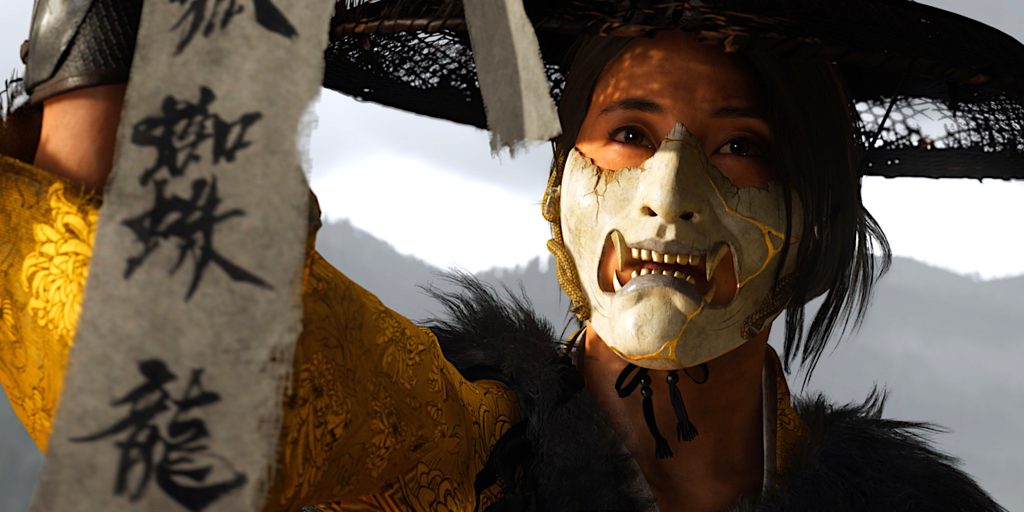
Ghost of Yōtei is a standalone story set around 300 years after Ghost of Tsushima. You play as Atsu, a mercenary returning to Ezo in pursuit of the Yōtei Six, the outlaws responsible for killing her family. You do not need to have played Jin Sakai’s story first.
The game combines open-world exploration, melee combat, ranged attacks, stealth, duels and character-driven quests. Its structure is intentionally flexible. Leads can be pursued in different directions, while optional tales, bounties and discoveries strengthen Atsu along the way.
Do not read that freedom as an instruction to clear every symbol before touching the main story. Follow whatever seems interesting. The game is designed around curiosity, and some of its most useful discoveries begin with a rumour, an unusual landmark or a person encountered on the road.
Choose settings that make combat readable
Before properly setting out, look through the gameplay, controls and accessibility menus. Ghost of Yōtei offers difficulty choices and individual assistance settings, so you can tailor the experience rather than accepting a single package.
If parry timing, rapid button prompts or visual navigation cues are causing trouble, adjust them. This does not undermine the combat. It lets you engage with the part that is actually interesting: reading an opponent, choosing the right response and deciding how aggressively to press an opening.
Control and tutorial reminders are worth leaving active during the first few hours. Atsu gradually acquires more weapons and abilities, and it is remarkably easy to forget a useful input while concentrating on three swordsmen and one extremely rude archer.
Master defence before chasing elaborate attacks
The safest early combat lesson is also the least glamorous: learn to defend properly. Regular blocks, well-timed parries and deliberate dodges will carry you much further than frantic attacking.
Watch the opponent rather than Atsu. Enemy posture and weapon movement tell you when an attack is coming. A successful parry creates a clean counter opportunity, while a perfect parry can generate Spirit and swing the momentum of a fight. When an attack cannot be blocked, dodge it and reposition instead of trying to win an argument with the warning indicator.
Avoid exhausting your full attack sequence every time you see an opening. Land a short combination, then prepare for the response. Crowds punish tunnel vision, especially when ranged enemies are involved.
A useful practice routine is simple:
- Block a few ordinary strikes without retaliating.
- Attempt parries once you recognise the animation.
- Dodge unblockable attacks sideways rather than retreating blindly.
- Counter with two or three strikes, then reassess.
You will feel slightly passive for a few minutes. Then the rhythm clicks, and enemies begin looking far less confident.
Match the weapon to the enemy
Ghost of Yōtei replaces the idea of solving every melee encounter with katana stances by giving Atsu a broader arsenal. The katana, dual katanas, yari, kusarigama and ōdachi each have favourable match-ups against particular enemy weapons or fighting styles.
Pay attention to the on-screen prompts and training offered when a weapon is introduced. Switching is part of combat, not an admission that your preferred blade has failed a personality test.
As a broad rule, use the weapon the game identifies as effective against the opponent in front of you. When a mixed group attacks, deal with immediate threats while switching as the composition changes. Trying to force one weapon through every guard is slower and riskier.
Unlocking the full melee selection is therefore a valuable early objective. More weapons give you more answers, and the training attached to them teaches mechanics that remain useful for the rest of the game.
Respect the disarm system
Powerful attacks can knock Atsu’s weapon from her hands. That moment is not decorative. If you ignore the dropped weapon and continue as though nothing happened, the situation can deteriorate very quickly.
Be ready to recover it, create distance or draw another available weapon. Atsu can also turn disarming against her enemies. A stolen or dropped weapon may become a quick opportunity to remove a threat or interrupt someone who was becoming far too pleased with himself.
Disarms make positioning especially important. Fighting in the centre of a group leaves very little room to recover. Work around the edge of an encounter, keep enemies within view and avoid backing into cluttered terrain.
Use Spirit with purpose

Spirit powers important combat actions, including healing and special techniques. Because the same resource supports both survival and aggression, spending it thoughtlessly can leave Atsu without a recovery option when a fight turns messy.
In ordinary encounters, keep some Spirit in reserve. Use special attacks when they remove a dangerous enemy, break an awkward situation or create a decisive advantage. Spending everything to make the first bandit look spectacularly defeated is satisfying, but the second bandit may have opinions.
Parries and effective combat help replenish Spirit, which is another reason to engage with the defensive mechanics. Clean technique creates more options. Button-mashing mostly creates noise.
Deal with archers and specialists first
When a group contains ranged attackers, bomb throwers or another enemy capable of disrupting you from a distance, make them a priority. Melee opponents are easier to read when an arrow is not arriving midway through every parry attempt.
Use cover while closing the distance, interrupt ranged attacks with your own bow or firearm, or use quickfire tools to create an opening. If the arena offers height or alternate routes, exploit them. Atsu is a mercenary, not a referee. Fairness is optional.
Against a large group, movement matters more than finishing every combo. Reposition, thin the crowd and avoid becoming surrounded. A tactical withdrawal of five metres still counts as tactics.
Do not save every tool for a mythical future emergency
Ranged weapons and quickfire tools exist to be used. They can interrupt dangerous attacks, remove isolated targets, soften a group before melee begins or rescue a fight that has gone sideways.
The sensible approach sits between wastefulness and hoarding. Do not fire expensive ammunition at an enemy who is already one strike from defeat, but do not reach the credits with a full inventory because every encounter somehow felt insufficiently special.
Restock when you visit merchants or gather supplies, and learn what each tool does best. Utility is often more valuable than raw damage. A brief stun or forced opening can be worth more than another ambitious sword swing.
Use stealth to control the first few seconds
You are not required to enter every camp with a speech and a visible sword. Scout the area, mark or identify threats where possible and remove isolated enemies before the alarm spreads.
Stealth is particularly useful for eliminating archers and reducing crowded encounters to a manageable size. It also gives you time to notice environmental opportunities and escape routes. If stealth fails, the preparation still matters because you already know the terrain.
There is no need to commit to a permanent stealth or combat identity. Change approach according to the location. The most useful build is the one that fits what you are doing now, not the one you promised yourself you would role-play 12 hours ago.
Let the landscape guide your exploration
Ghost of Yōtei is at its best when you look at the world instead of staring constantly at the map. Smoke, distinctive trees, distant structures, torii gates, wildlife and unusual changes in the landscape can all suggest something worth investigating.
Use the spyglass from hills and other high points. It helps identify distant activities and gives your wandering a little direction without turning exploration into icon administration. Mark something that looks interesting, ride towards it and allow yourself to be distracted along the way. That is very much the intended rhythm.
Cartographers can reveal useful information, but buying map knowledge should support observation rather than replace it. You will find more of the game’s character when travel feels like travel, rather than a commute between symbols.
Follow rumours, interrogations and clue cards
Information drives progression. Conversations, overheard rumours, interrogations and discovered clues can add leads to Atsu’s collection, pointing towards targets, bounties, equipment or other opportunities.
Check your clue cards when you are unsure what to pursue. They provide a clearer sense of how different leads connect than simply roaming the map and hoping revenge eventually happens nearby.
Speak to people at settlements, inns and camps. Some provide directions, maps or new work, while others bring services closer to you later. The game rewards a nosy player, which is fortunate because wandering into conversations is already one of the central skills of an open-world protagonist.
Establish useful hubs early
Important inns and settlements provide access to merchants, bounty boards and recurring characters. Visiting these places early gives Atsu somewhere useful to return to and opens additional threads across the region.
Bounties are particularly helpful because they combine combat practice, exploration and money. They also introduce enemy types and locations without forcing the main revenge story forward. Complete a few as you travel rather than trying to empty the entire board in one grim administrative session.
As Atsu’s reputation grows, more dangerous hunters can come looking for her. Stay stocked and be prepared for trouble while travelling. Fame in Ezo has a surprisingly aggressive notification system.
Camp often and pay attention to visitors
Camping is more than a cinematic pause. At camp, Atsu can cook, rest, play the shamisen and interact with allies or passing travellers. Visitors may offer information, upgrades, merchandise or services.
Use camp before a major quest or after a long stretch of exploration. Cook an appropriate meal, check your equipment and see who appears. It creates a natural preparation point while reducing the need to ride across the map for every small transaction.
The camp also gives the adventure some needed breathing room. Ghost of Yōtei is a revenge story, yes, but even vengeance benefits from dinner.
Find Altars of Reflection and weapon masters
Altars of Reflection provide opportunities to unlock new techniques, making them valuable discoveries during the early game. Prioritise abilities that improve the actions you perform constantly, such as parrying, dodging, Spirit management and your preferred forms of attack.
Weapon masters teach Atsu how to use new gear and expand her combat choices. Seeking them out is usually a better investment than pushing deep into difficult territory with an incomplete toolset.
Avoid choosing upgrades solely because the description sounds dramatic. A reliable defensive or resource-generating skill may have less theatrical wording, but it will help in almost every encounter.
Upgrade a focused set of equipment first
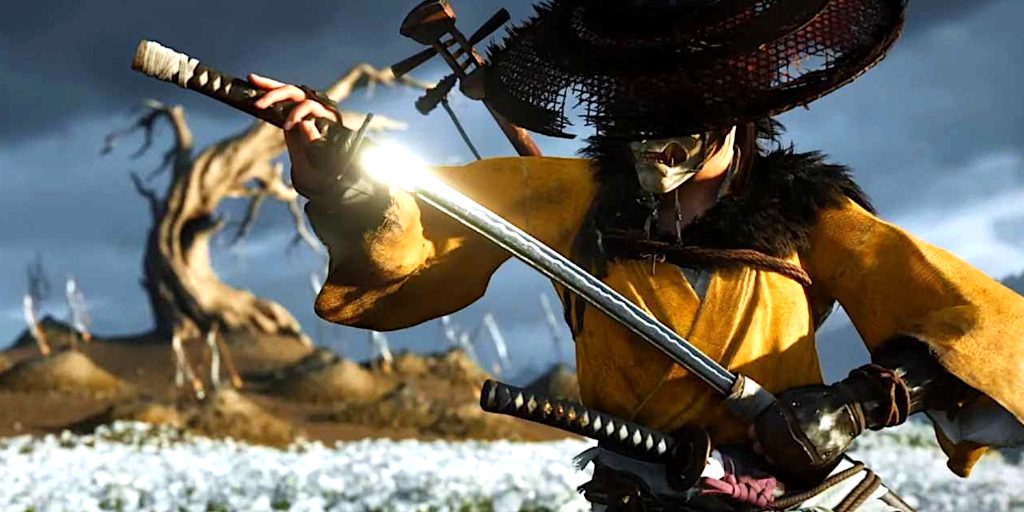
Early resources are limited, so upgrade with a plan. Improving everything one level at a time can leave your entire collection feeling mildly adequate. Instead, invest first in the weapons, armour and ranged options you use most.
That does not mean ignoring the wider arsenal. Each melee weapon has a purpose, so they all remain relevant. The point is to avoid spending rare materials on an item simply because an upgrade marker appeared.
Before buying or crafting, ask three questions:
- Does this improve an action I use regularly?
- Does it address a problem I keep having?
- Will I equip it for the next few quests?
If all three answers are no, keep the resources. Atsu does not need retail therapy. She needs functional armour.
Change armour and charms for the task
Armour sets and charms support different approaches, including direct combat, stealth, ranged attacks and exploration. There is no single outfit that is best for every situation.
Create a habit of checking your equipment before duels, camps and long exploration runs. A combat-focused setup may help during a difficult confrontation, while another arrangement can make travel, gathering or stealth more efficient.
Upgrade useful charms and pay attention to how their effects interact. A collection of individually decent bonuses is fine, but a set built around one clear purpose usually feels stronger. If your armour rewards perfect parries, pair it with charms and skills that reinforce that style.
Prepare properly for duels
Duels strip away much of the chaos found in group combat. They test timing, recognition and restraint. Enter with suitable armour, useful charms and enough Spirit to recover from mistakes.
During the first exchange, observe. Bosses and skilled opponents often punish repeated habits, so vary your timing and avoid attacking merely because there is a brief silence. Learn which sequences can be parried, which must be dodged and when the genuine opening arrives.
If a duel keeps defeating you, changing the difficulty is one option, but so is leaving temporarily. Explore, unlock techniques, improve your equipment and return. The duel will wait. Its confidence may not survive the reunion.
Use your horse and fast travel sensibly
Your horse makes long journeys manageable, but riding at full speed through unfamiliar country can cause you to miss clues, travellers and small discoveries. Slow down when the environment starts signalling something unusual.
Once fast travel points become available, use them for errands and repeated journeys. For a first trip through a region, travelling normally is usually more rewarding. Resources, rumours and spontaneous encounters often sit between the obvious destinations.
The goal is not to avoid convenience. It is to avoid converting a beautifully designed wilderness into a loading-screen menu before you have properly seen it.
Do side content, but do not let it become homework
Optional tales, bounties and exploration activities provide techniques, equipment, resources and stories. They are worth doing, particularly when they sit near your current route or offer a reward that supports your build.
Still, you do not need to complete an entire region before progressing. If a particular activity has started to feel repetitive, follow a main lead, hunt a different target or explore somewhere new. Ghost of Yōtei’s flexible structure works best when you alternate between focused objectives and spontaneous discovery.
Completion can come later. Enjoyment is a less patient resource.
Best early priorities
If you want a simple direction for the opening hours, use this order as a loose guide:
- Visit the first major hub and speak to everyone useful.
- Practise parries, dodges, weapon switching and Spirit management.
- Use high ground and the spyglass to identify nearby activities.
- Seek Altars of Reflection and weapon masters.
- Complete a few nearby tales or bounties for resources and experience.
- Upgrade one dependable armour set and your most-used weapons.
- Continue a main lead once you feel comfortable with the combat.
This is not a rigid route. If a fox, column of smoke or suspicious musician pulls you elsewhere, investigate. Ezo is built to accommodate detours.
Common beginner mistakes to avoid
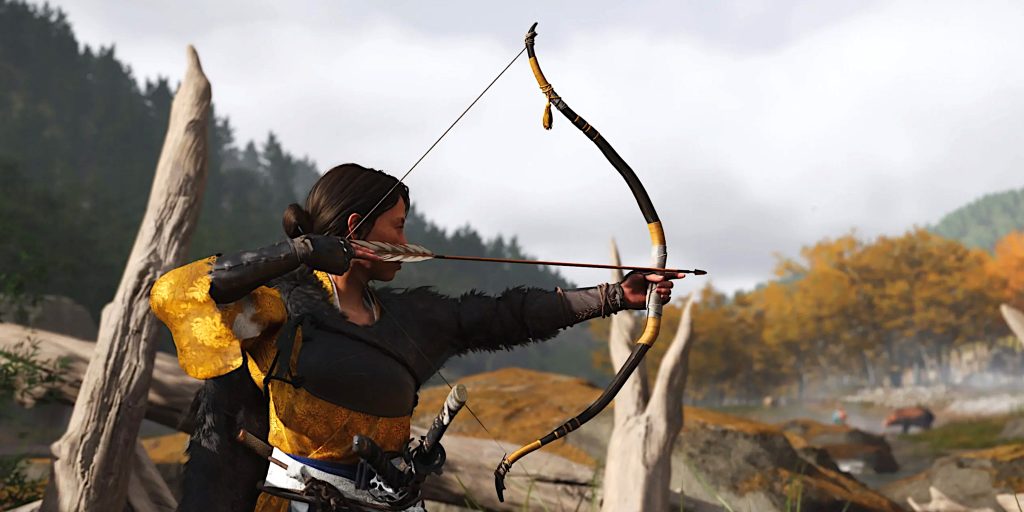
The most common mistake is attacking continuously and hoping the enemy becomes too polite to retaliate. Learn the rhythm of defence and counterattack instead.
Other habits worth avoiding include:
- Using one melee weapon against every enemy type.
- Ignoring ranged attackers during group fights.
- Spending all Spirit on offence and leaving nothing for healing.
- Hoarding ammunition and tools indefinitely.
- Upgrading every item without a clear build in mind.
- Following map markers while ignoring the landscape.
- Wearing one armour set for every activity.
- Rushing major duels without supplies or preparation.
- Treating accessibility settings as a moral judgement.
Most early frustration comes from overlooking one of the game’s systems rather than lacking skill. Ghost of Yōtei gives Atsu a broad toolkit because it expects you to use it.
Is Ghost of Yōtei difficult for beginners?
It can be demanding while you learn attack cues and weapon match-ups, but it is approachable. Adjustable difficulty and individual assists let players shape the challenge, while exploration offers plenty of ways to strengthen Atsu before difficult encounters.
The combat rewards patience more than perfect reactions. If you observe enemies, switch weapons appropriately and keep some Spirit available, the opening hours become much more forgiving.
Do you need to play Ghost of Tsushima first?
No. Ghost of Yōtei takes place centuries later and tells a standalone story with a new protagonist, setting and central conflict. Returning players will recognise parts of its design language, but newcomers can start here without missing essential plot information.
Final advice before you begin
Do not rush to become overpowered. The best early improvement comes from understanding how Ghost of Yōtei wants you to observe, switch tactics and explore. Learn one new weapon properly. Take a few fights slowly. Talk to strangers. Camp before a difficult journey. Look towards the horizon before opening the map.
Atsu’s quest gives the adventure urgency, but the game itself is happy to let you wander. Accept that invitation. The revenge list is not going anywhere, and the view from the next ridge probably deserves a minute.