Valens is one of those Roman emperors who seems permanently trapped in the shadow of his disastrous end. Mention his name and most people immediately think of Adrianople, a burning farmhouse, and an emperor who marched into one of the worst defeats in Roman history with all the confidence of a man who had ignored every warning available to him.
That is a little unfair.
Valens ruled the eastern Roman Empire for fourteen years. He fought Persians, Goths and usurpers. He reformed frontiers, strengthened cities, and kept the eastern half of the empire financially stable at a time when the Roman world was starting to creak in ways that no amount of imperial marble could hide. He was not a brilliant emperor, nor a catastrophically bad one. He was capable, suspicious, often stubborn, occasionally brave, and in the end disastrously out of his depth.
His reign feels less like the collapse of Rome and more like the moment when the empire realised the old rules no longer worked.
Who Was Emperor Valens?
Valens was born in around AD 328 at Cibalae in Pannonia, in what is now Croatia or Serbia. He came from a relatively modest provincial family by Roman standards. His father, Gratian the Elder, was a successful officer who rose through the ranks through military ability rather than aristocratic pedigree.
Valens’ older brother, Valentinian, was the dominant figure in the family. Tough, hard-edged and deeply military, Valentinian became emperor in AD 364 after the death of Jovian. A month later he elevated Valens to co-emperor and gave him control of the eastern Roman Empire.
It was not an arrangement born of affection. Valentinian needed someone he trusted to hold the East while he concentrated on the Rhine frontier. Valens was loyal, dependable and unlikely to try anything clever. In Roman politics, that counted as a qualification.
The empire was divided broadly between the brothers:
- Valentinian ruled the western provinces
- Valens ruled the eastern provinces, including Thrace, Asia Minor, Syria and Egypt
- Constantinople became Valens’ principal capital
For the next fourteen years Valens spent much of his reign trying to prove he deserved the purple rather than merely inheriting it from his brother.
Appearance and Personality
Ancient writers describe Valens as relatively short, sturdy, and not especially impressive in appearance. Ammianus Marcellinus, who is rarely kind to anyone, portrays him as anxious, suspicious and easily influenced.
He was certainly not a charismatic ruler in the style of Julius Caesar or Trajan. He lacked the effortless authority that Roman emperors were expected to project. Contemporary sources often describe him as cautious to the point of timidity in politics, yet oddly rash on campaign.
Valens could also be harsh. He responded ruthlessly to plots and rebellions, and became notorious for persecution after the revolt of Procopius. At times he seems like an emperor permanently waiting for someone to betray him.
As a historian, I have always found him oddly human. Valens does not read like a marble statue come to life. He reads like an overworked administrator who suddenly found himself carrying an empire that was far too large, far too fragile, and far too full of generals with ideas above their station.
The Revolt of Procopius
One of the first great crises of Valens’ reign came in AD 365, when Procopius declared himself emperor.
Procopius was a relative of Julian the Apostate and had enough dynastic credibility to make people nervous. He seized Constantinople and won support from parts of the army. For a moment, Valens looked dangerously close to losing his throne.
The emperor reportedly considered suicide. That is rarely a good sign in a Roman civil war.
Instead, he gathered loyal forces and fought back. By AD 366 he had defeated Procopius, who was captured and executed. The victory stabilised Valens’ position, but it left him deeply suspicious of potential rivals. From this point onward his reign became noticeably harsher.
Religion and the Arian Controversy
Valens was a committed Arian Christian. This placed him at odds with many of his subjects and with much of the western Church.
The fourth century was consumed by bitter theological disputes over the nature of Christ. To modern readers the arguments can seem astonishingly technical, but to contemporaries they mattered enormously.
Valens supported Arian bishops and persecuted Nicene Christians in the East. He exiled prominent churchmen and interfered heavily in ecclesiastical politics.
This did little to make him popular.
His religious policy also had an unfortunate political consequence. Many of the Goths who later entered the empire had been converted to Arian Christianity. Valens may have felt he could integrate them more easily because they shared his beliefs. As events would prove, theology is a poor substitute for competent frontier management.
Battles and Military Acumen
Valens spent much of his reign at war. He was not an incompetent commander in every campaign. In fact, before Adrianople his record was respectable.
Still, he was never an outstanding military leader. He preferred careful preparation and often relied heavily on experienced subordinates. His biggest weakness was strategic judgement. He sometimes struggled to understand when caution was needed and when speed was dangerous.
War Against the Goths, AD 367–369
After the revolt of Procopius, Valens moved against the Goths north of the Danube, who had supported the usurper.
The campaign was difficult. Gothic forces avoided pitched battle and retreated into forests and marshes. Roman armies spent much of the war marching through unpleasant terrain, which is never the glamorous part of imperial propaganda.
Eventually Valens forced the Gothic leader Athanaric to negotiate. A treaty in AD 369 restored stability on the Danube.
The settlement was important because it temporarily secured the frontier. Yet it also showed the changing nature of Rome’s enemies. The Goths could no longer be crushed in a single decisive campaign. They were too mobile, too numerous and increasingly too familiar with Roman methods.
The Persian Campaigns
Valens also campaigned against the Sasanian Persian Empire, especially over Armenia.
Armenia had long been the buffer state between Rome and Persia. Valens fought to maintain Roman influence there and to prevent Persian expansion.
His eastern campaigns were largely successful. He avoided a major defeat and preserved Roman control in the region. Several fortified cities were strengthened during his reign, and the eastern frontier remained comparatively secure.
This side of Valens is often forgotten because Adrianople overshadows everything. Yet for more than a decade he managed the East reasonably well. Had he died in his bed in AD 377, historians would probably remember him as a competent if rather gloomy administrator.
The Gothic Crisis of AD 376
The turning point came when the Huns burst into eastern Europe.
Their arrival shattered the Gothic world north of the Danube. Tens of thousands of Goths fled toward Roman territory and asked permission to cross into the empire.
Valens agreed.
At first glance the decision made sense. Rome needed recruits and farmers. The Goths could be settled within imperial territory and turned into taxpayers and soldiers.
The problem was not the decision itself. The problem was the way it was handled.
Roman officials on the Danube exploited and abused the refugees. Food was scarce, corruption was everywhere, and Gothic families were treated appallingly. Ancient sources even claim that starving Goths were forced to trade their children for dog meat. One hopes the officials involved enjoyed their brief careers, because they created a catastrophe.
The Goths revolted.
The Battle of Adrianople, AD 378
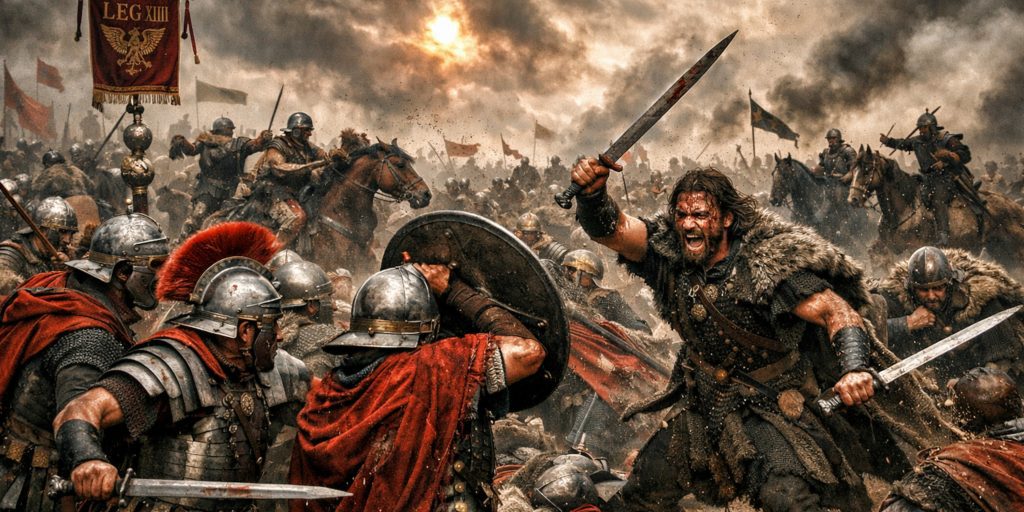
Adrianople was the defining event of Valens’ reign and one of the great disasters of Roman history.
In August AD 378 Valens marched out from Adrianople in Thrace with perhaps 15,000 to 20,000 men. He intended to crush the Goths before reinforcements from the western emperor Gratian could arrive.
This was the fatal mistake.
Valens wanted the victory for himself. He underestimated the Gothic army and ignored advice to wait.
On 9 August the Roman army attacked near Adrianople. The battle quickly descended into chaos.
The Roman cavalry failed to coordinate properly. The infantry became exhausted in the summer heat. Then the Gothic cavalry returned unexpectedly and struck the Roman flank.
The Roman line collapsed.
By the end of the day perhaps two thirds of the eastern field army had been destroyed. Valens himself disappeared during the fighting. According to one tradition he was wounded and carried to a farmhouse, which the Goths then set on fire without realising who was inside.
His body was never found.
There is something grimly fitting about that ending. Roman emperors were supposed to die in triumph, surrounded by standards and soldiers. Valens vanished in smoke and confusion, like the last certainty of the old Roman army going with him.
Why Adrianople Mattered
Adrianople did not destroy the Roman Empire overnight. The eastern Empire survived and eventually recovered.
But the battle changed the balance of power.
- A Roman emperor had been killed in battle against a barbarian army
- Much of the eastern field army was annihilated
- Rome increasingly relied on barbarian troops and federate allies afterward
- The empire could no longer assume that its frontiers were secure
Many historians see Adrianople as the beginning of the end for the western Roman Empire.
That may be too simple. Still, the battle exposed every weakness that had been building for decades. Poor leadership, overstretched frontiers, corruption, and armies that no longer fought with the iron confidence of earlier centuries.
Arms and Armour of Valens and His Army
By the fourth century the Roman army looked very different from the classic legionaries of earlier centuries.
Valens and his officers belonged to a late Roman military world of cavalry, heavily armed infantry and elaborate ceremonial equipment.
Imperial Arms and Armour
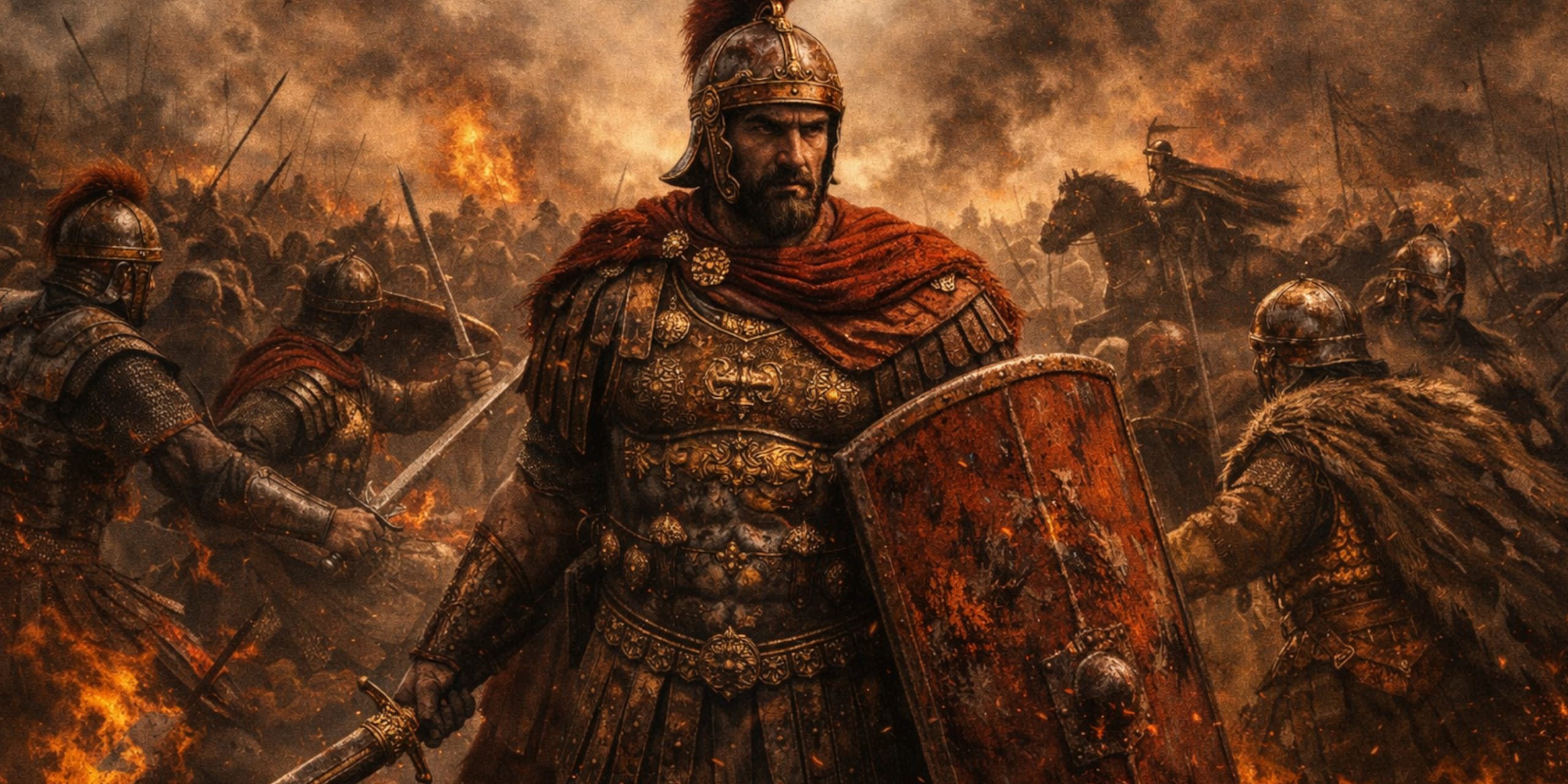
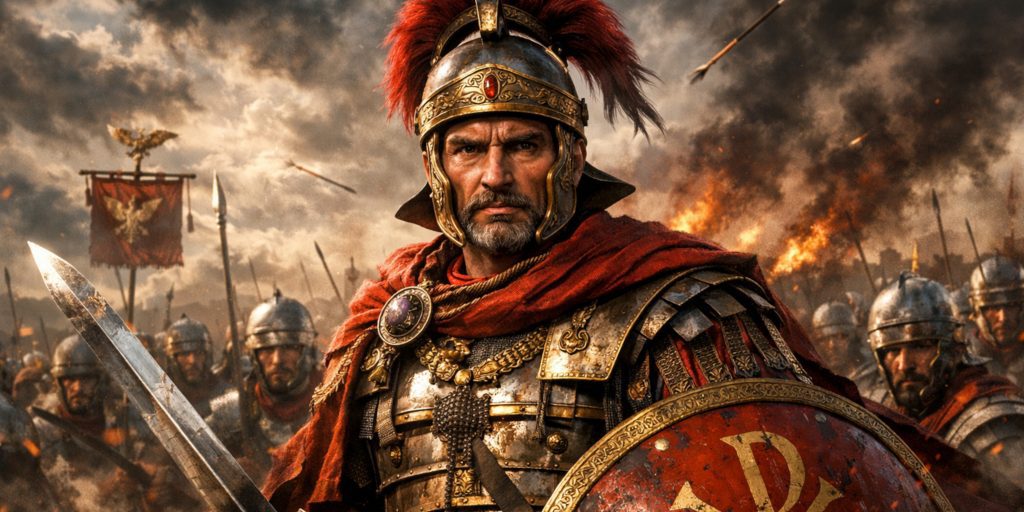
As emperor, Valens would have worn richly decorated military dress when on campaign:
- Gilded helmet, often with a crest or jewelled decoration
- Scale armour or mail shirt beneath a purple military cloak
- Richly decorated belt and sword baldric
- Red or purple cloak fastened with a large brooch
- High leather boots suitable for riding and campaigning
Imperial portraits from the period show emperors wearing the diadem introduced by Constantine, often combined with military armour. Valens likely appeared less like a republican general and more like a sacred monarch in armour.
Roman Weapons Under Valens
The Roman army under Valens used a mix of older and newer weapons:
| Weapon | Description |
|---|---|
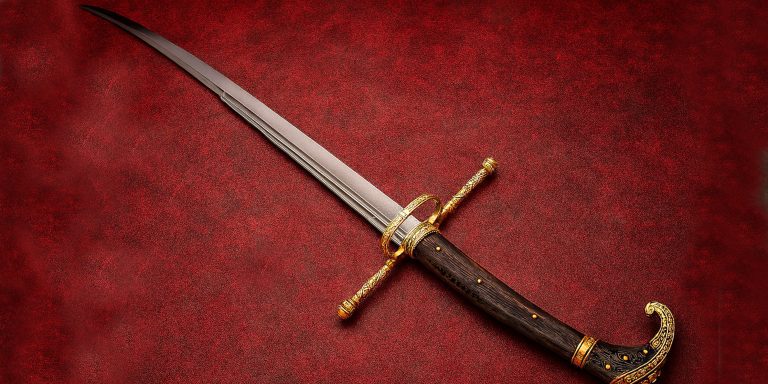
| Spatha | A long straight sword, replacing the older gladius. Widely used by infantry and cavalry. |
| Hasta | A thrusting spear used by infantry formations. |
| Plumbata | Weighted throwing darts carried behind the shield. |
| Composite bow | Used by archers and cavalry, especially in the East. |
| Shield | Oval or round shields, often brightly painted with unit symbols. |
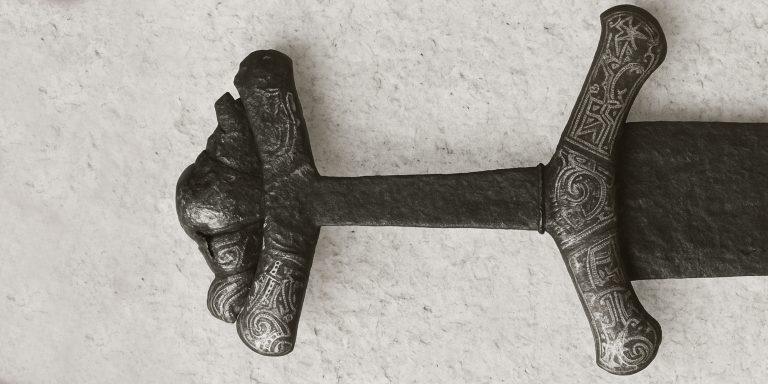
The spatha is particularly important. By Valens’ reign it had become the standard Roman sword. Longer than the old legionary gladius, it was better suited to the more open, fluid style of warfare of the fourth century.
Armour of the Roman Army
Roman troops during Valens’ reign commonly wore:
- Mail armour
- Scale armour
- Ridge helmets with cheek pieces
- Greaves and arm guards for some cavalry units
- Large oval shields
Elite cavalry units, particularly the cataphracts and clibanarii of the eastern army, wore extremely heavy armour for both rider and horse. These troops were influenced by Persian methods and could look alarmingly like moving bronze statues.
The Goths facing Valens generally had lighter armour. Many fought with spears, axes and long swords, though some Gothic nobles wore Roman-style mail and helmets. By AD 378 the distinction between Roman and barbarian equipment was becoming increasingly blurred.
Military Strengths and Weaknesses
Valens had some genuine strengths as a ruler and commander:
- Persistent and hardworking
- Experienced in frontier warfare
- Capable of managing long campaigns
- Good at maintaining the eastern provinces
His weaknesses were equally obvious:
- Deeply suspicious of others
- Too reliant on poor advisers
- Prone to jealousy, particularly toward Gratian
- Impatient for personal glory
- Poor judgement under pressure
Adrianople combined all of these weaknesses into one disastrous afternoon.
Surviving Artefacts From the Reign of Valens
Although no personal possessions of Valens can be identified with certainty, several important artefacts from his reign survive.
Coins of Valens
The most common surviving artefacts are coins.
Valens issued gold solidi, silver siliquae and bronze coins across the empire. These usually depict him wearing a pearl diadem and military cuirass.
Common inscriptions include:
- D N VALENS P F AVG
- GLORIA ROMANORVM
- RESTITVTOR REIPVBLICAE
Coins from his reign can be seen in:
- The British Museum, London
- The Louvre, Paris
- The Ashmolean Museum, Oxford
- The American Numismatic Society, New York
Many are surprisingly well preserved. There is something quietly fascinating about holding a coin of Valens and realising it may have passed through the hands of a soldier marching toward Adrianople.
The Missorium of Theodosius and Late Roman Imperial Art
Although created slightly after Valens’ death, objects such as the Missorium of Theodosius give a vivid idea of how emperors of Valens’ era presented themselves.
These silver ceremonial dishes show emperors in elaborate military and court dress, surrounded by officials and guards. They are useful for understanding the visual world of Valens’ reign.
Where to See Artefacts From His Reign
Visitors interested in Valens and the late Roman Empire should consider:
- The Istanbul Archaeological Museums, which hold late Roman military finds from Thrace and Constantinople
- The National Archaeological Museum in Sofia, with finds connected to the Gothic wars and Adrianople
- The British Museum, especially its late Roman coin collections
- The Rheinisches Landesmuseum in Trier, which contains late Roman arms and armour from the fourth century
- The Capitoline Museums in Rome, with late imperial sculpture and military artefacts
The remains of Adrianople itself survive near modern Edirne in Turkey. Very little of the battlefield can be identified with certainty, though the landscape still gives a sense of the open ground where the Roman army was destroyed.
Latest Archaeology and New Discoveries
Recent archaeology has shed more light on the world of Valens.
Excavations along the Danube frontier in Bulgaria and Romania have uncovered late Roman forts strengthened during his reign. These include repaired walls, new towers and evidence of hurried military construction in response to the Gothic threat.
Archaeologists working near Nicopolis ad Istrum and other Balkan sites have also found:
- Late Roman arrowheads
- Fragments of scale armour
- Military belt fittings
- Coins minted under Valens
Near Adrianople itself, surveys have identified concentrations of Roman and Gothic artefacts that may relate to the battle. These include spearheads, horse fittings and fragments of military equipment.
No confirmed grave of Valens has ever been found.
That mystery still hangs over the story. Somewhere, perhaps beneath a field in Thrace or beneath later settlement, the remains of the emperor may still lie undiscovered.
One recent line of research has focused on climate and environment. Studies suggest the late fourth century saw increased pressure on frontier populations because of drought and migration. The Gothic crisis may therefore have been part of a much larger chain of events stretching across Europe and Central Asia.
Valens did not create that crisis. He simply happened to be the emperor standing in its path.
Legacy
Valens is remembered because he lost.
That is often the fate of emperors. Victory turns men into legends. Defeat turns them into warnings.
Yet Valens deserves a little more nuance than that. He was not foolish, nor cowardly, nor wholly incapable. He ruled effectively for many years and kept the eastern Empire intact during a difficult period.
His tragedy was that he faced problems larger than any emperor before him had confronted. Migrating peoples, fragile frontiers, divided religion and an army changing faster than Rome’s leaders could understand.
At Adrianople he made the wrong decision at exactly the wrong moment.
The smoke from that battlefield lingered for centuries.
Further Reading
For readers who want to explore Valens in more detail, the best ancient source remains Ammianus Marcellinus, whose history covers the reign in remarkable detail, albeit with plenty of personal hostility toward Valens.
Useful modern studies include:
- Adrian Goldsworthy, How Rome Fell
- Noel Lenski, Failure of Empire: Valens and the Roman State in the Fourth Century A.D.
- Peter Heather, The Fall of the Roman Empire
- Ammianus Marcellinus, The Later Roman Empire