When Medieval Warfare Refused to End
Medieval battles are often imagined as chaotic clashes that ended within a single brutal afternoon. In truth, some conflicts dragged on for days, weeks, or even months. Logistics, stubborn commanders, weather, and sheer exhaustion often stretched engagements far beyond what either army intended.
Sieges naturally lasted the longest, but several field battles and campaigns also became drawn-out struggles where neither side could quite finish the job. These contests tested discipline, supplies, and patience as much as courage.
Below are some of the longest and most exhausting battles of the medieval world, the kind of conflicts where victory arrived slowly and usually at considerable cost.
The Siege of Candia (1648–1669)
Technically stretching beyond the medieval era, the siege of Candia deserves mention simply because of its astonishing duration. The Venetian fortress on Crete endured Ottoman attacks for more than two decades, becoming the longest siege in recorded military history.
Overview
| Detail | Information |
|---|---|
| Location | Candia (modern Heraklion, Crete) |
| Duration | 21 years |
| Combatants | Republic of Venice vs Ottoman Empire |
| Outcome | Ottoman victory |
The defenders relied heavily on European reinforcements, while the Ottomans attempted to grind the fortress down through artillery and blockade. Progress was painfully slow.
Arms and Armour
Venetian and Ottoman soldiers used a mixture of late medieval and early modern weapons.
Common Weapons
- Arming swords and early rapier-style blades among Venetian officers
- Ottoman kilij sabres
- Polearms such as halberds and partisans
- Early matchlock muskets
- Heavy siege artillery
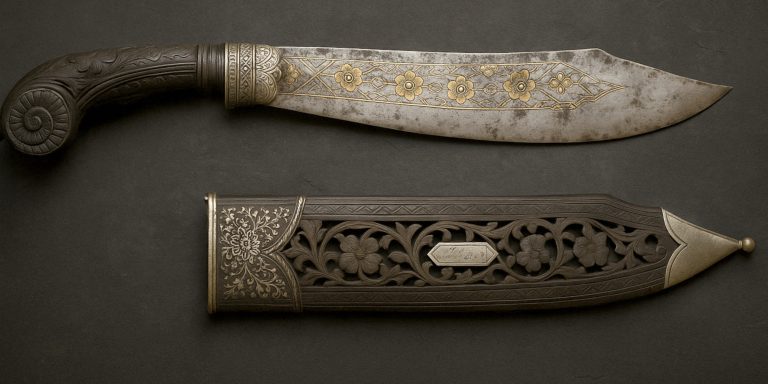
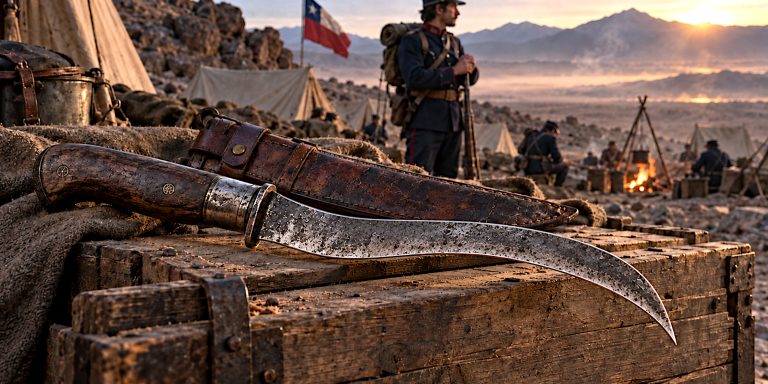
Even during prolonged sieges, the sword remained a constant companion. Officers and assault troops frequently carried blades such as the Italian arming sword or the curved kilij, which proved useful in close fighting inside breached walls.
Archaeology
Excavations around Heraklion have revealed:
- Siege tunnels and counter-mines
- Cannonballs embedded in bastion walls
- Fragments of Venetian armour and musket parts
- Ottoman camp remains outside the city perimeter
These discoveries reveal how relentless the bombardment became. Candia’s walls were rebuilt and reinforced repeatedly during the siege.
Contemporary Quote
A Venetian chronicler wrote:
“The enemy assaults daily, yet the city still breathes, though every stone trembles.”
The Siege of Calais (1346–1347)
If medieval warfare had a reputation for stubborn endurance, the English capture of Calais during the Hundred Years’ War helped establish it.
Overview
| Detail | Information |
|---|---|
| Location | Calais, France |
| Duration | 11 months |
| Combatants | Kingdom of England vs Kingdom of France |
| Outcome | English victory |
After the Battle of Crécy, King Edward III surrounded Calais and settled in for a long siege. The English built an entire wooden town outside the walls to house their army.
The French attempted several relief efforts but never broke the blockade.
Arms and Armour
The siege brought together the typical weaponry of the Hundred Years’ War.
Common Swords
- Oakeshott Type XII arming swords
- Falchions used by infantry
- Long, tapered Type XV swords carried by knights
Other Weapons
- English longbows
- Crossbows used by Genoese mercenaries
- Poleaxes and bills
Knights wore full mail with developing plate defences such as early breastplates and visored helmets.
Archaeology
Excavations near Calais have uncovered:
- Arrowheads linked to English longbow fire
- Crossbow bolts
- Remains of siege camps and earthworks
The evidence supports accounts of a prolonged blockade rather than repeated assaults.
Contemporary Quote
Jean Froissart famously recorded the surrender of the starving city:
“They had endured so long that the people could scarcely stand.”
The Siege of Antioch (1097–1098)
The First Crusade produced one of the most gruelling sieges in medieval history. Antioch was a vast fortress city and one of the strongest positions in the eastern Mediterranean.
Overview
| Detail | Information |
|---|---|
| Location | Antioch, modern Turkey |
| Duration | 8 months |
| Combatants | Crusader armies vs Seljuk Turks |
| Outcome | Crusader victory after desperate fighting |
The Crusaders struggled with hunger, disease, and internal rivalries while attempting to surround a city whose walls stretched over mountains.
After finally taking Antioch through treachery, they immediately found themselves besieged by a relief army.
It was, frankly, a dreadful few months for everyone involved.
Arms and Armour
The crusading armies carried a wide variety of European weapons.
Common Swords
- Oakeshott Type XI knightly swords
- Norman arming swords
- Early falchions
Seljuk forces used:
- Curved sabres
- Straight double-edged swords influenced by Persian designs
Other Equipment
- Kite shields
- Mail hauberks
- Spears and lances
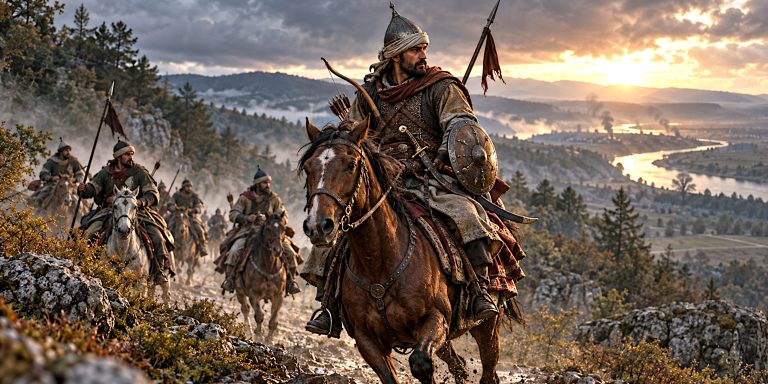
- Composite bows used by Turkish horse archers
Archaeology
Antioch’s massive fortifications still survive in sections. Archaeological work has revealed:
- Remains of siege towers and earthworks
- Arrowheads from both Crusader and Seljuk forces
- Byzantine and Islamic military equipment
These findings confirm the scale of the siege described by chroniclers.
Contemporary Quote
The chronicler Fulcher of Chartres wrote:
“Hunger weakened the strong and the weak alike.”
The Battle of Towton (1461)
Towton is often remembered as the bloodiest battle fought on English soil. It also lasted far longer than most field engagements of the period.
Overview
| Detail | Information |
|---|---|
| Location | Towton, England |
| Duration | Several hours across a full day |
| Combatants | Yorkists vs Lancastrians |
| Outcome | Yorkist victory |
Unlike many medieval battles that collapsed quickly after a decisive charge, Towton turned into a prolonged slog in blinding snow.
Infantry lines fought hand-to-hand for hours.
One suspects everyone involved wished it would end sooner.
Arms and Armour
This late medieval battle displayed the peak of English martial equipment.
Common Swords
- Oakeshott Type XVIII longswords
- Arming swords worn as sidearms
- Falchions used by foot soldiers
Other Weapons
- English longbows
- Poleaxes
- Bills and halberds
Armour included plate harness, sallets, and brigandines.
Archaeology
The Towton battlefield has produced one of the richest collections of medieval combat evidence in Britain.
Discoveries include:
- Arrowheads scattered across the field
- Human remains with blade and arrow wounds
- Fragments of armour and weapons
Some skulls show brutal injuries from poleaxes and swords.
It confirms that the fighting was close, prolonged, and deeply unpleasant.
Contemporary Quote
A chronicle recorded:
“Many a man fought from morning until night.”
The Siege of Acre (1189–1191)
The Third Crusade began with an immense siege at Acre that dragged on for nearly two years.
Overview
| Detail | Information |
|---|---|
| Location | Acre, modern Israel |
| Duration | 2 years |
| Combatants | Crusader coalition vs Ayyubid forces |
| Outcome | Crusader victory |
Both sides built camps, siege works, and fortifications. The battlefield effectively became a sprawling military city.
Fighting occurred regularly as reinforcements arrived from across Europe and the Islamic world.
Arms and Armour
The siege saw a remarkable variety of equipment.
Common Swords
- European knightly arming swords
- Falchions used by crusader infantry
- Ayyubid curved sabres
Other Weapons
- Trebuchets and mangonels
- Crossbows
- Spears and lances
Mail armour remained dominant, though plate reinforcements were becoming more common.
Archaeology
Excavations around Acre have uncovered:
- Siege trenches and fortifications
- Crusader and Islamic weapon fragments
- Arrowheads and crossbow bolts
These discoveries match contemporary accounts of constant skirmishing during the siege.
Contemporary Quote
An eyewitness described the stalemate:
“Neither side yielded, though both suffered greatly.”
Why Medieval Battles Sometimes Lasted So Long
Several factors could stretch a battle or siege into a prolonged ordeal.
Key reasons
- Strong fortifications
- Limited siege technology
- Supply shortages
- Reinforcements arriving during the conflict
- Commanders unwilling to risk decisive assaults
In truth, patience often mattered as much as courage. Armies that could endure hunger, boredom, and disease frequently won.
A Takeaway from me
The medieval battlefield was rarely tidy. Battles might begin with great enthusiasm, but they often ended with exhaustion, confusion, and the slow realisation that victory would take longer than anyone hoped.
The longest struggles were rarely glorious. They were stubborn contests of endurance, punctuated by sudden bursts of violence.
If there is a lesson buried in these drawn-out conflicts, it is that medieval warfare was less about dramatic charges and more about persistence.
History tends to remember the victory. The soldiers remembered the waiting.