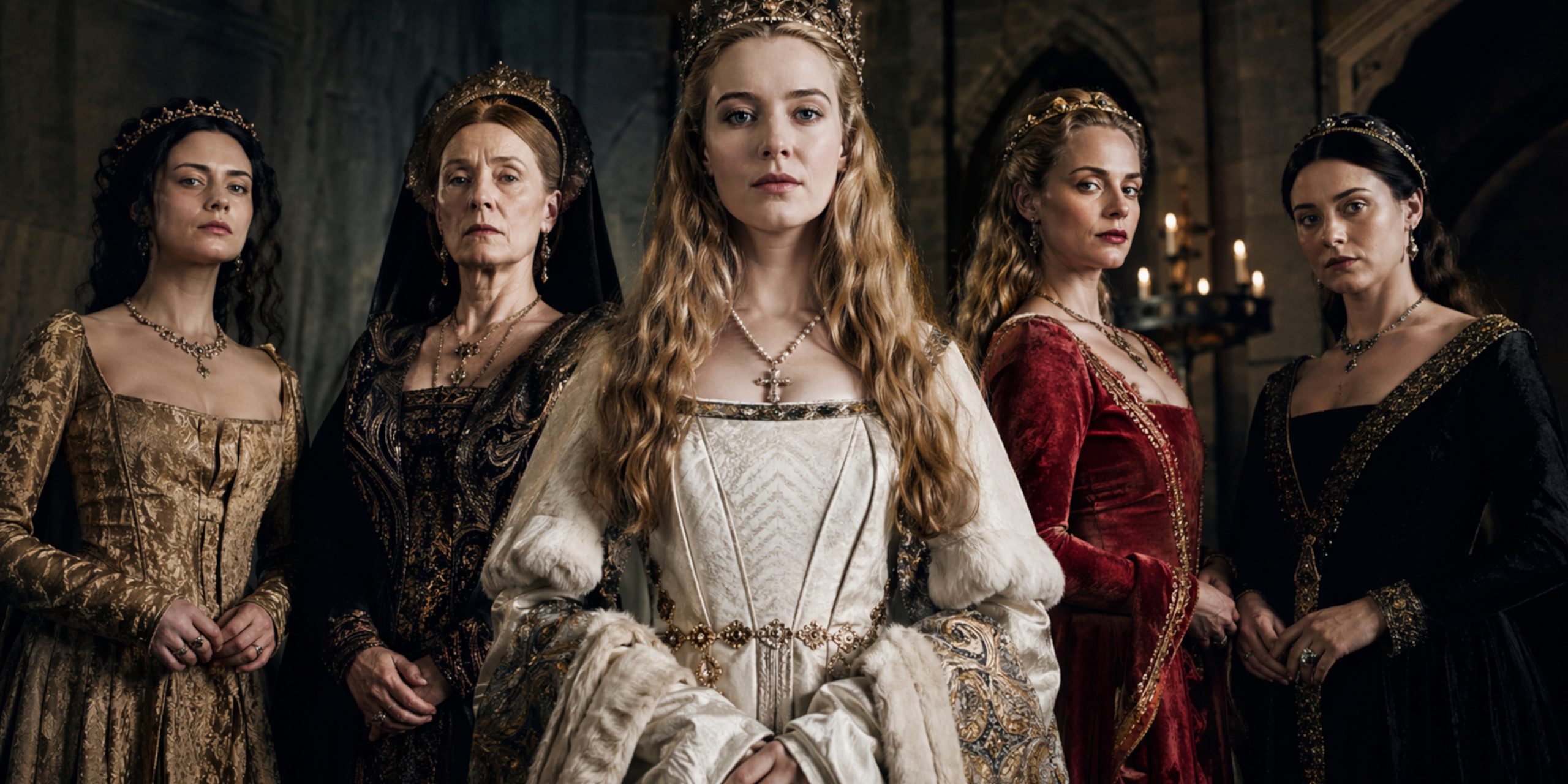
There is a version of the Wars of the Roses where kings shout, armies clash, and crowns change hands every other week. Then there is the version told by The White Queen, where the real tension sits in private chambers, whispered alliances, and a steady stream of strategic marriages.
It quietly makes a persuasive point. The story of fifteenth century England is not just about men on battlefields. It is about women who understood power, used it, and sometimes paid for it in ways that feel brutally unfair even by medieval standards.
Let’s look at the women who carry the narrative and the history behind them, because the show leans heavily on real figures, even when it gets a bit carried away.
Elizabeth Woodville, The Reluctant Queen Who Changed Everything
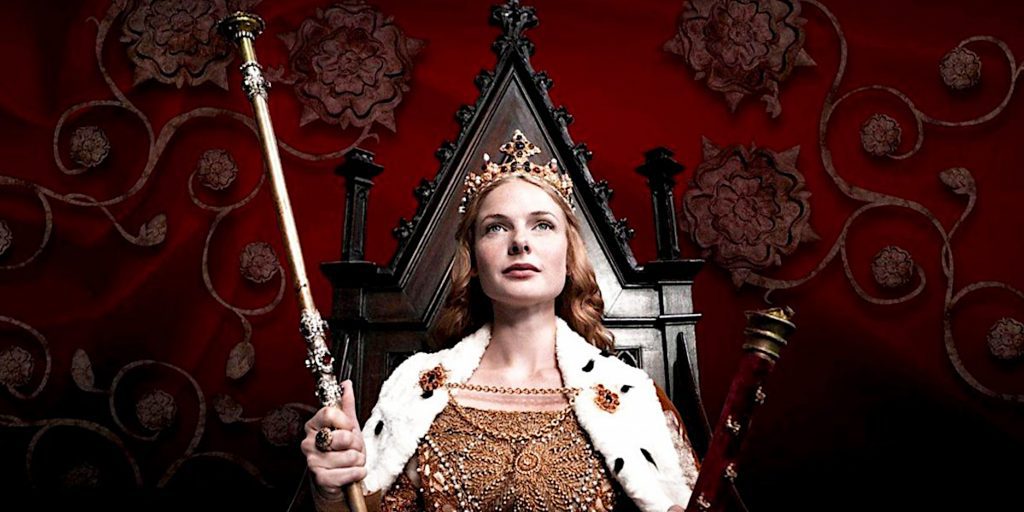
Elizabeth Woodville enters the story as a widow with very little room to manoeuvre. Then she marries Edward IV in secret, which is about as subtle as setting fire to the political order.
The show leans into her supposed mysticism and charm, hinting at witchcraft. Historically, there is no solid evidence for that, though accusations of sorcery were conveniently thrown at women who made powerful enemies.
What is real is her political impact. Her marriage sidelined established alliances, angered key nobles like Richard Neville, and helped trigger further instability in an already fragile kingdom.
She is often framed as naive in the series. In reality, she navigated court politics, protected her children, and survived multiple regime changes. That is not luck.
Margaret Beaufort, The Quiet Architect of a Dynasty
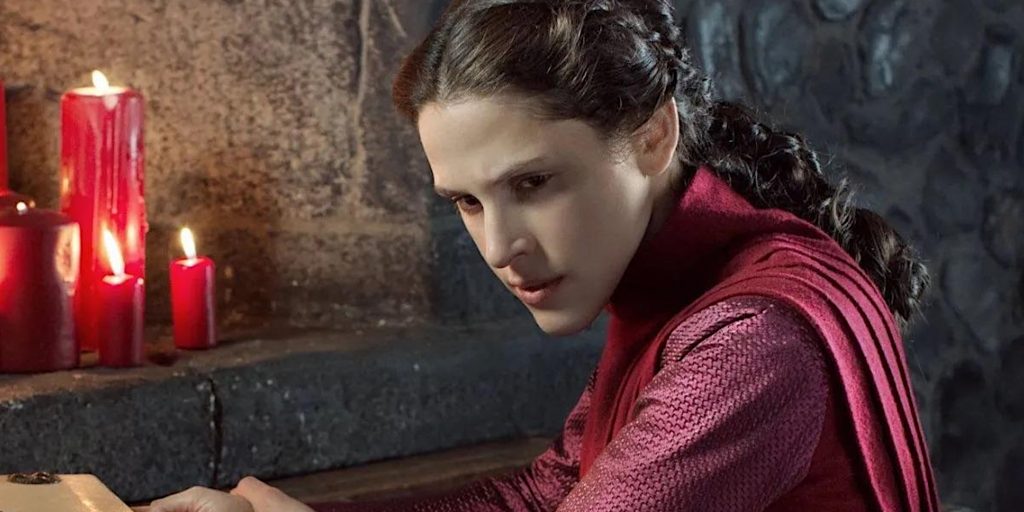
If the show had a long game player, it would be Margaret Beaufort. She does not command armies. She builds outcomes.
Her son, Henry VII, becomes king largely because she never stops working towards that goal. Alliances, marriages, quiet negotiations, all of it points in one direction.
The series portrays her as intensely pious and slightly unnerving, which is not entirely unfair. Contemporary accounts suggest she was deeply religious and very controlled. Whether she was quite as cold as the show implies is harder to pin down.
Still, if you strip away the dramatics, her achievement is staggering. She helps end decades of civil war and founds the Tudor dynasty. Not bad for someone who spent most of her life without direct power.
Anne Neville, The Pawn Who Became Queen
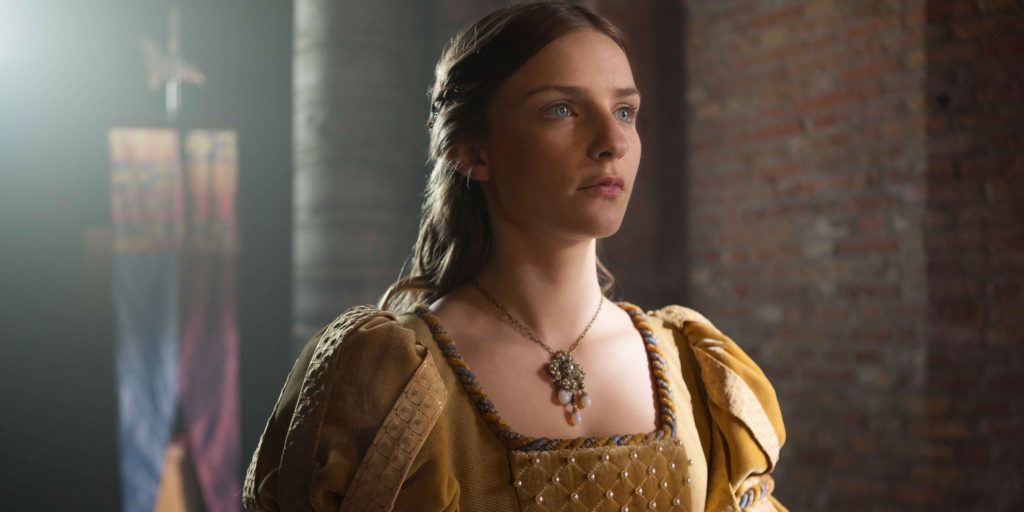
Anne Neville might be the most quietly tragic figure in the series. Daughter of Warwick, married into power, then moved again like a chess piece as alliances shift.
She becomes queen alongside Richard III, but by that point the game is almost over.
The show emphasises her lack of agency, and there is truth in that. Her marriages were arranged for political gain, first to a Lancastrian prince, then to Richard. That said, she still held influence within court circles and was not entirely without voice.
Her story is a reminder that proximity to power does not guarantee control over it.
Margaret of Anjou, The Warrior Queen
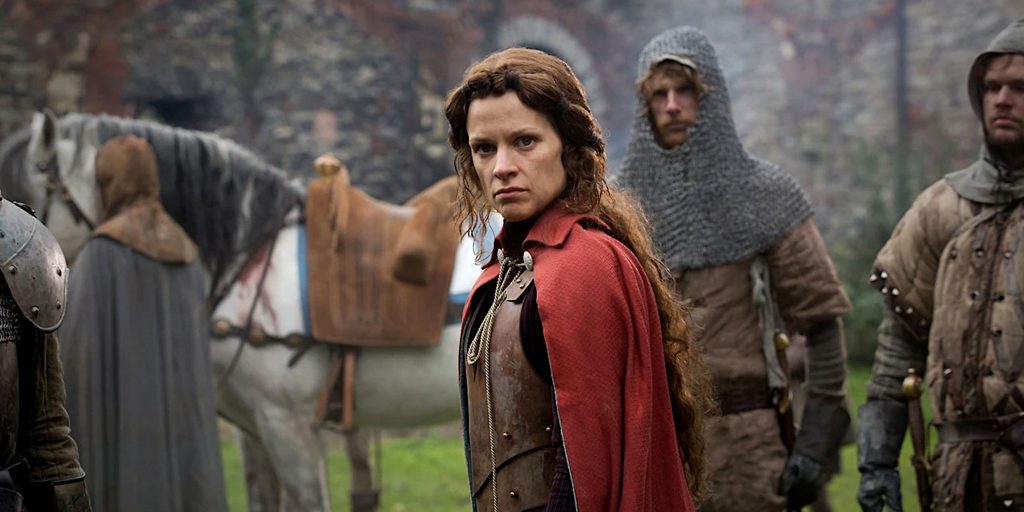
If subtlety is not your thing, Margaret of Anjou offers a different model entirely.
Wife of Henry VI, she effectively leads the Lancastrian cause during his periods of mental instability. The show presents her as fierce, uncompromising, and sometimes ruthless.
That is broadly supported by history. She raised armies, directed campaigns, and refused to accept Yorkist rule. Chroniclers were not always kind, though that likely says as much about gender expectations as it does about her actions.
She is one of the clearest examples in the period of a woman stepping directly into military and political leadership.
Elizabeth of York, The Bridge Between Two Worlds
Elizabeth of York often feels like the calm after a storm.
Daughter of Edward IV, she marries Henry VII and unites the Yorkist and Lancastrian claims. This is the moment where the endless cycle of conflict finally starts to settle.
The show gives her less dramatic tension than others, which makes sense. Her role is less about conflict and more about resolution.
Still, her importance is enormous. Without her, the Tudor claim looks far weaker. With her, it becomes something England can accept.
How Accurate Is The White Queen
Like most historical drama, The White Queen blends fact with invention.
It gets a few things right:
- The central importance of marriage alliances
- The instability of the English crown during the Wars of the Roses
- The influence of noblewomen behind the scenes
It also takes liberties:
- The repeated hints of magic around Elizabeth Woodville
- Compressed timelines that make events feel closer together
- Simplified motivations, because real politics is often messy and dull
If you treat it as a starting point rather than a final word, it works well. It sparks curiosity, which is arguably the best outcome.
Why These Women Matter More Than Ever
There is a tendency to treat medieval history like a list of kings and battles. It is neat, it is easy to follow, and it misses half the story.
What this series does, perhaps accidentally, is shift the lens. It reminds you that influence does not always look like command. Sometimes it looks like survival, negotiation, or simply refusing to disappear when the system expects you to.
And if you are being honest, that is far more interesting than another cavalry charge.
Takeaway
The appeal of The White Queen is not just the costumes or the intrigue. It is the sense that history is being retold from a different angle.
Some of it is exaggerated. Some of it is speculative. But at its core sits a very real truth. These women shaped events in ways that are still unfolding centuries later.
Once you start looking for them, it becomes quite hard to go back to the old version of the story.