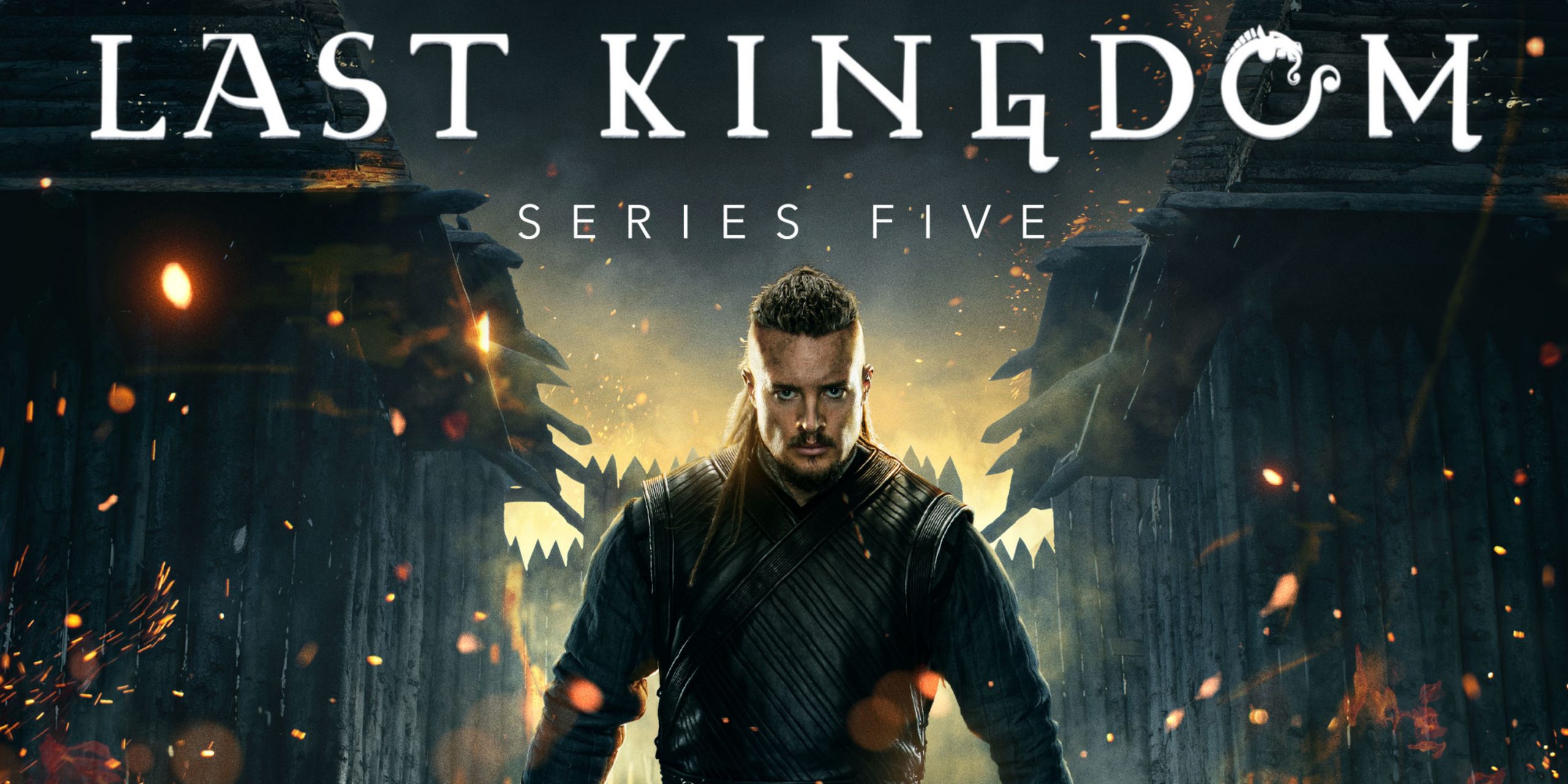
The ending of The Last Kingdom lands somewhere between triumph and quiet loss. It gives Uhtred what he has chased for years, yet it refuses to pretend that victory comes clean. If anything, it leans into the idea that every gain costs something, sometimes everything.
If you watched it and thought, “Wait, is that it?” you are not alone. There is a lot happening under the surface, and it rewards a closer look.
The Final Conflict and What It Means
At its core, the ending revolves around one idea: England becoming a single, unified kingdom. This has been the long game since Alfred first pushed the vision, and by the time we reach the final chapters, that dream is within reach.
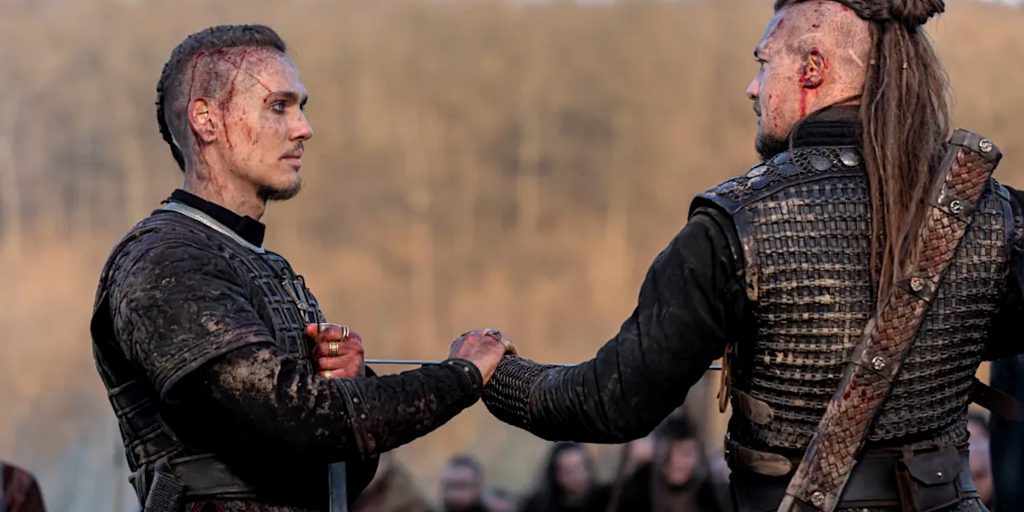
The last conflict is not just another battle. It is the moment where competing loyalties finally collide. Uhtred has always walked a line between Saxon and Dane, and here he is forced to choose not just a side, but a future.
What stands out is how messy it all feels. There is no clean hero speech that wraps things up. The victory is hard fought, and even when the dust settles, you get the sense that unity is fragile rather than secure.
Uhtred’s Fate
Uhtred’s ending is the part people tend to debate the most.
He achieves what he has wanted since the beginning: control of Bebbanburg. That alone should feel like the ultimate win. Yet the show frames it differently. Instead of a grand celebration, it leans into something quieter and more reflective.
He is older, more worn down, and clearly shaped by everything he has lost along the way. The tone suggests that this is not just a victory lap. It is the end of a long road.
There is also a deliberate ambiguity. Depending on how you read it, Uhtred is either stepping into a peaceful final chapter or drifting toward something more symbolic, almost mythic. The series does not spell it out, and that feels intentional.
The Role of Seven Kings Must Die
If you include the follow up film, the ending takes on a sharper edge.
The story pushes further into the idea of a unified England, with Uhtred again caught in the middle. He plays a decisive role in shaping the outcome, but at a personal cost that feels inevitable rather than shocking.
The film closes the circle. Uhtred becomes less of a man chasing a home and more of a figure tied to the fate of a nation. There is a strong sense that his story is no longer just his own.
Themes Beneath the Surface
What makes the ending stick is not just what happens, but what it says.
There is a constant tension between identity and duty. Uhtred never fully belongs to one world, and the ending does not resolve that neatly. Instead, it accepts that some people live between lines.
There is also the idea of legacy. Alfred’s vision carries forward, even though he is long gone. Uhtred, who resisted that vision for so long, ends up being one of the people who makes it real. That irony is hard to ignore.
And then there is the cost of power. Almost every major character pays for their role in shaping England. Some lose family, some lose purpose, and some lose themselves.
Why the Ending Feels Different
A lot of historical dramas go for a loud finish. Big speeches, clear winners, tidy conclusions.
This one does something else. It slows down.
There is a sense of reflection that creeps in during the final moments. It almost feels like the story is asking you to sit with what has happened rather than cheer for it.
That approach will not work for everyone. Some viewers wanted something more definitive. Others will appreciate the restraint.
Final Thoughts
The ending of The Last Kingdom does not try to please everyone, and that is part of its strength.
Uhtred gets what he has always wanted, but the show makes sure you understand what it cost him. England moves toward unity, but it feels like the beginning of a new struggle rather than the end of the old one.
It leaves you with a quiet question: was it worth it?
And honestly, that is a better ending than a neat answer.