Ferdinand of Aragon has a habit of standing slightly behind the spotlight, which is odd when you consider how much of Europe shifted because of him. He is often paired with Isabella, framed as half of a partnership, and yet his fingerprints are everywhere. Diplomacy, war, calculated patience, and the slow weaving together of territories that would become Spain.
From a historian’s perspective, he is both fascinating and slightly frustrating. He rarely overplayed his hand, rarely left behind dramatic speeches, and yet consistently outmanoeuvred rivals who were far louder. If Isabella is remembered as the heart, Ferdinand was the mind that never quite stopped working.
Early Life and Rise to Power
Born in 1452 into the Trastámara dynasty, Ferdinand inherited the Crown of Aragon at a young age, though not without complication. His marriage to Isabella of Castile in 1469 was not simply romantic, despite how it is sometimes presented. It was a calculated alignment that reshaped Iberian politics.
The union created a dual monarchy rather than a single unified state. Castile and Aragon remained distinct in law and governance, which is something people tend to forget. Ferdinand did not rule Spain in the modern sense. He ruled his lands carefully, always aware of regional sensitivities.
The Formation of Spain
The conquest of Granada in 1492 often gets framed as a neat ending to the Reconquista. It was anything but neat. The campaign was long, expensive, and at times uncertain.
Ferdinand’s role was methodical. He coordinated logistics, negotiated when useful, and pushed military pressure where needed. Granada fell, but it did not collapse overnight. It was worn down.
1492 also saw the sponsorship of Columbus. Ferdinand was cautious about the venture, more so than Isabella, which says quite a lot about his temperament. He supported it, but with a degree of restraint that feels almost modern.
Battles and Military Acumen
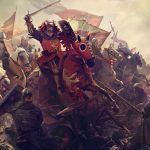
Ferdinand was not a reckless battlefield commander. He preferred control over spectacle. His strength lay in coordination, alliances, and the ability to sustain campaigns.
Key Campaigns
- Granada War (1482–1492)
- Gradual territorial reduction of the Nasrid kingdom
- Combined siege warfare and diplomacy
- Heavy use of artillery, reflecting changing warfare
- Italian Wars (from 1494)
- Conflict with France over Naples
- Delegation to capable generals, notably Gonzalo Fernández de Córdoba
- Development of flexible infantry tactics
- Navarre Campaign (1512)
- Swift occupation and integration into his sphere
- Demonstrated his preference for decisive, limited campaigns
Military Style
- Favoured sieges over open battle when possible
- Relied on professional troops rather than feudal levies
- Understood the growing importance of gunpowder
- Delegated command effectively, which many rulers struggled to do
There is a quiet confidence in his approach. He did not need to be the hero of the battlefield, only the man who ensured victory.
Arms and Armour
The late 15th and early 16th centuries were a transitional period in warfare, and Ferdinand’s reign sits directly in that shift.
Weapons in Use
- Arming swords and early sideswords
- Lances for cavalry
- Crossbows, still widely used
- Early arquebuses appearing in greater numbers
- Polearms such as halberds and pikes
Armour Characteristics
- Full plate armour becoming more refined and widespread
- Italian and German styles influencing Iberian equipment
- Use of lighter armour for mobility in certain campaigns
- Decorative armour for court and ceremony, reflecting prestige
Ferdinand himself would have worn high quality plate harness in formal settings, though like many rulers, his battlefield presence was often more symbolic than front line.
Governance and Strategy
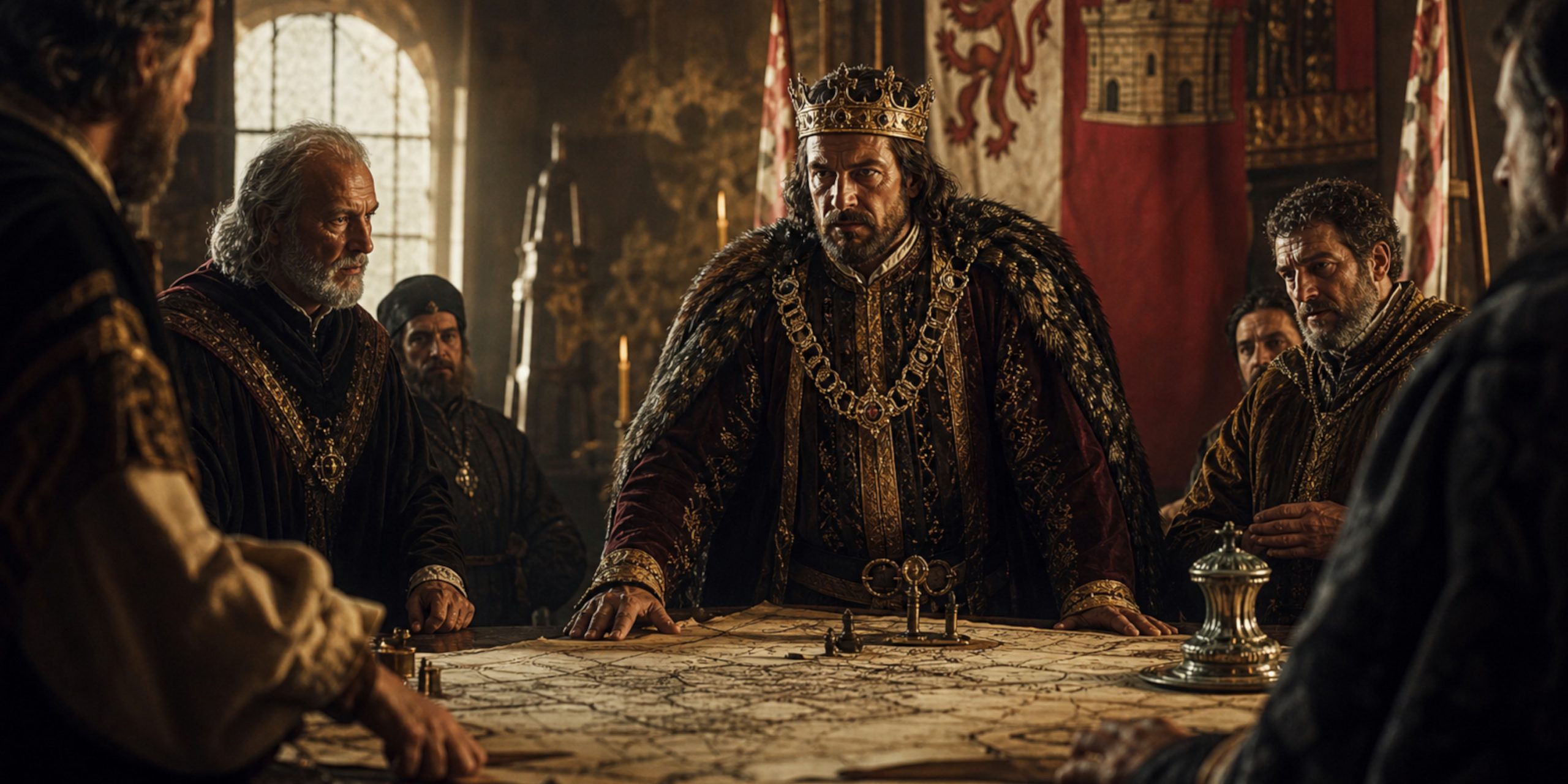
Ferdinand’s governance style was pragmatic to the point of being almost clinical. He strengthened royal authority, reduced the influence of rebellious nobles, and used institutions like the Inquisition as tools of control, though that remains one of the darker aspects of his reign.
He was also adept at marriage diplomacy, securing alliances through carefully arranged unions. His children were placed across Europe in ways that extended influence far beyond Iberia.
There is a sense that he always played the long game. Short term victories mattered, but only if they fed into something larger.
Where to See Artefacts from His Reign
A surprising amount of material survives, though not always directly tied to Ferdinand as an individual.
Notable Locations
- Royal Armoury of Madrid
- Houses weapons and armour from the Spanish monarchy
- Includes pieces from the late medieval and early modern transition
- Alhambra, Granada
- The site of the final Reconquista campaign
- Later Christian modifications reflect Ferdinand and Isabella’s rule
- Cathedral of Granada
- Contains the Royal Chapel where Ferdinand and Isabella are buried
- Artefacts and tombs provide insight into royal image and legacy
- Archivo General de Simancas
- Holds administrative records from his reign
- A treasure for historians willing to endure dense documentation
Archaeology and Latest Findings
Archaeological work connected to Ferdinand’s era tends to focus on the broader transitions of the period rather than him personally.
Key Areas of Study
- Granada War Sites
- Excavations reveal siege lines, artillery positions, and camp layouts
- Evidence of sustained, organised warfare rather than chaotic assault
- Early Gunpowder Warfare
- Finds of shot, early firearms components, and fortification adaptations
- Highlights how rapidly warfare was evolving during his reign
- Urban Development
- Changes in cities like Granada and Zaragoza show administrative integration
- Christian overlays on Islamic structures provide physical evidence of transition
Archaeology tends to confirm what written sources suggest. Ferdinand’s wars were structured, deliberate, and increasingly modern in character.
Personality and Historical Perspective
Ferdinand does not invite easy admiration. He was intelligent, disciplined, and effective, but rarely inspiring in the romantic sense. There is little of the dramatic hero about him.
As a historian, I find him quietly compelling. He feels like the sort of ruler who would win an argument by simply refusing to lose focus. Not charming, not theatrical, just relentlessly strategic.
He built something lasting, though not always gently.
Legacy
Ferdinand’s legacy is immense, even if it often sits behind Isabella’s more vivid reputation.
- Helped shape the foundation of Spain
- Strengthened royal authority across his territories
- Played a key role in ending Muslim rule in Iberia
- Positioned Spain as a major European power
- Set the stage for global expansion
He was not the loudest voice of his era, but he may well have been one of the most effective. And in the end, that tends to matter more.
Watch the documentary: