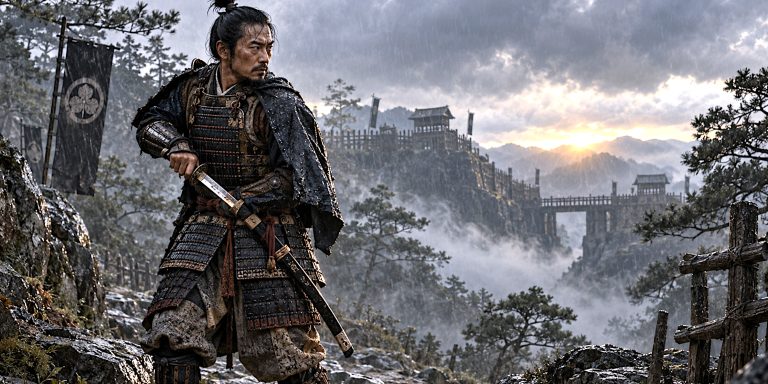
The phrase “Five Great Swords Under Heaven” carries a certain weight. It sounds grand, slightly dramatic, and entirely appropriate. In Japanese, it is known as Tenka Goken, a group of blades that have come to represent the pinnacle of swordsmithing in medieval Japan. These are not merely weapons. They are artefacts shaped by war, artistry, and an enduring fascination with the sword as both tool and symbol.
As a historian, I often find that lists like this say as much about cultural memory as they do about the objects themselves. These five swords are admired not only because of their craftsmanship, but because they survived long enough to be admired at all. Many others did not, which is perhaps the quiet tragedy behind every famous blade.
What Does “Five Great Swords Under Heaven” Mean
The term Tenka Goken loosely translates to “the five greatest swords beneath the heavens,” which is about as subtle as it sounds. The designation emerged during the Muromachi period and was later reinforced by scholars and collectors who sought to define the finest examples of Japanese swordsmithing.
These swords are associated with legendary makers, particularly those from the Heian to Kamakura periods, when sword production reached extraordinary technical and artistic heights. Each blade is tied to a specific smith or school, and each carries a reputation that has grown over centuries, sometimes helped along by a few dramatic stories.
The Five Great Swords Under Heaven
Dōjigiri Yasutsuna
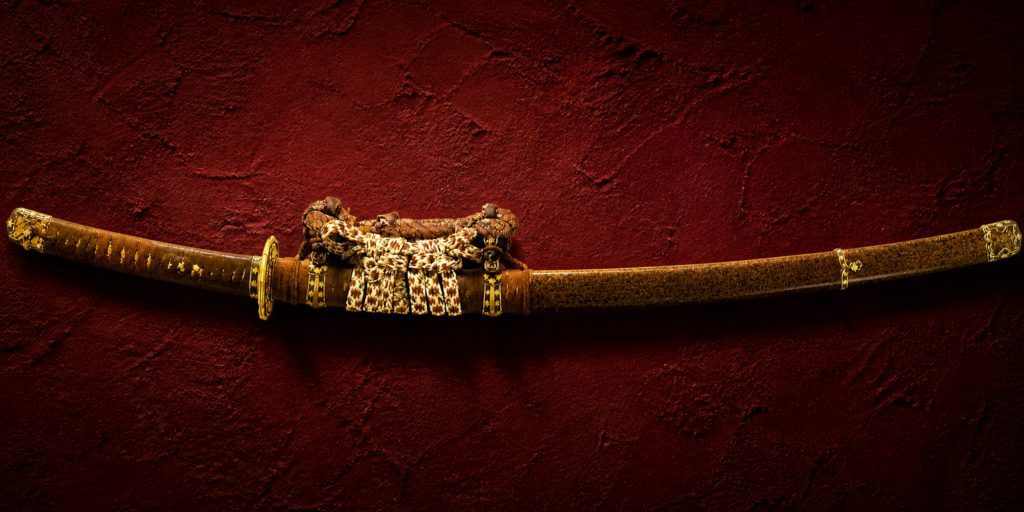
The Dōjigiri is often treated as the crown jewel of the group. Forged by Yasutsuna, it is widely considered one of the oldest surviving Japanese swords of high quality.
Its name comes from a legend involving Shuten-dōji, a fearsome demon said to have been slain with this very blade. Whether that actually happened is, I suspect, less important than the fact that people believed it might have.
The blade itself is elegant and restrained, with a graceful curvature typical of early tachi. It reflects a period when swords were as much about refinement as they were about killing efficiency, which feels almost contradictory until you see one up close.
Mikazuki Munechika
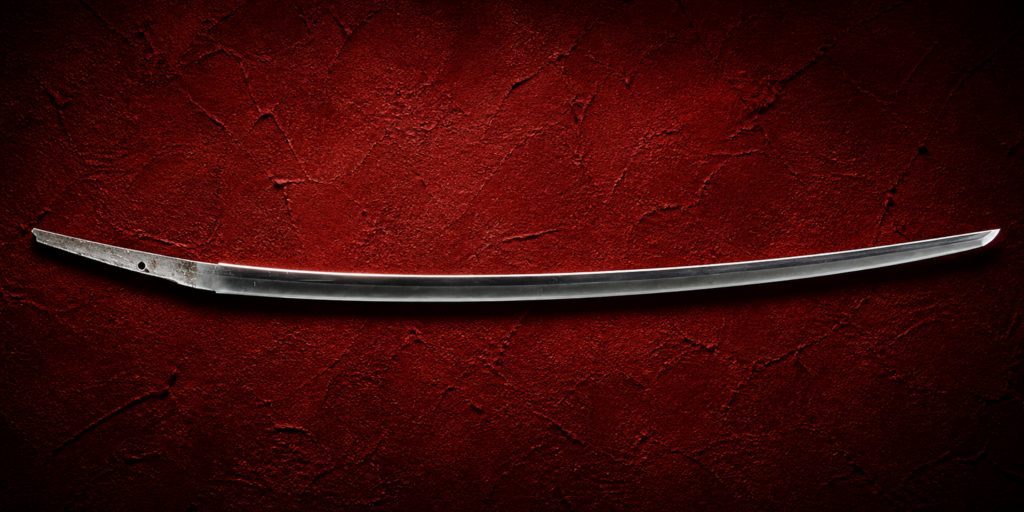
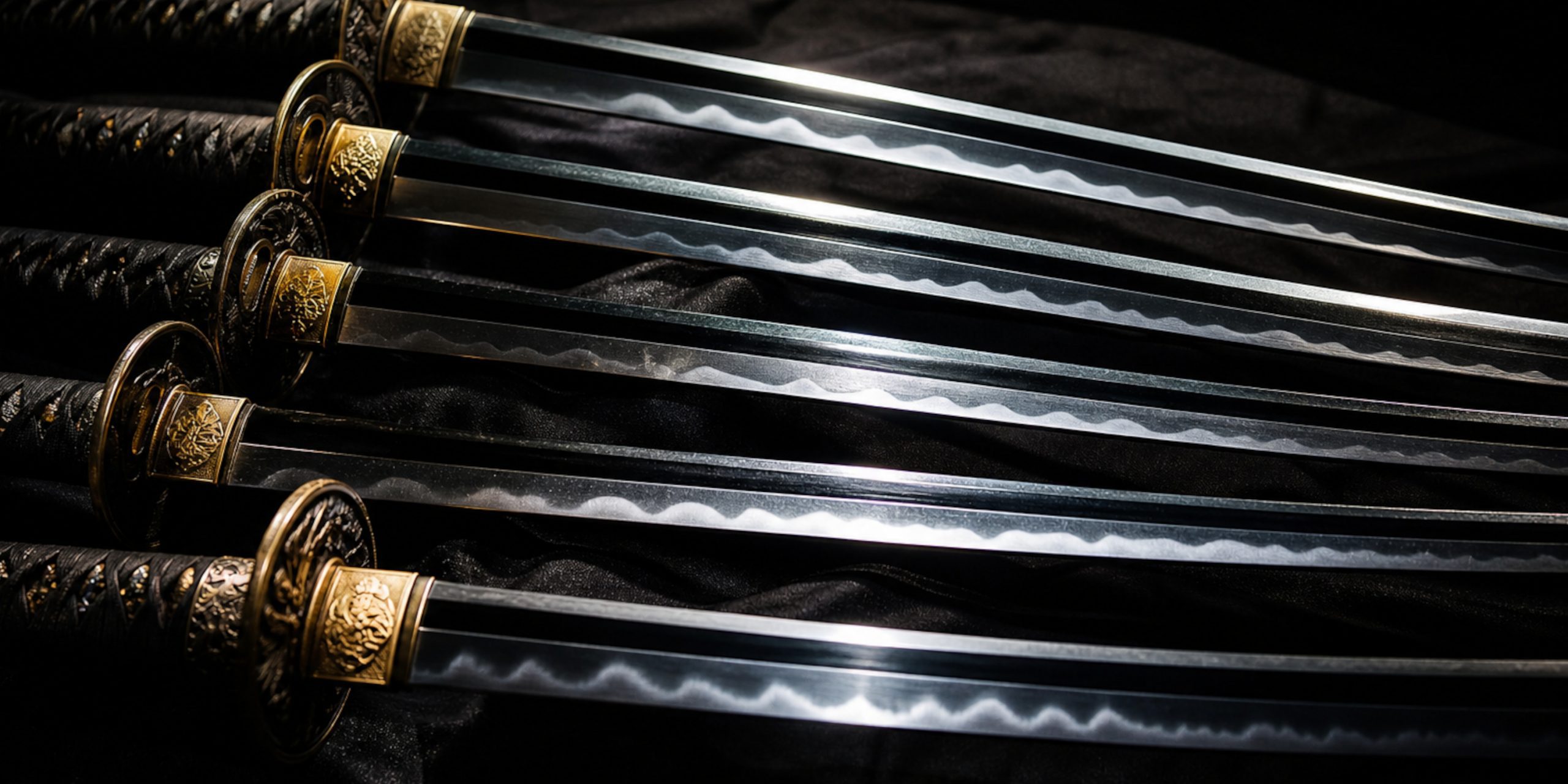
Forged by Sanjō Munechika, this sword is famous for its distinctive hamon, which features shapes resembling crescent moons. Hence the name Mikazuki, meaning “crescent moon.”
It is one of those rare cases where the poetic description actually holds up under scrutiny. The pattern is subtle but unmistakable, a reminder that Japanese swordsmiths were not just technicians but artists with a keen eye for visual rhythm.
There is a quiet confidence in this blade. It does not need a dramatic legend to justify its reputation, although it has acquired a few along the way, as all famous objects tend to do.
Ōdenta Mitsuyo
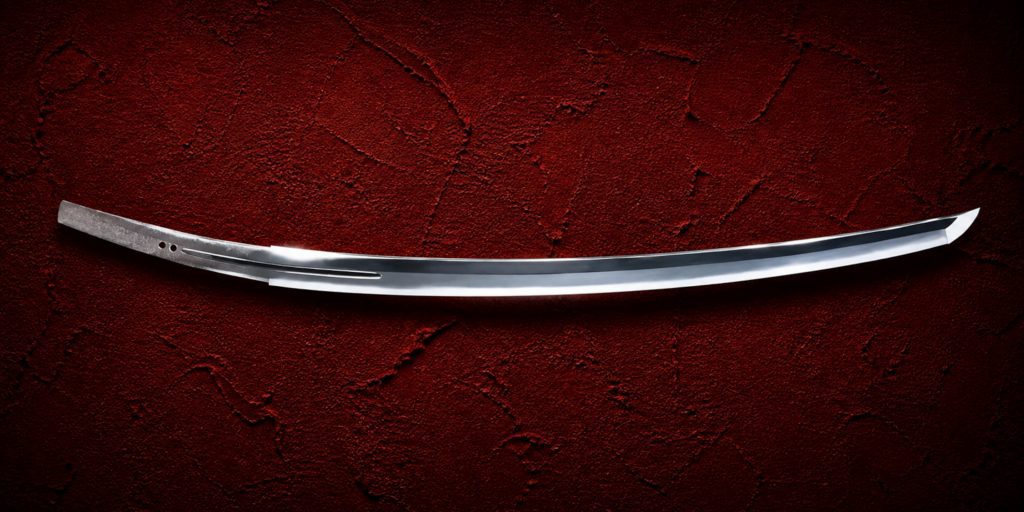
The Ōdenta is attributed to Miike Mitsuyo and has a somewhat darker reputation. It is often described as a cursed or ominous blade, which immediately makes it more interesting, if slightly unsettling.
Stories suggest that misfortune followed those who owned it. As a historian, I remain politely sceptical of cursed objects, but I will admit that repeated tales of bad luck tend to cling stubbornly to certain artefacts.
Technically, the sword is impressive, with a strong, dignified form and refined workmanship. It represents the Miike school at its finest, even if its reputation occasionally overshadows its craftsmanship.
Onimaru Kunitsuna
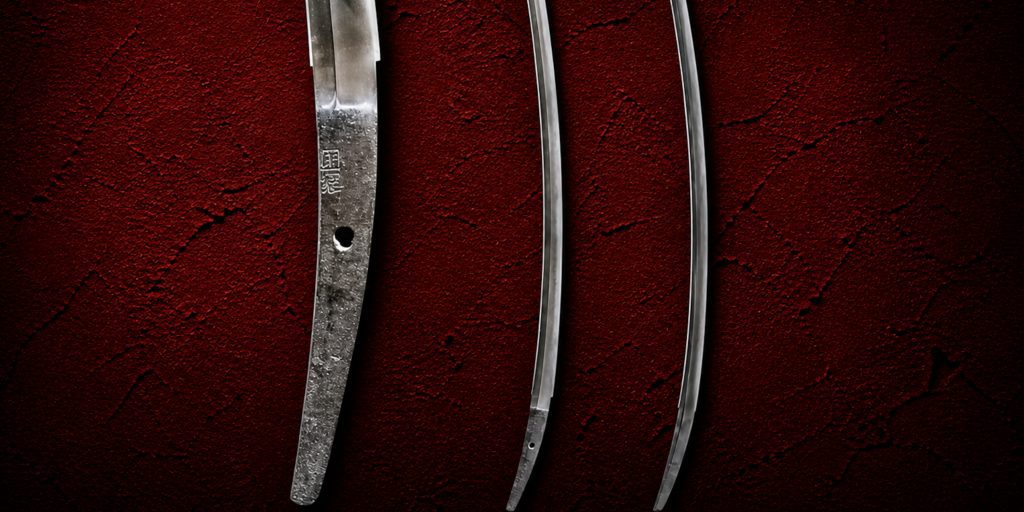
Created by Awataguchi Kunitsuna, the Onimaru carries a name that translates to “Demon Circle,” which again suggests a flair for dramatic naming.
It is associated with the Ashikaga shogunate and later the imperial household, giving it a strong political and ceremonial presence. This is not just a sword, it is a symbol of authority.
The workmanship is refined and balanced, typical of the Awataguchi school. It is the sort of blade that feels perfectly proportioned, as though every line was considered and reconsidered until nothing unnecessary remained.
Juzumaru Tsunetsugu
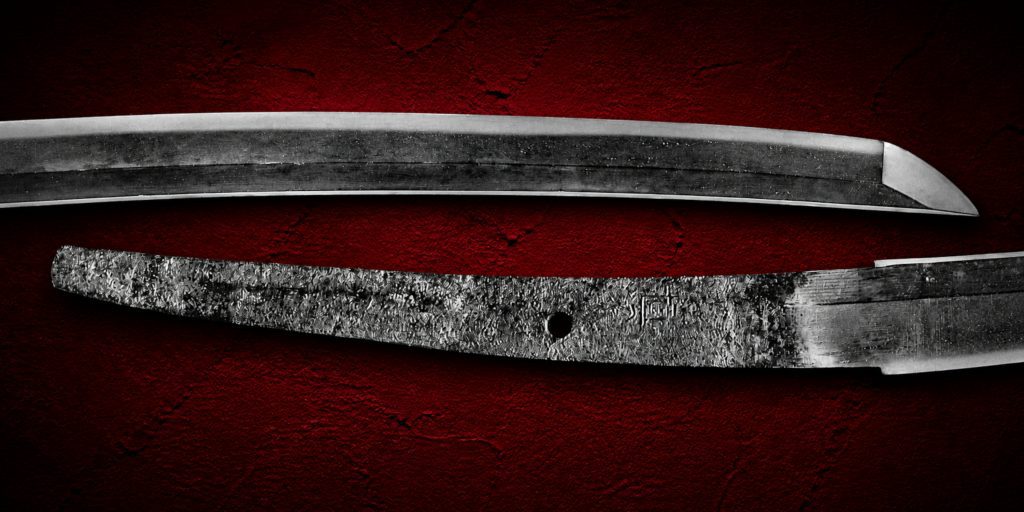
The Juzumaru is attributed to Aoe Tsunetsugu and is closely linked to the Buddhist monk Nichiren.
Its name refers to a string of prayer beads, which is fitting given its religious associations. Unlike some of the other swords on this list, its significance leans more toward the spiritual than the martial.
There is something rather appealing about that. A sword that spends as much time in contemplation as in combat feels almost like a contradiction, yet it fits neatly within the broader Japanese view of objects as carriers of meaning beyond their function.
Craftsmanship and Shared Characteristics
Despite their different stories, these swords share several defining qualities:
- Origin in the Heian to Kamakura periods, widely regarded as the golden age of Japanese swordsmithing
- Association with legendary smiths whose techniques influenced generations
- Exceptional forging quality, particularly in steel structure and hamon detail
- Cultural significance that extends beyond battlefield use
What strikes me most is how consistent the aesthetic principles are. These blades favour balance, proportion, and subtle beauty rather than overt decoration. They reward close inspection rather than immediate spectacle, which feels rather fitting for objects that have survived centuries.
Where to See Them Today
Most of these swords are preserved in Japan and designated as National Treasures. They are typically housed in museums or imperial collections, with limited public display due to their fragility and importance.
Institutions such as the Tokyo National Museum occasionally exhibit some of these blades, though not always at the same time. Viewing them requires a bit of patience and, ideally, good timing.
There is something quietly satisfying about that. You do not stumble across these swords. You plan for them, which feels appropriate given their status.
Legacy and Cultural Impact
The Five Great Swords Under Heaven continue to shape how Japanese swords are understood today. They set a benchmark for craftsmanship and helped define the ideal qualities of a blade.
They also appear in literature, games, and popular culture, often with a slight exaggeration of their mystical qualities. I suspect the original smiths would find this both flattering and slightly bewildering.
At their core, these swords represent a meeting point between art, warfare, and belief. They remind us that even the most practical objects can become something more, given enough time and attention.
Takeaway
There is a temptation to treat these swords as untouchable relics, frozen in time and beyond critique. I find it more useful to see them as the result of human skill and ambition, shaped by the needs and beliefs of their era.
They are extraordinary, certainly, but they are also products of their context. That, in my view, makes them far more interesting than any legend about demons or curses.
Still, if someone offered me the chance to hold one, I would not say no. Even historians have their limits.