The 2003 film The Last Samurai has plenty of dramatic slow-motion charges, enough rain-soaked sword fights to make any cinema-loving teenager briefly consider becoming a wandering ronin, and Tom Cruise looking surprisingly comfortable in samurai armour.
Underneath the Hollywood gloss, the film actually does a fairly decent job with its weapons. Not perfect, obviously. There are moments where historical accuracy quietly packs its bags and leaves through the side door. Still, compared with most films about samurai, The Last Samurai treats Japanese weapons with a level of respect that feels refreshingly rare.
If you have ever watched the film and wondered what those weapons actually were, whether they were used in the 1870s, or why everybody seems so emotionally attached to a sword, this guide breaks it all down.
Why Weapons add depth in The Last Samurai
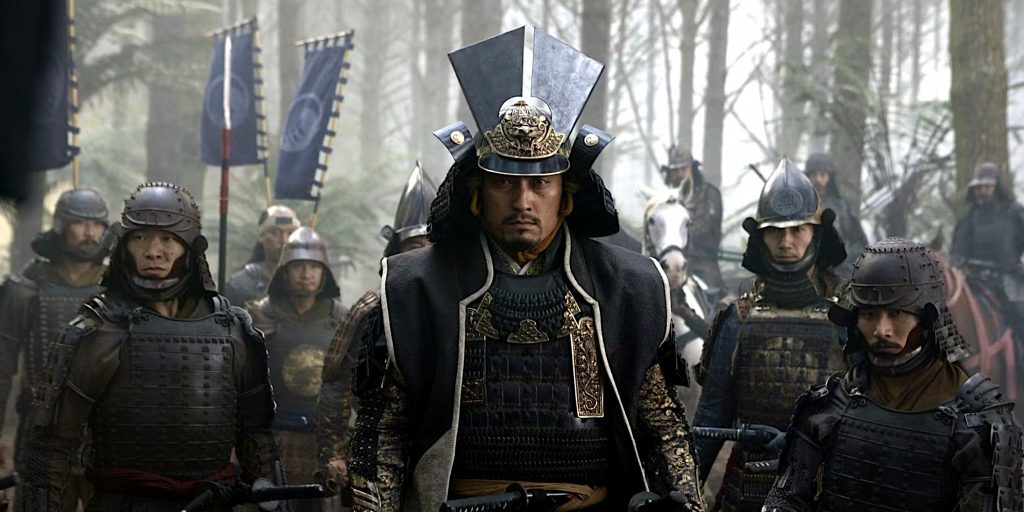
Weapons in The Last Samurai are not just props. They are basically characters with very sharp opinions.
The whole film is built around a clash between old Japan and modern Japan. On one side are the samurai and their traditional weapons. On the other are rifles, artillery, Gatling guns and the rather depressing arrival of industrial warfare.
The older weapons are presented as symbols of identity, honour and craftsmanship. The newer weapons represent progress, efficiency and the uncomfortable truth that history usually sides with whichever army owns the bigger gun.
That contrast gives every sword, spear and musket in the film extra weight.
The Katana
Katana Specifications
| Feature | Typical Specification |
|---|---|
| Blade length | 60-73 cm |
| Overall length | 90-110 cm |
| Weight | 1.1-1.5 kg |
| Blade type | Curved, single-edged |
| Grip length | 25-35 cm |
| Primary use | Two-handed cutting and thrusting |
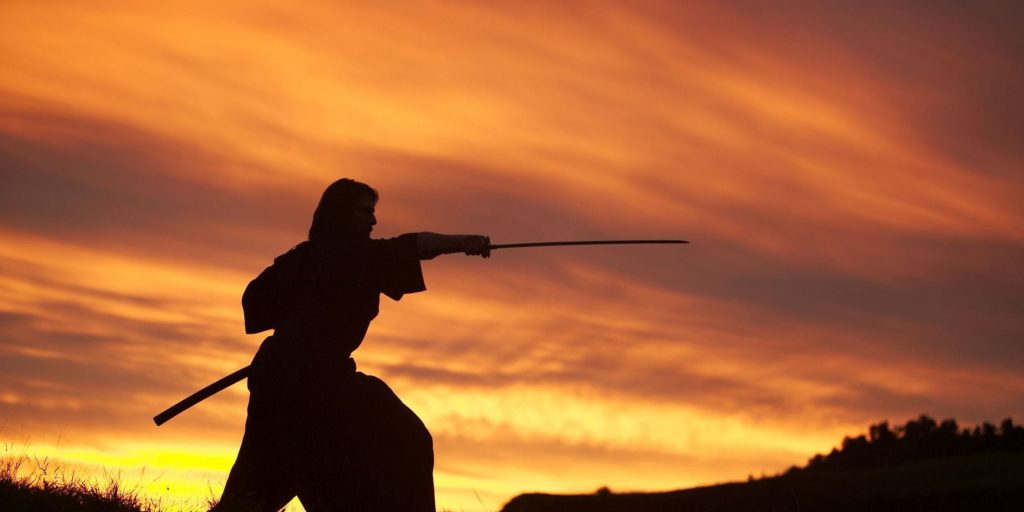
The katana is the star of the show. Unsurprisingly.
A samurai film without a katana would be a bit like a pirate film where nobody owns a ship and everyone just complains in a harbour.
In The Last Samurai, the katana is shown as the primary weapon of the samurai rebels led by Katsumoto. The swords seen in the film are fairly accurate for the late Edo and early Meiji periods.
What Is a Katana?
The katana is a curved, single-edged sword usually around 60 to 73 cm in blade length. It was designed to be worn edge-up through the belt and could be drawn and used in one movement.
The katana became the iconic samurai weapon during the Muromachi period and remained important right into the nineteenth century.
How the Film Uses It
The film shows samurai fighting mostly with katana in close combat. This is visually impressive and makes for excellent cinema, but real samurai often relied more heavily on polearms and bows in battle.
The katana was still important, especially by the late nineteenth century, but it was not always the battlefield king that modern films suggest.
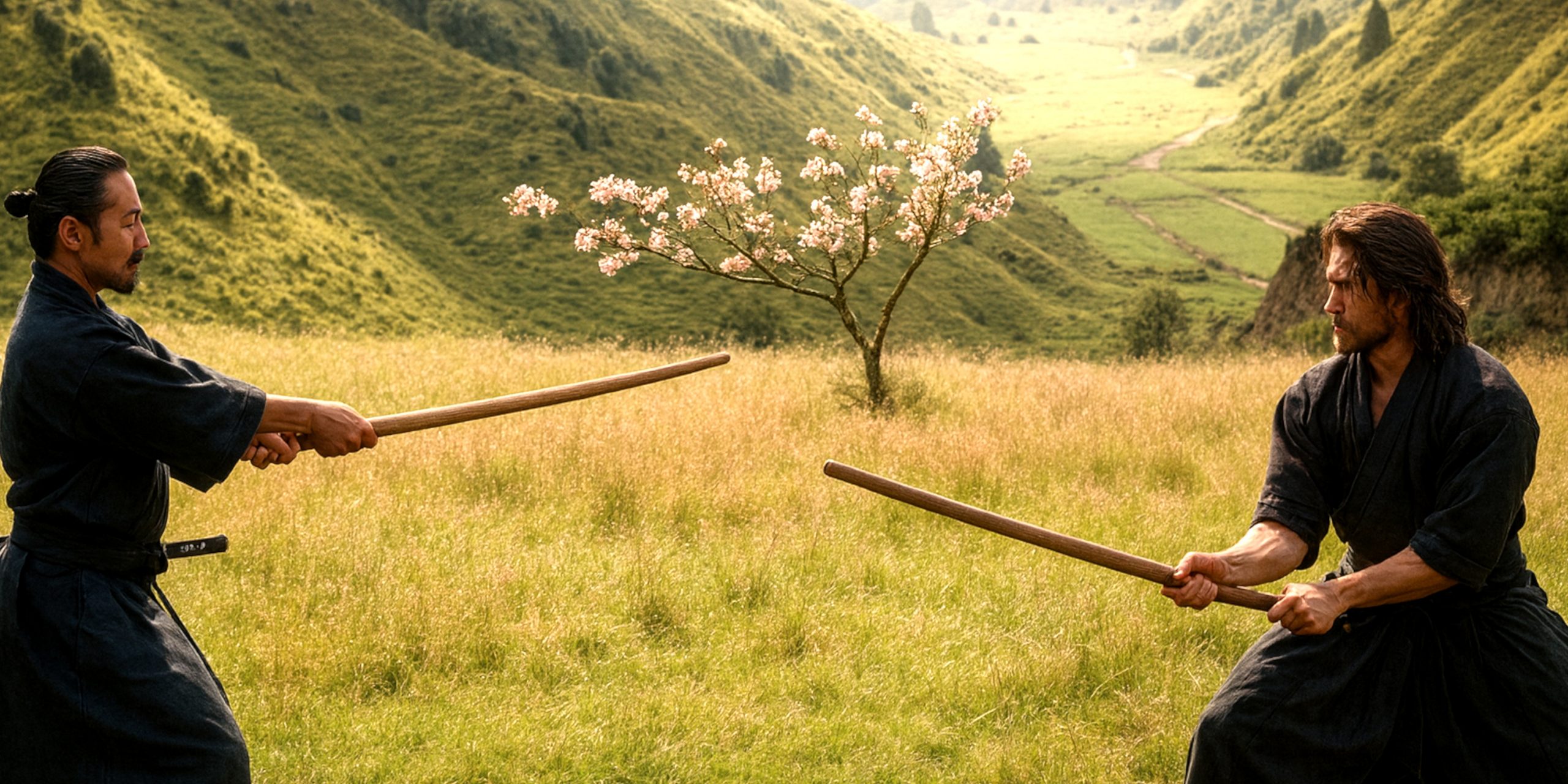
The sword fights themselves are fairly grounded. They use quick cuts, deliberate movements and two-handed grips that actually resemble traditional Japanese swordsmanship.
There is less spinning and leaping than in many Hollywood films, which is probably for the best. If a samurai tried some of those action-film flips while wearing armour, he would likely end up face-first in a muddy field while everyone politely pretended not to notice.
The Wakizashi
Wakizashi Specifications
| Feature | Typical Specification |
| Blade length | 30-60 cm |
| Overall length | 50-80 cm |
| Weight | 0.5-1 kg |
| Blade type | Curved, single-edged |
| Grip length | 15-25 cm |
| Primary use | Backup weapon, indoor combat, close quarters |
The Wakizashi
Alongside the katana, many samurai in the film also carry a shorter sword called a wakizashi.
The katana and wakizashi together form the daishō, literally meaning “big-little”. Carrying both swords was one of the classic marks of samurai status.
What Is a Wakizashi?
The wakizashi is a shorter companion sword, usually between 30 and 60 cm long.
It was used indoors, in confined spaces, or as a backup weapon if the katana was lost. It also had a more sombre role. Traditionally, it was the weapon used for ritual suicide, or seppuku.
Wakizashi in the Film
The film does not spend much time focusing on the wakizashi, but it appears regularly in costume design. Katsumoto and other samurai are often shown wearing both swords, which is historically accurate.
That detail might sound small, but it is exactly the kind of thing that separates careful costume design from the sort of historical film where a Roman centurion somehow wanders in carrying a Viking axe.
The Yari
Yari Specifications
| Feature | Typical Specification |
| Shaft length | 2-6 m |
| Blade length | 15-45 cm |
| Weight | 1.5-4 kg |
| Blade type | Straight, double-edged or triangular spearhead |
| Material | Wooden shaft with steel head |
| Primary use | Infantry combat, anti-cavalry, formation fighting |
The Yari
One of the most overlooked weapons in The Last Samurai is the yari, or spear.
You can spot yari throughout the village scenes and battle sequences. Samurai and ashigaru alike are often armed with long spears, especially when preparing for cavalry attacks.
Why the Yari Was So Important
The yari was one of the most effective battlefield weapons in Japanese history.
It gave infantry reach, could stop cavalry, and was much easier to use in formation than a sword. During the Sengoku period, huge armies of ashigaru fought with yari.
By the nineteenth century, the spear was old-fashioned compared with rifles, but many samurai still trained with it.
Yari in the Final Battle
The final battle of the film, loosely inspired by the real 1877 Satsuma Rebellion and the Battle of Shiroyama, shows samurai using yari against modern infantry.
This is reasonably accurate. Rebel samurai during the Satsuma Rebellion often carried a mix of traditional weapons and firearms. Spears were still used, especially when ammunition ran low.
Watching men with yari charge a line of rifles is both dramatic and slightly painful. You already know how it is going to end. The film knows it too. That is the point.
The Yumi
Yumi Specifications
| Feature | Typical Specification |
| Bow length | 180-220 cm |
| Draw weight | 15-30 kg or more |
| Material | Laminated bamboo, wood and leather |
| Arrow length | 80-100 cm |
| Effective range | 30-100 m |
| Primary use | Mounted archery and battlefield shooting |
The Yumi
The long Japanese bow, or yumi, appears several times in the film, particularly in training scenes.
The yumi is one of the oldest and most respected samurai weapons.
What Makes the Yumi Different?
Unlike most bows, the yumi is asymmetrical. The grip sits below the centre, creating a very long upper limb and a shorter lower limb.
This design made it easier to use from horseback.
The bow could be over two metres long and required considerable skill to use effectively.
How Accurate Is Its Use in the Film?
The film treats archery with surprising seriousness. Samurai are shown training with yumi in disciplined, almost meditative ways.
That is accurate. Archery in samurai culture was not just about hitting a target. It was linked with self-control, ritual and discipline.
By the 1870s, bows had largely been replaced in warfare by firearms, but they still survived as part of martial training and tradition.
Matchlock Muskets and Rifles
Matchlock Musket Specifications
| Feature | Typical Specification |
| Overall length | 100-140 cm |
| Barrel length | 70-100 cm |
| Weight | 3-6 kg |
| Calibre | Usually 10-18 mm |
| Effective range | 50-100 m |
| Rate of fire | 1-2 shots per minute |
Matchlock Muskets and Rifles
One thing the film gets absolutely right is that the samurai are not shown as living entirely in the past.
Some of Katsumoto’s followers use firearms, including matchlock muskets and older rifles.
Samurai Used Guns Too
There is a common myth that samurai hated guns. Real samurai absolutely used them.
Japan adopted firearms very quickly after Portuguese traders introduced matchlock guns in the sixteenth century. During the Sengoku period, Japanese armies used thousands of arquebuses.
By the time of the Satsuma Rebellion, many samurai rebels carried modern rifles.
The film tones this down a little because it wants a cleaner visual contrast between old and new. Historically, the rebels were often armed with rifles alongside swords and spears.
The Murata Rifle and Modern Weapons
The Imperial Japanese Army in the film uses modern rifles and artillery. These are loosely based on the weapons actually used during the Satsuma Rebellion.
The most important is the Murata rifle, Japan’s first domestically produced military rifle.
Murata Rifle Specifications
| Feature | Typical Specification |
| Overall length | 128 cm |
| Weight | 4-4.2 kg |
| Calibre | 11 mm |
| Action | Bolt-action |
| Effective range | Up to 400 m |
| Rate of fire | 6-10 rounds per minute |
Why the Murata Rifleas a symbol
The Murata rifle symbolises Japan’s rapid modernisation during the Meiji period.
It was accurate, reliable and far more effective at range than traditional weapons.
The film uses these rifles as the visual opposite of the samurai sword. One is mass-produced and modern. The other is handmade and personal.
That contrast is a little romanticised, admittedly. A rifle can be deeply personal if somebody is currently pointing it at you.
Still, the symbolism works.
The Gatling Gun
Gatling Gun Specifications
| Feature | Typical Specification |
| Weight | 35-80 kg depending on model |
| Calibre | Usually .45 or .50 |
| Number of barrels | 6-10 |
| Rate of fire | 200-600 rounds per minute |
| Effective range | Up to 1000 m |
| Operation | Hand-cranked |
The Gatling Gun
The Gatling gun in the final battle is the film’s loud, brutal reminder that the age of the samurai is over.
Historically, Gatling guns were used by imperial forces during the Satsuma Rebellion.
In the film, the appearance of the gun feels almost unfair. Then again, war has never been especially interested in fairness.
Was the Gatling Gun Accurate?
Yes, broadly.
Imperial forces used modern repeating weapons against samurai rebels. The film exaggerates the exact timing and drama slightly, but the overall idea is correct.
The Gatling gun is not there simply because it looks terrifying, though it certainly manages that. It represents industrial warfare arriving in Japan with all the subtlety of a train crashing through a tea ceremony.
Samurai Armour and How It Affected Weapon Choice
The armour in The Last Samurai is surprisingly well done.
Most of the samurai wear late Edo-style armour inspired by older samurai designs. The armour includes:
- Lamellar cuirasses
- Sode shoulder guards
- Kabuto helmets
- Menpō face masks
- Armoured sleeves and shin guards
Because samurai armour was lighter and more flexible than European plate armour, weapons such as the katana, yari and yumi worked well alongside it.
The film’s combat reflects this reasonably well. Sword cuts aim for gaps in armour. Spears are used to keep enemies at a distance. Archers target exposed areas.
What the Film Gets Wrong
For all its strengths, The Last Samurai still takes a few liberties.
Too Many Swords
The film often makes it seem as though samurai fought almost entirely with katana.
In reality, battlefield combat relied heavily on spears, bows and firearms. Swords were important, but they were not usually the first choice in large battles.
Samurai Armour Is Slightly Too Perfect
The armour in the film is beautiful, but it is often cleaner and more ornate than what would likely have been worn during an actual rebellion campaign.
Real armour in the field tended to be battered, repaired and occasionally held together by optimism.
The Rebels Are More Traditional Than Reality
The film leans into the idea that Katsumoto’s forces reject modernity completely.
The real Satsuma rebels used plenty of guns. They were not simply charging into battle armed with swords because they enjoyed making life unnecessarily difficult.
They were resisting political change, not technology itself.
The Real Historical Inspiration
Katsumoto is loosely based on entity[“people”,”Saigō Takamori”,”Japanese samurai and leader of the Satsuma Rebellion”], one of the leaders of the real Satsuma Rebellion of 1877.
The final battle resembles the last stand battle during the Satsuma Rebellion.
At Shiroyama, Saigō’s remaining samurai faced overwhelming imperial firepower. Many still carried traditional weapons alongside rifles.
The battle has become one of those strange historical moments that feels almost too symbolic to be real. The old world did not disappear quietly. It stood on a hillside with swords and rifles, then got flattened by artillery.
Seven Swords Takeaway
The Last Samurai is not a perfect history lesson, but it is far more accurate than many films give it credit for.
Its weapons are generally well researched, visually convincing and rooted in real samurai history. The katana, wakizashi, yari and yumi are all presented with care, while the inclusion of rifles and Gatling guns helps show the uneasy collision between old Japan and modern warfare.
The film occasionally romanticises the past and gives swords rather more screen time than they probably deserve. Then again, films are not made by historians. If they were, every battle scene would begin with twenty minutes of logistics, three arguments about ammunition, and somebody complaining that the horses have not arrived.
Thankfully, The Last Samurai aims for something more entertaining.
And when it comes to samurai weapons, it gets enough right to keep both history fans and sword obsessives fairly happy.pan stood between worlds: the disciplined past of the sword and the mechanised future of the gun.