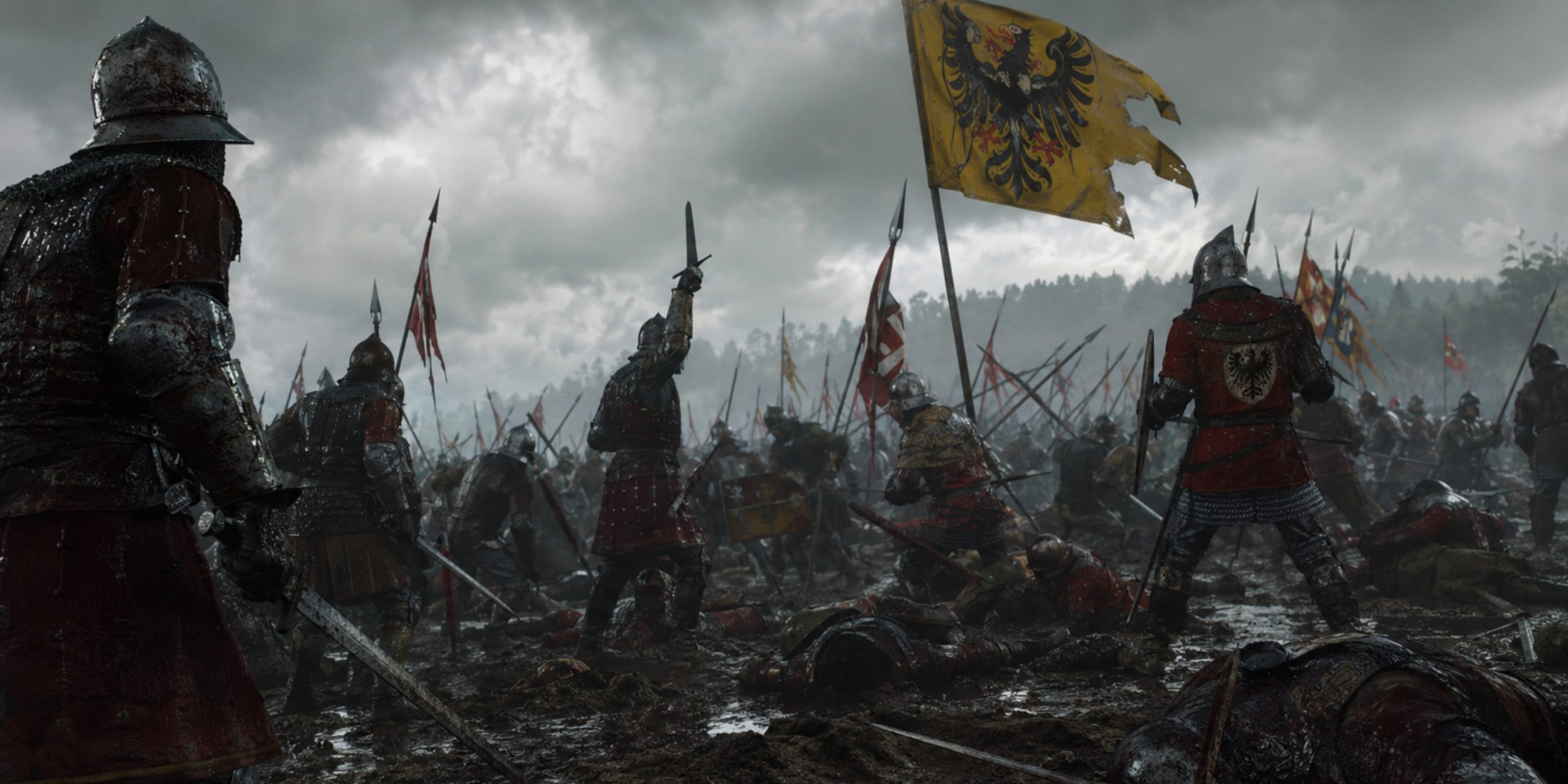
Kingdom Come: Deliverance 2 does something that very few medieval games even attempt. It treats warfare as something messy, exhausting and deeply human rather than a collection of cinematic hero moments.
That means many of the tactics you encounter are rooted in genuine fifteenth century military practice. Battles were rarely won because one legendary knight defeated fifty opponents. They were won through discipline, positioning, communication and exploiting the mistakes of an exhausted enemy.
As someone who spends far too much time reading medieval battle accounts, I cannot help smiling every time the game rewards patience instead of reckless heroics. It feels refreshing. Charging headlong into six armoured men is exactly as bad an idea as history suggests.
Let’s look at the medieval tactics that inspired the game’s combat.
Why Fifteenth Century Warfare Was Different
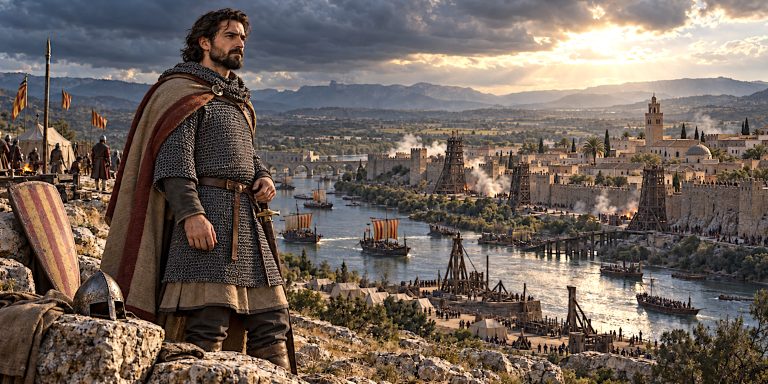
The early fifteenth century sat in an awkward transition between the age of the mounted knight and the rise of organised infantry and gunpowder.
Heavy cavalry still mattered enormously, but disciplined foot soldiers armed with polearms, pikes, crossbows and early firearms could challenge even the wealthiest noble.
The wars that shaped Bohemia, including those that followed the events of the first game, demonstrated that intelligence, preparation and terrain often outweighed raw numbers.
That philosophy runs through nearly every combat encounter in Kingdom Come: Deliverance 2.
Fighting in Formation
Perhaps the biggest lesson medieval commanders understood was that soldiers survived longer together.
Individual duels certainly happened, especially among knights, but once armies collided, cohesion became everything.
Groups protected each other’s flanks, rotated tired fighters backwards and presented a solid front against enemy attacks.
In the game, being surrounded is one of the fastest ways to die.
That is not unfair difficulty. It is medieval reality.
Even experienced professional men-at-arms struggled when attacked from multiple directions because armour protected the front far better than the sides and rear.
Historical examples
- English men-at-arms during the Hundred Years’ War
- Bohemian infantry during the Hussite conflicts
- Swiss infantry formations across Central Europe
Terrain Wins Battles
One of the oldest military lessons is also one of the most important.
Never fight on your opponent’s terms.
Commanders constantly searched for hills, forests, rivers, marshes and narrow roads that restricted enemy movement.
A smaller force defending difficult ground could often outperform a much larger army.
Throughout Bohemia, wooded hills and winding valleys created countless opportunities for ambushes.
Players quickly discover that charging uphill into prepared enemies usually ends badly.
Medieval soldiers figured that out centuries ago.
Ambushes Were Everywhere
Forget honourable announcements before battle.
Medieval warfare relied heavily on surprise.
Nobles attacked supply trains.
Scouts disappeared into forests.
Small patrols were isolated and destroyed before larger forces even realised they were missing.
This style of warfare became especially common during civil wars and regional conflicts where armies rarely fought neat pitched battles.
The forests of Bohemia were ideal terrain for exactly this sort of fighting.
An experienced captain preferred defeating fifty enemies through careful planning over losing twenty men in a glorious frontal assault.
That may not sound romantic, but surviving was always fashionable.
Cavalry Was Powerful, Not Invincible
Knights remain iconic for good reason.
A disciplined cavalry charge delivered enormous shock power, particularly against disorganised infantry.
Yet cavalry also had limitations.
Dense forests, muddy fields, steep slopes and prepared infantry could all reduce its effectiveness.
Well trained foot soldiers armed with long spears, poleaxes or bills could stop mounted attacks if they held their nerve.
The game reflects this balance well.
Mounted combat provides mobility and momentum, but it is not an automatic victory button.
Polearms Controlled the Battlefield
Many modern games make swords the undisputed kings of combat.
History disagrees.
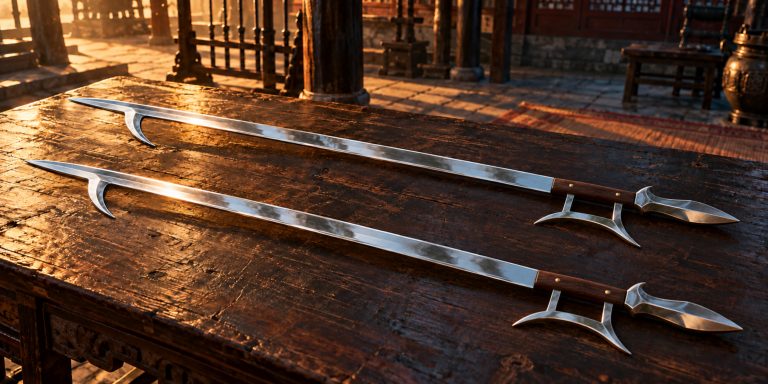
Polearms often dominated medieval battlefields because they offered superior reach and leverage.
Common battlefield weapons included:
| Weapon | Battlefield Role |
|---|---|
| Spear | Defensive formation weapon |
| Pike | Countering cavalry |
| Halberd | Cutting, thrusting and hooking riders |
| Poleaxe | Elite armoured combat |
| Billhook | Pulling opponents from formation |
The humble spear appeared in almost every European army for one very practical reason.
It worked.
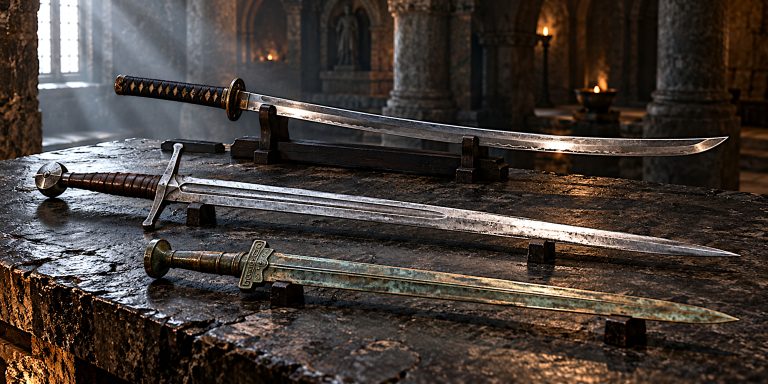
A sword remained an excellent sidearm, but few soldiers voluntarily chose one over a longer weapon when facing organised formations.
Archers and Crossbowmen Shaped Every Battle
Missile troops rarely decided battles alone.
They prepared the battlefield.
Archers disrupted formations before contact.
Crossbowmen targeted officers and exposed troops.
Skirmishers forced enemy soldiers to advance under constant pressure.
By the time infantry finally met, one side was often already tired, injured or disorganised.
This is why commanders valued ranged troops so highly.
The damage they inflicted was often psychological as much as physical.
Nobody enjoys walking towards hundreds of incoming arrows.
That remains true today.
Fatigue Was a Silent Killer
One detail that often surprises players is how quickly combat becomes exhausting.
Swinging weapons repeatedly while wearing armour drains energy remarkably fast.
Historical accounts describe soldiers collapsing from heat, dehydration and sheer exhaustion.
Heavy armour was brilliantly engineered, but carrying it across miles of countryside before fighting was still physically demanding.
Experienced fighters conserved movement.
They waited for openings.
Wild, theatrical sword swings belonged more to cinema than real battlefields.
Command and Communication
Medieval armies did not enjoy radios.
Orders travelled through shouting, banners, mounted messengers, drums and horns.
Confusion spread quickly once battle began.
If commanders lost control, formations dissolved into isolated groups.
Good leaders positioned themselves where soldiers could still see them while avoiding unnecessary personal duels.
This helps explain why banners carried such importance.
They acted as moving landmarks in the chaos.
Lose sight of your standard and you might lose the battle.
Logistics Won Wars Before Battles Began
Battles receive the attention.
Supply lines won campaigns.
An army required food, horseshoes, arrows, replacement equipment and clean water.
Capturing roads, bridges and river crossings often mattered more than capturing castles.
Many medieval commanders preferred starving opponents into surrender rather than risking a costly assault.
The game hints at these realities through travelling soldiers, camp life and regional control.
Behind every knight stood dozens of people keeping him equipped.
Psychological Warfare
Intimidation formed an important part of medieval strategy.
Commanders displayed banners, polished armour and elite cavalry to project confidence.
Large drums, war horns and coordinated advances created the impression of overwhelming strength.
Sometimes armies broke before serious fighting even began.
Reputation also mattered enormously.
If a commander became known for ruthless efficiency, opponents might surrender rather than test their luck.
Winning without fighting was often the cheapest victory available.
Why the Hussites Changed Warfare
The setting of Kingdom Come: Deliverance 2 sits close to one of medieval Europe’s greatest military revolutions.
The Hussite Wars transformed battlefield tactics through disciplined infantry, mobile wagon forts and widespread use of firearms alongside traditional weapons.
Rather than relying solely on mounted nobles, Hussite commanders built flexible armies capable of defeating heavily armoured knights through preparation and coordination.
Many historians see these conflicts as an important bridge between medieval and early modern warfare.
Although the game is not entirely focused on the Hussite Wars themselves, their influence hangs over the military culture of fifteenth century Bohemia.
Lessons Players Can Actually Use
Interestingly, the same principles that helped medieval captains survive also improve your chances in the game.
- Avoid fighting multiple opponents whenever possible.
- Use terrain to limit enemy movement.
- Let enemies make the first mistake.
- Manage stamina carefully.
- Carry weapons suited to different armour types.
- Scout before committing to combat.
- Remember that retreat can be the smartest tactical decision.
None of these strategies feels especially heroic.
That is exactly why they work.
Takeaway
Kingdom Come: Deliverance 2 succeeds because it respects history without turning itself into a documentary.
Its combat rewards patience, positioning and preparation over spectacular fantasy feats. While no game can perfectly recreate medieval warfare, it captures many of the tactical ideas that shaped real fifteenth century battlefields.
Perhaps the greatest compliment I can give is this. The game regularly punishes behaviour that medieval veterans would have called unbelievably foolish. Running alone into a group of armoured opponents is rarely a good plan, regardless of how impressive your sword looks.
History, as it turns out, remains wonderfully stubborn.