Henry I of Cyprus (1217 to 1253), often called Henry the Fat in later sources, ruled during one of the most turbulent periods in the history of the Crusader states. His nickname has unfortunately survived better than many of his achievements, which feels rather unfair. Medieval chroniclers could be brutally direct, and they rarely worried about someone reading their comments eight centuries later.
Henry inherited the throne as a child in 1218 after the death of his father, Hugh I of Cyprus. The island kingdom he received was young, wealthy, strategically vital, and surrounded by enormous political pressures. Cyprus was not simply a Mediterranean island paradise. It was a fortress, a naval base, and one of the last secure centres of Latin Christian power in the eastern Mediterranean.
His reign saw:
- The struggle between the Lusignan monarchy and imperial authority
- Conflict with the forces of Emperor Frederick II
- The consolidation of Cyprus as a major Crusader power
- Support for campaigns in the Holy Land
- Growing commercial links with Italian maritime republics
Henry was not the most famous Crusader king, but he was one of the rulers who ensured the Crusader presence survived long after mainland territories began to collapse.
Early Life And The Lusignan Dynasty
Henry belonged to the Lusignan family, a French noble house that became one of the most important dynasties of the Crusading era.
His father, Hugh I, died when Henry was still an infant. The kingdom was initially governed through regents, including his mother Alice of Champagne and powerful Cypriot nobles.
Cyprus itself had only become a Crusader kingdom a generation earlier. Richard the Lionheart captured the island from Byzantine ruler Isaac Komnenos during the Third Crusade in 1191. It eventually passed to Guy of Lusignan, the former king of Jerusalem, creating a new dynasty.
By Henry’s childhood, Cyprus had become:
- A safe base for Crusader armies travelling east
- A wealthy trading centre
- A supplier of knights, ships, and resources
- A political rival to mainland Crusader nobles
For a young king, it was both a valuable inheritance and a diplomatic minefield.
The Challenge Of Frederick II
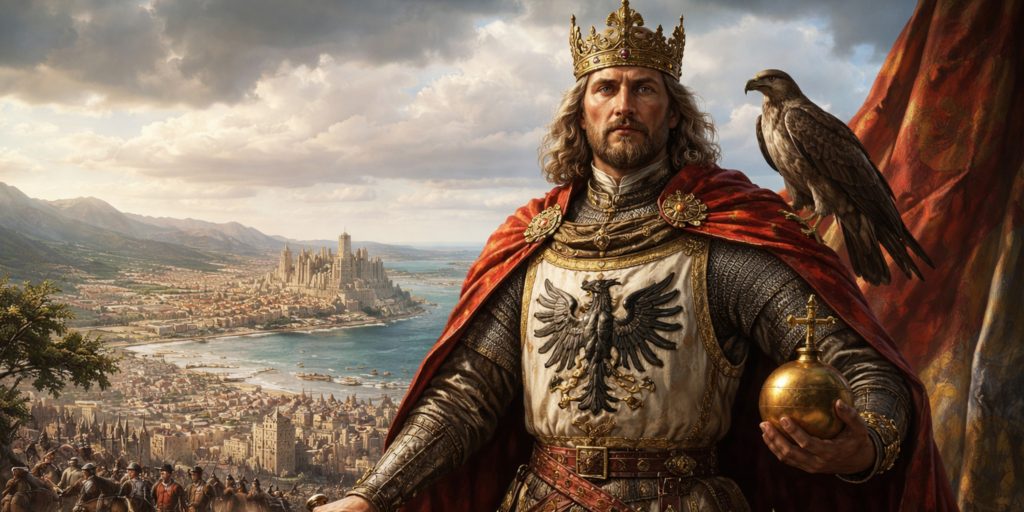
The defining political struggle of Henry’s reign came from the ambitions of Holy Roman Emperor Frederick II.
Frederick claimed authority over the Kingdom of Jerusalem through marriage and attempted to extend his influence over Cyprus. When he arrived in the east during the Sixth Crusade, he demanded control over Cypriot affairs.
Many local nobles resisted, particularly the powerful Ibelin family. Henry’s reign became closely connected with this conflict, known as the War of the Lombards.
The dispute was not simply a personal rivalry. It was a battle over whether Cyprus would become an imperial possession or remain an independent Lusignan kingdom.
Battles And Military Acumen
Henry I was not remembered as a battlefield commander in the same way as Richard I or Saladin, but his reign involved important military events that shaped the eastern Mediterranean.
Major Conflicts
| Conflict | Date | Henry’s Role | Result |
|---|---|---|---|
| Imperial intervention in Cyprus | 1228 onwards | Defended Lusignan independence through supporters | Imperial influence challenged |
| War of the Lombards | 1229 to 1243 | Supported anti-imperial factions | Victory for Cypriot nobility |
| Battle of Agridi | 1232 | His supporters fought imperial forces | Major Lusignan victory |
| Crusader campaigns in the Levant | 1230s to 1250s | Supplied support from Cyprus | Strengthened island influence |
Battle Of Agridi, 1232
The Battle of Agridi was the crucial military moment of Henry’s reign.
Forces loyal to Henry and led by John of Ibelin faced the imperial army commanded by supporters of Frederick II.
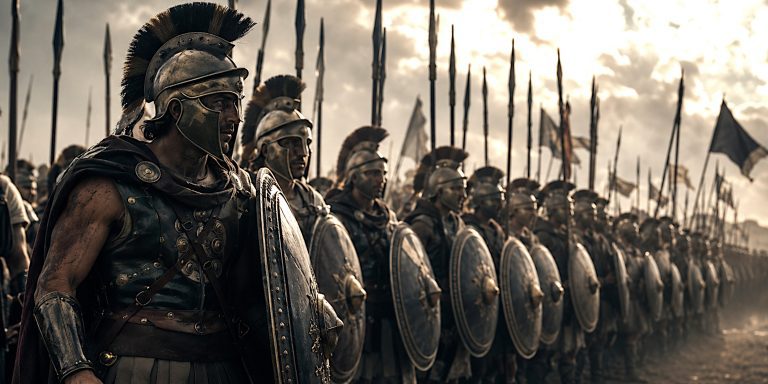
Lusignan And Ibelin Forces
- Heavily armoured knights
- Mounted sergeants
- Crossbowmen
- Infantry levies
Imperial Forces
- Lombard knights
- Mercenary troops
- Imperial supporters from Cyprus
Despite being outnumbered, John of Ibelin’s army won a decisive victory. The battle effectively secured Henry’s throne and limited Frederick’s control over Cyprus.
It is one of those medieval battles where politics mattered as much as swords. A few hours of fighting determined who controlled one of the most valuable islands in the Mediterranean.
Arms And Armour During Henry I’s Reign
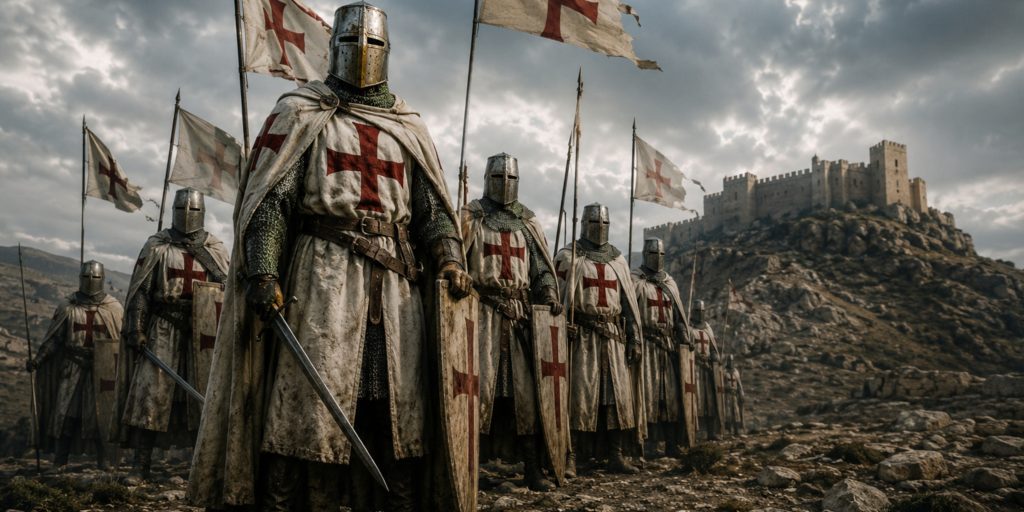
The armies of 13th century Cyprus followed western European knightly traditions but were influenced by Byzantine and Middle Eastern warfare.
Cypriot knights had to adapt. Fighting in the Levant was very different from campaigning in northern France. Heat, terrain, and fast-moving opponents shaped their equipment.
Royal And Knightly Armour
| Equipment | Description |
|---|---|
| Mail hauberk | Long iron mail shirt protecting the torso, arms, and upper legs |
| Mail chausses | Chain protection for the legs |
| Great helm | Cylindrical helmet increasingly common among elite knights |
| Cervelliere | Steel skullcap worn alone or beneath helmets |
| Surcoat | Cloth garment displaying heraldry and reducing heat from sunlight |
| Heater shield | Smaller shield replacing earlier kite shields |
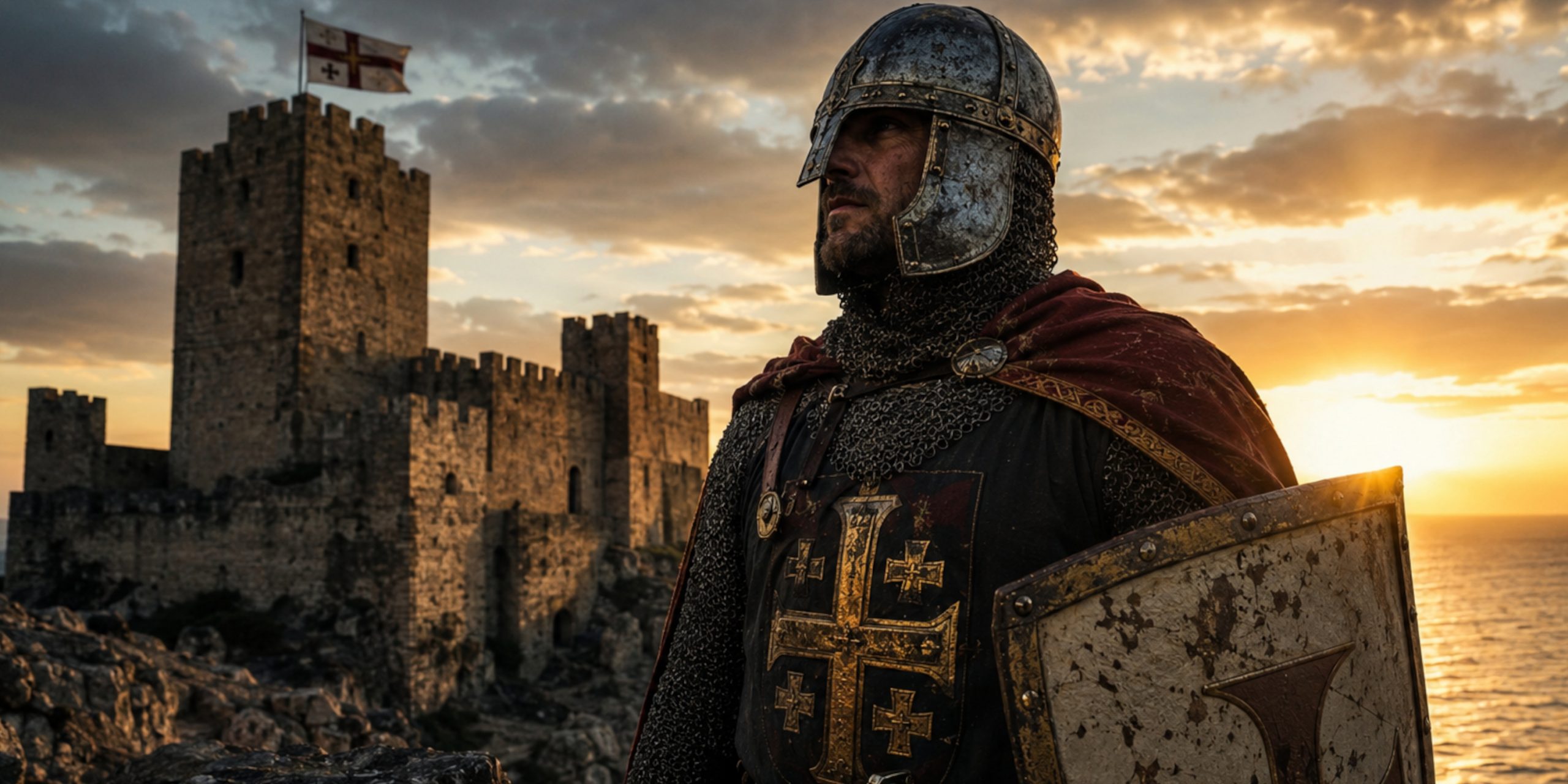
A noble such as Henry would have appeared much like other high-ranking Crusader rulers: covered in mail, carrying heraldic colours, and mounted on a powerful warhorse.
Weapons Used By Cypriot Crusader Forces
Swords
The standard sword of Henry’s elite cavalry.
Typical features:
- Blade length: around 70 to 85 cm
- Straight double-edged blade
- Cruciform guard
- Designed for cutting and thrusting
Many examples match Oakeshott Type XII and early Type XIII classifications, with broad blades capable of powerful strikes against mail.
Other Weapons
- Lance: the primary weapon of mounted knights
- Dagger: close combat and battlefield utility
- Mace: increasingly valuable against armoured opponents
- Crossbow: widely used in Mediterranean warfare
- Spear: common among infantry forces
The sword carried prestige, but the lance usually decided cavalry engagements. Medieval warfare often ruins our romantic image of sword duels by reminding us that a charging horse and a long wooden pole were terrifyingly effective.
Cyprus As A Crusader Stronghold
Under Henry I, Cyprus developed into one of the most important Latin states.
The island benefited from:
- Strong agricultural production
- Sugar and wine exports
- Maritime trade routes
- Relations with merchants from Venice, Genoa, and Pisa
After the eventual fall of mainland Crusader territories later in the century, Cyprus became even more important. Henry’s reign helped create the foundations that allowed the Lusignan kingdom to survive until the late 15th century.
Diplomacy And Marriage Alliances
Henry understood the importance of alliances. His marriages connected Cyprus with influential European families.
His wives included:
- Alice of Montferrat
- Stephanie of Barbaron
- Plaisance of Antioch
Through these connections, Cyprus remained tied to the politics of Italy, Armenia, and the remaining Crusader states.
Dynastic politics could be ruthless, but for small medieval kingdoms it was survival. A good marriage alliance could sometimes achieve what an army could not.
Artefacts From Henry I’s Reign And Where To See Them
Few objects can be directly connected personally to Henry I, but many surviving artefacts reveal the world he inhabited.
Cyprus Museum, Nicosia
Important collections include:
- Medieval Cypriot objects
- Ceramics
- Coins
- Material from Lusignan-period sites
Medieval Museum Of Cyprus, Limassol Castle
One of the best places to understand Lusignan Cyprus.
Collections include:
- Medieval armour influences
- Weapons
- Stone carvings
- Religious objects
- Tomb monuments
The castle itself represents the military architecture that dominated Cyprus during the Crusader centuries.
Metropolitan Museum Of Art, New York
Relevant collections include:
- 13th century European swords
- Mail armour
- Crusader-era military equipment
Although not specifically Henry’s possessions, these pieces represent the weapons and armour used by knights of his period.
Archaeology Connected To Lusignan Cyprus
Modern archaeology continues to reshape our understanding of the Crusader kingdom.
Important areas of research include:
Crusader Castles
Sites such as:
- St Hilarion Castle
- Buffavento Castle
- Kantara Castle
These mountain fortresses reveal how Cyprus was defended through layered strongholds rather than a single defensive centre.
Medieval Nicosia
Excavations have revealed evidence of:
- Lusignan urban development
- Religious architecture
- Trade connections
- Imported goods
Coin And Seal Discoveries
Coins from the Lusignan period help historians understand:
- Royal imagery
- Economic strength
- Political connections
They show a kingdom combining western European identity with eastern Mediterranean realities.
Death And Succession
Henry I died in 1253 at around 36 years old.
He was succeeded by his infant son Hugh II, beginning another period of regency politics.
Although Henry died young, his reign had lasting consequences:
- Cyprus remained independent from imperial control
- The Lusignan monarchy survived
- The island became the main Crusader base after losses in the Holy Land
The Survivor King Of The Crusader East
Henry I of Cyprus is easy to overlook because he lacked the dramatic image of a warrior king leading charges across the desert. Yet history is often shaped by rulers who preserve kingdoms rather than conquer new ones.
His greatest achievement was survival.
During his reign, Cyprus resisted imperial domination, strengthened its institutions, and grew into the most durable Crusader kingdom. While castles fell across the mainland, the island he protected endured.
Henry’s story is a reminder that medieval success was not always measured by captured cities or legendary battles. Sometimes it was simply keeping your crown while every ambitious neighbour tried to take it.