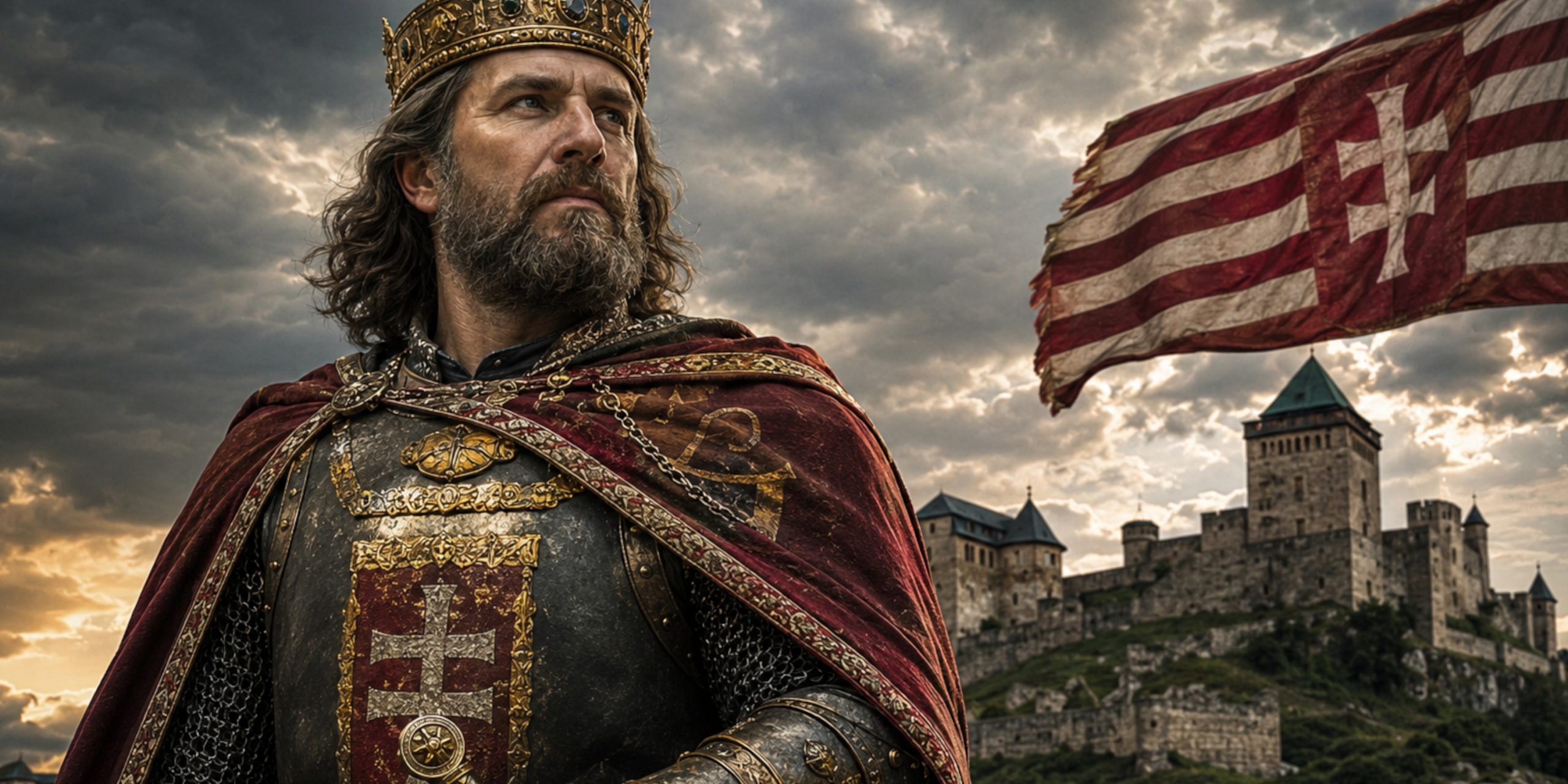
Andrew II of Hungary ruled from 1205 to 1235, a period when medieval Europe was changing rapidly. Crusading ideals, noble privileges, royal authority and expanding trade networks were reshaping kingdoms. Andrew stood right in the middle of that transformation.
He was a member of the Árpád dynasty, the royal house that had ruled Hungary since the foundation of the kingdom. His reign is remembered for two very different achievements: leading one of the largest royal expeditions of the Fifth Crusade and issuing the Golden Bull of 1222, a document often compared with England’s Magna Carta.
Andrew was energetic, ambitious and at times dangerously optimistic. He imagined Hungary as a major power stretching influence across the Balkans and the eastern Mediterranean. The problem was that ambition is expensive, and medieval nobles rarely enjoyed receiving the bill.
Early Life and the Fight for Power
Andrew was born around 1177, the younger son of King Béla III of Hungary and Agnes of Antioch. His father left him wealth and estates rather than the throne, which passed to Andrew’s elder brother Emeric.
This arrangement did not satisfy him.
Andrew repeatedly challenged Emeric’s rule, resulting in a bitter struggle between the brothers. After military confrontations and temporary reconciliation, Andrew eventually became guardian of Emeric’s young son Ladislaus III. When the child king died in 1205, Andrew inherited the throne.
His early experiences shaped his rule. He had fought against central authority before becoming the person responsible for maintaining it. History has a sense of humour like that.
King of Hungary: A New Style of Rule
Andrew introduced what he called the “new institutions” policy. Instead of keeping royal lands tightly controlled by the crown, he granted huge estates to loyal nobles.
His supporters benefited enormously, but the long-term consequences were complicated.
Benefits:
- Strengthened his immediate political alliances
- Rewarded military service
- Created powerful noble supporters
Problems:
- Reduced royal income
- Increased aristocratic independence
- Weakened the traditional authority of the monarchy
Andrew was not a weak ruler, but he underestimated how difficult it would be to regain power once it had been given away.
The Fifth Crusade: Andrew II in the Holy Land
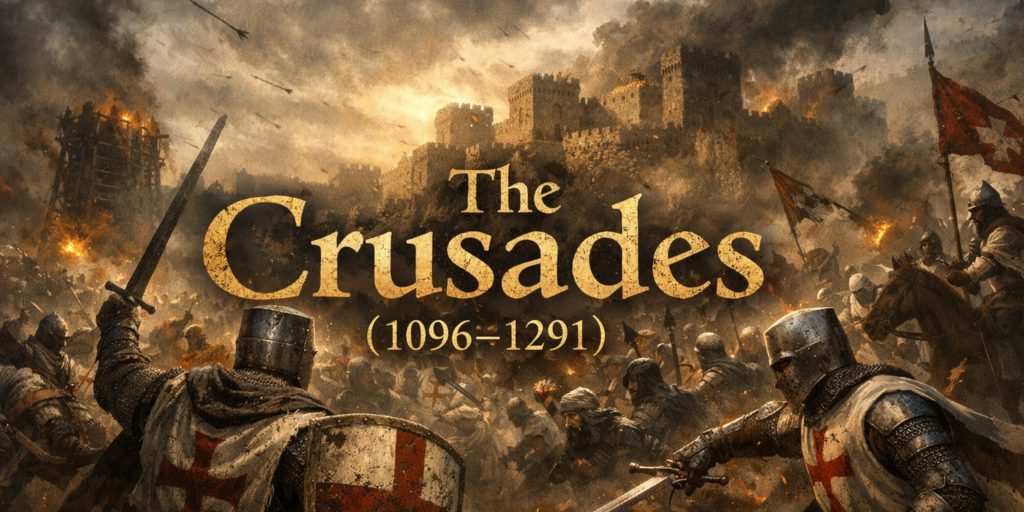
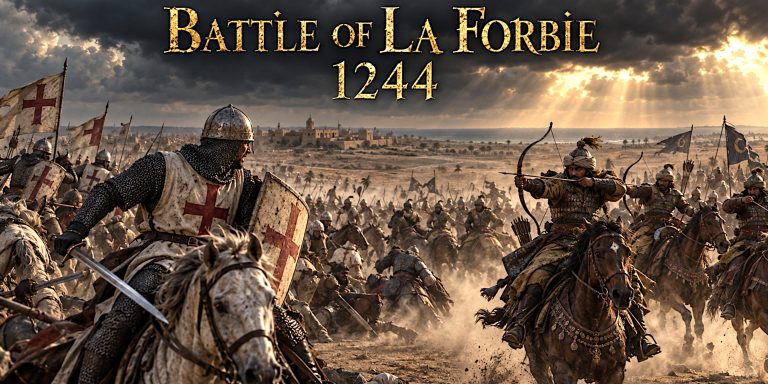
Andrew’s most famous military adventure came in 1217 when he joined the Fifth Crusade. His father had taken a crusading vow but never fulfilled it, leaving Andrew to carry out the obligation.
The Hungarian expedition was impressive. Contemporary accounts describe a large army containing knights, mounted retainers and supporting troops from across his territories.
Andrew travelled through the Balkans and sailed from Split to the eastern Mediterranean, arriving in the Kingdom of Jerusalem.
His objectives included:
- Supporting Christian control of the Holy Land
- Increasing Hungary’s international prestige
- Strengthening links with crusader states
The campaign itself was limited. Andrew participated in operations around Mount Tabor and other movements against Ayyubid forces, but there was no decisive battlefield victory.
Some later writers criticised him for leaving the crusade early in 1218, although this judgement is probably unfair. Maintaining a medieval army overseas was brutally expensive, and Andrew also faced instability at home.
He returned with relics, diplomatic connections and enhanced royal prestige, but not the dramatic conquest expected from crusading propaganda.
Battles and Military Acumen
Andrew II was a highly active ruler militarily, though not always a brilliant strategist. His strength was organisation, diplomacy and projecting Hungarian influence rather than battlefield innovation.
Major Campaigns and Conflicts
| Conflict | Date | Opponents | Result |
|---|---|---|---|
| War against King Emeric | 1190s to early 1200s | Hungarian royal forces | Helped Andrew eventually gain power |
| Campaigns in Galicia | Various | Rival Rus’ princes | Mixed success, temporary Hungarian influence |
| Fifth Crusade | 1217 to 1218 | Ayyubid forces | Increased prestige but limited military gains |
| Balkan campaigns | Throughout reign | Regional rivals | Expanded Hungarian political influence |
Andrew frequently intervened in Galicia, attempting to place his family members on the throne. These campaigns showed his dynastic ambition, although permanent control proved impossible.
His reign demonstrates a common medieval reality: winning battles was sometimes easier than keeping the territories afterwards.
Arms and Armour of Andrew II’s Era
The early 13th century was a fascinating transition point in medieval warfare. The knightly battlefield was dominated by mail armour, heavy cavalry and increasingly sophisticated defensive equipment.
A Hungarian royal army under Andrew II would have combined western European knightly traditions with influences from the steppe and Byzantine world.
Royal and Noble Armour
Andrew and his elite warriors likely used:
Mail Hauberk
A long coat of interlinked iron rings covering the torso, arms and often reaching the knees.
Features:
- Excellent protection against cuts
- Flexible for mounted combat
- Usually worn over padded textile armour
Mail Coif
A protective hood covering the head and neck, often combined with a helmet.
Great Helm
During Andrew’s lifetime, enclosed helmets became increasingly common among European knights.
Advantages:
- Strong facial protection
- Intimidating appearance
- Effective in cavalry charges
Disadvantage:
- Poor visibility and ventilation
Medieval knights were essentially choosing between breathing comfortably and keeping their face attached. Most understandably selected the second option.
Weapons Used by Hungarian Forces
Knightly Sword
The classic sword of Andrew’s reign was the high medieval arming sword.
Typical features:
- Straight double-edged blade
- Length around 70 to 85 cm
- Cruciform guard
- Designed for cutting and thrusting
These swords were symbols of status as much as battlefield tools.
Lance
The primary weapon of heavy cavalry.
Hungarian knights used couched lance charges similar to other western European armies.
Maces and War Hammers
As armour improved, crushing weapons became increasingly valuable.
Composite Bows
Hungarian armies retained influences from earlier steppe warfare.
Mounted archers and lighter cavalry could use:
- Composite bows
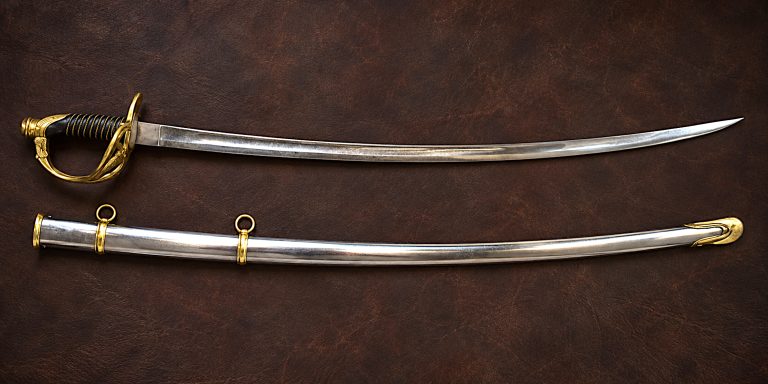
- Sabres
- Spears
- Light shields
This mixture gave Hungarian armies flexibility compared with some western forces that relied heavily on knights.
The Golden Bull of 1222
Andrew’s most lasting political achievement was the Golden Bull.
Pressure from nobles forced him to confirm their rights and limit royal authority.
Important clauses included:
- Protection of noble privileges
- Limits on royal officials abusing power
- The right of resistance if the king violated the agreement
The document became a foundation of Hungarian constitutional tradition.
Andrew probably did not intend to create a landmark of medieval rights. He was solving an immediate political crisis. History often gives people monuments they never planned to build.
Family, Dynasty and International Influence
Andrew’s family connections stretched across Europe.
His daughter Elizabeth of Hungary became one of the most famous religious figures of the Middle Ages and was later canonised as a saint.
His marriages also reflected his diplomatic ambitions:
- Gertrude of Merania
- Yolanda de Courtenay
- Beatrice d’Este
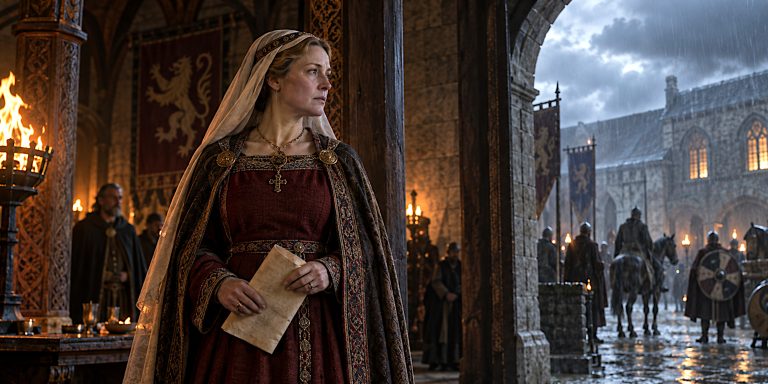
The murder of Queen Gertrude in 1213 by rebellious nobles became one of the darkest moments of his reign. It revealed the growing tension between royal favourites, foreign influence and the Hungarian aristocracy.
Contemporary Quotes and Medieval Views
A charter from Andrew II summarised his royal philosophy:
“The measure of royal generosity is without measure.”
This statement perfectly captures both his personality and his greatest political weakness. Andrew believed magnificent rewards created loyalty. His nobles discovered that receiving land was even better than loyalty.
Thomas the Archdeacon of Split, writing about the crusading departure, described the impressive scale of the royal expedition and the gathering of warriors:
“An immense multitude assembled, prepared for the journey overseas.”
Medieval chroniclers often admired Andrew’s ambition, but many also recognised the financial strain caused by his policies.
Artefacts From Andrew II’s Reign: Where to See Them
Few personal possessions of Andrew II survive, but several important collections preserve material from his world.
Hungarian National Museum, Budapest
The museum contains major Árpád-era collections including:
- Royal period metalwork
- Weapons
- Jewellery
- Coins
- Religious objects
Coins from Andrew’s reign are especially important because they show royal imagery, economic policy and the wider trading networks of medieval Hungary.
Hungarian National Archives, Budapest
Important documents connected to the Árpád monarchy are preserved here, including later copies and records associated with medieval royal charters.
Esztergom Castle Museum
Esztergom was one of medieval Hungary’s most important royal and religious centres.
Collections include:
- Árpád-era archaeology
- Architectural remains
- Ecclesiastical objects
Sites Connected to Andrew’s Crusade Route
Locations linked to his journey include:
- Split, Croatia, where his army departed
- Acre, one of the main crusader centres in the eastern Mediterranean
Latest Archaeology and Historical Research
Modern archaeology has changed how historians view Andrew’s Hungary.
Recent studies focus less on kings and battles alone, instead examining:
- Settlement expansion
- Trade networks
- Castle development
- Imported luxury goods
- Military equipment
Findings from Árpád-era sites show a kingdom strongly connected with Europe rather than an isolated frontier state.
Archaeologists continue studying:
Medieval Fortifications
Stone castles expanded rapidly during the 13th century, especially before and after the Mongol invasion of 1241.
Coin Hoards
Coins from Andrew’s reign reveal economic pressures, including his attempts to increase revenue after reducing royal land ownership.
Burial Finds
Elite graves provide evidence of jewellery, weapon styles and cultural connections between Hungary, Byzantium and western Europe.
Death and Legacy
Andrew II died in 1235 after three decades on the throne. He was succeeded by his son Béla IV, who spent much of his reign trying to reverse his father’s policies.
Andrew remains one of Hungary’s most debated medieval kings.
He was:
- A determined crusader
- A skilled dynastic politician
- A generous but financially reckless monarch
- A ruler whose reforms unintentionally strengthened noble power
His reign was not a simple success or failure. Andrew II belongs to that fascinating category of medieval rulers whose mistakes were almost as influential as their victories. He chased glory from Hungary to the Holy Land, but his longest shadow came from a document signed at home. The sword won him fame, yet the Golden Bull made him historic.