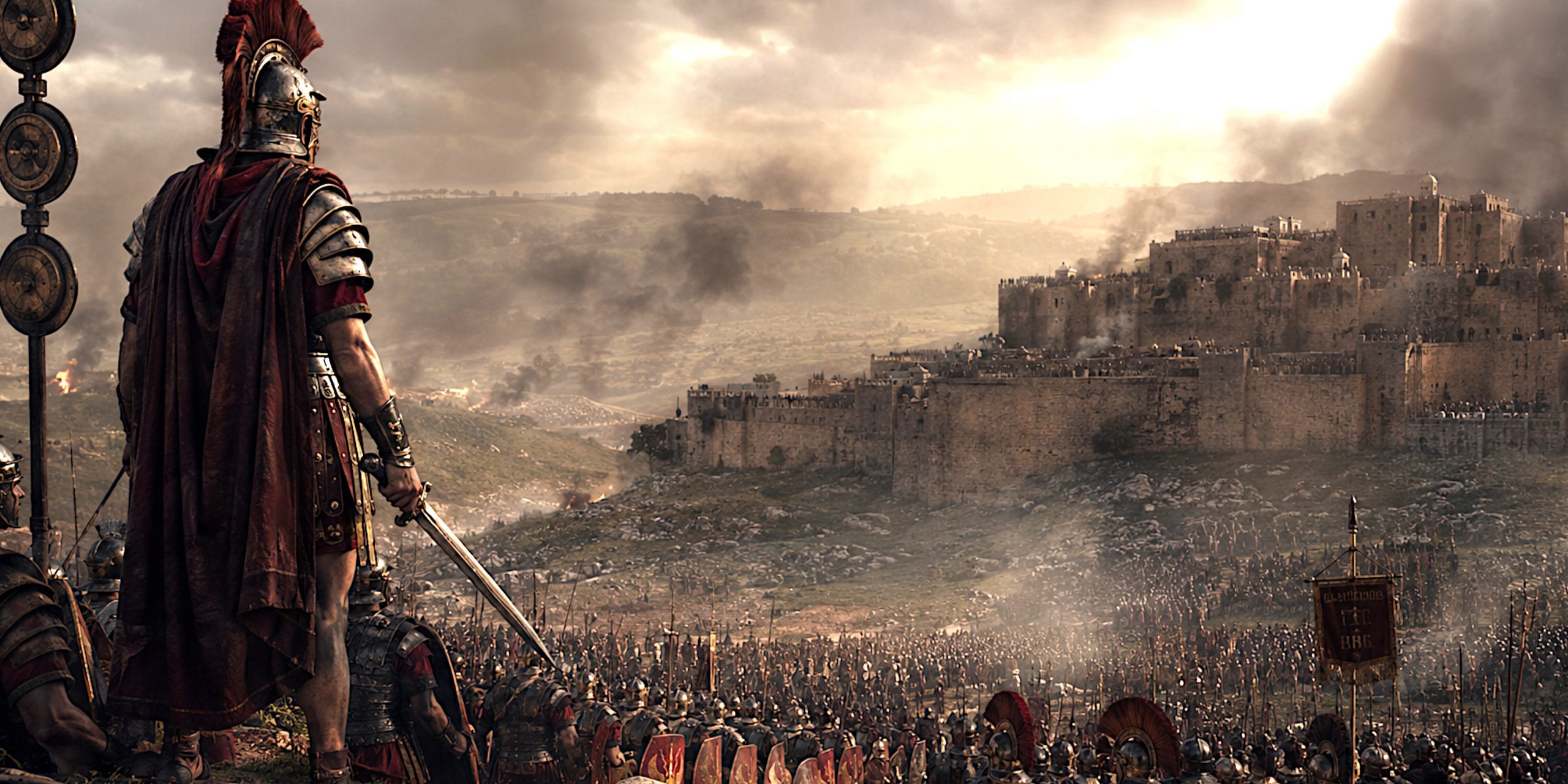
The Battle of Betar was not merely another Roman siege. It marked the violent conclusion of one of the greatest Jewish uprisings against Rome and permanently altered the history of Judea. When the fortress city of Betar finally fell in 135 CE, the dream of an independent Jewish kingdom collapsed alongside its walls.
Roman victories often came with brutal efficiency, but Betar stood apart even by imperial standards. Ancient sources describe extraordinary bloodshed, while archaeology and Roman military evidence reveal just how determined Emperor Hadrian was to erase the rebellion completely.
As a historian, Betar is one of those battles that leaves an uncomfortable impression. It lacks the glamour of Cannae or Alesia, yet its consequences arguably proved just as significant. Cities can be rebuilt. Entire populations and political identities take rather longer.
Background
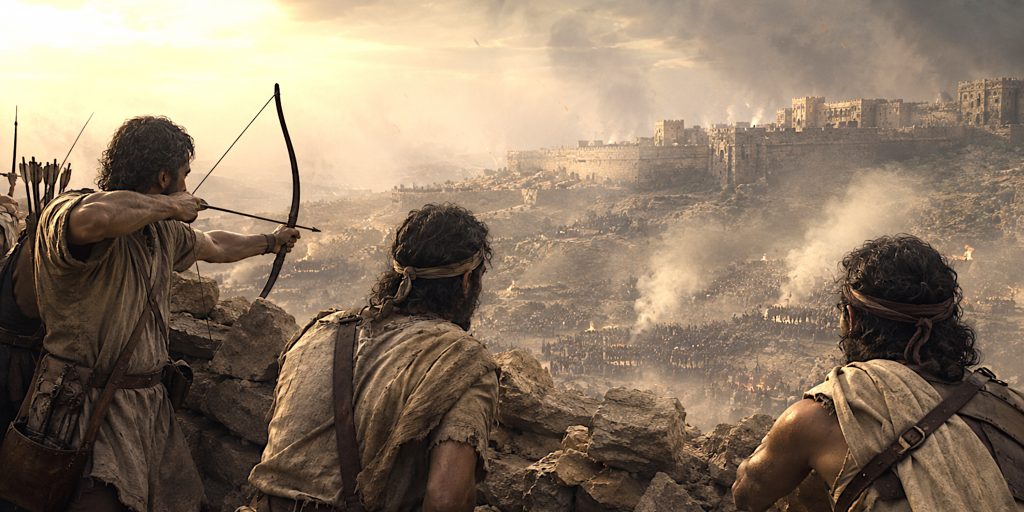
The Bar Kokhba Revolt erupted in 132 CE against Roman rule in Judea.
Several grievances fuelled the rebellion:
- Hadrian’s plans to rebuild Jerusalem as the Roman colony Aelia Capitolina
- Restrictions upon Jewish religious practices
- Long-standing resentment following the destruction of the Second Temple in 70 CE
Under the leadership of Simon Bar Kokhba, the rebels achieved remarkable early successes. They expelled Roman forces from much of Judea, established an independent administration, minted their own coins and ruled substantial territory for over two years.
Rome responded with overwhelming force.
Hadrian summoned experienced generals from across the Empire, including Sextus Julius Severus, one of Rome’s finest commanders. Instead of rushing into battle, the Romans slowly isolated rebel strongholds through systematic warfare.
Betar became the final major fortress.
Forces
| Army | Estimated Strength |
|---|---|
| Roman Empire | 60,000 to over 100,000 soldiers including auxiliaries |
| Bar Kokhba Rebels | 15,000 to perhaps 40,000 defenders and civilians |
Precise numbers remain uncertain.
Roman forces probably included detachments from several legions supported by cavalry, engineers and auxiliary units.
Betar also sheltered thousands of civilians alongside rebel fighters.
Leaders
| Roman Empire | Bar Kokhba Revolt |
|---|---|
| Sextus Julius Severus | Simon Bar Kokhba |
| Emperor Hadrian (overall command) | Rabbi Eleazar of Modiin (religious leader within Betar according to tradition) |
Bar Kokhba had established himself as a charismatic military leader, viewed by many followers as the long-awaited Messiah.
Severus approached the campaign with patience rather than spectacle. Instead of offering heroic battlefield charges, he relied upon siege warfare, logistics and attrition. It was a style that Roman commanders often preferred when facing determined enemies behind walls. Less glorious perhaps, but far more reliable.
Troop Composition
Roman Army
- Legionary heavy infantry
- Auxiliary infantry
- Auxiliary cavalry
- Syrian archers
- Slingers
- Combat engineers
- Artillery crews operating ballistae and scorpiones
Bar Kokhba Forces
- Veteran Jewish infantry
- Militia
- Archers
- Slingers
- Spearmen
- Civilians assisting with defence
- Religious leadership supporting morale
Arms and Armour
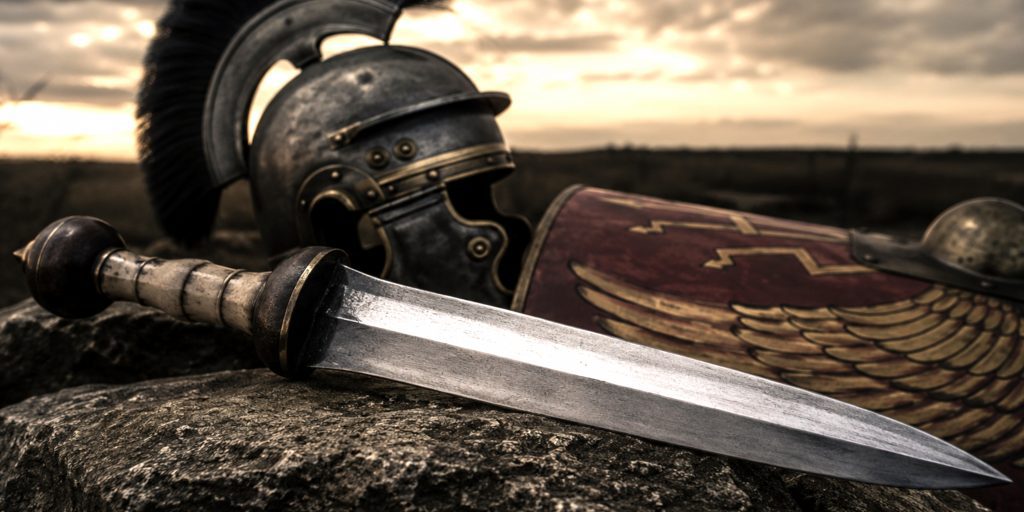
Roman Equipment
The Roman army at Betar represented the mature Imperial military.
Weapons included:
- Pompeii-type gladius
- Early spatha, increasingly common among cavalry
- Pugio dagger
- Pilum heavy javelin
- Composite bows
- Spears
- Ballista bolts
The Pompeii gladius remained the standard legionary sword. Short, efficient and brutally practical, it excelled in close formation fighting where Roman discipline usually proved decisive.
Roman cavalry increasingly favoured the longer spatha, whose extended reach offered advantages during mounted combat.
Armour included:
- Lorica segmentata
- Lorica hamata (mail)
- Lorica squamata (scale)
- Imperial Gallic helmets
- Scutum shields
Jewish Rebel Equipment
The rebels fielded a mixture of military and locally produced equipment.
Weapons included:
- Straight iron swords
- Roman gladii captured during earlier victories
- Spears
- Javelins
- Bows
- Slings
- Knives and agricultural tools adapted for combat
Armour was far less standardised.
Some experienced fighters possessed:
- Mail shirts
- Scale armour
- Bronze or iron helmets
- Oval shields
- Captured Roman equipment
Many defenders likely fought with little protection beyond heavy clothing and determination.
The Siege of Betar
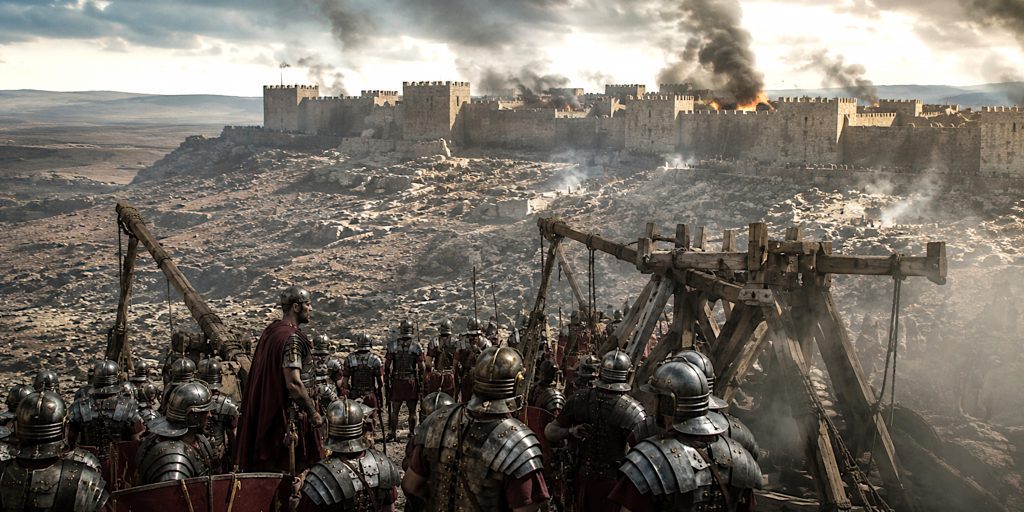
Rather than storming the city immediately, the Romans surrounded it.
Supply routes were cut.
Engineering units constructed siege works designed to isolate the fortress completely. Roman doctrine consistently favoured starvation over reckless assaults whenever time permitted.
Inside Betar, supplies dwindled.
Disease, hunger and exhaustion gradually weakened the defenders. Eventually Roman forces breached the city’s defences.
What followed became infamous.
Ancient Jewish traditions describe widespread slaughter. Roman sources are notably restrained, although Rome rarely advertised the more unpleasant details of its victories.
Modern historians generally agree that the massacre was extensive, even allowing for exaggeration in surviving accounts.
Battle Timeline
| Date | Event |
|---|---|
| 132 CE | Bar Kokhba Revolt begins |
| 132 to 134 CE | Jewish forces establish control over much of Judea |
| 134 CE | Romans begin systematic reconquest |
| Early 135 CE | Betar surrounded by Roman army |
| Mid 135 CE | Siege intensifies |
| Summer 135 CE | Roman forces breach the city |
| 135 CE | Simon Bar Kokhba killed |
| Following months | Remaining resistance eliminated |
Casualties
| Side | Estimated Losses |
|---|---|
| Roman Empire | Unknown, likely significant during campaign |
| Jewish Rebels and Civilians | Tens of thousands according to many estimates |
The exact numbers remain debated.
Ancient Jewish writings record enormous death tolls that almost certainly contain literary exaggeration, yet even cautious modern scholarship accepts that the losses were catastrophic.
Archaeology
Although identifying ancient Betar with absolute certainty remains debated, most scholars associate it with Khirbet al-Yahud, near modern Battir.
Archaeological discoveries from the wider Bar Kokhba Revolt include:
- Roman siege earthworks
- Military camps
- Arrowheads
- Ballista stones
- Sling bullets
- Iron weapons
- Burn layers
- Rebel coinage overstruck on Roman coins
Perhaps the most remarkable discoveries linked to the revolt come from caves in the Judean Desert.
These include:
- Letters signed by Simon Bar Kokhba
- Legal documents
- Personal correspondence
- Clothing
- Sandals
- Wooden household objects
- Weapons
These finds reveal an organised rebel administration rather than an improvised uprising.
Contemporary Sources and Quotes
Cassius Dio wrote:
“Very few of them survived.”
Although brief, the statement captures the devastating outcome of the campaign.
The Jerusalem Talmud later remembered the destruction in striking language:
“The blood flowed until it reached the sea.”
This is almost certainly rhetorical rather than literal, yet it reflects the trauma preserved within Jewish memory.
Rabbinic tradition also records that the dead remained unburied for an extended period before Roman authorities finally permitted burial.
Why Rome Won
Several factors determined the outcome.
Superior logistics
Rome could replace troops, transport supplies and sustain lengthy operations.
Professional engineering
Roman siege techniques gradually neutralised even strong fortifications.
Strategic patience
Severus refused unnecessary pitched battles, preferring to isolate rebel positions individually.
Imperial resources
Hadrian committed an exceptional concentration of manpower drawn from across the Empire.
Attrition
The rebellion gradually exhausted its own manpower while Roman reinforcements continued arriving.
Military Assessment
Betar demonstrated both the strengths and weaknesses of Roman warfare.
Rome struggled during the early stages of the revolt because Bar Kokhba avoided conventional battles and exploited local terrain.
Once the conflict shifted towards siege warfare, Roman advantages became overwhelming.
Severus deserves considerable credit. His campaign lacked dramatic victories but systematically dismantled the rebellion one fortress at a time. Military history is filled with commanders who sought glory. Severus preferred certainty.
It was considerably less exciting, but considerably more effective.
Legacy
The consequences extended far beyond the battlefield.
Following the revolt:
- Judea was devastated
- Jerusalem became Aelia Capitolina
- Jews were largely prohibited from entering the city
- The province was renamed Syria Palaestina
- Jewish political independence effectively ended for centuries
The defeat reshaped Jewish history, encouraging a shift away from armed resistance and towards religious scholarship centred upon rabbinic Judaism.
For Rome, the victory came at an unusually high cost. Even Hadrian reportedly omitted the customary phrase announcing that “I and the army are well” when reporting the campaign to the Senate, suggesting the fighting had been exceptionally severe.
Interesting Facts
- Betar remained the last major Jewish stronghold during the revolt.
- Simon Bar Kokhba minted coins proclaiming the “Freedom of Israel.”
- Roman forces likely included soldiers from Britain, Syria and the Danube frontier.
- Numerous Bar Kokhba letters have survived in desert caves.
- The fall of Betar is still commemorated in Jewish tradition during Tisha B’Av.