Swords occupy a strange place in popular imagination. They are real weapons with centuries of craftsmanship behind them, yet they have also become symbols of heroism, fantasy and dramatic slow motion battles where everyone politely waits their turn.
The reality is often far more interesting. Historical swords were not crude lumps of metal, knights were not helpless statues in armour, and battlefield combat rarely looked like a Hollywood duel on a castle staircase.
Surviving weapons, fighting manuals and archaeology reveal a world of specialised designs, clever engineering and practical warriors who cared about survival more than looking impressive.
Here are seven of the most common sword myths and what we actually know.
Myth 1: Medieval Swords Were Extremely Heavy
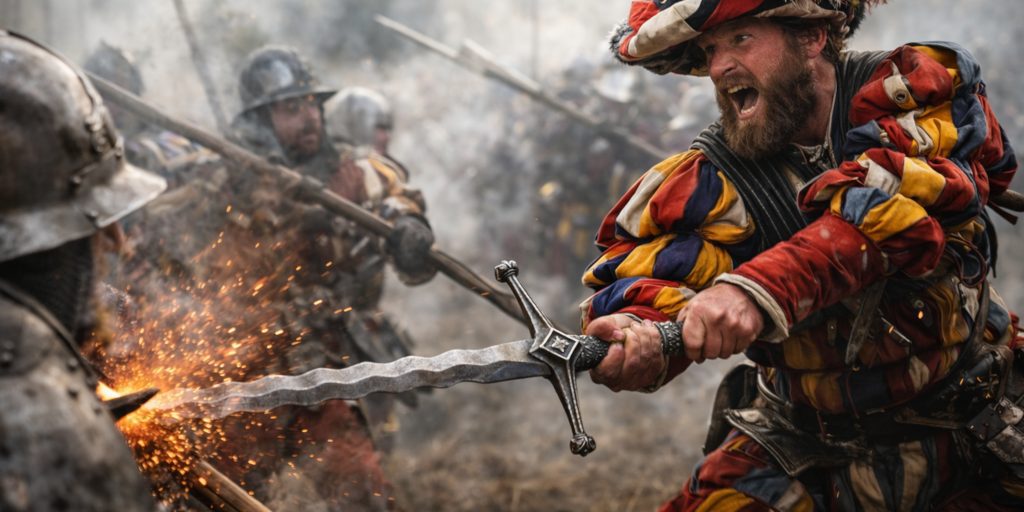
Perhaps the most persistent myth is that medieval swords were huge iron clubs requiring enormous strength to swing. The image of a knight barely lifting his blade looks dramatic, but it does not match surviving examples.
Most one-handed medieval swords weighed around 1 to 1.5 kg. Even many large two-handed swords were usually between 2 and 3.5 kg. They needed to be light enough for speed, recovery and prolonged combat.
A sword was not designed like an axe or a hammer. Its effectiveness came from:
- Edge geometry
- Balance
- Blade stiffness
- Handling
- The skill of the wielder
A knight exhausted after three swings would not have lasted long. Medieval warriors understood efficiency because the alternative was usually quite final.
Historical Examples
| Sword Type | Approximate Weight | Purpose |
|---|---|---|
| Arming sword | 1 to 1.5 kg | One-handed knightly combat |
| Longsword | 1.2 to 1.8 kg | Two-handed cutting and thrusting |
| Great sword | 2 to 3.5 kg | Battlefield control and powerful strikes |
| Rapier | 1 to 1.3 kg | Civilian duelling and thrusting |
Myth 2: European Swords Were Crude Compared To Japanese Swords
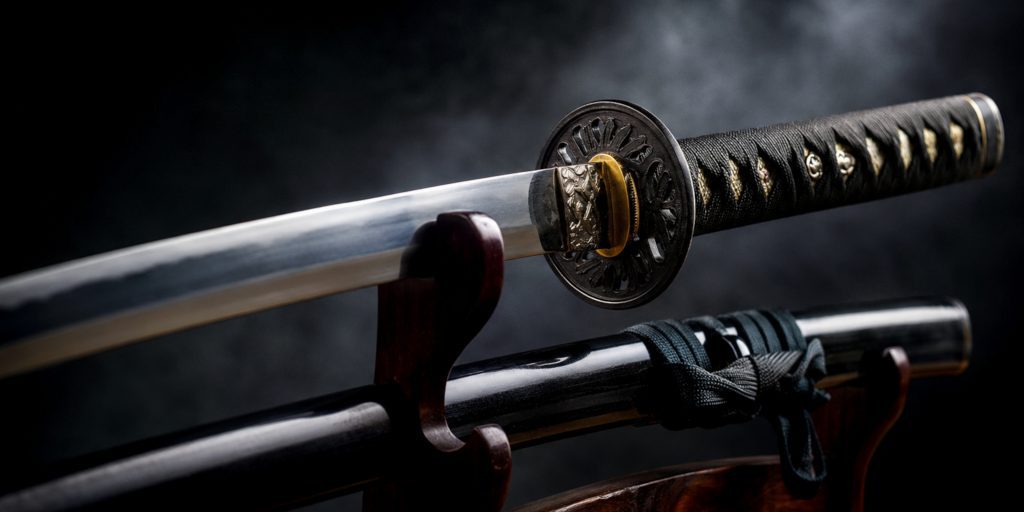
The katana is an extraordinary weapon, but the idea that it was centuries ahead of European blades is largely a modern invention.
Japanese and European swordsmiths were solving different problems.
Japanese smiths developed folding techniques partly because of the challenges of refining available iron sources. European smiths produced highly advanced blades using methods such as pattern welding, advanced heat treatment and high-quality steel production.
A medieval longsword was not an inferior weapon. It was a highly refined tool designed for fighting opponents wearing mail, plate armour and thick protective clothing.
Both traditions created masterpieces. History becomes much more interesting when we appreciate different engineering solutions rather than treating sword making like a fantasy league table.
Myth 3: Swords Could Easily Cut Through Armour
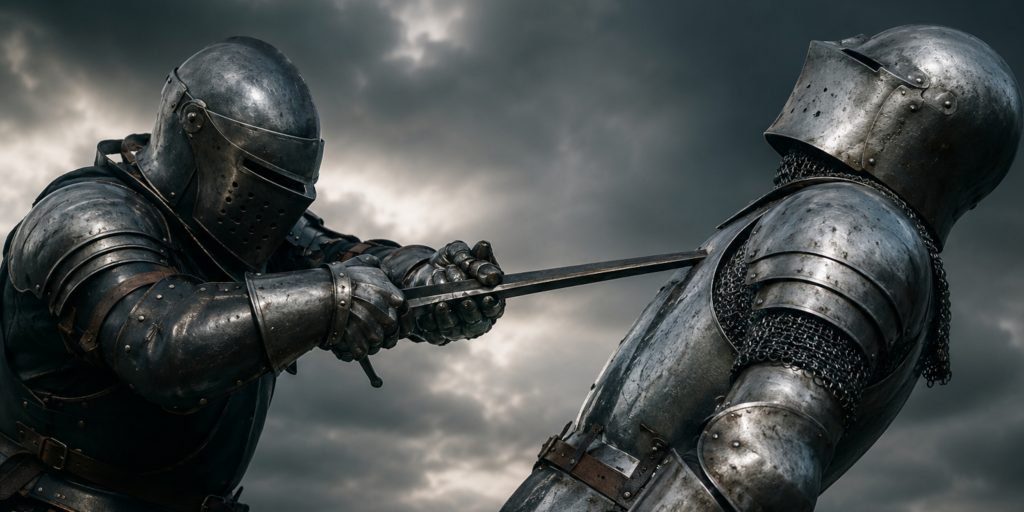
One of cinema’s favourite tricks is showing swords slicing straight through armour. Actual medieval warriors would have loved this armour-piercing ability, but physics was less cooperative.
Plate armour was specifically created to resist cutting attacks. Against a fully armoured opponent, sword fighters relied on techniques such as:
- Thrusting into gaps
- Half-swording, gripping the blade for control
- Targeting joints and weak points
- Using the pommel or crossguard in close combat
Medieval fighting manuals show surprisingly technical approaches. Fighting in armour looked closer to armed wrestling than endless dramatic sword clashes.
Myth 4: The Biggest Sword Always Won
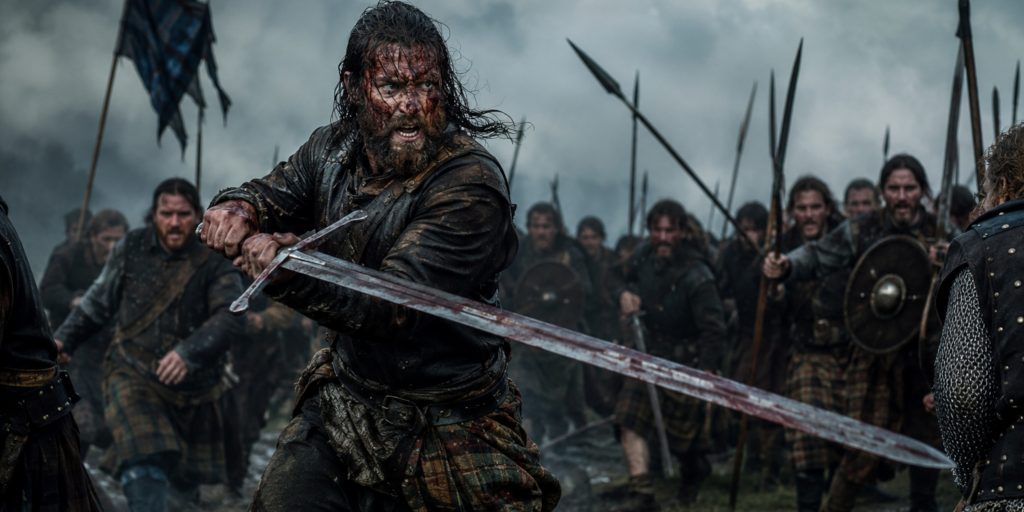
Large swords look intimidating, but bigger was not automatically better.
Different weapons existed because different situations demanded different solutions.
A knight fighting on horseback, a soldier defending a formation, and a civilian carrying a sidearm all needed different designs.
Examples include:
| Sword | Strength |
| Arming sword | Versatile and easy to carry |
| Longsword | Excellent reach and two-handed control |
| Messer | Powerful cuts with practical construction |
| Rapier | Fast thrusting and civilian defence |
| Zweihänder | Formation fighting and battlefield presence |
The best sword was usually the one suited to the situation.
Myth 5: Sword Fights Lasted For Several Minutes
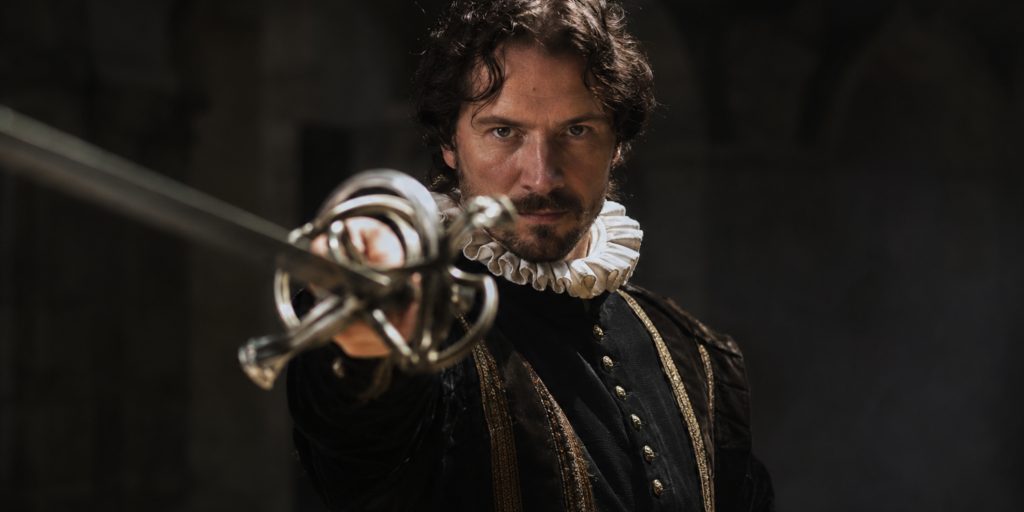
Long, elegant duels make excellent entertainment, but real combat was usually faster and much more brutal.
Historical fencing systems focused heavily on:
- Timing
- Distance
- Defence
- Counterattacks
- Ending fights quickly
A mistake with a sharp weapon could be catastrophic. Fighters were not trying to create an impressive sequence of moves. They were trying to avoid becoming an example for everyone else.
Training manuals from medieval Europe show carefully structured techniques, proving swordsmanship was treated as a serious martial discipline rather than chaotic swinging.
Myth 6: Knights Could Barely Move In Armour
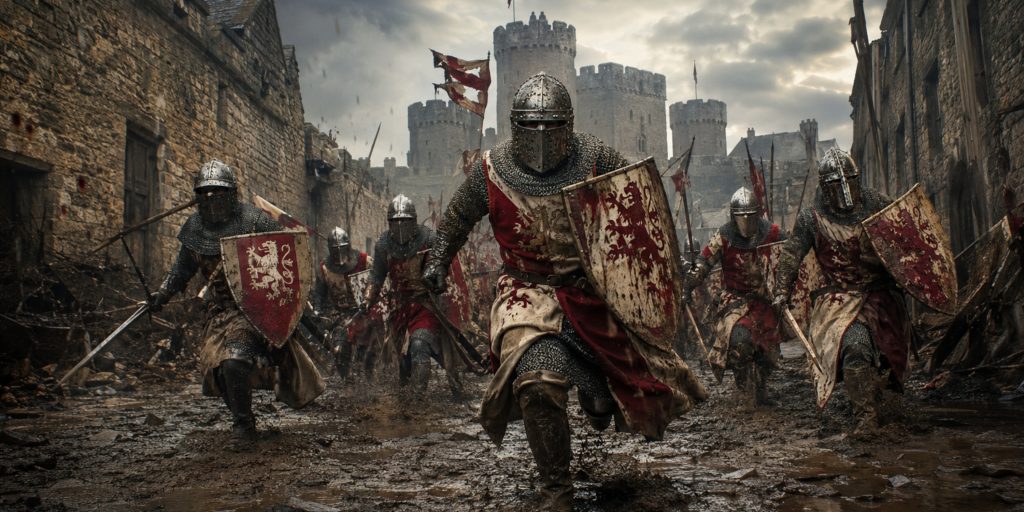
The idea of knights being lifted onto horses by cranes is one of history’s more stubborn legends.
Well-made plate armour allowed impressive movement. Surviving examples and modern reconstructions show wearers running, rolling and climbing while fully armoured.
A complete suit of plate armour often weighed between 20 and 30 kg. Unlike a backpack, this weight was spread across the entire body.
It was still tiring. Nobody wore armour for comfort, and nobody finished a battle thinking “that was refreshing”. But knights were trained athletes, not trapped turtles waiting to fall over.
Myth 7: Swords Were The Main Weapon Of Every Medieval Battle
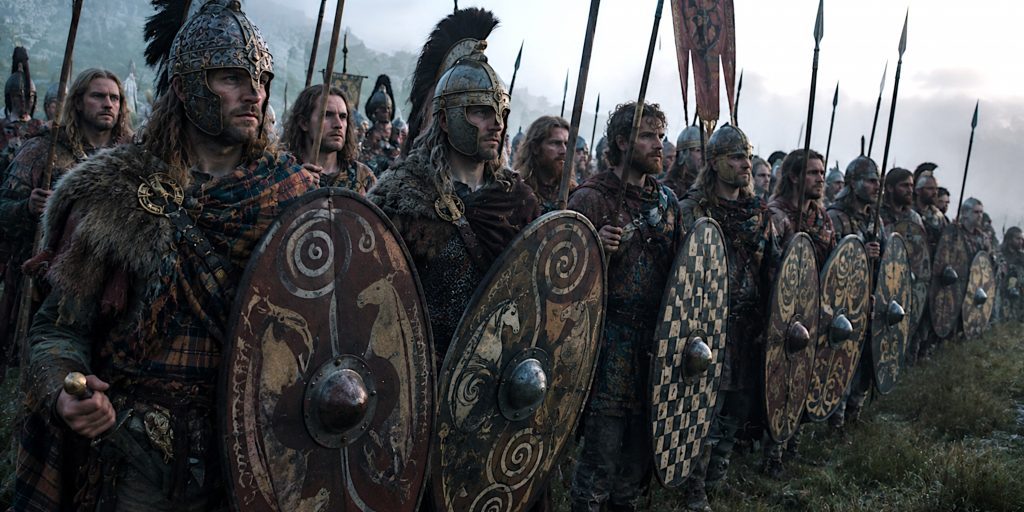
Swords dominate films, books and games because they are visually powerful. On many battlefields, however, they were secondary weapons.
The most common battlefield weapons included:
- Spears
- Polearms
- Bows
- Crossbows
- Axes
- Maces
- Firearms in later periods
Spears and polearms were cheaper to produce, easier to train with and extremely effective in formations.
The sword remained important because it was versatile, portable and often carried social status. A sword could be a weapon, personal possession, family heirloom and symbol of rank.
That reputation explains why we still talk about them centuries later.
What Archaeology Tells Us About Real Swords
Surviving swords reveal a level of craftsmanship often missing from popular portrayals.
Museum collections show:
- Carefully balanced blades
- Complex metallurgy
- Decorated hilts and inscriptions
- Regional variations in design
- Evidence of repair and long-term use
Finds from rivers, graves and battle sites continue to reshape our understanding of sword history. These objects were not just weapons. They were expensive, personal and sometimes carried through generations.