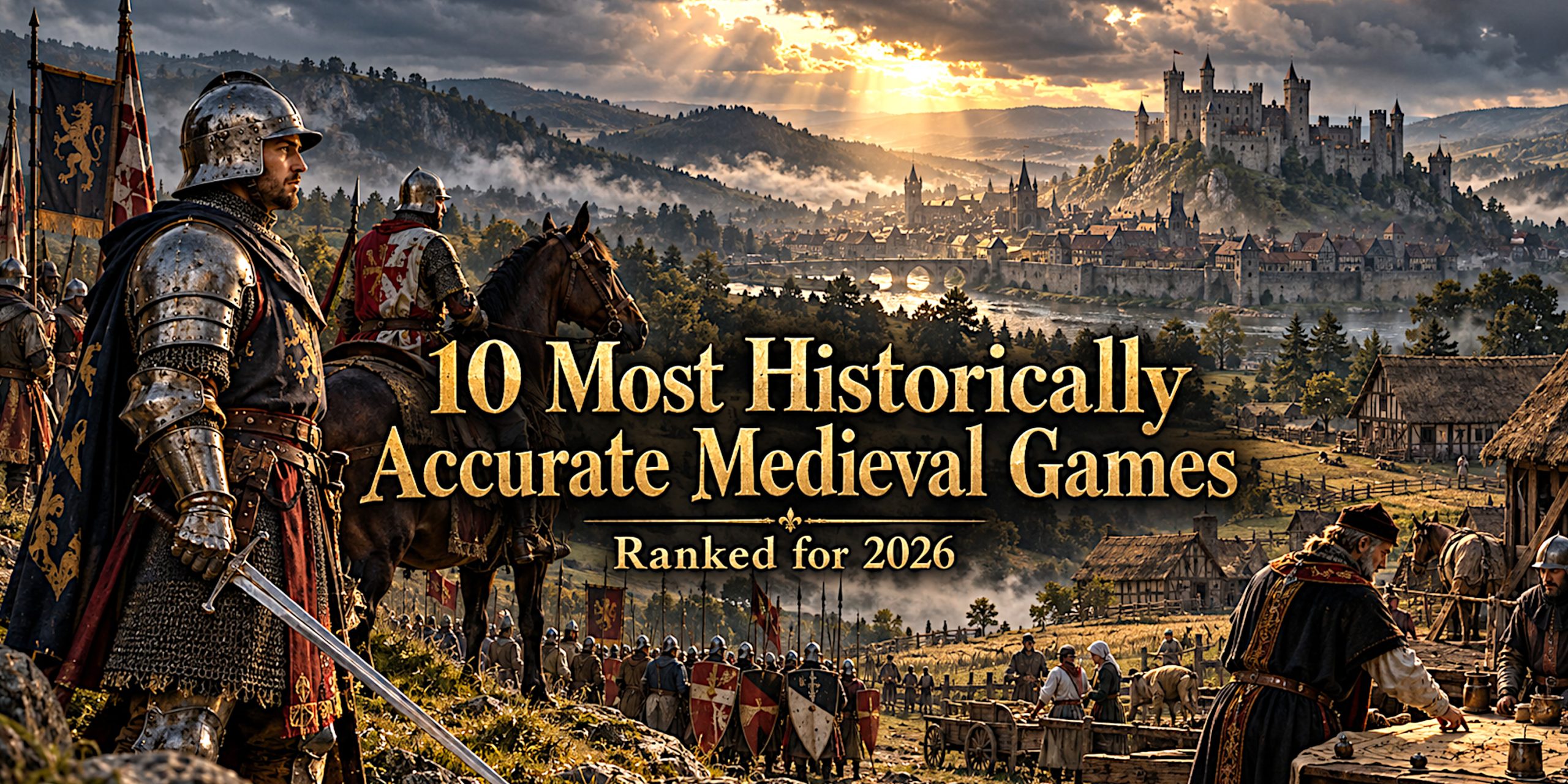
Historical accuracy in games is a slippery business. A beautifully modelled helmet does not rescue a world in which every peasant owns six swords, leather armour behaves like plate and a warrior can heal a punctured lung by eating stew beside a campfire.
The best historical games understand that the Middle Ages were more than battles. Clothing, class, religion, settlement patterns, agriculture, travel and law all shaped everyday life. Combat matters, especially on a site called Seven Swords, but so does the world surrounding it.
For this 2026 ranking, I have judged each game by five broad standards:
- Historical setting and use of real people or events
- Weapons, armour and combat
- Architecture, clothing and material culture
- Society, religion and daily life
- The scale and seriousness of its historical compromises
Some entries recreate a specific place and year. Others use fictional settings built from convincing period research. Those are not the same achievement, so the distinction is made clear throughout.
| Rank | Game | Best historical quality | Main compromise |
|---|---|---|---|
| 1 | Kingdom Come: Deliverance II | Late medieval Bohemia as a complete lived world | Compressed time and RPG convenience |
| 2 | Kingdom Come: Deliverance | Rural Bohemia in 1403 | Uneven combat and simplified social systems |
| 3 | Pentiment | Religion, work and village life | Set at the medieval and early modern boundary |
| 4 | Manor Lords | Settlement growth and regional economy | Fictional region and Early Access systems |
| 5 | Crusader Kings III | Dynastic politics across the medieval world | History is heavily abstracted |
| 6 | Medieval Dynasty | Farming, labour and settlement survival | Fictional setting and broad chronology |
| 7 | Mount & Blade II: Bannerlord | Battlefield movement and command | Entirely fictional world |
| 8 | Total War: Medieval II | Campaign-scale medieval warfare | Ageing research and generous simplification |
| 9 | Ancestors Legacy | Early medieval tactical combat | Compressed battles and theatrical violence |
| 10 | Discovery Tour: Viking Age | Curated Viking and Anglo-Saxon history | Educational experience rather than full simulation |
1. Kingdom Come: Deliverance II
Developer: Warhorse Studios
Released: 2025
Setting: Bohemia, 1403
Best for: The most complete historical medieval experience
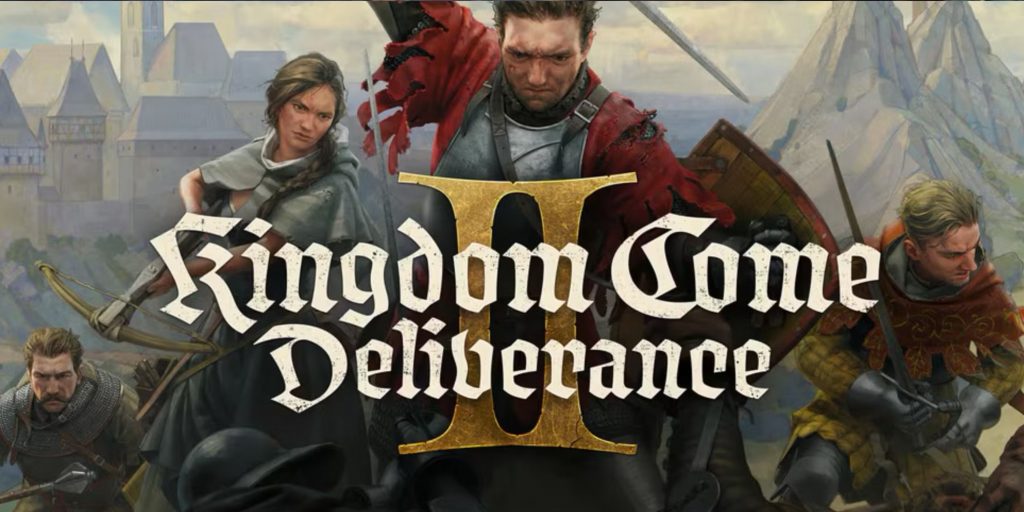
Kingdom Come: Deliverance II is the new standard. Its predecessor established the formula, but the sequel builds a richer and more convincing section of early 15th-century Bohemia around it. Kuttenberg, castles, villages, workshops, roads and cultivated land feel connected by an economy rather than scattered across a fantasy theme park.
Its greatest strength is accumulation. A tailor’s shop, a roadside shrine or the layers of a soldier’s clothing might seem like minor details in isolation. Together, they create a society with its own habits and assumptions. Rank affects conversation. Literacy matters. Crime produces consequences. Equipment is worn in layers, and a respectable outfit can open doors that a bloody gambeson rather reasonably keeps shut.
Combat uses directional attacks, stamina, weapon reach and armour interaction. Swords are not universal tin openers. Against a heavily protected opponent, a mace or a carefully placed thrust can be the sensible answer. Crossbows and early firearms also help establish the changing military culture of the period.
It is still an RPG. Injuries, travel, skill development and the frequency of violent encounters are adjusted for play. Henry can also become implausibly accomplished in a short time, because a completely faithful game about social mobility might involve years of service and a distressing amount of paperwork.
Why it ranks first: No other medieval game available in 2026 combines this level of researched material culture, social detail, landscape and hands-on combat in one coherent world.
2. Kingdom Come: Deliverance
Developer: Warhorse Studios
Released: 2018
Setting: Bohemia, 1403
Best for: Rural life, local geography and grounded role-playing
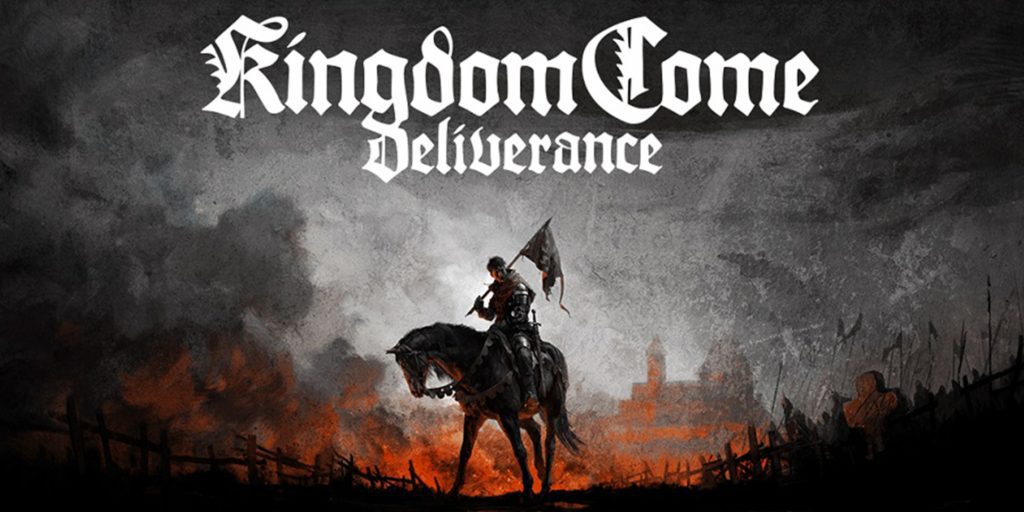
The original Kingdom Come: Deliverance remains one of the most serious attempts to place a player inside a specific medieval conflict. Its story unfolds amid the struggle between Wenceslaus IV and Sigismund, but much of its authenticity comes from smaller things: muddy tracks, mill complexes, parish churches, charcoal burners and fields placed where people could realistically work them.
Henry begins as the son of a blacksmith, not a prophesied warrior with glowing eyes. He cannot read unless he learns, fights badly until trained and is judged by his clothing and hygiene. This turns class and education into mechanics rather than decorative lore.
Its armour layering is particularly effective. Mail, padded garments and plate protect in different ways, while weapon choice matters against the target in front of you. The system is imperfect and can become awkward when several enemies form a small queue to rearrange Henry’s face, but its intentions remain unusually sound.
The sequel is more refined, which pushes this game into second place. The first Deliverance still offers a more intimate rural setting and is an excellent starting point for anyone interested in medieval Bohemia.
Historical caution: Quests compress events, the economy is designed for progression and Henry’s personal story is fictional. Treat the landscape and material culture as informed reconstruction, not a playable documentary.
3. Pentiment
Developer: Obsidian Entertainment
Released: 2022
Setting: Upper Bavaria, 1518 onwards
Best for: Religion, social history, manuscripts and ordinary lives
Pentiment sits just beyond many textbook end dates for the Middle Ages. That is precisely why it belongs here. Its 16th-century Bavarian community still carries medieval institutions, religious traditions and social relationships while print, reform and political unrest begin to change them.
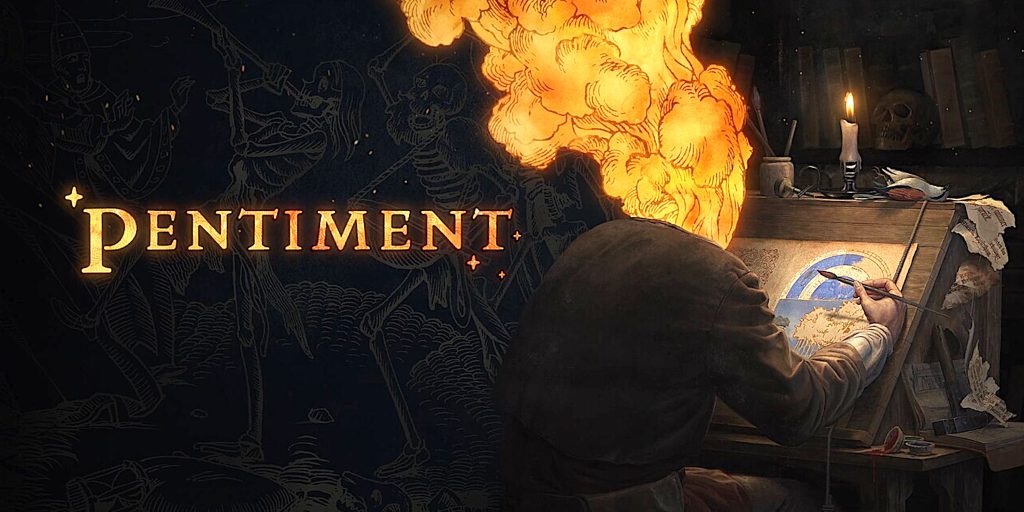
There are no elaborate sword combos. Instead, Pentiment explores labour, food, marriage, faith, class, law and communal memory. The fictional village of Tassing and Kiersau Abbey are built from close research into the Holy Roman Empire. Even its visual language draws from manuscripts, woodcuts and early printed books.
The player investigates deaths, but there is no modern forensic certainty waiting at the end. Evidence is partial, testimony is biased and time is limited. That uncertainty feels more historically honest than a detective vision that highlights the guilty monk in gold.
Dialogue changes according to the protagonist’s education and background. Knowledge of theology, law, medicine or local customs affects what he notices and how others receive him. History here is not wallpaper. It controls access to information.
Obsidian also published director Josh Sawyer’s recommended historical reading, which is well worth exploring after the credits.
Why it ranks so highly: Pentiment offers one of gaming’s best portrayals of how belief, status and work structured a pre-modern community. Its late date is the only reason it does not challenge for first place.
4. Manor Lords
Developer: Slavic Magic
Early Access release: 2024
Setting: Fictional region inspired by late 14th-century Franconia
Best for: Settlement planning, production and local lordship
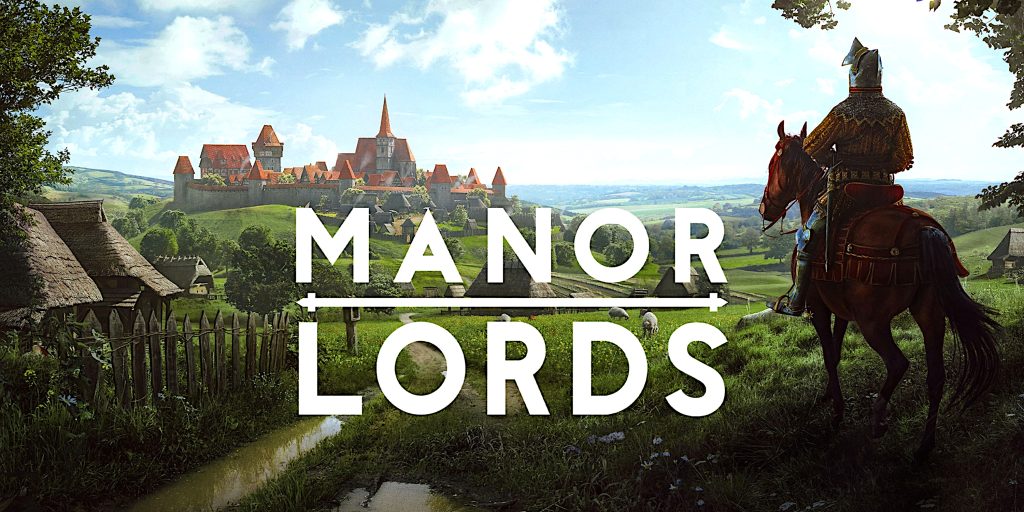
Manor Lords understands that medieval towns did not emerge from perfect square grids dropped from the heavens by a player with a mouse. Roads follow movement. Houses occupy flexible plots. Fields respond to terrain, and production depends on people physically moving goods through the settlement.
Its regional inspiration is visible in architecture, clothing, tools and farming. Oxen plough fields, sheep graze on pasture and iron is processed through a chain of labour. The town feels built by households rather than summoned by a mayor with infinite timber.
Battles are smaller and more grounded than those in most strategy games. Equipment, formation, fatigue and position matter. Raising troops also removes labour from the local economy, a useful reminder that a levy is made of people who were doing something else five minutes earlier.
The important caveat is that Manor Lords is not a reconstruction of one documented place. It combines evidence and mechanics from a broad regional model, while some features remain in development. The developer describes historical accuracy as an inspiration and design priority, not a promise that every system represents one exact year.
Why it ranks fourth: It may be the strongest visual and economic interpretation of a late medieval settlement in any strategy game, but its fictional setting and evolving systems keep it below the more tightly researched narrative games.
5. Crusader Kings III
Developer: Paradox Development Studio
Released: 2020
Setting: Europe, Africa and Asia across the medieval period
Best for: Dynasties, inheritance, religion and political relationships
Crusader Kings III does not simulate the Middle Ages at street level. It simulates the pressures that shaped ruling families over generations. Marriage, inheritance, legitimacy, religion, vassalage, disease and personal reputation can matter as much as military strength.
Its vast map and long timeline make perfect accuracy impossible. Cultures and faiths become systems of bonuses, borders need to be legible and complex institutions are translated into menus. Individual rulers can also behave with a freedom that their real circumstances would not always allow.
Yet the game captures something many action titles miss: medieval politics was personal. A realm was not a modern state painted a different colour. It was a network of claims, obligations, families and competing authorities. A brilliant conquest can collapse because an heir is unpopular, a marriage fails or several vassals decide that your crown would look nicer in storage.
Why it ranks fifth: Crusader Kings III is strongest as a model of relationships and dynastic instability. It teaches broad patterns rather than reliable detail about any single reign.
6. Medieval Dynasty
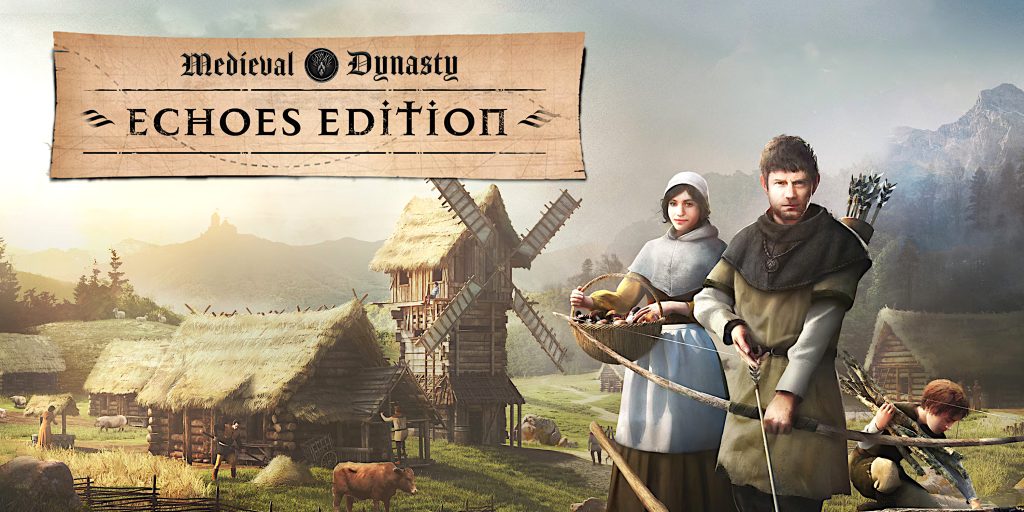
Developer: Render Cube
Released: 2021
Setting: Fictional medieval European region
Best for: Farming, construction and village management
Medieval Dynasty gives ordinary labour the starring role. The player hunts, farms, cuts timber, builds homes, recruits villagers and establishes a family. Survival depends less on winning glorious battles than on having enough food and firewood when winter arrives. Medieval people would recognise the priority, even if they might have some comments about the crafting interface.
Its seasonal rhythm is convincing. Agriculture takes time, tools wear out and a growing settlement creates new demands. Building a community requires workers, storage and production chains rather than a shower of gold coins.
Accuracy becomes looser around chronology and social organisation. The region is fictional, technology is blended and the player enjoys an unusual degree of personal and economic freedom. The game is better viewed as a plausible medieval life simulator than a reconstruction.
Why it ranks sixth: Few games give farming, household formation and manual work this much attention. Its historical identity is broad, however, and cannot match the precise setting of Kingdom Come or Pentiment.
7. Mount & Blade II: Bannerlord
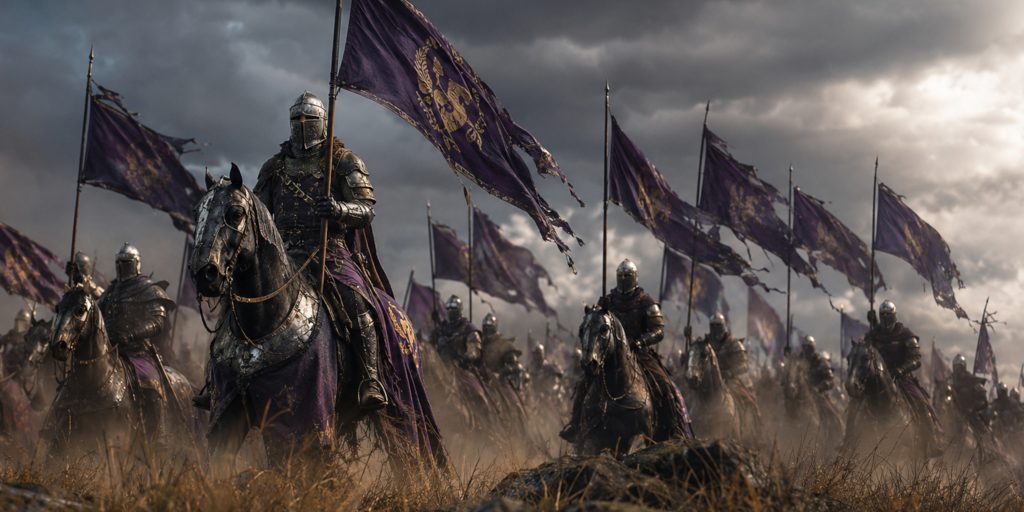
Developer: TaleWorlds Entertainment
Released: 2022
Setting: Fictional Calradia
Best for: Mounted combat, formations and battlefield command
Mount & Blade II: Bannerlord is not history. Its factions combine influences from late antique and medieval cultures, and Calradia never existed. It earns a place because its physical model of warfare often feels more convincing than games tied to real dates.
Directional attacks, weapon reach, missile trajectories, shields, cavalry momentum and formations all matter. A long spear behaves differently in a dense line than in a confused alleyway. Horse archers are dangerous because of mobility and coordination, not because the game has labelled them an elite unit and added a glowing border.
The campaign also links warfare to recruitment, finance, food and political loyalty. Armies consume supplies. Nobles defect. Sieges require preparation. These systems are simplified, but they produce recognisably pre-modern military problems.
The armour roster and faction equipment mix centuries and regions rather freely. Its economy and feudal politics are designed for a sandbox, while the player’s rise from wandering nobody to continental ruler can be wonderfully absurd.
Why it ranks seventh: Bannerlord is an excellent medieval battle simulator inside a fictional historical collage. It offers physical plausibility, not factual reconstruction.
8. Total War: Medieval II
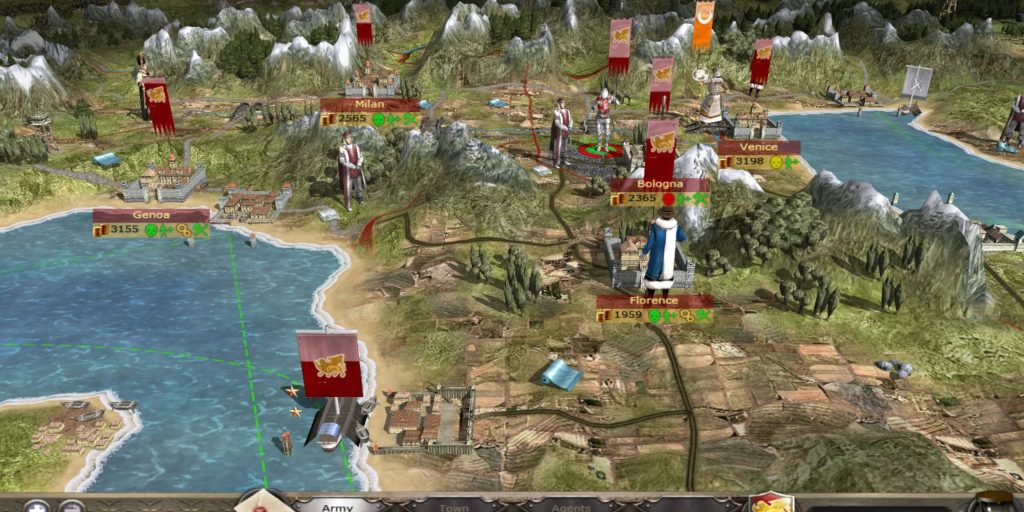
Developer: Creative Assembly
Released: 2006
Setting: Europe, North Africa and western Asia, 1080 to 1530
Best for: Large campaigns, sieges and battlefield spectacle
Nearly two decades after release, Total War: Medieval II remains a remarkably effective overview of medieval warfare. The campaign combines diplomacy, religion, trade, dynastic management and territorial expansion with large real-time battles.
Its castles develop through recognisable defensive stages, armies depend on settlement infrastructure and gunpowder gradually alters the military balance. Morale, flanking, fatigue and terrain can decide battles, which gives tactics more weight than raw unit statistics.
The historical compromises are substantial. Units are tidied into clean rosters, battles happen too frequently and armies replenish through systems that only loosely resemble medieval recruitment. Diplomacy has also aged badly. Expecting an alliance to remain stable can feel like lending money to a man you met behind a tavern.
Community mods can improve geography, rosters and campaign detail, but they should be judged individually rather than treated as automatic corrections.
Why it ranks eighth: Its scope and atmosphere remain excellent, though newer games handle material culture and political nuance with greater care.
9. Ancestors Legacy
Developer: Destructive Creations
Released: 2018
Setting: Europe between the 8th and 13th centuries
Best for: Early medieval squad tactics
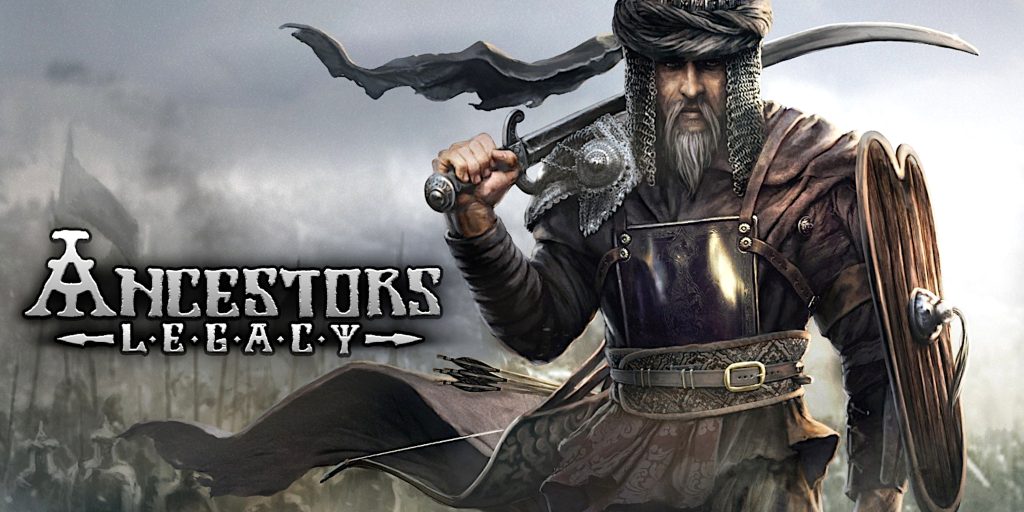
Ancestors Legacy is a history-inspired real-time strategy game built around small-unit combat. Saxons, Vikings, Slavs and other forces fight through campaigns influenced by medieval events and personalities.
Shield formations, morale, terrain and flanking give battles a welcome tactical structure. Armour and weapons broadly reflect the cultures represented, and the game avoids throwing magic into the mix. Its focus on raiding and control of settlements also suits several of its campaign settings.
This is still an RTS designed around short, readable encounters. Units upgrade quickly, villages change hands at speed and combat is more cinematic than forensic. The campaigns compress events and sometimes lean into familiar ideas of medieval brutality.
Why it ranks ninth: It is a solid historically inspired tactics game, but the scale and pace produce more abstraction than the entries above it.
10. Discovery Tour: Viking Age
Developer: Ubisoft Montreal
Released: 2021
Setting: Norway and Anglo-Saxon England in the 9th century
Best for: Guided learning about Viking and Anglo-Saxon culture
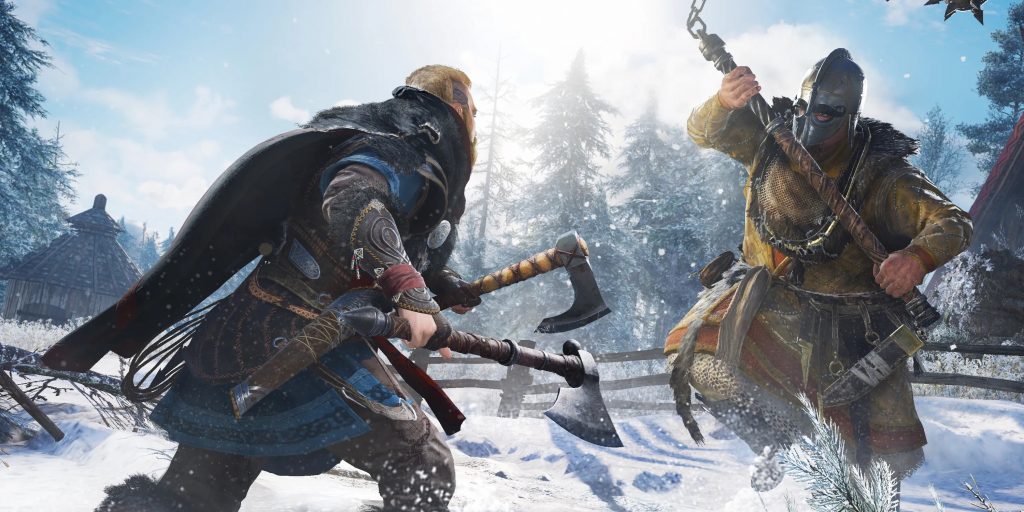
The main game in Assassin’s Creed Valhalla is historical fantasy. Its landscapes and settlements contain good research, but the weapons, armour, chronology and superhuman action take considerable liberties. Dual-wielding oversized weapons is entertaining. It is not a discovery that has forced museums to rewrite the labels.
Discovery Tour: Viking Age deserves separate consideration. It removes combat and turns the environment into an educational experience covering trade, religion, daily life, myth and warfare. Ubisoft developed its historical material with input from historians, archaeologists and museums, then presents sources and interpretation more openly than the main adventure.
The environment remains a selective digital reconstruction, not a perfect model of the 9th century. Its value comes from showing its research and encouraging players to look closely at objects, buildings and customs.
Why it ranks tenth: As an educational experience it is excellent. As a game simulation it offers less freedom and systemic depth than the titles above it.
Games That Nearly Made the Ranking
A Plague Tale: Innocence and Requiem
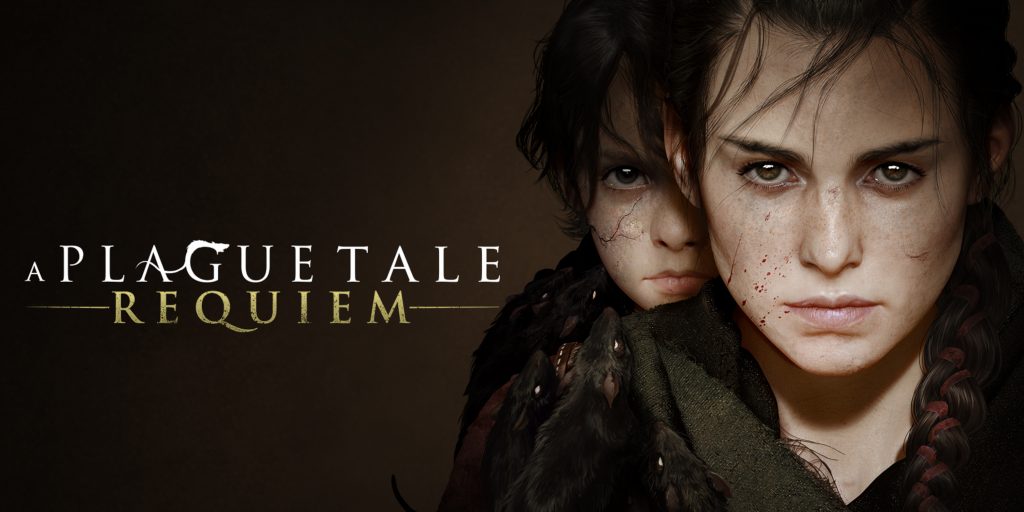
The clothing, architecture and atmosphere of 14th-century France can be superb. The supernatural plague narrative and spectacular oceans of rats make both games historical fiction rather than serious simulations. They are absolutely worth playing, but not as evidence that medieval rodents could form load-bearing structures.
Assassin’s Creed Valhalla
Its landscapes, reconstructed sites and Discovery Tour contain valuable historical work. The main game mixes centuries of equipment, embraces fantasy and presents Viking warfare through modern action conventions. The educational mode earns the ranked place instead.
Expeditions: Viking
This tactical RPG offers thoughtful faction politics, resource pressure and grounded turn-based combat. Its 8th-century setting is well researched in places, but its fictional expedition and RPG systems make it a broader interpretation.
Chivalry 2 and Mordhau
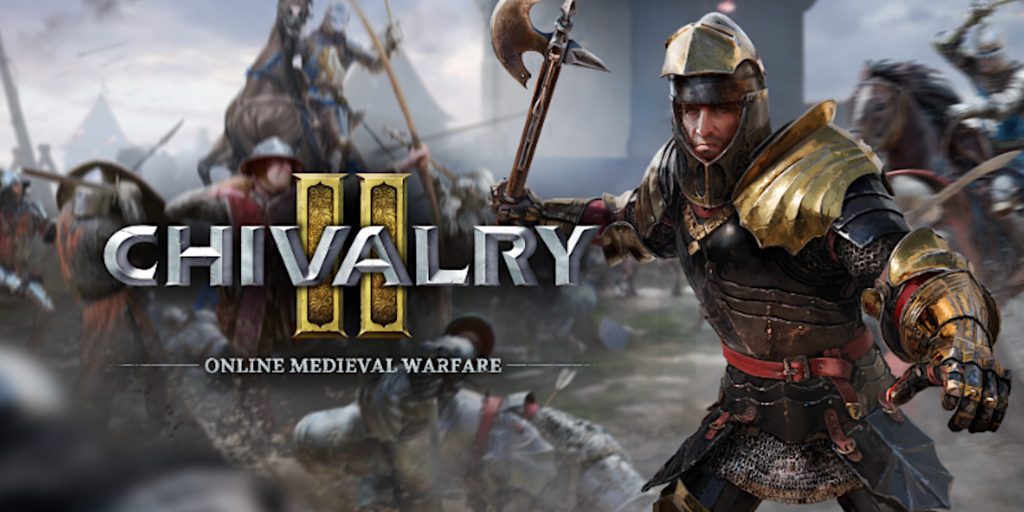
Both capture the noise, confusion and alarming accident rate of mass melee combat. Their armour, weapons and battlefields freely mix periods for balance and spectacle. Historically flavoured is the fair description.
Which Medieval Game Has the Most Accurate Sword Combat?
Kingdom Come: Deliverance II offers the strongest overall attempt at historically grounded first-person sword combat. Timing, distance, stamina, attack direction and armour all influence a fight. The system is still designed for controllers, keyboards and enjoyable progression, so it should not be mistaken for a HEMA simulator.
Bannerlord is better at showing how weapon reach, horses, missiles and formations interact across a larger battlefield. Its individual fencing is less detailed, but its mass combat produces convincing tactical situations.
No game perfectly recreates a real fight. Historical combat is fast, frightening and often decided by circumstances that would make terrible entertainment, including slipping, being surrounded or failing to see the weapon that hits you.
What Historical Accuracy in a Medieval Game Actually Means
A game can be accurate in one area and wildly inventive in another. It helps to ask more precise questions:
- Is the setting tied to a real time and place? Kingdom Come is. Bannerlord is not.
- Are objects based on surviving evidence? Look at weapons, clothing, buildings and tools rather than promotional claims.
- Do social systems reflect the period? Rank, religion, law, kinship and literacy should shape what characters can do.
- Does the landscape make sense? Fields, roads, water, settlements and fortifications should have practical relationships.
- Are compromises acknowledged? Honest historical fiction is more useful than confident nonsense.
The most convincing games do not merely fill the screen with mud. They show why people lived where they did, how they worked, what they believed and what violence cost them.
Frequently Asked Questions
What is the most historically accurate medieval game in 2026?
Kingdom Come: Deliverance II is the strongest overall choice. It combines a documented 1403 Bohemian setting with detailed clothing, architecture, social behaviour, weaponry and combat. Pentiment is arguably stronger on religion and social history, while Manor Lords is better at modelling settlement growth.
Is Kingdom Come: Deliverance II completely historically accurate?
No. It uses real places, political conditions and carefully researched material culture, but Henry’s story is fictional and the game compresses travel, training, healing and events. It is highly informed historical fiction.
Is Mount & Blade II: Bannerlord historically accurate?
Bannerlord has convincing combat physics and draws its factions from historical cultures, but its world, rulers and chronology are fictional. It is historically inspired rather than historically accurate.
Is Assassin’s Creed Valhalla accurate?
Parts of its landscape, architecture and cultural research are valuable. Its weapons, armour, chronology and action are heavily altered for fantasy and entertainment. Discovery Tour: Viking Age is the better choice for learning.
What is the best medieval game for learning history?
Pentiment is excellent for social and religious history. Discovery Tour: Viking Age is the most explicitly educational. Kingdom Come: Deliverance II is best for immersive material culture, while Crusader Kings III helps players understand dynastic politics and inheritance at a broad level.
Final Verdict
Kingdom Come: Deliverance II takes first place because its history is present in almost every layer of play. Pentiment proves that conversation, work and belief can reveal as much about the past as a battlefield. Manor Lords and Medieval Dynasty make labour and settlement meaningful, while Crusader Kings III and the older strategy games turn medieval politics and warfare into systems that can be explored.
The ranking also shows why “historically accurate” should never be treated as a single label. Some games reproduce objects beautifully but invent their society. Others simplify equipment while capturing the instability of dynastic rule. The best choice depends on whether you want to study a sword, manage a harvest, survive a royal marriage or discover that your carefully arranged shield wall has developed opinions of its own.